Everest: A Traveller's Guide to the World's Highest Peak
A plain-language Everest guide for travellers: the height, names, first ascent, 2025 climbing rules and fees, plus how trekkers can see it without climbing.
You do not have to climb Everest to stand in its shadow — and most travellers who fall in love with it never do.
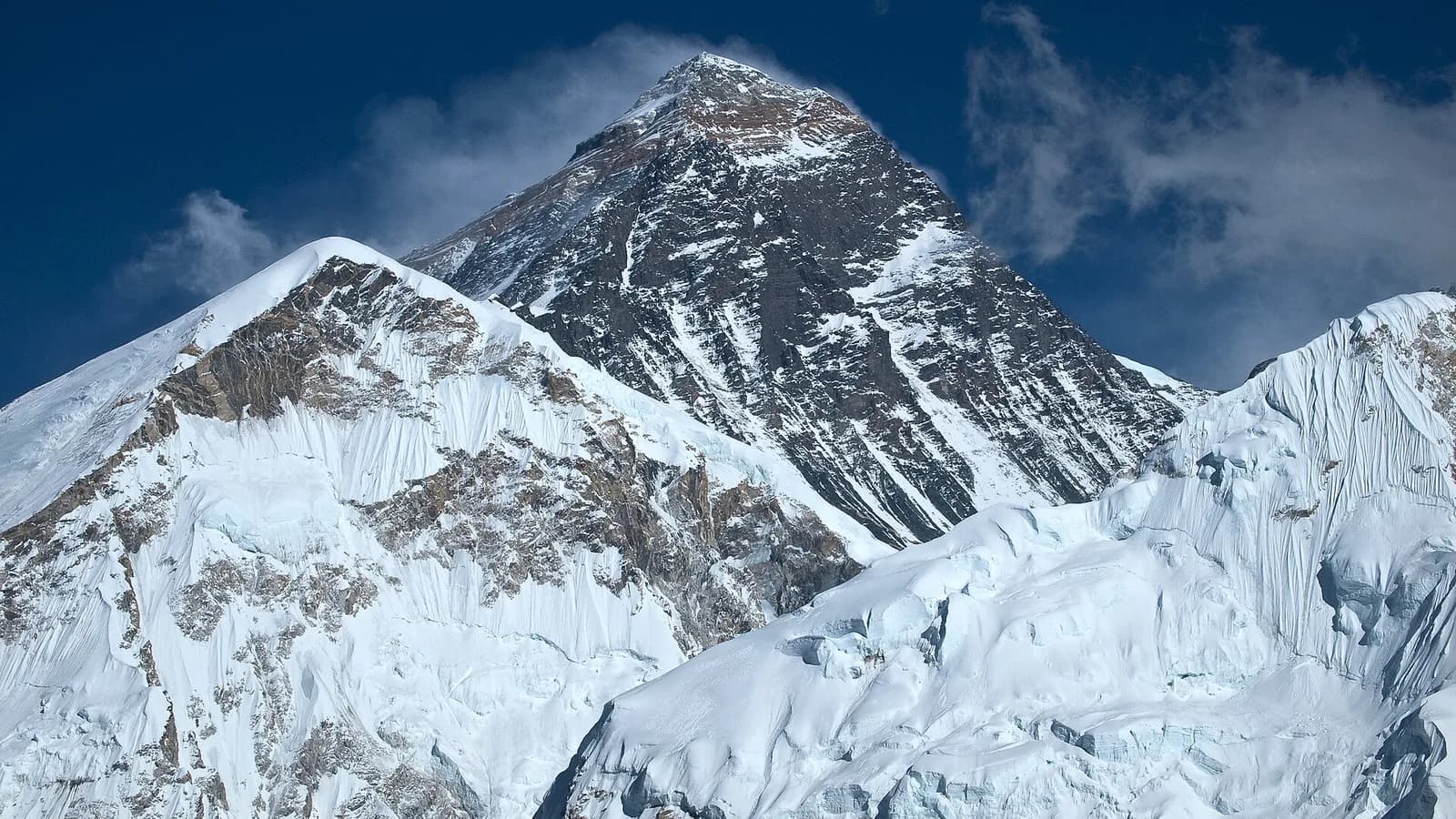
Everest is the tallest mountain on the planet measured above sea level, and for a great many travellers it is the single image that draws them to Nepal in the first place. But the mountain people picture — a knife-edge summit reached only by elite climbers — is just one small part of the story. This guide explains what Everest actually is: its height and names, who climbed it first, the rules and costs that govern climbing it today, and, crucially, the many ways an ordinary traveller can experience it without ever roping up.
On this site you will find Everest spelled out in detail across dozens of focused guides. This page is the map to all of them — a plain-language overview you can read in one sitting before deciding which corner of the mountain interests you most. If you are learning Nepali for a trip, it is also worth knowing that locals call the peak Sagarmatha, not Everest, and that name appears on signs, park gates and bus tickets all over the region.
Key takeaways
- Everest's official height is 8,848.86 m (about 29,031.7 ft), agreed by Nepal and China on 8 December 2020.
- Its Nepali name is Sagarmatha; in Tibet it is Chomolungma. The English name honours surveyor Sir George Everest.
- Edmund Hillary and Tenzing Norgay made the first confirmed ascent on 29 May 1953.
- You do not have to climb to see it — base camp treks, view treks, mountain flights and helicopter tours all exist.
- Climbing it is expensive and tightly regulated: the spring permit is USD 15,000 as of late 2025, and Nepal now requires prior 7,000 m experience.
How tall is Everest, and what are its names?
Since December 2020 there has been a single agreed figure for Everest's height: 8,848.86 metres, roughly 29,031.7 feet. That number came from a joint Nepal–China survey that combined satellite positioning at the summit, gravity measurements and ground-penetrating radar through the summit snow. It replaced Nepal's older figure of 8,848 m, which dated to a 1950s Survey of India measurement. If you want the full story of how you measure a peak no instrument can sit on, see our deep dive on Mount Everest height.
Everest also has three names worth knowing:
| Name | Language / origin | Rough meaning | | --- | --- | --- | | Sagarmatha | Nepali | Head in the great blue sky | | Chomolungma | Tibetan | Holy mother | | Everest | English | Honours Sir George Everest, ex-Surveyor General of India |
For travellers, Sagarmatha is the practical one. The national park that protects the mountain is Sagarmatha National Park, a UNESCO World Heritage Site, and the name is used everywhere in the Khumbu region. Picking up a handful of basic Nepali phrases before you go makes a real difference on the trail.
Is it really the tallest mountain?
It depends on how you measure. Everest is the highest point above sea level, which is the everyday definition. But measured base to summit, Hawaii's Mauna Kea is taller, and measured from the centre of the Earth, Ecuador's Chimborazo edges ahead because the planet bulges at the equator. Within Nepal itself, Everest is comfortably the highest mountain in the country, one of several Himalayan giants you can read about in our overview of the mountains of Nepal.
A short history of climbing Everest
The first confirmed ascent came on 29 May 1953, when Edmund Hillary, a New Zealand mountaineer, and Tenzing Norgay Sherpa reached the summit together. They were part of a large British expedition led by Colonel John Hunt — the ninth major attempt on the peak. Tenzing was already the most experienced Everest climber alive, having joined attempts dating back to the 1930s.
In the decades since, the mountain has gone from a near-impossible objective to a commercially guided climb attempted by hundreds each spring. The role of the Sherpa community, who do much of the route-fixing and load-carrying, remains central; you can read about them in our guide to the Sherpa people. One name dominates the modern record books: a Nepali climbing guide who, according to Guinness World Records, has summited Everest more times than anyone in history — a tally he has extended past 30 ascents across a career that began in the 1990s.
Climbing Everest today: rules, costs and seasons
Climbing Everest is a major expedition, not a holiday, and Nepal has tightened the rules considerably.
The 2025 climbing rules
From 2025, Nepal introduced stricter requirements aimed at reducing crowding and accidents:
- Climbers must prove they have summited a peak of at least 7,000 m inside Nepal before applying for an Everest permit. (You can read more in our note on the 7,000 m peak requirement.)
- One Nepali guide is required for every two climbers above 8,000 m, and solo expeditions are banned.
- A recent medical fitness certificate from an approved institution is mandatory.
- Climbers must follow strict waste-management rules, including carrying out biodegradable waste.
These changes sit within a broader new climbing law and ongoing debate about how to keep the mountain safe.
What it costs
The headline figure is the government royalty (permit) fee, which rose sharply in 2025. The numbers below are the per-climber Nepal-side fees as of late 2025:
| Season | Months | Permit fee (per climber) | | --- | --- | --- | | Spring | March–May | USD 15,000 (as of Sep 2025) | | Autumn | Sept–Nov | USD 7,500 (as of Sep 2025) | | Winter / Monsoon | Dec–Feb / Jun–Aug | USD 3,750 (as of Sep 2025) |
The spring increase — from USD 11,000 — took effect on 1 September 2025. Crucially, the permit is only a fraction of the real bill. Once you add guides, oxygen, logistics, insurance and weeks of support, a full expedition runs into the tens of thousands of dollars; our guide to the Everest expedition cost and the question of how much it costs to climb Mount Everest break the figures down.
The risks
Everest is genuinely dangerous. Above roughly 8,000 m lies the death zone, where the body slowly deteriorates and even small mistakes can be fatal. If you are curious about the honest numbers, see how many people die on Everest. None of this is meant to glamorise the climb — for the overwhelming majority of visitors, the smarter and safer ways to enjoy the mountain are below.
How travellers actually experience Everest (no climbing required)
Here is the part most first-time visitors do not realise: you can get spectacularly close to Everest without any technical climbing at all. The options range from a multi-week trek to a two-hour flight.
Trek to Everest Base Camp
The classic is the Everest Base Camp (EBC) trek, a roughly two-week walk through Sherpa villages, suspension bridges and high valleys to the foot of the mountain at around 5,300 m. It is demanding but non-technical, and thousands of ordinary travellers complete it each year. Start with our Everest Base Camp trek itinerary, then check the best time for the trek and what it costs in 2026.
Shorter and easier alternatives
Not everyone has two weeks or wants to sleep above 5,000 m. Good alternatives include:
- The Everest View trek, a shorter route that delivers the panorama without going all the way to base camp — see the Everest View trek guide.
- A scenic mountain flight from Kathmandu, a short morning flight that lines the Himalaya up along your window; details in Everest mountain flight.
- An Everest helicopter tour, which lands high for views in a single day; see the Everest helicopter tour and the base camp helicopter tour.
What to know before you go
Whatever route you pick, two things matter most at altitude: going slowly, and knowing the warning signs. Read our guide to altitude sickness on Nepal treks before booking anything above 3,000 m. Most flights into the region land at Lukla, often described as one of the world's trickiest airstrips — see is Lukla airport dangerous for a level-headed take. Permits for the trekking region differ from climbing permits; the basics are covered in Nepal trekking permits.
Everest in the Nepali language
Because this is partly a Nepali-language site, it is worth closing on the language. To Nepalis the mountain is Sagarmatha (सगरमाथा), and the region around it is the Khumbu, home to the Sherpa people whose own language differs from standard Nepali. On the trail you will hear and use everyday Nepali constantly — greetings, numbers for haggling over a teahouse blanket, and the all-important dhanyabad (thank you).
A few useful starting points:
- How to say hello in Nepali — and the famous namaste.
- How to say thank you in Nepali.
- Nepali phrases every trekker should know.
Even a little effort goes a long way in the mountains, where guides, porters and lodge owners notice and appreciate visitors who try. You can build from these into a full beginner path at learn Nepali.
Quick reference
| Question | Short answer | | --- | --- | | Height | 8,848.86 m (29,031.7 ft), agreed 2020 | | Nepali name | Sagarmatha | | First ascent | Hillary and Tenzing Norgay, 29 May 1953 | | Spring climbing permit | USD 15,000 per climber (as of Sep 2025) | | Best non-climbing option | Everest Base Camp trek or a mountain flight | | Best months | Spring (Mar–May) and autumn (late Sep–Nov) |
Everest rewards understanding more than bravado. Whether you walk to its base, fly past its summit at dawn, or simply learn to say its real name, the mountain is far more accessible — and far more interesting — than the highlight reel of summit photos suggests.
Sources
- Mount Everest — Wikipedia
- Mt Everest: Nepal, China announce revised height at 8,849 metres — Al Jazeera
- It's official: Mount Everest is 8,848.86 metres tall — The Kathmandu Post
- 1953 British Mount Everest expedition — Wikipedia
- Edmund Hillary — Britannica
- Nepali sherpa Kami Rita makes history with most Everest summits — Guinness World Records
- New Everest Regulations: You Must Climb a 7,000m Peak in Nepal First — Explorersweb
- Updated Everest Permit Fees for 2025/26 — Adventure Glacier Treks
Frequently asked questions
- How tall is Mount Everest?
- Everest's official height is 8,848.86 metres, about 29,031.7 feet, a figure jointly announced by Nepal and China on 8 December 2020 after a coordinated survey. You will sometimes see it rounded to 8,849 m or 29,032 ft.
- What is the Nepali name for Everest?
- In Nepal the mountain is called Sagarmatha, often glossed as head in the great blue sky. In Tibet it is Chomolungma, usually translated as holy mother. The English name honours Sir George Everest, a former Surveyor General of India.
- Who climbed Everest first?
- Edmund Hillary of New Zealand and Tenzing Norgay Sherpa reached the summit on 29 May 1953 as part of a British expedition led by John Hunt. It was the ninth major attempt on the peak, and Tenzing was already the most experienced Everest climber alive.
- Do I have to climb Everest to see it?
- No. Most travellers who want to see Everest never climb it. You can trek to base camp, take a shorter view trek, fly a scenic mountain flight from Kathmandu, or join a helicopter tour, none of which involves technical climbing.
- How much does an Everest climbing permit cost in 2026?
- For the spring season, the royalty fee rose to USD 15,000 per climber, effective from 1 September 2025 (up from USD 11,000). Autumn is USD 7,500 and winter or monsoon is USD 3,750. These are government fees only and do not include the full expedition cost.
- What are Nepal's new Everest climbing rules?
- From 2025 Nepal requires climbers to prove they have summited a peak of at least 7,000 m inside Nepal before applying, mandates one Nepali guide for every two climbers above 8,000 m, bans solo expeditions, and requires a recent medical fitness certificate and strict waste management.
- Is Everest the tallest mountain on Earth?
- Everest is the highest point above sea level, which is the standard most people mean. Measured base to summit, Hawaii's Mauna Kea is taller, and measured from the Earth's centre, Ecuador's Chimborazo wins because of the equatorial bulge.
- When is the best time to see Everest?
- Spring (March to May) and autumn (late September to November) offer the clearest skies and most stable weather for trekking and mountain flights. The summer monsoon brings cloud and rain, and deep winter is bitterly cold at altitude.
Related posts
Everest Base Camp Tour: How to Choose in 2026
An Everest Base Camp tour can mean a two-week trek, a luxury trip or a half-day helicopter flight. How to pick the right style and what it costs.
Read postIs Everest Base Camp Worth It? An Honest Look
Is Everest Base Camp worth it? An honest, sourced look at the cost, difficulty, scenery and crowds to help you decide before you commit to the trek.
Read postAnnapurna: A Traveler's Guide to Nepal's Famous Massif
What Annapurna means, the peaks in the massif, the treks around it, and the permits you need. A plain-English guide to Nepal's most famous mountain range.
Read post