Everest 7000m Peak Requirement: What It Means
The proposed Everest 7000m peak requirement explained — what Nepal's tourism bill would demand, which peaks may qualify, and its legal status.
Before you stand on top of the world, Nepal may first ask you to prove yourself on a 7,000-metre peak inside its own borders.
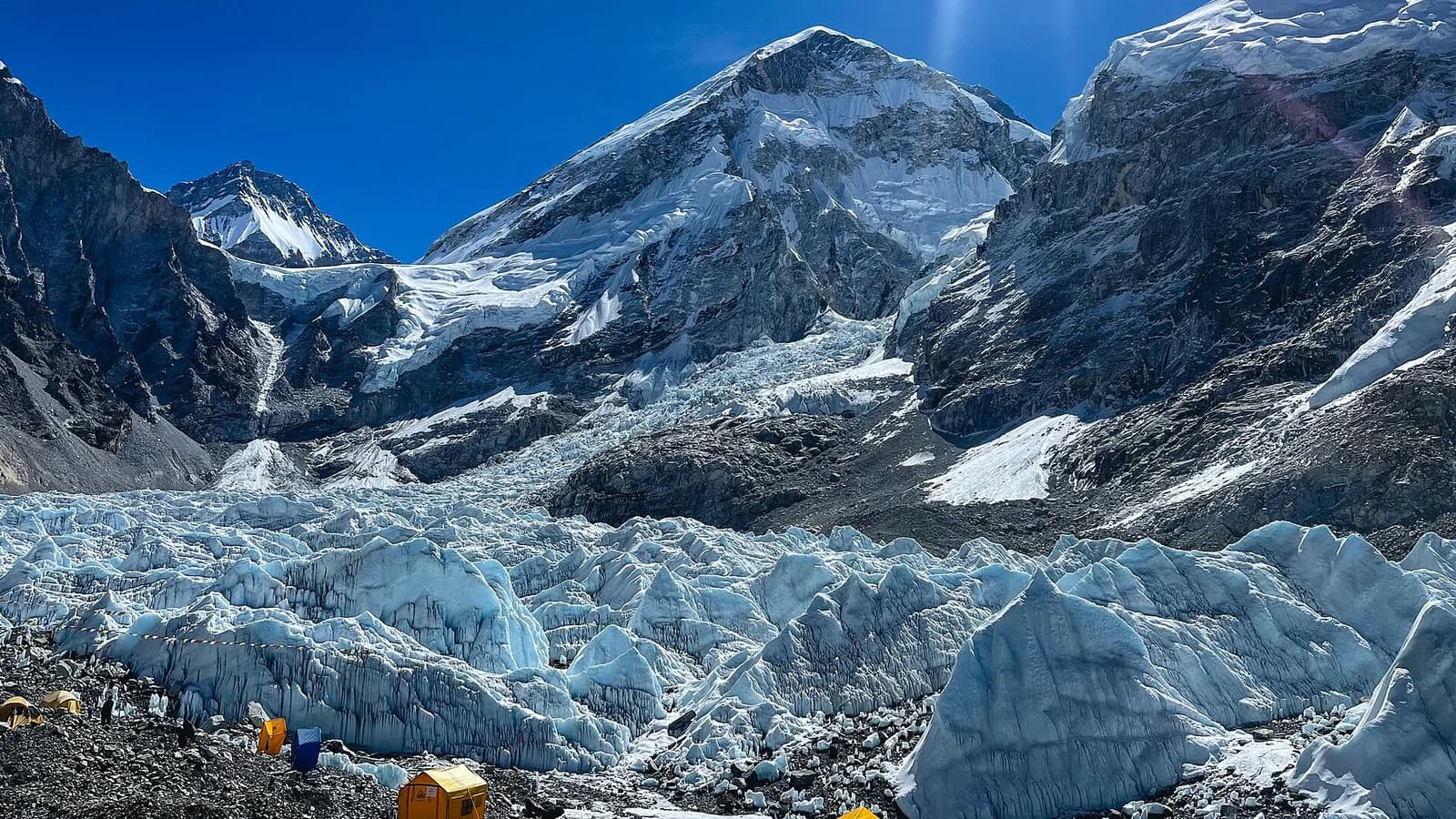
If you have followed Himalayan mountaineering news lately, you have probably seen headlines about an Everest 7000m peak requirement — a proposed rule that would force would-be Everest climbers to first summit a 7,000-metre mountain inside Nepal before they are handed a permit for the world's highest peak. It is one of the most significant changes Nepal has floated for Everest in years, and it has sparked a lively debate among guides, operators and climbers.
This guide explains, in plain language, what the requirement actually says, where it stands legally as of mid-2026, which peaks might qualify, and what the practical and financial consequences could be. We stick to verified facts from reputable reporting and stamp anything that involves a fee with its date, because the details here are genuinely in flux.
Key takeaways
- The rule would only grant an Everest permit to climbers who prove a prior summit of a peak above 7,000 m located in Nepal.
- It is not yet law. Nepal's upper house passed the bill on 9 February 2026, but lower-house approval and presidential sign-off are still pending (as of June 2026).
- It did not apply to the spring 2026 season and the timeline beyond that depends on Nepal's post-election legislative process.
- As drafted, peaks outside Nepal and peaks under 7,000 m (including Ama Dablam at 6,812 m) would not count.
- It is a separate measure from the USD 15,000 spring permit fee, which has been in force since 1 September 2025.
- Operators broadly back the goal of safer, more experienced climbers but are pushing back on the specifics.
What the requirement actually says
The requirement sits inside Nepal's draft Integrated Tourism Bill. The core sentence is straightforward: a permit to climb Mount Everest would be issued only after an applicant provides proof of having previously summited at least one mountain higher than 7,000 metres in Nepal.
Two words in that sentence carry most of the weight. The first is "7,000 metres" — a deliberately high bar that sits well above the 6,000-metre peaks many climbers use as warm-ups. The second is "in Nepal", which restricts qualifying experience to peaks inside the country's own borders rather than accepting an equivalent climb anywhere in the world.
To verify a climb, an applicant would submit a summit certificate to be authenticated by Nepal's Department of Tourism. In other words, it is not enough to claim a summit; the paperwork has to check out.
It is part of a bigger package
The 7,000-metre rule does not travel alone. The same draft bill bundles in several other tightening measures that, taken together, signal Nepal's intent to professionalise Everest expeditions:
- A recent medical certificate for every member of a climbing team, issued within the previous month by an approved institution.
- A detailed mountaineering plan submitted to the Department of Tourism as part of the permit application.
- Provisions covering expedition staffing, refunds in extraordinary circumstances, and how a climber is formally declared dead on the mountain.
If you are budgeting for a summit attempt, it is worth reading our companion pieces on the Everest expedition cost and how much it costs to climb Mount Everest, since a mandatory qualifying climb would add a whole separate expedition to the bill.
Where the rule stands legally (mid-2026)
This is the part that trips up a lot of coverage, so it is worth being precise. The 7,000-metre requirement is not yet law.
Nepal's legislative path for this bill runs through several stages, and only one has been cleared so far:
| Stage | Status (as of June 2026) | | --- | --- | | Registered in the upper house | Done (April 2025) | | Passed by the National Assembly (upper house) | Done — 9 February 2026 | | Approved by the House of Representatives (lower house) | Pending | | Returned to the National Assembly, then presidential authentication | Pending |
Because the lower house was tied up with elections held in early March 2026, the bill's progress has been linked to the new House of Representatives taking it up. Officials have estimated the full remaining process could take at least three months once it resumes, and new laws in Nepal typically allow a grace period before enforcement begins.
The practical upshot: the rule did not apply to the spring 2026 climbing season, and exactly when — or in what final form — it takes effect remains uncertain. Veteran Everest chronicler Alan Arnette has also pointed out a cautionary precedent: a broadly similar idea in the mid-1990s, requiring a 6,000-metre climb first, was rolled back after operators protested. History suggests the text could still change before any law is signed.
Which peaks would qualify?
Assuming the rule passes as written, the qualifying climb must be a Nepali peak above 7,000 metres. Nepal is unusually rich in this altitude band — there are dozens of peaks (including sub-peaks) between 7,000 m and 7,999 m — so climbers would not be short of options. The names that come up most often in reporting are:
| Peak | Approx. height | Notes | | --- | --- | --- | | Putha Hiunchuli | ~7,246 m | Often cited as an accessible 7,000er | | Baruntse | ~7,129 m | Popular Everest preparation climb | | Himlung Himal | ~7,126 m | Frequently used as a high-altitude warm-up |
These are illustrative, not an official list — any peak clearing 7,000 metres in Nepal would, in principle, satisfy the rule.
Why Ama Dablam is the flashpoint
The single most discussed gap is Ama Dablam. At 6,812 m it is one of the most respected technical training climbs in the Khumbu, and many guides consider it better preparation for Everest than some easier 7,000-metre walk-ups. Yet because it sits just under the 7,000-metre line, a strict reading of the rule would not count it. Lobbying to recognise Ama Dablam — on the grounds of its difficulty and training value — is one of the most common requests from the climbing community. If you are curious about the mountain itself, see our overview of the Ama Dablam climb.
The "any 7,000er worldwide" debate
The other major objection is the "in Nepal" restriction. International operators argue that high-altitude experience is high-altitude experience wherever it was earned, and that the rule should recognise qualifying peaks anywhere in the world. Some have gone further, suggesting that a peak around 6,500 metres anywhere would be a more practical benchmark than a hard 7,000-metre line drawn only inside Nepal. Critics also note, fairly, that a Nepal-only rule keeps that preparatory revenue inside the country — a point supporters frame as a feature rather than a flaw. For a sense of how many candidate peaks Nepal offers, our guide to the mountains in Nepal is a useful starting point.
Why Nepal wants this
The stated motivation is safety. For years, observers have raised concerns about crowding in the upper reaches of Everest, climbers arriving with thin résumés, and the steady toll of accidents and avoidable medical emergencies. Requiring a genuine 7,000-metre summit first is meant to filter out the least-prepared applicants before they ever reach Base Camp.
It is not the only Everest reform moving in parallel. Nepal already raised the foreigner spring permit royalty to USD 15,000 per climber (up from USD 11,000) on 1 September 2025, shortened permit validity, and tightened guide ratios for the highest peaks. Together these measures point to a clear direction of travel: fewer, better-prepared, better-supported climbers paying more for the privilege. To understand the human stakes that drive these reforms, see our pieces on the Everest summit success rate, how many people die on Everest and the brutal physiology of the Everest death zone.
What it could mean for climbers
If the rule becomes law in its current form, the most obvious effect is time and money. A separate 7,000-metre expedition is not a weekend outing — it is its own multi-week trip with its own permit, logistics and costs. That pushes the realistic preparation timeline for Everest out by at least a season for many climbers and adds a substantial line item to an already expensive goal.
A few practical implications worth keeping in mind:
- Plan a year or more ahead. Slotting in a qualifying 7,000er means sequencing two big expeditions, not one.
- Keep your paperwork. A summit certificate from a Nepali 7,000-metre peak would become a gatekeeping document, so secure and store it carefully.
- Watch the final text. Whether Ama Dablam, foreign peaks, or a lower threshold get recognised will materially change who qualifies — none of that is settled yet.
- Separate the rules in your budgeting. The permit fee is live now; the qualifying rule is not. Do not conflate the two when planning.
For the lower-altitude crowd, none of this touches the trek to Base Camp. If your goal is the walk rather than the summit, the Everest Base Camp trek cost and the general Nepal trekking permits guide are far more relevant than any 8,000-metre rulebook.
The bottom line
The Everest 7,000m peak requirement is a serious, well-intentioned attempt to make the world's highest mountain safer by demanding proven experience before issuing a permit. But as of June 2026 it is a draft provision, not an enforced law: it cleared Nepal's upper house in February 2026 and still needs the lower house and the president before it counts. The exact threshold, whether foreign peaks or Ama Dablam will be recognised, and the eventual start date all remain open questions. If you are planning an Everest attempt, treat the rule as a strong signal of where Nepal is heading — and watch the final legislation closely before you lock in your preparation climbs.
Sources
- New Everest Regulations: You Must Climb a 7,000m Peak in Nepal First — Explorersweb
- Nepal Passes New Bill That Would Make Climbing Everest Harder — Outside
- Upper house passes tourism bill with tougher Everest rules — The Kathmandu Post
- Everest just became more expensive and unattractive to some — Alan Arnette
- New Everest permit fee of $15,000 takes effect — The Kathmandu Post
- Climbing Mount Everest may get even harder — National Geographic
Frequently asked questions
- What is the Everest 7000m peak requirement?
- It is a rule in Nepal's draft Integrated Tourism Bill that would only issue a Mount Everest climbing permit to applicants who can prove they have already summited at least one peak above 7,000 metres located in Nepal. It is meant to keep underprepared climbers off the mountain.
- Is the 7000m rule in force right now?
- No. As of June 2026 it is not yet law. Nepal's National Assembly (upper house) passed the bill on 9 February 2026, but it still needs approval from the House of Representatives and presidential authentication before it can take effect, so it did not apply to the spring 2026 season.
- Does climbing a 7000m peak outside Nepal count?
- As written, no. The draft text specifies a peak above 7,000 metres in Nepal, which would exclude well-known high peaks abroad such as Denali or Aconcagua. Many operators are lobbying for any 7,000-metre peak worldwide to count, but that change is not guaranteed.
- Does Ama Dablam qualify under the proposed rule?
- Not as written. Ama Dablam is 6,812 metres, just under the 7,000-metre line, so despite being a respected technical training climb it would not satisfy a strict reading of the rule. Recognising it is one of the changes operators have asked for.
- Which Nepali peaks could be used to qualify?
- Commonly cited options include Himlung Himal at about 7,126 metres, Baruntse at about 7,129 metres and Putha Hiunchuli at about 7,246 metres. Nepal has dozens of peaks in the 7,000 to 7,999 metre band, so climbers would have several routes to meet the requirement.
- Why is Nepal introducing this rule?
- Officials say it is aimed at reducing crowding, accidents and preventable deaths by ensuring Everest applicants have genuine high-altitude experience first. Critics note it would also channel more expedition revenue to Nepali peaks and operators.
- How does this relate to the new $15,000 Everest permit fee?
- They are separate measures. The higher spring permit royalty of USD 15,000 took effect on 1 September 2025 and is already in force. The 7,000-metre qualifying rule is part of a different draft bill that has not yet become law (as of June 2026).
Related posts
Ama Dablam Climb: 2026 Expedition Guide (6,812m)
An Ama Dablam climb and expedition guide for 2026 — height, the Southwest Ridge route, camps, fixed ropes, difficulty, permits, cost and the best seasons.
Read postCho Oyu Expedition: 8,188m Guide for 2026
A Cho Oyu expedition guide for 2026 — height, the Tibet normal route, why it's the easiest 8000m peak, CTMA rules, permits, seasons and how hard it really is.
Read postEverest Deaths 2025: What the Season Actually Showed
Everest deaths 2025 totalled five — down from 2024 and 2023. The verified facts: who died, the season numbers, weather, drones, and what changed.
Read post