Best Time for Everest Base Camp Trek: Month Guide
The best time for the Everest Base Camp trek is spring and autumn. Here is how each month stacks up for weather, views, crowds and Lukla flights.
Pick the month before you pick the flight — on the Everest trail, timing decides almost everything.
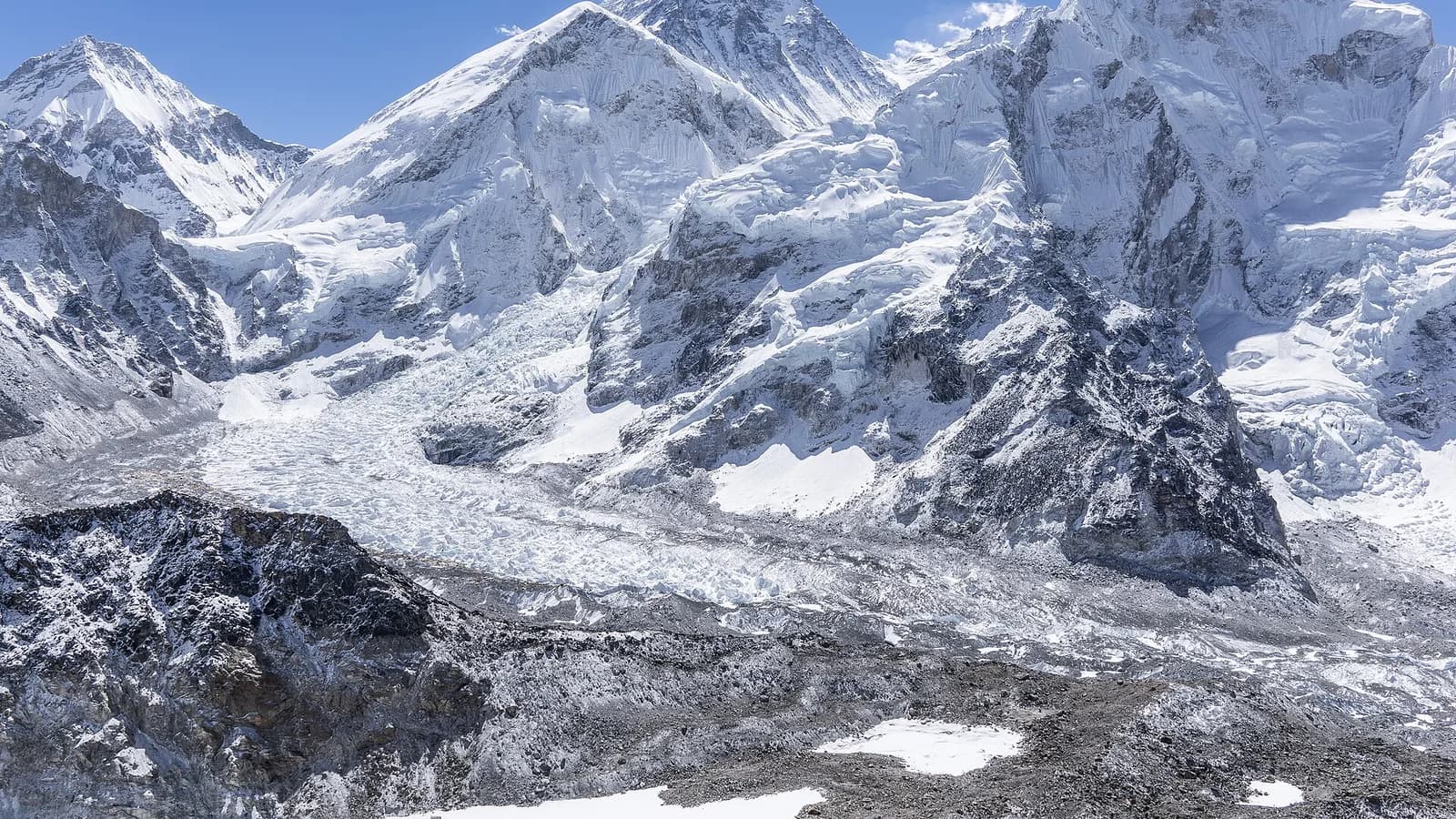
If you only get one decision right when planning this trip, make it the calendar. The best time for the Everest Base Camp trek is the post-monsoon autumn (roughly late September to November) and the spring (March to May) — two windows where the sky behaves, the trail is walkable, and the famous Himalayan views actually show up. Get the month right and the rest of the trek is mostly logistics. Get it wrong and you can spend two weeks staring at cloud, or fighting frozen trails far above your comfort zone.
This guide breaks the year down month by month: what the weather does, how good the views are, how busy the trail gets, and how your choice affects the notoriously fickle Lukla flight. Temperatures below are typical seasonal ranges drawn from established trekking sources (linked at the end); mountain weather varies year to year, so treat them as a guide, not a promise.
Key takeaways
- Autumn (late Sep–Nov) and spring (Mar–May) are the two prime seasons; everything else is a trade-off.
- October is the most reliable month for clear skies and crisp views — and therefore the most crowded.
- Spring runs slightly warmer with rhododendron blooms lower down and Everest expedition teams at Base Camp in April–May.
- Monsoon (Jun–Aug) brings rain, cloud, leeches and more flight cancellations; winter (Dec–Feb) is clear but bitterly cold and partly snowbound.
- In peak seasons, Lukla flights often shift to Manthali (Ramechhap), a 4–5 hour drive from Kathmandu — plan for it.
- Weather is never guaranteed: an out-of-season cyclone hit the Khumbu in late October 2025, so always keep buffer days and good insurance.
The two prime seasons at a glance
Both prime seasons share the same headline: relatively stable weather and clear air. The differences are in temperature, scenery and crowd patterns.
| Season | Months | Sky and weather | Crowds | Signature feature | |---|---|---|---|---| | Autumn | Late Sep – Nov | Most stable, clearest post-monsoon air | High (peaks in Oct) | Sharpest mountain views | | Spring | Mar – May | Clear but slightly hazier later on | High but a touch lighter | Rhododendron blooms, climbing season | | Monsoon | Jun – Aug | Cloud, rain, frequent flight delays | Low | Green lower valleys | | Winter | Dec – Feb | Often crystal clear, very cold | Low | Snow scenery, empty trails |
Why autumn wins for most people
After the summer monsoon clears out, the atmosphere is washed clean and visibility is at its best. Daytime temperatures lower down are comfortable — around 10–15 C in the lower villages — while higher up it stays cold but manageable, and nights drop below freezing. This is the window most first-time trekkers should aim for if clear views of Everest, Lhotse and Ama Dablam are the priority. The catch is company: autumn, and October especially, is the busiest stretch of the year on the trail and in the teahouses.
Why spring is a strong second choice
Spring warms up gradually and brings one of the trail's great spectacles — rhododendron forests bursting into pink and red between Lukla and Tengboche. It is also the Everest climbing season, so in April and May you may share the upper trail with expedition teams heading for the summit and see the tent city at Base Camp itself. Skies are generally clear early in the season, though haze can build at lower elevations as it heads toward the pre-monsoon weeks of late May.
Month-by-month breakdown
March
Spring is waking up. Lower trails are pleasant by day, higher camps are still cold, and the first rhododendrons appear lower down. Crowds are building but not yet at the autumn peak — a good choice if you want spring conditions with slightly fewer people.
April
Arguably the best of spring. Rhododendrons are in full display, days are warmer, and Base Camp fills with climbing expeditions preparing for summit attempts. Views are reliably good. Around Namche Bazaar (3,440 m), daytime temperatures commonly sit in the single digits up to mid-teens Celsius, while Gorak Shep evenings can run to roughly minus 4 to minus 8 C.
May
The warmest of the trekking months and the tail end of the climbing season. Lower villages such as Lukla and Phakding can feel almost balmy (mid-to-high teens Celsius), while the area near Base Camp still tops out only a few degrees above freezing and drops below it at night. The trade-off is gradually increasing haze and humidity as the monsoon approaches.
June to August (monsoon)
The weakest window. Rain peaks in July and August, lower regions get the heaviest downpours, trails turn slick and leech-prone, and clouds hide the peaks on most days. Lukla flight delays and cancellations are at their most common because the airport relies entirely on clear visibility. Some hardy trekkers still go for the green, quiet, off-peak feel — and the Khumbu's higher reaches sit in a partial rain shadow — but views are a gamble.
September
The shoulder into autumn. Early September can still carry monsoon moisture, but by late month the skies usually clear and trekking conditions become excellent. Expect pleasant figures like the low 20s Celsius by day in Lukla, mid-teens in Namche, and single digits dropping below freezing up at Gorak Shep.
October
The headline month. Post-monsoon clarity is at its peak, the weather is at its most settled, and the mountain views are as sharp as they get. Daytime readings might run around the mid-teens Celsius in Lukla, low teens in Namche, and from a few degrees above freezing down to roughly minus 9 C at Gorak Shep. The price of all this is crowds: October is the single busiest month, so book ahead and expect full teahouses.
November
The quieter half of autumn keeps much of October's clarity while temperatures begin to slide toward winter, especially at night. Trails thin out compared with October, making it a favourite for trekkers who want great views with a little more breathing room. Bring warmer layers for the high camps.
December to February (winter)
Clear, beautiful and cold. Winter skies are often crystal sharp with superb Himalayan vistas, and the trails are blissfully quiet. The catch is the cold: in December the Base Camp area can swing from a few degrees above freezing by day to around minus 14 C at night, and deeper winter is harsher still, with high sections potentially snowed in. Teahouses stay open but some high lodges may be limited. Winter suits experienced, well-equipped trekkers — read our altitude sickness guide before attempting the high camps in any season, but especially this one.
How timing changes your Lukla flight
The trek begins and ends with a short flight to Lukla's Tenzing-Hillary Airport, one of the most weather-dependent airports anywhere. Pilots fly by sight only, so flights run in the morning before cloud builds, and they are far more prone to delay and cancellation during the monsoon and deep winter.
There is a second wrinkle that catches many trekkers off guard. In the busy spring and autumn seasons, Nepal's aviation authority frequently moves Lukla operations away from Kathmandu's main airport to Manthali Airport in Ramechhap, a road transfer of roughly four to five hours from the capital, to ease congestion and cut delays. Whether you fly from Kathmandu or Ramechhap depends on the season and the year, so always confirm your departure point with your operator. Whichever month you choose, never book a tight onward connection out of Nepal — keep a spare day at the end. For the bigger picture on getting in and out, see our Everest Base Camp trek itinerary.
Crowds, cost and booking by season
Your timing affects more than the weather. Peak months mean busier trails, fuller teahouses and tighter availability for flights and guides.
- October: maximum demand. Reserve flights, a guide and your key overnight stops well in advance, and accept that popular teahouses fill up.
- Spring (Apr–May) and the rest of autumn: busy but generally easier to arrange than peak October.
- Monsoon and winter: the quietest and often the cheapest, with the most room to find a bed on arrival — at the cost of weather risk or extreme cold.
For the money side, our Everest Base Camp trek cost guide and permits guide cover the fees and budgeting in detail, and a few words of Nepali go a long way in the lodges — start with these trekking phrases.
When prime season still goes wrong
Picking October or April stacks the odds in your favour, but it guarantees nothing. In late October 2025 — supposedly the safest, clearest week of the year — Cyclone Montha pushed unseasonable heavy snow into the Khumbu, stranding well over a thousand trekkers and forcing large rescue operations, as reported by CNN and others. It is a sharp reminder that high-altitude weather can flip in hours in any month.
The practical takeaways are the same whatever season you choose: build in buffer days, carry layers for cold you do not expect, take out trekking insurance that covers high-altitude rescue, and listen to your guide when conditions turn. For broader seasonal context across the country, our Nepal weather by month overview puts the Everest window in perspective, and if you are weighing alternatives, the Everest vs Annapurna Base Camp comparison is a useful next read.
Sources
- Best Time for Everest Base Camp Trek — Nepal Hiking Team
- Everest Base Camp Temperature and Monthly Weather Guide — Ian Taylor Trekking
- Everest Base Camp Temperature by Month — Epic Trek Nepal
- Everest Base Camp Trek in December and January — Discover Altitude
- Ramechhap–Lukla Flights Resume for Trekking Season — Tourism Info Nepal
- Lukla Flight Guide for Trekkers — Nepal Guide Trekking
- Cyclone Montha snowfall halts Everest tourism — CNN (Oct 2025)
Frequently asked questions
- What is the overall best time for the Everest Base Camp trek?
- Late September to November and March to May are the two prime windows. Autumn brings the most stable, clear post-monsoon skies, while spring is slightly warmer with blooming rhododendrons lower down.
- Which single month is best for clear mountain views?
- October is the most reliable for clear, settled weather and sharp Himalayan views, which is exactly why it is also the busiest month on the trail.
- Can you trek to Everest Base Camp in winter?
- Yes, December through February is possible for well-prepared trekkers. Skies are often crystal clear but nights are brutally cold and high sections can be snowed in, so it suits experienced walkers with proper gear.
- Is it a bad idea to trek during the monsoon?
- June to August is the weakest window. Trails are wet and slippery, leeches appear lower down, clouds hide the peaks most days, and Lukla flights are cancelled more often.
- How cold does it get at night near Base Camp?
- At Gorak Shep around 5,180 m, nighttime lows often sit well below freezing even in the main seasons, and can fall to roughly minus 14 C or colder in December. Water bottles freezing overnight is normal.
- Do Everest flights really leave from Ramechhap instead of Kathmandu?
- In the busy spring and autumn seasons, authorities often shift Lukla flights to Manthali Airport in Ramechhap, around a four to five hour drive from Kathmandu. Confirm your departure point with your operator before you travel.
- How far ahead should I book for October?
- Because October is the single busiest month, book flights, guides and key teahouses well in advance, and build at least one buffer day into your plan for weather delays.
- Is the weather ever guaranteed in peak season?
- No. In late October 2025 an out-of-season cyclone dumped heavy snow on the Khumbu and stranded many trekkers, a reminder that even prime months can turn dangerous quickly.
Related posts
Best Season to Trek in Nepal: A Trekker's Calendar
The best season to trek in Nepal is autumn or spring — but the right month depends on your route, altitude, and tolerance for crowds. Here is the full breakdown.
Read postBest Time to Visit Langtang: A Season-by-Season Guide
The best time to visit Langtang is autumn and spring. Here is how each season looks for weather, views, crowds and the landslide-prone road to Syabrubesi.
Read postMonsoon Season in Nepal: A Traveller's Honest Guide
When the monsoon season hits Nepal, what the rain really means for trekking and travel, and the rain-shadow regions that stay dry from June to September.
Read post