Everest Expedition Cost 2026: A Buyer's Guide to the Quote
Everest expedition cost in 2026 — how to read an operator quote, what drives the price, season and route differences, deposits, and what's excluded.
Two operators quote the same mountain at $38,000 and $115,000. The gap isn't the view — it's the oxygen, the Sherpas, and the safety margin.
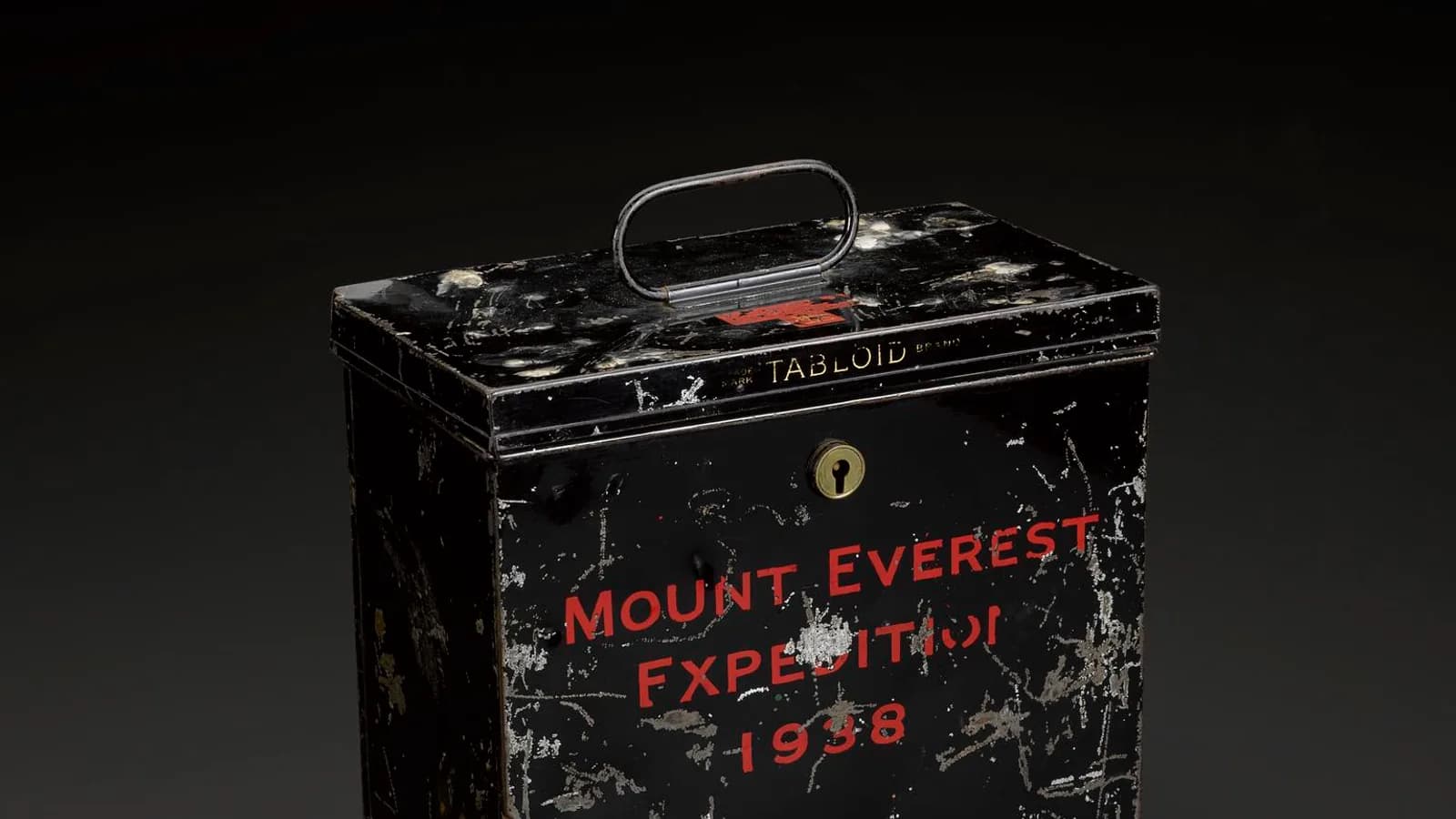
The phrase Everest expedition cost hides a trap: there is no single price, and two reputable companies can quote the same summit at figures USD 70,000 apart without either of them being dishonest. The difference is buried in the inclusions — how much oxygen, how many Sherpas per climber, how comfortable the base camp, how big the safety margin. This guide is written to help you read a quote rather than just receive one.
If you have already seen our companion piece on how much it costs to climb Everest, think of this as the buyer's-guide sequel: less about the headline numbers, more about what actually moves them, how operators structure their pricing and deposits, and how to compare two quotes fairly. As ever, this concerns summiting the mountain — a different financial universe from the Everest Base Camp trek, which costs a small fraction of any figure on this page.
Key takeaways
- The 2026 average expedition runs near USD 61,000 and the median near USD 55,000, with most climbers paying USD 40,000–80,000 on the Nepal side (as of February 2026).
- Price is driven by guide type, Sherpa ratio, oxygen allowance, base-camp comfort and safety margin — not the mountain itself.
- The USD 15,000 spring permit (since 1 Sep 2025) is a fixed floor every operator passes on.
- A low headline price usually means a long exclusions list — compare quotes on inclusions.
- Expect a non-refundable deposit of several thousand dollars and a staged payment schedule; get the cancellation policy in writing.
What the market actually charges in 2026
Before dissecting a quote, anchor yourself to the going rate. Independent tracking and operator price lists for 2026 cluster tightly enough to give reliable reference points.
| Measure | 2026 figure (Nepal side) | |---|---| | Average expedition | ~USD 61,000 | | Median expedition | ~USD 55,000 | | Common range | USD 40,000–80,000 | | Budget floor | ~USD 30,000 | | Ultra-luxury ceiling | USD 200,000–300,000+ |
Veteran chronicler Alan Arnette's 2026 survey breaks the median down by operator type: roughly USD 45,000 for Nepalese operators, USD 54,000 for international operators using Sherpa guides, and USD 76,000 for international operators using Western guides. The Tibet (north) side runs higher still, with an international-operator median near USD 90,000. Keep these in mind as a ruler: a quote should be explainable against them, and a wild outlier in either direction deserves scrutiny.
What drives the price up or down
Strip away the marketing and almost every dollar of difference between quotes traces to five levers.
1. Guide type
A Sherpa-led expedition sits well below a Western-guided one, and the gap is structural, not cosmetic. The Sherpa team does the high-altitude work — fixing camps, carrying oxygen, breaking trail — on every kind of trip. Paying extra for a Western or IFMGA-certified lead guide buys a particular style of oversight and communication, which some climbers value and others do not need.
2. Sherpa-to-client ratio
A dedicated personal Sherpa costs USD 5,000–10,000 and is frequently the deciding factor between a summit and a turnaround. Budget packages share Sherpa support across clients; premium ones assign one each. This single ratio is the clearest dividing line between the tiers.
3. Oxygen allowance
A typical summit push consumes four to six bottles of supplemental oxygen at around USD 650 a bottle, plus a mask-and-regulator set near USD 1,100. Premium packages bundle more bottles as a safety buffer; budget ones supply the minimum. Running short of oxygen high on the mountain is a survival problem, so this is a line to read carefully rather than optimise away.
4. Base-camp comfort and logistics
Heated dining domes, better food, reliable communications and a larger support staff all cost money and all appear at the premium end. They do not get you up the mountain, but over six to nine weeks at altitude they affect recovery, morale and the energy you bring to the summit window.
5. Safety margin
Weather forecasting, contingency oxygen, rescue arrangements and staffing depth are the least visible and most important differences. The cheapest tier tends to trim them first. This is why a quote far below market is not simply a "bargain" — it is usually a different risk profile.
How to read an operator quote
The headline figure is the least informative part of a quote. What matters is the inclusions table beneath it. Run any quote through these checks.
What is included?
A reasonable full-service package usually covers:
- The climbing permit (USD 15,000 for spring).
- Base-camp food and accommodation for the duration.
- Group climbing equipment — fixed ropes, ladders, shared infrastructure.
- A defined level of Sherpa support.
- A set number of oxygen bottles.
What is excluded?
The exclusions are where budgets blow out. Watch for:
- International flights and the Nepal visa.
- Insurance covering high-altitude climbing and helicopter rescue.
- Personal climbing gear — boots, down suit, harness, crampons.
- Extra oxygen beyond the allowance.
- Summit bonuses and tips — commonly USD 1,000–5,000 in total.
- Extra hotel nights in Kathmandu around weather delays.
A two-line "what's not included" section attached to a suspiciously low price is the oldest trick in expedition pricing. Always compare quotes on the inclusions, never on the total alone.
Season and route: how they change the number
The season changes the cost mainly through the permit, and the route changes it through access and operator density.
| Variable | Effect on cost | |---|---| | Spring (Mar–May), Nepal | USD 15,000 permit; most popular, best-supported, most operators | | Autumn (Sep–Nov), Nepal | USD 7,500 permit; quieter, fewer fixed-rope teams | | Winter / monsoon | USD 3,750 permit; rarely attempted commercially | | Tibet (north) side | Higher operator median (~USD 90,000); tighter access |
Despite the higher permit, spring on the Nepal south side is where most full-service packages are built, because the support infrastructure — fixed ropes, weather forecasting, rescue capacity — is densest then. A cheaper autumn permit rarely translates into a cheaper full expedition once thinner support is priced in.
Deposits, payments and cancellation
The money does not move in one lump. Understand the structure before you sign.
- Deposit: usually non-refundable and several thousand US dollars, taken to hold your place.
- Instalments: the balance is typically due in stages over the months before departure.
- Cancellation policy: terms vary enormously — some refund little once you commit, given the fixed costs operators incur early.
Because operators lock in permits, Sherpa contracts and logistics far in advance, their cancellation terms are often strict. Get the full payment schedule and refund policy in writing, and make sure your insurance includes trip-cancellation cover suited to a high-value expedition.
Budgeting beyond the package
The package is the biggest cost, not the only one. A realistic total budget also carries:
- Gear you do not already own — potentially a four-figure sum for a first attempt.
- Specialist insurance — from a few hundred to over a thousand US dollars; standard travel policies exclude climbing above 6,000 m and helicopter rescue, as our trekking insurance and helicopter evacuation guide explains.
- Training and prerequisite climbs — Nepal increasingly expects prior high-altitude experience.
- A contingency of several thousand US dollars for extra oxygen, delays and the unexpected.
It also pays to arrive acclimatisation-literate. The reason expeditions run six to nine weeks rather than two is the slow, non-negotiable adaptation to altitude described in our altitude sickness guide, and a handful of Nepali trail phrases go a long way with the team around you. Many climbers also build fitness and altitude exposure on the Base Camp trek itinerary before ever committing to a summit bid.
Choosing an operator without overpaying
The goal is not the cheapest quote or the most expensive — it is the right configuration for your experience at a fair, explainable price.
- Benchmark every quote against the 2026 medians above; ask an outlier to justify itself.
- Prefer a reputable Sherpa-led operator if budget matters — the Sherpa team does the high work regardless of who leads.
- Match the tier to your experience: a strong, experienced climber can share support; a first-timer should not skimp on it.
- Never economise on oxygen, Sherpa ratio or insurance — these three buy survival margin, not luxury.
The bottom line
The Everest expedition cost in 2026 is best understood not as a price but as a configuration: a fixed USD 15,000 permit, plus a stack of choices about guides, Sherpas, oxygen, comfort and safety that move the total anywhere from USD 30,000 to well past USD 200,000. Most well-supported climbers land in the USD 40,000–80,000 band. Read the inclusions, benchmark against the market medians, get the payment terms in writing, and remember that the cheapest quote and the safest quote are rarely the same line on the page.
Sources
- Alan Arnette — How Much Does It Cost To Climb Everest? 2026 Edition: https://www.alanarnette.com/blog/2026/02/03/how-much-does-it-cost-to-climb-everest-2026-edition/
- Climbing.com — How Much Does it Cost to Climb Everest in 2026?: https://www.climbing.com/travel/how-much-does-it-cost-to-climb-everest-in-2026/
- Kathmandu Post — New Everest permit fee of $15,000 takes effect (2 Sep 2025): https://kathmandupost.com/money/2025/09/02/new-everest-permit-fee-of-15-000-takes-effect
- Mnteverest.net — Mount Everest Costs 2026, Complete Price Breakdown: https://www.mnteverest.net/costs/
- Peace Nepal Treks — Everest Expedition Cost Breakdown: What You Actually Pay in 2026: https://www.peacenepaltreks.com/blog/everest-expedition-cost-breakdown-what-you-actually-pay
Frequently asked questions
- What is the average Everest expedition cost in 2026?
- Aggregated 2026 data puts the average fully supported expedition near USD 61,000 and the median around USD 55,000. Most climbers pay between USD 40,000 and 80,000 on the Nepal side, with budget trips from about USD 30,000 and ultra-luxury services above USD 200,000. Treat these as guide figures and confirm the live quote with your operator (as of February 2026).
- Why do Everest expedition quotes vary so much?
- The biggest drivers are the guide type, Sherpa ratio, oxygen allowance, base-camp comfort and safety margin. A Sherpa-led standard trip sits well below a Western-guided premium one, and a luxury package with private guides, extra oxygen and heated domes sits far above both. The mountain and permit are the same; the support and risk buffer are what you are actually paying for.
- How much deposit do Everest operators require?
- Most operators take a non-refundable deposit to secure a place, commonly several thousand US dollars, with the balance due in stages before the expedition starts. Exact deposit amounts, instalment dates and cancellation terms vary widely, so get the full payment schedule and refund policy in writing before you commit.
- What is usually excluded from an Everest expedition cost?
- Common exclusions are international flights, Nepal visa, travel and high-altitude rescue insurance, personal climbing gear, extra oxygen beyond the allowance, summit bonuses and tips, and extra hotel nights caused by weather delays. A low headline price often signals a long exclusions list, so compare quotes on what is included, not just the total.
- Is a cheaper Everest expedition more dangerous?
- Not automatically, but the cheapest tier usually trims the things that build safety margin — oxygen bottles, Sherpa-to-client ratio, weather forecasting and rescue arrangements. A reputable budget operator can be perfectly sound, but a quote far below the market range should prompt detailed questions about oxygen, support ratios and what happens if you need rescue.
- Does the season change the expedition cost?
- Yes, mainly through the permit. Spring on the Nepal south route carries the USD 15,000 royalty, while autumn is USD 7,500 and winter or monsoon USD 3,750. Spring is by far the most popular and best-supported window, so most full-service packages are built around it despite the higher permit (as of June 2026).
- How far ahead should I book and budget for Everest?
- Serious climbers typically commit a year or more ahead to secure a place, lock a price and complete prerequisite climbs. Budget early too: beyond the package you will need money for gear, insurance, flights, training trips and a contingency of several thousand US dollars for extras and delays.
- Can I pay less by skipping a personal Sherpa or extra oxygen?
- You can, and it lowers the price, but both are core safety items at extreme altitude. Sharing Sherpa support or carrying fewer oxygen bottles is reasonable only if your experience and acclimatisation genuinely support it. Discuss the trade-off honestly with your operator rather than choosing the cheapest configuration by default.
Related posts
How Much Does It Cost to Climb Mount Everest? (2026)
How much it costs to climb Mount Everest in 2026 — the US$15,000 permit, full-expedition price tiers, Sherpa and oxygen costs, and the hidden extras.
Read postAma Dablam Climb: 2026 Expedition Guide (6,812m)
An Ama Dablam climb and expedition guide for 2026 — height, the Southwest Ridge route, camps, fixed ropes, difficulty, permits, cost and the best seasons.
Read postCho Oyu Expedition: 8,188m Guide for 2026
A Cho Oyu expedition guide for 2026 — height, the Tibet normal route, why it's the easiest 8000m peak, CTMA rules, permits, seasons and how hard it really is.
Read post