Slow Travel Nepal: A Calmer Way to See the Country
A practical guide to slow travel in Nepal — fewer destinations, longer stays, village homestays and overland routes that go deeper and tread lighter.
Nepal rewards the traveller who stays an extra night, not the one who leaves at dawn.
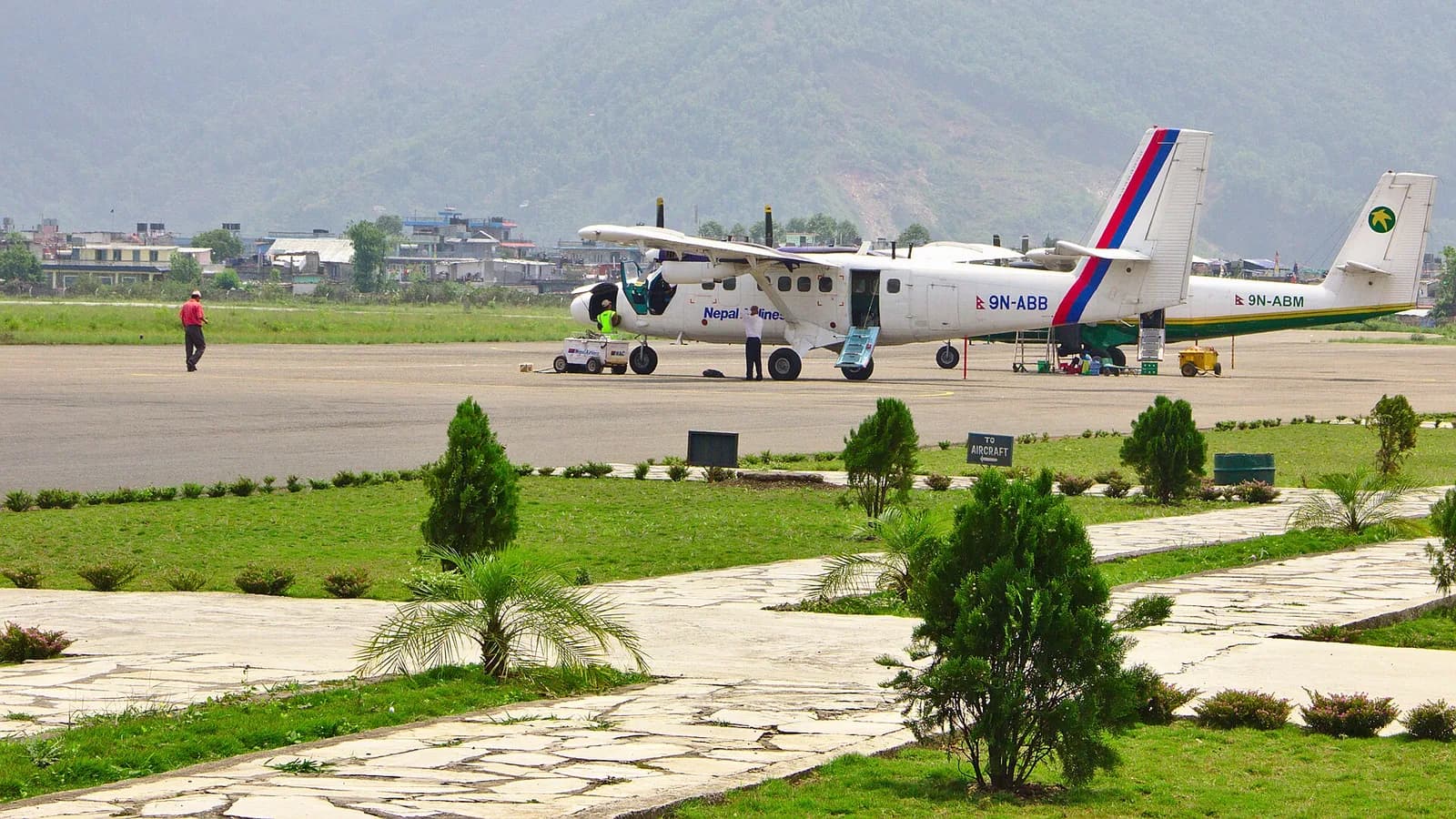
Nepal is usually sold as a country to conquer: a base camp to reach, a circuit to complete, a sunrise to catch before the bus leaves at six. Slow travel in Nepal flips that script. Instead of racing between headline sights, you pick a handful of places, stay long enough to learn their rhythm, and let the journey between them be part of the trip rather than dead time. The reward is a country that opens up — the second cup of tea, the festival you only saw because you stayed an extra night, the family that starts treating you less like a guest and more like a temporary neighbour.
This guide explains what slow travel actually means in a Nepali context, where to do it, how to move between places without flying everywhere, and how to keep your money in the communities you pass through.
Key takeaways
- Slow travel means depth over distance — fewer destinations, longer stays, and travelling overland where you can.
- Nepal allows tourists up to 150 days of stay per calendar year, so there is room to take your time.
- Community homestays are the heart of slow travel here, and demand for them is rising fast.
- Most slow-travel choices are cheaper, not pricier — buses beat flights, dal bhat beats imported menus.
- Foreign trekkers generally need a licensed guide on protected routes since April 2023, but town-and-valley slow travel stays independent.
- Slow travel tends to tread lighter: fewer flights and transfers, more money kept local.
What slow travel actually means
Slow travel is a simple idea dressed up in a fashionable name. It prioritises depth, presence and connection over speed and volume — staying longer, moving less, and engaging more deeply with a place, its people and its environment (source: Art of the Travel; The Good Trade). Rather than visiting eight towns in ten days, you might visit three and actually remember them.
A few principles carry over directly to Nepal:
- Fewer places, longer stays. Three or four nights somewhere instead of one.
- Overland over air. Move through landscapes gradually instead of hopping over them.
- Local life over tourist bubbles. Spend time where people actually live, not only where they sell to visitors.
- Flexible plans. Leave gaps in the schedule so a good place can keep you.
This is not about being slow for its own sake, and it is not anti-trekking. You can absolutely walk to Annapurna Base Camp on a slow trip — you just build in acclimatisation days, rest days, and village nights instead of marching to a fixed deadline.
Why Nepal rewards going slow
Some countries are built for speed. Nepal is not. The roads are mountainous and the distances on a map lie — what looks like an hour can take four. Fighting that geography is exhausting; leaning into it is the whole pleasure.
There is also a cultural fit. Nepali hospitality runs on time spent, not transactions completed. The longer you linger, the more you are folded into daily life — invited to a kitchen, a temple, a wedding. The country's calendar is dense with festivals, from Dashain to Tihar, and the slow traveller is simply more likely to be in the right village when one happens.
Crucially, the infrastructure for this style now exists. International arrivals have nearly returned to pre-pandemic levels, and community-based tourism is booming alongside it: Nepal's Community Homestay Network reported a 332% increase in traveller participation in 2024 compared with 2022 (source: Travel And Tour World; Destination Stewardship Center). The beds, the networks and the welcome are all there.
Where to go slow
You do not need remote wilderness to slow down. Some of the best slow-travel bases in Nepal are easy to reach and built for staying put.
Bandipur — the car-free hill town
Perched on a ridge at around 1,030–1,050 m between Kathmandu and Pokhara, Bandipur is the obvious poster child. Motorised vehicles are banned from the village centre, so the main street is a cobbled, pedestrian promenade of restored Newari townhouses under a backdrop of the Annapurna range (source: The Longest Way Home; Ravenous Legs). Many travellers stop for a night and end up staying three. Our dedicated guide to car-free Bandipur covers how to get there and what to do once the day-trippers leave.
Panauti and the Kathmandu Valley's older towns
Just about 30–32 km southeast of Kathmandu, Panauti is a sleepy medieval town with a celebrated, women-led homestay programme that began in 2012 (source: Community Homestay Network; South China Morning Post). It pairs naturally with the valley's UNESCO-listed durbar squares — but slowly. Rather than cramming Bhaktapur, Patan and Kathmandu into one frantic day, give each its own morning.
Sirubari and the Gurung foothills
Sirubari, a Gurung village in Syangja sitting around 1,700 m, was a pioneer of organised community homestays in the late 1990s and remains one of the most rooted (source: Nepal Tourism Board; Holiday Nepal). It is the kind of place slow travel was invented for: you walk in, you stay with a family, and the village sets the pace.
Pokhara as a slow base
Lakeside Pokhara is usually treated as a launchpad for treks and adventure sports, but it is also a superb place to do nothing well — a few days of boating on Phewa Lake, early walks up to viewpoints, and lazy lakeside mornings before any onward trek.
Travelling slowly: the overland mindset
Slow travel and overland travel go hand in hand. The single most common itinerary in Nepal — Kathmandu to Pokhara — is also the easiest to do slowly and well.
Take the bus, not the plane
The tourist bus from Kathmandu to Pokhara is a slow-travel classic: a half-day journey along the Trishuli and Marsyangdi rivers, with a built-in stop at Bandipur if you plan it. It costs a fraction of a flight, and you actually see the country between the two cities instead of skipping over it. Our overview of Kathmandu–Pokhara transport options lays out the trade-offs.
Build in stops, not transfers
The art is to treat the route as a string of places, not a gap between two. A slow Kathmandu-to-Pokhara leg might look like this:
| Stage | Why stop | | --- | --- | | Kathmandu Valley | Spread the durbar squares and Boudha over several unhurried days | | Bandipur | One night minimum; car-free streets, ridge sunsets | | Pokhara | Lakeside rest, short hikes, gateway to Annapurna |
Compare that with a fast trip that flies straight to Pokhara and you have added perhaps a day — and gained a whole town.
Slow trekking counts too
If you do head into the hills, you can trek slowly. Shorter routes such as the Ghorepani Poon Hill trek or a gentle village walk around Ghandruk reward an extra rest day far more than a punishing schedule does — and they leave room to actually talk to the teahouse families you stay with.
Stay local: homestays over hotels
For slow travel, where you sleep matters as much as where you go. A homestay is not just cheaper accommodation; it is the engine of the whole experience.
Why homestays fit slow travel
In a homestay you sleep and eat in a family's home, share their meals and daily routine, and effectively become a temporary member of the household (source: Nepal Tours; Tourism Info Nepal). That is impossible to rush — and impossible to replicate in a hotel. It is also where the cultural exchange that slow travel promises actually happens: in the kitchen, over dal bhat, learning to make sel roti or momos by hand.
Where the money goes
Community homestays are designed so that tourism income stays in the village and is often channelled toward women and local development (source: South China Morning Post; Community Homestay Network). Choosing one over an outside-owned hotel is one of the most direct ways your travel budget helps the people hosting you — a theme we explore further in our guides to homestays in Nepal and responsible eco trekking.
Practicalities: time, money and rules
Slow travel is mostly a mindset, but a few logistics make it smoother.
Give yourself enough days — and visa
Nepal is generous with time. Tourist visas can be extended for a total of up to 150 days in a single calendar year, so a genuinely slow, multi-week trip is well within the rules (source: Sun Shine Lawfirm; The Longest Way Home). The standard visa-on-arrival fees are summarised below.
| Visa length | Fee (USD, as of June 2026) | | --- | --- | | 15 days | ~30 | | 30 days | ~50 | | 90 days | ~125 |
Rates change, so confirm the latest figures on Nepal's official immigration site before you fly, and see our detailed Nepal visa-on-arrival guide for the paperwork.
Slow is often cheaper
It is a myth that taking your time costs more. Buses are a fraction of domestic flight prices, homestays undercut hotels, and eating local dal bhat is both the cheapest and freshest option on most menus. Staying several nights in one place also cuts the constant drip of transfer and transport costs that bleed a fast itinerary dry — see our daily budget for Nepal for realistic numbers.
Know the trekking guide rule
One rule does shape independent movement. Since 1 April 2023, foreign trekkers on Nepal's protected national-park routes have generally been required to hire a licensed guide and carry a TIMS card, a change made largely for safety (source: U.S. Embassy in Nepal; Much Better Adventures). This applies to trekking trails, not to ordinary travel — you can still move independently between towns, valleys and homestays by public transport. If a trek is on your slow itinerary, read do I need a guide to trek in Nepal first.
The lighter footprint
There is a quiet bonus to all of this. Slow travel is widely regarded as a more sustainable way to move: fewer flights and transfers per trip, more reliance on local transport, and longer stays that spread your impact thinly rather than concentrating it (source: One Planet Journey; Byway). Add the homestay economics above, and a slow trip keeps both your carbon and your cash closer to the ground.
None of this requires sainthood. Slow travel in Nepal is just a gentle reordering of priorities: pick fewer places, stay a little longer, take the bus, eat with the family, and leave room for the country to surprise you. Do that, and Nepal stops being a list of sights to survive and becomes somewhere you actually got to know.
Sources
- Art of the Travel — What Is Slow Travel? The Philosophy and Practice: https://artofthetravel.com/posts/what-is-slow-travel/
- The Good Trade — What Does Slow Travel Mean?: https://www.thegoodtrade.com/features/what-is-slow-travel/
- One Planet Journey — Why Slow Travel Is Sustainable Travel: https://oneplanetjourney.com/why-slow-travel-is-sustainable-travel/
- Byway — What Is Slow Travel (And Why Is It Popular)?: https://www.byway.travel/en-US/journal/what-is-slow-travel-and-why-is-it-popular
- Travel And Tour World — Nepal Leading the Shift Towards Sustainable, Community-Based Tourism: https://www.travelandtourworld.com/news/article/nepal-is-leading-the-global-shift-towards-sustainable-travel-by-embracing-community-based-tourism-that-benefits-locals-and-preserves-cultural-heritage/
- Destination Stewardship Center — Nepal's Community Homestay Network: https://destinationcenter.org/destination-stewardship-report/destination-stewardship-report-may-august-2024/nepals-community-homestay-network/
- Community Homestay Network — Panauti and About: https://communityhomestay.com/homestays/panauti
- South China Morning Post — Nepal homestays empower locals and women: https://www.scmp.com/week-asia/economics/article/3235498/nepal-homestays-offer-tourists-food-culture-history-while-empowering-locals-and-women
- Nepal Tourism Board — Sirubari: https://ntb.gov.np/sirubari
- The Longest Way Home — Bandipur Travel Guide: https://www.thelongestwayhome.com/travel-guides/nepal/bandipur/bandipur.html
- Ravenous Legs — Bandipur, a charming Newari heritage town: https://www.ravenouslegs.com/blog/bandipur-nepal-a-charming-newari-heritage-town-in-himalayas-offbeat-place-to-visit-in-nepal
- Nepal Tours — Homestay Tourism in Nepal: https://www.nepal-tours.com/homestay-tourism-in-nepal/
- Tourism Info Nepal — Rise of Homestay Tourism in Nepal's Rural Areas: https://tourisminfonepal.com/rise-of-homestay-tourism-in-nepals-rural/
- Sun Shine Lawfirm — Tourist Visa Extension Nepal 2025: https://nepallawsunshine.com/tourist-visa-extension-nepal/
- U.S. Embassy in Nepal — New Requirements for Use of Trekking Guides/Porters (April 1, 2023): https://np.usembassy.gov/alert-new-requirements-for-use-of-trekking-guides-porters-effective-april-1-2023/
- Much Better Adventures — Changes to the Rules of Trekking in Nepal: https://www.muchbetteradventures.com/magazine/trekking-rule-change-nepal/
Frequently asked questions
- What is slow travel in Nepal?
- Slow travel in Nepal means spending more time in fewer places — staying several nights in one village, travelling overland instead of flying everywhere, and engaging with local life rather than ticking off a long checklist of sights.
- How long should I stay in Nepal for a slow trip?
- Two to three weeks lets you settle into a region properly, but Nepal grants tourists up to 150 days of stay per calendar year, so longer slow trips are entirely possible if your time and budget allow.
- What does a Nepal tourist visa cost?
- As of June 2026 the visa-on-arrival fees are about USD 30 for 15 days, USD 50 for 30 days and USD 125 for 90 days, with the total stay capped at 150 days in a calendar year — always confirm current rates on the official immigration site before you fly.
- Is a community homestay better than a hotel for slow travel?
- For slow travel a homestay usually wins, because you eat with a family, learn how the village works and put your money directly into the local economy rather than into an outside-owned hotel chain.
- Do I still need a guide if I travel slowly?
- On Nepal's protected trekking routes foreign trekkers have generally needed a licensed guide since April 2023, but for slow travel built around towns, valleys and homestays you can move independently by public transport and tourist bus.
- Is slow travel in Nepal more expensive?
- Not usually — buses cost a fraction of domestic flights, homestays and local dal bhat are cheap, and staying longer in one place often lowers your daily spend compared with a fast, transfer-heavy itinerary.
- Which places suit slow travel best in Nepal?
- Car-free Bandipur, the heritage town of Panauti, the Gurung village of Sirubari, the lakeside calm of Pokhara and the Kathmandu Valley's older towns all reward an unhurried, multi-night stay.
- Does slow travel help the environment?
- Generally yes — overland travel and longer stays mean fewer flights and transfers per trip, and choosing local lodges and food keeps the footprint and the money closer to the ground.
Related posts
Community Homestay Nepal: How to Book the Right Stay
A practical community homestay Nepal guide: how booking works, where your money goes, choosing an experience, and planning a stay that actually helps.
Read postEco Lodge Nepal: A 2026 Guide to Green Stays
How to choose an eco lodge in Nepal in 2026 — solar power, community jobs, jungle and mountain options, plus what the green labels really mean.
Read postHomestay Nepal: A Guide to Community Homestays
Homestay Nepal explained: how community homestays work, what to expect, what they cost, where to go, and how to be a good guest in a village home.
Read post