Homestay Nepal: A Guide to Community Homestays
Homestay Nepal explained: how community homestays work, what to expect, what they cost, where to go, and how to be a good guest in a village home.
A hotel shows you Nepal. A homestay lets Nepal show you itself — over dal bhat, in someone's kitchen, with the family you are staying with.
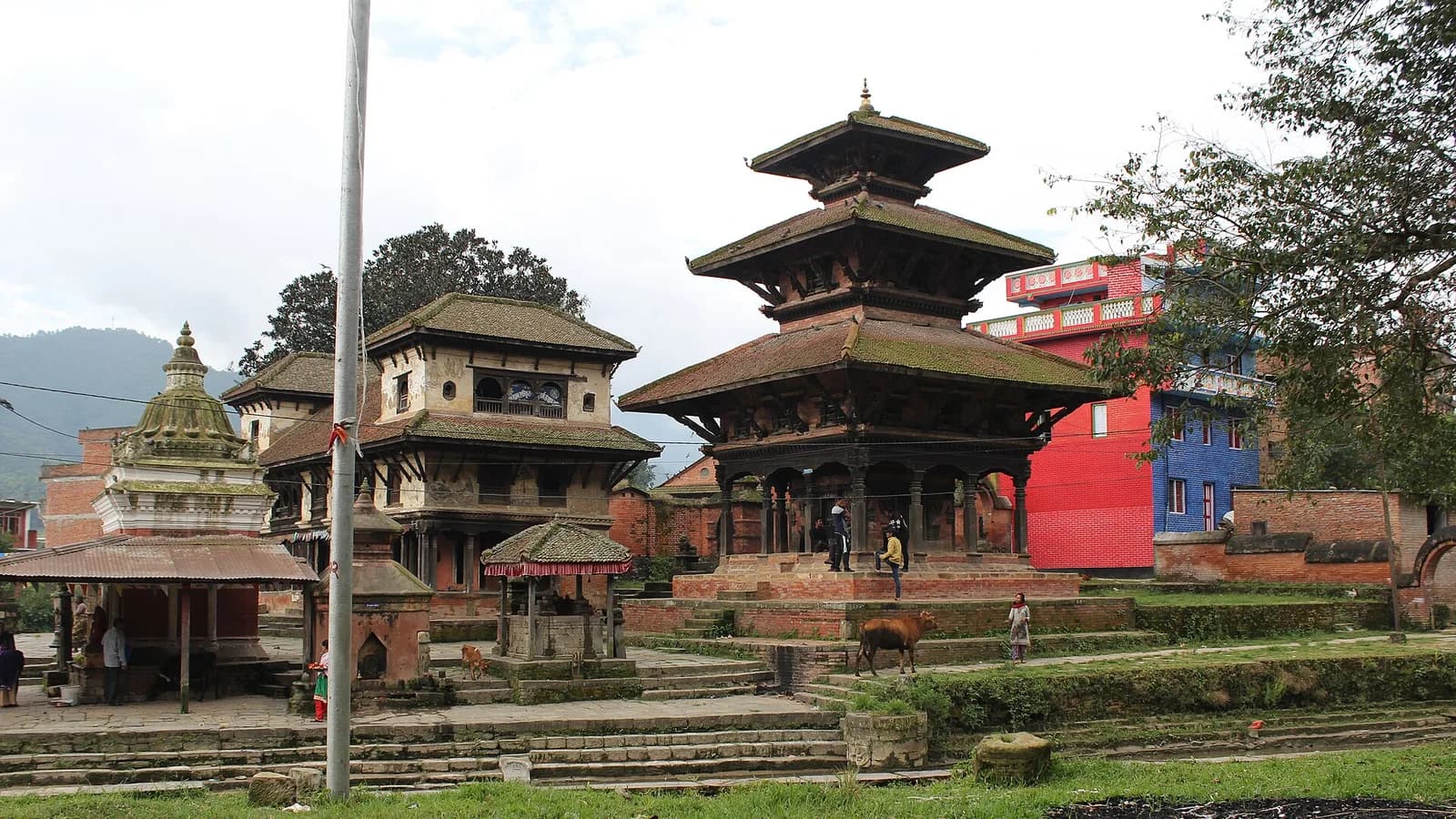
There is a moment most travellers in Nepal remember more than any temple or mountain view: sitting cross-legged on a kitchen floor, eating dal bhat cooked by a grandmother who keeps refilling your plate before you can object. That is the homestay experience, and it has quietly become one of the best ways to actually understand the country rather than just photograph it. A homestay in Nepal means staying in a local family's home, sharing their meals and daily routine, and seeing village life from the inside.
This guide covers how community homestays work, what they cost, where to go, and — importantly — how to be a guest worth hosting.
Key takeaways
- A homestay means living in a Nepali family's home, sharing meals and daily life, rather than checking into a hotel or trail lodge.
- "Community" homestays spread tourism income across many village households and are often run by local women's groups.
- Nepal's Community Homestay Network was named in TIME's "World's Greatest Places 2025" and now spans dozens of communities nationwide.
- Expect simple but clean private rooms, hot water in many places, and generous home-cooked food — come for connection, not luxury.
- Network homestays often run roughly USD 25 to 40 per night including meals (as of June 2026); village stays can be cheaper.
- Good guests dress modestly, remove their shoes, learn a few Nepali words, and bring a small thoughtful gift.
What a homestay actually is
A homestay is exactly what it sounds like: you stay in someone's home as a guest. You get a bedroom in the family house, you eat what the family eats, and you are folded into the rhythm of the household — morning tea, feeding animals, cooking, the evening meal. It is the opposite of the anonymous hotel experience.
Two broad types exist in Nepal. Private homestays are individual families renting a room, which you might find through a village contact or an accommodation site. Community homestays are the more structured and increasingly popular model: a whole village organises itself so that guests are rotated among many participating households, the income is shared, and the experience is coordinated with cultural activities, guides, and shared facilities. The community model is the one driving most of Nepal's homestay growth, and it is the focus of this guide.
Why community homestays matter
The community model was designed to fix a problem with conventional tourism — that the money tends to pool in a few hotels and agencies while the wider community sees little of it. By spreading guests and income across many homes, a community homestay turns tourism into something the whole village benefits from.
There is also a strong social dimension. Many community homestays are run largely by women, giving them an independent income and a leadership role in village life. The flagship example, the Community Homestay Network, was founded in 2012 in the town of Panauti and has grown to cover dozens of communities and hundreds of households across the country, welcoming several thousand travellers a year. In 2025 it was named one of TIME magazine's "World's Greatest Places," with the Nepal Tourism Board calling it a proud moment for the country's tourism sector. When you book a community homestay, your room rate is doing real economic work.
What to expect inside a homestay
Set your expectations correctly and a homestay is one of the richest things you can do in Nepal. Set them wrong and you will be disappointed for the wrong reasons. This is a family home, not a boutique hotel.
- The room: usually a simple private bedroom, clean, with a comfortable bed and basic furnishings. Many network homestays now have hot-water bathrooms and wifi; rural ones may have shared bathrooms and intermittent power.
- The food: generous and home-cooked. Expect dal bhat — rice, lentils, vegetable curry, pickle — often twice a day, plus regional specialities and as many refills as you can handle. Tell your host in advance about any dietary needs.
- The people: the entire point. You may join in cooking, farming, a cultural performance, or simply long conversations over tea. Children will be curious. Hosts are proud and want you to feel at home.
- The pace: slow and rural. Villages rise and sleep early. This is a feature, not a bug — it is what city-weary travellers come for.
Treat any inconvenience — a cold morning, a squat toilet, a power cut — as part of the experience rather than a failure of service, and you will have a wonderful time.
What it costs
Homestay pricing is reasonable and usually includes food, which makes it strong value. Exact rates vary by location, season, room type, and how many meals are bundled in.
| Type | Typical nightly rate (incl. meals) | What you get | |---|---|---| | Community homestay (network) | ~USD 25–40 | Private room, home-cooked meals, often hot water and wifi, activities | | Village / private homestay | Often less | Simpler room, family meals, fewer extras |
As a concrete reference point, stays on the Panauti community circuit are commonly quoted starting around USD 32 per night (as of June 2026), which converts to roughly NPR 4,000–5,000 depending on the day, with meals and activities sometimes priced separately. Treat any single figure as a guide, not a guarantee, and confirm directly what the rate includes. Even at the top of the range, a homestay usually costs less than a comparable hotel-and-restaurant combination, and far more of the money stays in the village.
Where to go: standout homestay regions
You can find homestays the length of Nepal, from the Terai plains to the high hills. A few stand out for first-time visitors.
Panauti
A beautifully preserved Newari town an easy day from Kathmandu, Panauti is the birthplace of the Community Homestay Network and arguably the most accessible community homestay in the country. Cobbled lanes, old temples, and welcoming households make it an ideal first homestay, and it pairs naturally with a few days exploring the Kathmandu Valley.
Sirubari
Often called Nepal's original homestay village, Sirubari is a Gurung settlement at around 1,700 metres in the hills near Pokhara, hosting guests since the late 1990s and later declared a model tourist village. Expect a flower-garland welcome, traditional Gurung dances and music, and deep cultural immersion.
Ghandruk
A classic stone-built Gurung village in the Annapurna foothills with jaw-dropping mountain views, Ghandruk blends easy trekking with homestay-style hospitality, making it a favourite for travellers who want both scenery and culture without a hard high-altitude trek.
Tharu villages near Chitwan
Down in the Terai, homestays in Tharu communities near Chitwan National Park offer a completely different side of Nepal — indigenous Tharu culture, distinctive architecture and food, and a window into rural plains life alongside the wildlife safaris.
For a hill-town stay with a homestay feel and no car traffic, Bandipur is another excellent option, and several viewpoint villages near Kathmandu run community homestays with Himalayan sunrises.
Being a good guest: etiquette that matters
You are stepping into someone's home and culture. A little awareness turns a nice stay into a genuinely warm one, and Nepali hosts notice and reward the effort.
- Take your shoes off before entering the house, and dress modestly — shoulders and knees covered, especially around elders.
- Eat with your right hand if eating in the traditional way; the left hand is considered unclean. Wash hands before and after meals.
- Wait to be invited to start eating, and try to finish what you take — wasting food is seen as disrespectful when so much care went into it.
- Learn a few words. "Namaste" to greet, "dhanyabaad" for thank you, and "mitho chha" (it is delicious) earn enormous goodwill. A handful of useful Nepali phrases goes a long way.
- Bring a small gift. Fruit, sweets, or tea are classic; photos of your home and family are a lovely icebreaker, especially with hosts who have never travelled abroad.
- Ask before photographing people, particularly elders and inside the home. Curiosity is welcome; cameras in faces are not.
Homestay vs teahouse vs hotel
Travellers often confuse homestays with the teahouses found on trekking trails. They are related but not the same, and choosing the right one depends on what you want.
| | Homestay | Teahouse | Hotel | |---|---|---|---| | Setting | Family home in a village | Commercial lodge on a trail | Standalone property | | Main purpose | Cultural immersion | Sleep and eat while trekking | Comfort and convenience | | Who you meet | Your host family | Other trekkers | Mostly nobody | | Comfort | Simple, personal | Basic, functional | Variable, often higher | | Best for | Understanding daily life | Multi-day treks | Easy city stays |
If your priority is comfort and logistics in a city, book a hotel — the where-to-stay-in-Kathmandu guide covers neighbourhoods. If you are walking a multi-day route, you will be in teahouses by default. But if you want to understand how Nepalis actually live, nothing beats a homestay.
Make it more than a bed: join in
The families who host you are usually delighted when guests want to take part rather than just observe. Ask to help cook the evening dal bhat, join the morning farm chores, or sit in on a festival if your visit lines up with one — staying with a family during a celebration like Tihar is unforgettable. The travellers who get the most from a homestay are the ones who lean in, ask questions, and treat the stay as a two-way exchange rather than a service.
Sources
- Community Homestay Network — official site
- Nepal's Community Homestay Network Featured in TIME's 'World's Greatest Places 2025' — Nepal Tourism Board
- Homestays become a hit with tourists in Jumla — The Kathmandu Post
- Sirubari Village: A Unique Homestay in Nepal — HolidayNepal
- Nepal's Community HomeStay Network: Empowering Women in Small Villages — JourneyWoman
- How to find homestay accommodation when travelling in Nepal — Azure Road
Frequently asked questions
- What is a community homestay in Nepal?
- A community homestay is a stay in a local family's home, organised through a village network so that tourism income is shared across many households.
- How much does a homestay in Nepal cost?
- Community homestays often run roughly USD 25 to 40 per night including meals as of June 2026, though village and private homestays can cost noticeably less.
- Are meals included in a Nepal homestay?
- Usually yes. Most homestays include home-cooked dal bhat and local dishes, either in the nightly rate or as an inexpensive add-on package.
- Where are the best homestays in Nepal?
- Popular options include Panauti near Kathmandu, Sirubari near Pokhara, Ghandruk in the Annapurna foothills, and Tharu villages near Chitwan.
- Is a homestay safe and comfortable for tourists?
- Generally yes. Network homestays offer clean private rooms and hot water, but facilities are simple, so come for the connection rather than luxury.
- What should I bring or gift to a homestay host?
- Bring modest clothes, a power bank, and a torch; a small gift such as fruit, sweets, tea, or photos from home is warmly appreciated.
- Do I need to speak Nepali to stay in a homestay?
- No, but learning a few phrases like dhanyabaad and mitho chha delights hosts and makes the stay far warmer and more personal.
- How is a homestay different from a teahouse?
- A teahouse is a commercial trail lodge for trekkers, while a homestay is a cultural stay inside a family home, focused on local life.
Related posts
Community Homestay Nepal: How to Book the Right Stay
A practical community homestay Nepal guide: how booking works, where your money goes, choosing an experience, and planning a stay that actually helps.
Read postAsan Bazaar Kathmandu: Old Town Market Guide
A visitor guide to Asan bazaar, Kathmandu's oldest market — its six-road square, Annapurna Temple, what to buy, when to go, and how to get there.
Read postBalen Shah: A Traveler's Guide to Nepal's Mayor-PM
Who is Balen Shah? A neutral, fact-checked profile of the rapper-turned-engineer who led Kathmandu and became Nepal's prime minister, for curious visitors.
Read post