Eco Trekking Nepal: Sustainable Himalaya Travel (2026)
A practical guide to eco trekking in Nepal — cutting plastic, fair porter treatment, community lodges and leave-no-trace habits for the trails.
The cheapest souvenir you can leave a mountain is nothing at all.
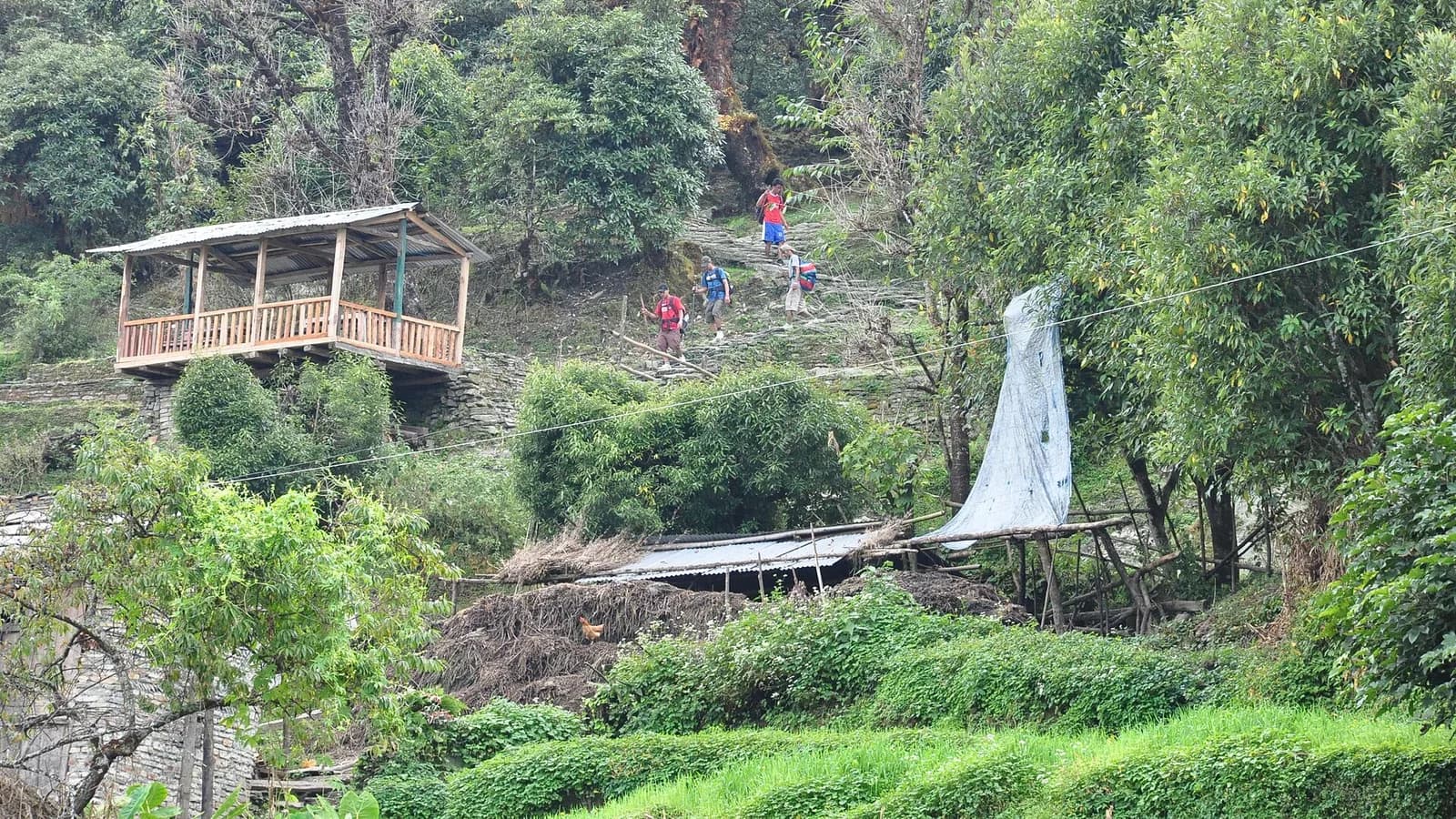
Every year, hundreds of thousands of trekkers walk into the Nepal Himalaya, and they all bring the same things: boots, ambition, and a surprising amount of plastic. The trails that make Nepal famous are also fragile — thin mountain ecosystems, villages with almost no waste infrastructure, and a workforce of porters and guides who carry the entire industry on their backs. Eco trekking in Nepal is simply the practice of walking those trails in a way that does not quietly wreck them.
This is not about guilt or about buying an expensive "green" package. It is about a handful of concrete, mostly cheap habits that any trekker can adopt. This guide covers the four that matter most: plastic and water, waste, the people who carry your load, and where your money goes.
Key takeaways
- The biggest wins are refilling water instead of buying plastic and packing out everything you carry in.
- Single-use plastic is already restricted on parts of the Everest and Annapurna trails — treated and boiled water is widely available.
- Porter welfare is the human side of sustainability: sensible load limits, warm gear, insurance and medical cover.
- Since April 2023, trekkers in Nepal's national parks generally need a licensed guide, which also helps enforce responsible practice.
- Choosing locally owned lodges and community homestays keeps your money in the village economy.
- Most eco habits are free or cheap — this is about behaviour far more than budget.
Plastic and water: the easiest big win
The single most visible environmental problem on Nepal's trails is the discarded plastic water bottle. Trekkers drink a lot at altitude, the bottles are bulky and worthless once empty, and there is nowhere for them to go. The good news is that this is also the easiest problem to solve as an individual.
Refill, do not buy
Carry one or two sturdy refillable bottles and a way to treat water — a filter, a UV purifier pen, or chemical tablets. Then top up along the way. Lodges across the popular regions sell boiled or treated water by the litre, which is cheaper than bottled and produces no waste. On the Annapurna Sanctuary route, for example, the sale of plastic water bottles is restricted past Chhomrong, and trekkers are expected to refill from lodge-provided boiled or filtered water instead (source: Wikivoyage, Annapurna Sanctuary).
This habit also keeps you safe. Our guide to whether the water is safe to drink in Nepal explains why you should treat all water regardless — so a purifier earns its place in your pack twice over.
The plastic bans are real
Nepal has gone further than voluntary guidance in places. The Khumbu (Everest) region introduced a ban on single-use plastics — including thin plastic bags and small drink bottles — to tackle litter on the approach to the mountain (source: Smithsonian Magazine). These rules are uneven and imperfectly enforced, but they signal the direction of travel, and a trekker who already refills will never run into them.
Leave no trace: waste on the trail
Beyond water, the principle is blunt: carry out everything you carry in. Mountain villages have minimal waste processing, so anything you leave is either burned, buried or simply dumped over a ridge.
What "pack it out" really covers
It is not just obvious litter. The items trekkers most often leave behind — and should not — include:
- Energy-bar and snack wrappers
- Used batteries (genuinely toxic; carry them back to a city)
- Tissues, wet wipes and used hygiene products
- Fruit peel and food scraps, which do not compost quickly at altitude and attract animals
Carry a dedicated rubbish bag and treat your wrappers as something you are responsible for until you reach a town that can actually deal with them.
Toilets and washing
Use lodge toilets where they exist. Where they do not, go well away from water sources and the trail. Use biodegradable soap sparingly, and never wash directly in a stream that a downstream village drinks from. Small habits, compounded across thousands of trekkers, are the whole game.
The human side: porter welfare
Sustainability is not only environmental. The trekking economy runs on porters, and they have historically borne real hardship — overloading, inadequate clothing for high-altitude cold, and a lack of insurance or medical cover. Responsible trekking means refusing to look away from that.
What good practice looks like
The International Porter Protection Group, formed in 1997, campaigns for every porter to have adequate clothing, footwear, shelter, food and medical care, and recommends sensible load limits adjusted for altitude and conditions (source: The Adventure Medic; IPPG). In Nepal, organisations such as KEEP run a porter clothing bank that lends proper cold-weather gear to porters heading into the high mountains (source: KEEP / The Adventure Medic).
As a trekker you can:
- Book through operators with explicit porter-welfare standards — load limits, insurance, and gear provision.
- Keep your own duffel weight reasonable so your porter is not overloaded.
- Notice your porter's clothing and footwear; speak up if they are inadequate for the conditions.
- Tip fairly. Our guide to tipping guides and porters covers the going norms.
The uncomfortable truth is that the cheapest trek on the market is often cheap precisely because someone in the support crew is being underpaid or under-equipped. Paying a fair price is itself a sustainability choice.
Where your money goes: community lodges
Money is a powerful tool on the trail, and where you spend it shapes whether trekking helps a village or merely passes through it.
Locally owned beats outside-owned
Many of the most comfortable lodges are owned by companies headquartered far from the mountains, which means much of the profit leaves the region. Locally owned teahouses and community homestays keep more of that money with the families who actually live on and maintain the trail. The difference between standard teahouse trekking and a village homestay is partly comfort and partly economics — the homestay tends to put your money more directly into local hands.
Nepal's community tourism pioneers
Nepal has a long track record here. Villages such as Sirubari in Syangja and Ghalegaun in Lamjung were early pioneers of organised community homestays, and the model has since spread to places like Panauti and the Gurung villages of the Annapurna foothills, supported by the Nepal Tourism Board (source: ScienceDirect / NTB). Staying in one is a direct way to channel tourism income into grassroots development.
Eat local
The humblest version of this is your dinner order. Choosing dal bhat — cooked from ingredients the lodge can source locally and often grows itself — has a smaller footprint than a flown-in approximation of a Western dish, and it is usually the best-value, freshest thing on the menu anyway.
Putting it together: protected areas and the guide rule
The practical place to apply all of this is inside Nepal's protected areas, which have the clearest rules and the best community structures.
Conservation areas and parks
The Annapurna Conservation Area — Nepal's largest protected area, run by a national trust — and Sagarmatha National Park in the Everest region both channel entry fees into conservation and local development, and both have environmental guidelines built into the permit you buy. Trekking here is not a loophole-free utopia; even popular villages still struggle with waste. But the framework exists, and your fees are part of it. See our overview of Nepal's national parks for the wider picture.
The 2023 guide rule
Since April 2023, Nepal has generally required trekkers in national-park areas to walk with a licensed guide rather than going entirely solo on the main routes. The rule was introduced largely for safety, but it has a sustainability dividend too: a trained local guide knows the leave-no-trace norms, keeps trekkers on established trails, and is one more person with a stake in keeping the route clean. If you are weighing this up, our piece on whether you need a guide for Everest Base Camp walks through the details.
Wildlife, trails and the small stuff
The headline issues — plastic, waste, porters, money — do most of the work, but a handful of smaller habits round out responsible trekking and cost nothing at all.
Stay on the trail
Cutting corners on switchbacks looks harmless but accelerates erosion, scarring slopes that take years to recover on thin mountain soil. The established path is established for a reason. Sticking to it also keeps you out of the fragile alpine meadow and rhododendron understorey that give the Annapurna foothills their character.
Leave wildlife alone
Nepal's protected areas shelter genuinely rare species, from the red panda in the eastern forests to musk deer and Himalayan tahr on the higher slopes. The leave-no-trace rule here is simple: observe at a distance, never feed animals, and do not pick plants or pocket "souvenir" stones. Feeding wildlife teaches it to scavenge from trekkers, which rarely ends well for the animal.
Respect the villages
Sustainability has a cultural dimension too. The trails pass through living communities, not open-air museums. Ask before photographing people, dress modestly in villages and at the many trailside shrines, and follow local temple etiquette. Learning even a few trail phrases in Nepali signals respect and tends to be warmly received — a small courtesy that makes the whole exchange feel less transactional.
None of this requires you to be a purist. Eco trekking in Nepal is not a test you pass or fail — it is a direction you lean. Refill the bottle, carry out the wrapper, notice the porter, spend in the village. Do those four things and you have done most of the work, and the trail will be there, just as good, for the people walking it after you.
Sources
- Wikivoyage — Annapurna Sanctuary (plastic-bottle restriction past Chhomrong): https://en.wikivoyage.org/wiki/Annapurna_Sanctuary
- Smithsonian Magazine — Nepal banning single-use plastics on Everest: https://www.smithsonianmag.com/smart-news/bid-clean-everest-nepal-banning-single-use-plastics-mountain-180973005/
- The Adventure Medic — The International Porter Protection Group: https://www.theadventuremedic.com/features/the-international-porter-protection-group/
- KEEP — Porters Welfare Program: https://keepnepal.org/program-category/porters-welfare-program
- ScienceDirect — Community-based ecotourism in Nepal: Sirubari and Ghalegaun homestays: https://www.sciencedirect.com/science/article/abs/pii/S2211973618300291
- Ace the Himalaya — Responsible trekking in Nepal: https://www.acethehimalaya.com/responsible-trekking-in-nepal/
Frequently asked questions
- What is eco trekking in Nepal?
- Eco trekking means walking Nepal's trails in a way that limits environmental damage and treats the local people who make trekking possible fairly, by cutting plastic waste, refilling water instead of buying bottles, supporting locally owned lodges and following leave-no-trace habits.
- How do I avoid plastic bottles on the trail?
- Carry a sturdy refillable bottle plus a water purification method such as a filter, UV pen or chemical tablets, then top up with boiled or treated water at lodges rather than buying single-use plastic, which is already restricted on parts of the Everest and Annapurna routes.
- What is fair treatment for a trekking porter?
- Fair treatment means a sensible load limit, proper warm clothing and footwear for altitude, insurance and medical cover, adequate food and shelter, and prompt help if a porter falls ill, so booking through an operator with clear porter-welfare standards matters.
- Is solo trekking still allowed in Nepal?
- Since April 2023 trekkers in Nepal's national parks generally need a licensed guide rather than walking the main routes entirely solo, a rule intended partly to improve safety and help enforce responsible trail practices.
- How does staying in a community lodge help?
- Choosing locally owned teahouses and community homestays keeps more of your money in the village economy and supports the families who maintain the trails, rather than sending profit to outside companies.
- Does eco trekking cost more?
- Not necessarily, because many sustainable choices such as refilling water, packing out rubbish and eating local dal bhat are cheap or free, though a reputable operator with strong porter welfare may charge a fair price rather than the lowest one.
- What should I do with my rubbish on the trail?
- Carry out everything you carry in, including wrappers, batteries and used hygiene products, because high-altitude villages have very limited waste processing and burning or burying litter simply moves the problem.
- Which regions are best for responsible trekking?
- Protected areas such as the Annapurna Conservation Area and Sagarmatha National Park have the clearest environmental rules and community structures, making them good places to put responsible-trekking habits into practice.
Related posts
Easy Treks in Nepal: 6 Beginner Routes for 2026
The best easy treks in Nepal for beginners — Poon Hill, Everest View, Langtang and more, with altitudes, days, permits and the 2023 guide rule.
Read postEco Lodge Nepal: A 2026 Guide to Green Stays
How to choose an eco lodge in Nepal in 2026 — solar power, community jobs, jungle and mountain options, plus what the green labels really mean.
Read postEverest Base Camp vs Annapurna Base Camp: Which to Trek
Everest Base Camp vs Annapurna Base Camp compared — altitude, days, difficulty, cost, permits, scenery, and which Himalayan trek fits you best.
Read post