Cheap Nepal Trekking Package: Budget Guide 2026
How to find a cheap Nepal trekking package - real permit fees, daily teahouse costs, the best low-cost trails, and ways to cut the price safely.
The Himalaya do not charge admission to the view - a cheap Nepal trekking package is mostly about choosing the right trail and walking it the smart way.
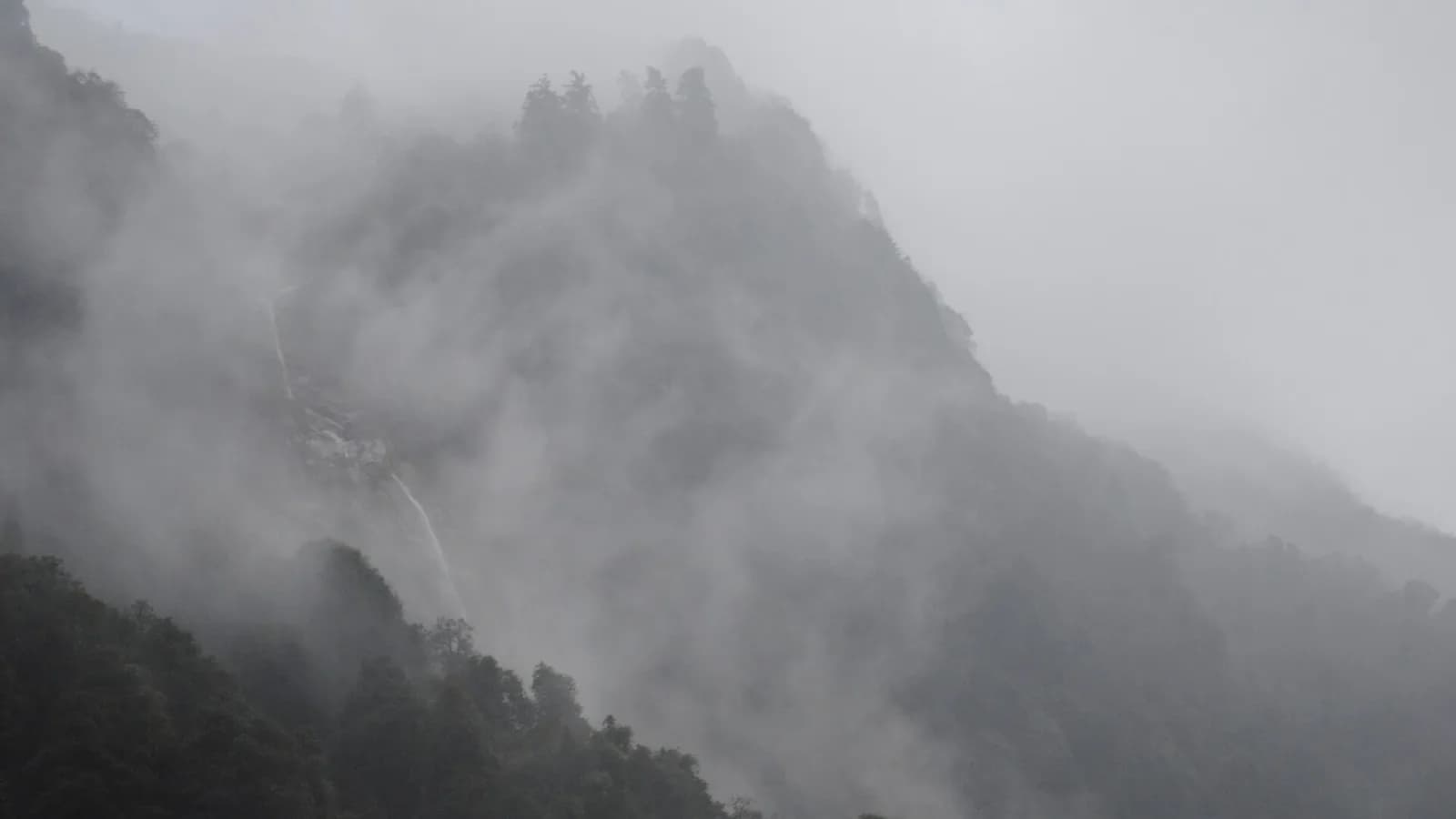
A cheap Nepal trekking package does not have to mean a worse view. Some of the country's most celebrated sunrises sit on short, low-altitude trails that cost a fraction of a flagship Everest expedition, and the price of any trek is driven far more by where you walk and how you organise it than by the scenery itself. This guide breaks down the real, sourced costs - permits, daily teahouse spending, guides and transport - points you toward the most budget-friendly trails, and lists practical ways to trim the bill without trimming your safety margin.
For the wider context, start with our overview of trekking in Nepal and the honest question many first-timers ask, is trekking in Nepal worth it for foreigners? If you are weighing the whole trip rather than just the walk, our Nepal travel budget guide puts trekking in proportion.
Key takeaways
- The cheapest treks in Nepal are short, low Annapurna-foothill routes like Ghorepani Poon Hill, which need only one conservation permit and can be reached by road.
- Core permit fees are modest: the Annapurna (ACAP), Sagarmatha and Langtang park permits each cost NPR 3,000 for foreigners (as of 2025), roughly USD 25-30.
- Independent budget trekkers often spend around USD 40-60 a day on food and lodging on busy trails (as of 2025); treat any single figure as a rough guide, not a promise.
- Since April 2023 a licensed guide or porter-guide is mandatory for foreigners on the main routes, so a "no-guide" budget package is not legal there.
- The biggest savings come from choosing a road-accessible trail, sharing a guide in a small group, and booking with a Nepal-registered agency instead of a foreign reseller.
What a cheap trekking package actually covers
The word "package" hides a lot of variation, so the first step to a genuine bargain is reading what is and is not included. A typical budget package bundles the on-trail essentials - a licensed guide, all the required permits, teahouse rooms and meals while walking, and ground transport between the city and the trailhead. The headline price you see online almost always assumes this core only.
The extras are where two quotes for the "same" trek can differ by hundreds of dollars. Watch for:
- Domestic flights. Everest-region itineraries usually need the Lukla flight, a significant cost that budget Annapurna and Langtang trips avoid entirely. See our Lukla flight cost guide for why.
- City hotels before and after the walk, which many trail-only packages leave out.
- Personal gear, travel and rescue insurance, tips for your guide and porter, and any drinks or snacks beyond set meals.
Because of this, the cheapest sticker price is not always the cheapest trip. A slightly higher quote that already includes transport and permits can beat a bare-bones one once you add the gaps back in.
The real permit costs
Permits are a fixed, non-negotiable part of every package, and they are smaller than many travellers expect. Each main trekking region charges a conservation-area or national-park entry fee, collected once and valid for the length of a normal trek.
| Trek region | Permit | Foreigner fee (as of 2025) | | --- | --- | --- | | Annapurna (Poon Hill, ABC, Mardi) | ACAP entry permit | NPR 3,000 (about USD 25-30) | | Everest | Sagarmatha National Park | NPR 3,000 (about USD 30) | | Everest | Khumbu Pasang Lhamu Rural Municipality fee | NPR 2,000 (about USD 20) | | Langtang | Langtang National Park | NPR 3,000 (about USD 30) |
Source figures are from a 2025 Nepal permit guide and the Nepal Tourism Board (linked below). SAARC nationals, including Indian citizens, generally pay much less - often around NPR 1,000 for the same conservation permits. For a deeper breakdown by region, see our Nepal trekking permits guide and the dedicated ACAP permit page.
A note on the TIMS card
The Trekkers' Information Management System (TIMS) card has been in flux. The Nepal Tourism Board still lists a TIMS card for certain protected areas, priced at NPR 2,000 for non-SAARC foreigners and NPR 1,000 for SAARC nationals, issued through a registered agency. Some operators report it dropped on popular routes after the mandatory-guide rule arrived, so confirm the current requirement for your specific trail with your agency at booking. Either way, your guide arranges it, and the sum is small relative to the trip. Our TIMS card Nepal page tracks the detail.
What you spend each day on the trail
Beyond the one-off permits, your daily on-trail spending is the part of a cheap package you can most influence. Independent budget trekkers commonly report around USD 40-60 a day for food and a teahouse bed on the busy trails (as of 2025), and it can fall lower in quieter areas. The two big line items:
- Lodging. A simple teahouse room often runs only a few US dollars a night, frequently USD 3-7, with rooms cheaper in remote villages than on the headline routes.
- Food. Meals climb with altitude as everything is carried up by porter or mule. Expect a few dollars a plate low down and noticeably more higher up; the classic dal bhat (rice, lentils and vegetables) is the smart-money choice because teahouses traditionally refill it for free.
When a package quotes "all meals included," it is absorbing this daily food cost into the price, which is part of why packages on higher trails cost more per day than on low ones.
Guides and porters
The mandatory guide is a fixed cost worth understanding. Operators commonly list a licensed guide at roughly USD 25-35 a day and a porter at about USD 15-25 a day (as of 2025), with those rates typically covering the staff member's own food and lodging. Because the guide's fee is shared across everyone they lead, the per-person cost drops sharply in a small group - one of the simplest ways to make a package cheaper. If you are tipping at the end, our guide to tipping trekking guides and porters in Nepal explains the norms.
The most budget-friendly trails
The single biggest lever on price is the trail itself. Short, low, road-accessible routes skip the expensive flight, use fewer permits and spend fewer nights on the mountain. These tend to deliver the best value:
Ghorepani Poon Hill
The benchmark budget trek. Roughly three to five days from Pokhara, topping out near the 3,210 m Poon Hill viewpoint for a famous sunrise over Annapurna and Dhaulagiri, with only the ACAP permit required and no flight needed. Budget operators frequently price short Poon Hill packages in the few-hundred-dollar range (as of 2025), though always check what is bundled. See our Ghorepani Poon Hill trek guide.
Langtang Valley
The closest major valley to Kathmandu, starting at Syabrubesi after a day's drive rather than a flight, usually walked in about six to ten days. One national-park permit, teahouses throughout, and dramatic glacier scenery make it a strong mid-budget choice. Our Langtang trek page has the route detail.
Mardi Himal and other short options
For a quieter, still-affordable Annapurna alternative, the Mardi Himal trek climbs a high ridge under Machhapuchhre in around four to five days on the single ACAP permit. For a fuller menu of low-cost, low-commitment walks, see our roundups of beginner treks in Nepal and short treks in Nepal.
By contrast, the Everest Base Camp trek is wonderful but structurally pricier: it needs the Lukla flight, two permits and more days on the trail, so it is rarely the cheapest option no matter how the package is dressed up.
How to genuinely cut the cost
Once you have picked a trail, a handful of choices shave the price without touching your safety:
- Go by road, not air. Choosing a trailhead you can reach by bus or jeep, as with Poon Hill or Langtang, removes the most expensive single line item on many itineraries.
- Travel in a small group. The guide, the jeep transfer and any fixed agency costs are shared, so per-person prices fall as the group grows. Solo travellers in particular often save by joining a group departure.
- Eat and drink like a local. Order the refillable dal bhat, carry a refillable bottle with purification tablets instead of buying bottled water, and stock snacks in Kathmandu or Pokhara where they cost a fraction of trail prices.
- Trek in a quieter window. Late-autumn and late-spring shoulder periods, and the wet summer low season, often bring softer teahouse rates than the peak-October and peak-spring crush. Our best season to trek in Nepal guide weighs the trade-offs.
- Book direct with a registered agency. Booking with a Nepal-based, government-registered operator avoids the markup a foreign reseller adds. Our best trekking agency in Nepal and TAAN-registered trekking agency guides explain how to vet one.
Where not to cut
A "cheap" trek that skimps on the wrong thing is no bargain. Do not skip travel and rescue insurance, do not try to dodge the mandatory licensed guide on regulated trails, and do not under-pack for cold or altitude. Our pages on travel insurance for trekking in Nepal and what to pack for a Nepal trek cover the essentials a budget should always protect.
Booking smart and arriving prepared
A cheap package works best when you arrive ready. Carry enough Nepali rupees in cash, because card payment is rare on the trail and ATMs vanish above the bigger towns - our how much cash to bring to Nepal guide helps you size it. Confirm in writing exactly what your package includes, which permits are covered, and whether city nights and transfers are part of the price.
A few words of Nepali also go a long way with teahouse hosts and your guide. Our Nepali phrases every trekker should know post is a quick, friendly start, and you can pick up the basics for free on our Nepali lessons. Walk the right trail, share the fixed costs, and book it locally, and a budget Himalayan trek can be every bit as memorable as the expensive ones.
Sources
- Nepal Tourism Board - TIMS Card
- Annapurna Encounter - Ultimate Guide to Trekking Permits in Nepal 2025
- Manaslu Circuit Treks - Nepal Permit Guide 2025
- The National - Nepal bans solo trekking for tourists, guides mandatory from April 1
- Thamserku Trekking - Budget Trek Nepal Complete Guide
- Welcome Nepal Treks - Ghorepani Poon Hill Budget Trek
- Himalayan Hero - Langtang Valley Trek Cost 2025
Frequently asked questions
- What is the cheapest trek in Nepal for a tight budget?
- Short Annapurna-foothill trails are usually the cheapest, with the Ghorepani Poon Hill trek the classic pick. It runs roughly three to five days from Pokhara, stays in teahouses, and needs only one conservation permit, which keeps the total cost well below the high-altitude Everest routes.
- How much does a budget trek in Nepal cost per day?
- Independent budget trekkers commonly report spending around USD 40 to USD 60 a day on food and lodging on popular trails (as of 2025), and sometimes less in quieter areas. Treat any single figure with caution, since altitude, season and appetite all change the number.
- What does a cheap Nepal trekking package usually include?
- A low-cost package normally bundles your licensed guide, permits, teahouse lodging and meals on the trail, plus ground transport to and from the trailhead. Always check whether domestic flights, Kathmandu hotels, gear and tips are included, because those extras are where quoted prices diverge.
- Do I still need a guide on a cheap trek in Nepal?
- Yes on the main routes. Since April 2023 foreign trekkers in Nepal's national parks and conservation areas must walk with a licensed guide or porter-guide arranged through a registered agency, rather than alone. Nepali citizens are exempt. Sharing a guide within a small group lowers the per-person cost.
- How can I make a Nepal trekking package cheaper without cutting safety?
- Pick a shorter, lower trail you can reach by road, travel in a small group to split the guide and jeep, order the refillable dal bhat, carry your own water bottle with purification, and book directly with a Nepal-registered agency rather than a foreign reseller. None of these touch your safety margin.
- Are organised packages or independent trekking cheaper in Nepal?
- It depends on group size. Solo travellers often save by joining a small group package that spreads fixed costs like the guide and transport. A well-run local package can also bundle permits and lodging at rates close to what you would pay yourself, while removing the booking hassle.
- When is the cheapest time to trek in Nepal?
- Shoulder periods such as late autumn and the back end of spring tend to bring quieter trails and softer teahouse rates, while the summer monsoon is the lowest season of all but wet and cloudy. The clearest, most popular windows in peak autumn and spring usually cost the most.
- Can I do a cheap trek in Nepal without taking a flight?
- Yes. Poon Hill and Mardi Himal start near Pokhara, reached by an inexpensive tourist bus, and Langtang begins at Syabrubesi, a day's drive from Kathmandu. Avoiding the Lukla flight that the Everest region needs removes a major cost and the risk of weather delays.
Related posts
Annapurna Base Camp Trek Cost: The Honest 2026 Breakdown
What the Annapurna Base Camp trek cost really comes to in 2026 — permits, guide and porter fees, daily teahouse spend, and the line items quotes skip.
Read postAnnapurna Trek Package: How to Choose One in 2026
A practical guide to picking an Annapurna trek package in 2026 — durations, what is included and excluded, permits, the guide rule, and how to compare quotes.
Read postNepal Holiday Packages: How to Choose One in 2026
A practical guide to Nepal holiday packages — what they include, typical itineraries, costs, permits, the best seasons and how to compare operators.
Read post