Langtang Trek: Route, Permits, Cost & Best Season Guide
A complete Langtang trek guide for 2026 — the Langtang Valley route, Kyanjin Gompa, permits, costs, the mandatory-guide rule, difficulty and best season.
The closest big-mountain valley to Kathmandu — yak pastures, a glacier monastery, and 7,000-metre peaks, all in about a week.
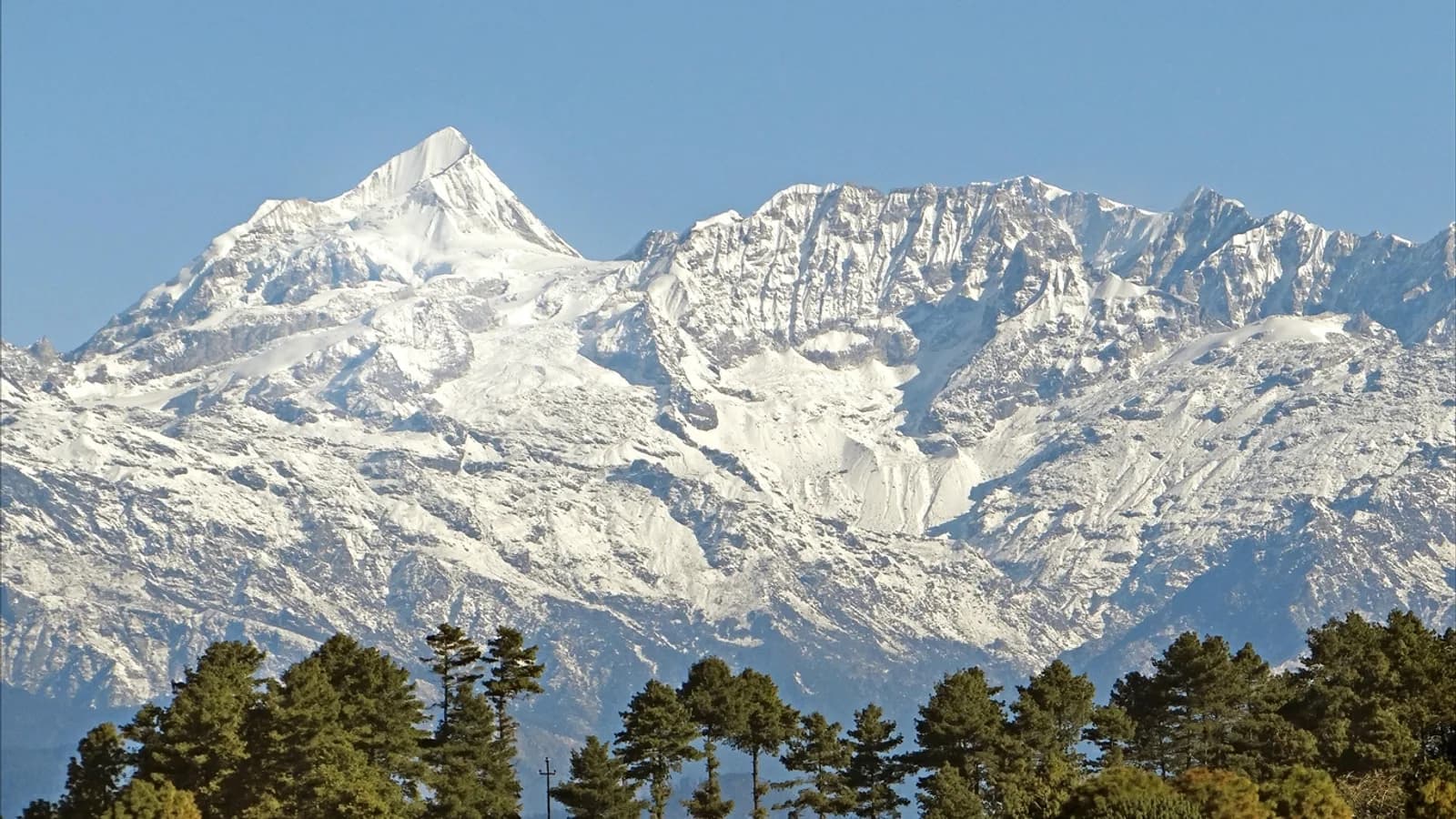
The Langtang trek is the great Himalayan walk hiding in plain sight, just north of Kathmandu. While most first-time trekkers fly straight to Everest or Annapurna, the Langtang Valley offers glaciers, yak pastures, a high monastery and a wall of 7,000-metre peaks — and it starts with a drive rather than a flight, which keeps both the cost and the crowds down. It is often the third-most-popular trekking region in Nepal, yet it still feels quiet compared with the headline routes.
This guide covers the classic Langtang Valley route, the day-by-day itinerary, the 2026 permit picture, costs, difficulty and the best time to go. The valley was devastated by an avalanche during the 2015 earthquake; for the human story of that recovery, see our companion piece on the Langtang Valley a decade after the earthquake. This article focuses on the practical planning.
Key takeaways
- The Langtang Valley trek is a 6-to-8-day route, the closest big-mountain trek to Kathmandu, reached by road rather than by air.
- The core walk is roughly 65–75 km round trip from Syabrubesi to Kyanjin Gompa (about 3,830 m) and back.
- It is moderate overall — no high pass — with the steep optional Tserko Ri viewpoint (about 4,980 m) as the one hard day.
- Two permits are required: Langtang National Park entry (NPR 3,000) and a TIMS card (NPR 2,000) for foreigners, as of June 2026.
- A licensed guide is mandatory here since February 2025; solo and independent trekking is no longer allowed.
- Best in autumn (late Sep–Nov) or spring (Mar–May); skip the monsoon, when the access road is landslide-prone.
Why trek the Langtang Valley
Langtang's main selling point is access. The trail sits inside Langtang National Park, Nepal's first Himalayan national park, gazetted in 1976 and covering some 1,710 square kilometres in the central Himalaya. Because the trailhead is only about 140 km from the capital, you can be walking among rhododendron forest within a day of leaving Kathmandu — no expensive, weather-dependent mountain flight required.
What you get for that short approach is a remarkably complete Himalayan experience. The valley climbs from subtropical forest through alpine meadow into a high glacial basin ringed by giants: Langtang Lirung (about 7,234 m) is the highest peak in the park, with Langtang II, Yala Peak and Naya Kanga forming the rest of the northern wall. The culture is Tamang and Tibetan Buddhist, the lower forests shelter the red panda, and the higher reaches are notional snow-leopard country.
For a sense of where it fits among Nepal's other walks, our roundups of the best places to visit in Nepal and whether trekking in Nepal is worth it put Langtang in context.
The classic Langtang Valley route
The standard trek is an out-and-back up a single valley, so navigation is simple and you retrace your steps on the way down. Walking days are typically 5 to 7 hours.
| Day | Stage | Approx. elevation | Walking time | |-----|-------|-------------------|--------------| | 1 | Kathmandu → Syabrubesi (drive) | 1,460 m | 6–9 hrs (road) | | 2 | Syabrubesi → Lama Hotel | 2,470 m | 5–6 hrs | | 3 | Lama Hotel → Langtang village | 3,430 m | 5–6 hrs | | 4 | Langtang village → Kyanjin Gompa | ~3,830 m | 3–4 hrs | | 5 | Kyanjin Gompa (acclimatise + side hike) | up to ~4,980 m | 5–7 hrs | | 6 | Kyanjin Gompa → Lama Hotel | 2,470 m | 5–6 hrs | | 7 | Lama Hotel → Syabrubesi → Kathmandu | 1,460 m | 4–5 hrs walk + drive |
A six-day version is possible if you skip the Kyanjin acclimatisation day, but giving yourself that extra day pays off both for the views and for adjusting to the altitude.
Kyanjin Gompa and the side hikes
Kyanjin Gompa is the turnaround point and the highlight. It is the highest village on the trek, set beside a rebuilt monastery, with a Swiss-founded yak-cheese factory that has operated here since the 1950s. From the village, two dawn viewpoints reward the climb:
- Tserko Ri (about 4,980 m) — the big one. A steep ascent of more than 1,000 metres on cold ground, roughly 6–7 hours round trip, with a sweeping panorama of the Langtang range and, on a clear day, a view toward Tibet.
- Kyanjin Ri (around 4,300–4,700 m) — a shorter, less punishing alternative that delivers a similar outlook in far less time.
If altitude or fitness is a concern, Kyanjin Ri or simply a relaxed day around the village is a perfectly good plan.
Permits and the mandatory-guide rule
Two documents are required for the Langtang trek, both arranged before you leave Kathmandu.
| Item | Foreign trekker | Notes | |------|-----------------|-------| | Langtang National Park entry permit | NPR 3,000 | Reduced for SAARC nationals; under-10s generally exempt | | TIMS card (guided) | NPR 2,000 | Issued through a registered agency |
All prices are as of June 2026 and inclusive of applicable VAT; bring your passport and a couple of passport photos. Permits can be issued at the Nepal Tourism Board office in Kathmandu or near the trailhead, but sorting them in Kathmandu first avoids any trouble at checkpoints.
The guide requirement
The single most important rule change to plan around: since 17 February 2025, every trekker entering Langtang National Park must be accompanied by a licensed guide, and permits are issued only through a registered Nepali trekking agency. The older solo "green" TIMS card has been retired for this route; in practice only the guided category remains. Trail checkpoints verify both your guide's licence and your TIMS card, and being caught without a guide can mean fines or being turned back.
If you are weighing up operators, our notes on choosing a trekking agency in Nepal and hiring a private guide cover what to look for. Whatever you do for the guide, knowing a few trail phrases in Nepali goes a long way with lodge families.
How much the Langtang trek costs
Langtang is one of the more affordable major treks, partly because there is no flight to pay for and partly because the altitude markup on food is gentler than in the Khumbu. Costs split into the guided package and your day-to-day trail spending.
| Cost type | Typical range (as of June 2026) | Notes | |-----------|--------------------------------|-------| | Guided package (standard) | USD 1,200–1,500 | Licensed guide, porter, steady pace | | Premium private trek | USD 1,800+ | Private vehicle, better lodges | | Guide day rate | USD 25–35 / day | Often bundled into the package | | Dal bhat (meal) | NPR 400–900 | Lower down the valley vs. Kyanjin | | On-trail spending | USD 20–30 / day | Food, accommodation, extras |
Rooms are usually inexpensive or free when you eat at the same lodge, with the cost sitting in the meals. Carry enough Nepali rupees in cash for the whole trek, as there are no reliable ATMs once you leave the road. For the bigger picture on money, see our guides to the Nepal currency and a realistic trekking budget. Travel insurance that explicitly covers high-altitude trekking and helicopter evacuation is strongly advised.
Difficulty and altitude
By the standard of Nepal's big treks, Langtang is moderate. There is no high pass, the trail is well-trodden, and the gain is gradual — which is exactly why it is often recommended as a first Himalayan trek or a shorter alternative to Everest Base Camp. If you stay in the valley, you top out sleeping at Kyanjin Gompa near 3,830 metres, an altitude where acute mountain sickness (AMS) risk is real but manageable with a sensible pace.
The exception is Tserko Ri. Climbing more than a thousand metres to nearly 5,000 metres in a single morning, often in sub-zero pre-dawn cold, is genuinely strenuous, and pushing up without having acclimatised raises the AMS risk considerably. The simple fix is the built-in extra day at Kyanjin: arrive, sleep a night, then climb. If you feel unwell, Kyanjin Ri or skipping the viewpoint entirely is the right call. Our altitude sickness guide explains the warning signs and the golden rule of descending if symptoms worsen.
Best season for the Langtang trek
Langtang has the same two prime windows as most of Nepal, with weather that shifts sharply by elevation.
| Season | Months | Conditions | |--------|--------|------------| | Autumn (best) | Late Sep–Nov | Clear skies, stable weather, full lodges; cold nights by late Nov | | Spring (second-best) | Mar–May | Warmer, rhododendrons blooming low down, occasional haze | | Monsoon (avoid) | Jun–Aug | Wet, slippery trails; landslide risk on the access road | | Winter | Dec–Feb | Trek is doable but very cold; road can close after snowfall |
In autumn, lower Syabrubesi sits at a mild 10–20°C by day, while Kyanjin Gompa drops to single digits in daytime and below freezing at night, especially later in November. For the broader pattern across the country, our Nepal weather by month guide is a useful cross-check.
What to expect on the trail
Langtang's lodges are smaller and more family-run than the larger Everest teahouses. Menus are shorter, rooms are simpler, and evenings are quieter — you will often share dinner with the lodge family and a group or two of other trekkers. The valley still sees fewer visitors than before the 2015 earthquake, which is part of its appeal.
Practical points worth packing for:
- Cash for the whole trek in Nepali rupees — budget roughly NPR 20,000–25,000 for a 7-to-10-day trip beyond the package, as card payment is not an option on the trail.
- Warm layers for cold Kyanjin nights and the freezing Tserko Ri dawn, even in autumn.
- The long road day at each end — it is the most tiring non-walking part of the trek, so a motion-sickness remedy can help on the winding drive.
A general trekking packing list covers the rest of the kit.
Sources
- Langtang National Park — Wikipedia
- Langtang Valley Trek Permit and Fees 2026 — Himalayan Recreation
- Is Guide Compulsory for Langtang Trek in 2026? — Nepal Gateway Trekking
- No More Solo Trekking: Nepal's 2026 Trekking Rules — Backpack to Nepal
- Langtang Valley Trek Itinerary and Route — Altitude Himalaya
- Langtang Valley Trek Distance — Ace the Himalaya
- Langtang Valley Trek Cost 2026 — Nepal Hiking Team
- Best Time to Do Langtang Trek — Magical Summits
Frequently asked questions
- How many days does the Langtang trek take?
- The standard Langtang Valley trek runs about 6 to 8 trekking days, including the long road days at each end. Six days is possible if you move efficiently and skip the high side hikes, but most guides recommend at least 7 days so you can add an acclimatisation day at Kyanjin Gompa and climb a viewpoint such as Tserko Ri.
- How long is the Langtang Valley trek in kilometres?
- The core walk from Syabrubesi up to Kyanjin Gompa and back is roughly 65 to 75 kilometres round trip, or about 40 to 47 miles. Adding both the Kyanjin Ri and Tserko Ri side hikes tacks on another 11 to 15 kilometres of steep up-and-down.
- What permits do I need for the Langtang trek?
- You need two: the Langtang National Park entry permit and a TIMS card. For foreign trekkers the park entry is NPR 3,000 and the guided TIMS card is NPR 2,000 (as of June 2026). SAARC nationals pay a reduced park fee and children under ten are generally exempt from the entry charge.
- Do I need a guide for the Langtang trek in 2026?
- Yes. Since mid-February 2025, all trekkers entering Langtang National Park must be accompanied by a licensed guide, and permits are issued only through a registered trekking agency. Solo and fully independent trekking is no longer permitted on this route, and checkpoints verify the guide licence.
- How hard is the Langtang trek?
- The main valley is moderate by Nepal standards — a steady climb on a well-trodden trail with no high pass, which makes it a good first Himalayan trek. The genuinely demanding part is the optional Tserko Ri day hike, a steep 1,000-metre-plus gain on cold ground that pushes you near 5,000 metres.
- What is the highest point of the Langtang trek?
- If you stick to the valley, the highest village you sleep at is Kyanjin Gompa, at roughly 3,830 to 3,870 metres depending on the source. The highest point overall is the optional Tserko Ri viewpoint at about 4,980 metres, which most trekkers climb at sunrise from Kyanjin.
- When is the best time for the Langtang trek?
- Autumn, from late September to November, is the prime window, with clear skies and stable weather. Spring, from March to May, is the second-best option and adds rhododendron blooms in the lower forest. Avoid the June-to-August monsoon, when trails are slippery and the road from Kathmandu is landslide-prone.
- How do you get to the Langtang trek start point?
- The trek starts at Syabrubesi, about 140 kilometres north of Kathmandu. Reaching it is a 6-to-9-hour drive by local bus or shared jeep on a winding mountain road, and it is the single longest overland leg of any major Nepal trek. There is no airport, so the drive is unavoidable.
- Is the Langtang Valley open after the 2015 earthquake?
- Yes. The valley was hit hard by an avalanche during the 2015 Gorkha earthquake, but the trail, lodges and the rebuilt Kyanjin Gompa monastery are fully open and operating. Trekker numbers remain below pre-2015 levels, so the route is quieter than Everest or Annapurna.
Related posts
Beginner Treks Nepal: 6 Easy Himalayan Trails
The best beginner treks in Nepal — short, low-altitude trails like Poon Hill, Mardi Himal and Langtang, with permits, costs and seasons explained.
Read postBest Time to Visit Langtang: A Season-by-Season Guide
The best time to visit Langtang is autumn and spring. Here is how each season looks for weather, views, crowds and the landslide-prone road to Syabrubesi.
Read postEverest View Trek: See Everest in Under a Week
A 2026 Everest View trek guide — a short, lower Khumbu trek to Namche, Hotel Everest View and Tengboche, with itinerary, permits, costs and difficulty.
Read post