Travel Insurance for Trekking Nepal: A Buyer's Guide
How to choose travel insurance for trekking Nepal — altitude limits, helicopter evacuation cover, costs, and the policy clauses that quietly void claims.
The cheapest line item in your trek is the one policy clause you forgot to read.
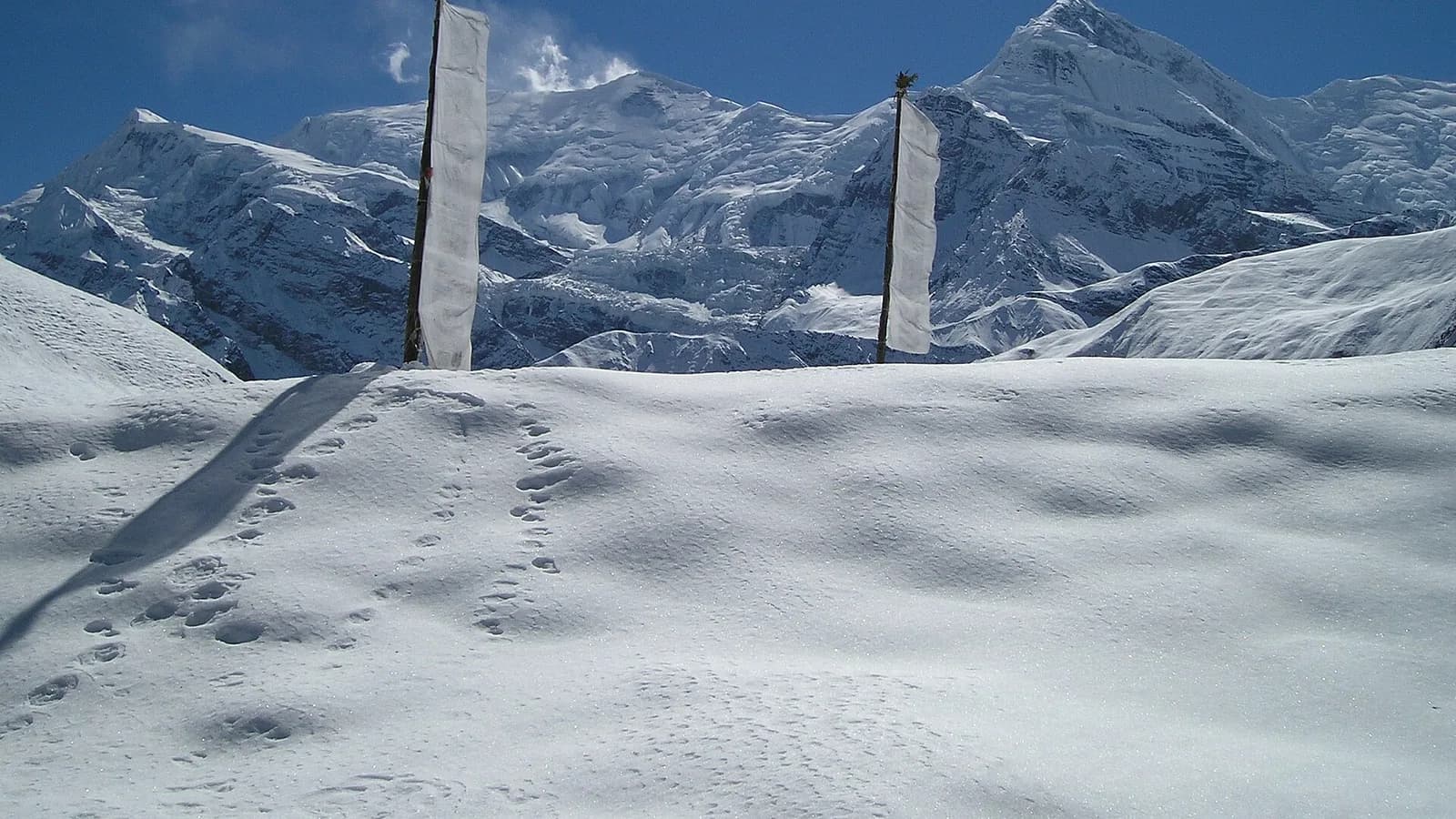
Buying travel insurance for trekking Nepal is the single most important piece of admin you will do before you fly — and the one most travellers skim. The Himalayas have no roads above the trailheads, altitude sickness is common, and a helicopter is often the only way out. Yet most standard travel policies stop covering you at an altitude you will pass on day two of an Everest or Annapurna trek. This guide explains what to look for, what the numbers actually mean, and the small print that quietly voids claims.
Key takeaways
- Standard travel insurance often caps trekking somewhere between 3,000m and 4,600m; Himalayan teahouse treks routinely go higher, so you usually need a high-altitude add-on.
- For Everest Base Camp (5,364m) or an Annapurna pass like Thorong La (5,416m), look for a policy explicitly covering trekking to at least 6,000m.
- Helicopter rescue and emergency medical evacuation are the cover that matters most — prioritise a high evacuation limit over a slightly cheaper premium.
- The UK FCDO explicitly advises insurance that includes mountain rescue and helicopter costs, and warns of a guide-driven rescue scam.
- Insurance is not clearly a government legal requirement on the official Nepal Tourism Board pages, but most registered agencies require proof of cover to issue your permit.
- Buy early, read the altitude clause in the actual policy wording, and carry the emergency number on paper.
Why trekking insurance is different from normal travel cover
A regular travel policy is built for cities, beaches and the occasional day hike. It assumes you can reach a hospital by road. Nepal's trekking regions break that assumption: above the last roadhead, evacuation usually means a helicopter, and the bill lands on you unless your policy is written for the mountains.
Two clauses separate a useful trekking policy from a useless one: the maximum trekking altitude it covers, and the emergency evacuation limit. Everything else — baggage, cancellation, delays — is secondary when you are at 4,800m with worsening symptoms. Our companion piece, what Nepal trekking insurance must actually cover, drills into those two clauses in detail; this guide is the wider buyer's walk-through.
What the UK government actually says
The UK Foreign, Commonwealth and Development Office (FCDO) travel advice for Nepal is blunt: "Make sure your insurance includes cover for mountain rescue services and helicopter costs." It also flags altitude as a year-round hazard "especially above 3,000m" and warns of a specific con — "some trekking guides taking inexperienced trekkers to high altitudes too quickly, and then calling in expensive helicopter medivacs from which the guides take a cut." That is an official government source telling you, in plain terms, what your policy must do.
The altitude clause: the number that decides everything
Most mainstream insurers tier their trekking cover by altitude. The exact bands vary, but they tend to look like this:
| Cover level | Typical altitude band | Suitable for | |---|---|---| | Standard travel policy | Up to ~3,000m | Kathmandu Valley, Pokhara, Chitwan, Lumbini, low day hikes | | Adventure / mid add-on | ~3,000m to 4,600m | Poon Hill, Langtang, Annapurna Base Camp (4,130m) | | High-altitude / extreme add-on | Up to ~6,000m | Everest Base Camp, Annapurna Circuit, Manaslu, Mustang | | Mountaineering policy | Technical climbs, ropes | Island Peak, Mera Peak and other climbing peaks |
As a concrete example, True Traveller's structure runs from a standard ceiling around 3,000m, through an Adventure Pack to roughly 4,600m, up to an Extreme Pack for trekking at 4,600m and above — with a hard ceiling of 6,000m that, like most mainstream insurers, it will not exceed for trekking. World Nomads, popular with Western trekkers, states that hiking up to 19,685 feet (about 6,000m) "is covered under all plans," which it notes covers Everest Base Camp.
The lesson: read the altitude limit in the policy wording, not the marketing page. If a policy says "trekking covered" without a number, call and get the altitude in writing before you buy.
Match the policy to your actual trek
Pick the altitude band from your highest point, not your average day:
- Everest Base Camp is 5,364m; the popular Kala Patthar viewpoint is about 5,545m. Aim for 6,000m cover.
- Annapurna Circuit crosses Thorong La at 5,416m. Aim for 6,000m cover.
- Annapurna Base Camp tops out near 4,130m — a mid-tier add-on may suffice, but check the exact figure.
- Manaslu and Upper Mustang also push past standard limits; see our Manaslu Circuit guide and Upper Mustang permit guide for route specifics.
If you are unsure how high your itinerary goes, your agency's day-by-day plan lists the elevations. Buy for the highest one.
Helicopter evacuation: the cover that earns its keep
This is the part travellers underestimate. With no roads in the high valleys, a serious case of altitude sickness, injury or illness is most often evacuated by helicopter to a hospital in Kathmandu or Pokhara. The severe forms of altitude sickness — HAPE (fluid in the lungs) and HACE (brain swelling) — can develop within hours and be fatal, which is why fast air rescue exists in the first place. Our altitude sickness guide covers the symptoms that justify a real evacuation.
What a rescue costs
Figures vary by operator, altitude, distance and weather, but the ranges cited across Nepali operators and insurance guides are consistent enough to plan around (all approximate, as of mid 2026):
| Scenario | Typical cost range (USD) | |---|---| | Everest-region helicopter rescue to Kathmandu | ~3,500 to 8,000 | | Complex or very high-altitude pickup, bad weather | up to 10,000 or more | | Hospital treatment on arrival | varies widely | | Repatriation home for serious cases | can run into the tens of thousands |
Without valid insurance, you or your family pay that directly. That is the whole argument for cover: a policy in the low hundreds of dollars stands between you and a five-figure bill.
How much cover to buy
Guidance from Nepali trekking operators commonly recommends medical cover of at least USD 100,000 and the highest evacuation ceiling you can reasonably get. The priority order matters: a cheaper premium with a low evacuation cap is worse value than a slightly dearer policy with a high one, because the evacuation limit is what actually gets tested on a Himalayan trek. Confirm that "helicopter" or "mountain rescue" is named specifically, not just generic "medical evacuation," which some policies satisfy with a road ambulance.
The small print that voids claims
Even a high-altitude policy can leave you exposed if you miss these clauses.
Call before you fly out
Most insurers require you to contact their 24/7 emergency assistance team and get the evacuation authorised before the helicopter is dispatched. World Nomads, for example, stresses you are only fully covered if you contact the emergency team before any evacuation. Skip that call and the insurer may refuse to reimburse, even for a genuine rescue. Save the number on paper in your daypack and in your phone with the country code.
Excesses and add-on endorsements
Some policies apply a fixed excess to helicopter claims regardless of plan — True Traveller, for instance, notes a non-waivable excess on Nepal helicopter rescue costs. Others require you to add a "trekking in Nepal" endorsement to the certificate; the base travel policy alone will not cover the trek. Read the certificate, not just the brochure.
Age, pre-existing conditions and solo trekking
High-altitude packs sometimes carry age caps — older travellers may be limited to a lower altitude tier. Declare any pre-existing conditions (asthma, heart issues) that altitude could worsen, or a claim can be denied. And check how the insurer treats solo or porter-only trekking; some exclude it. Since the guide-and-permit rules tightened, fewer people trek truly solo — see do I need a guide to trek in Nepal — but if you walk with only a porter, an insurer may still class you as solo.
Is insurance actually mandatory in Nepal?
You will read everywhere that insurance is "mandatory" for trekking in Nepal since 2024. The reality is more nuanced, and worth getting right.
The official Nepal Tourism Board TIMS card page sets out who needs a guide and a permit and lists the controlled routes, but it does not state travel insurance as a legal requirement, and the TIMS fee itself is listed as NPR 1,000 for SAARC nationals and NPR 2,000 for others (as of mid 2026). In other words, there is no clearly published government law on the official page making insurance a condition of entry.
In practice, however, most government-registered trekking agencies — the ones who must issue your TIMS card and arrange permits — require proof of insurance before they will book you, and reputable operators treat it as non-negotiable. So the honest summary is: not provably a government legal mandate on the official pages, but effectively required by the agencies you must trek through. Either way, you want a valid policy in hand. For the permit system itself, see our Nepal trekking permits overview and the TIMS card explainer; region-specific permit detail lives in the Everest Base Camp permits guide.
A simple buying checklist
Work through this before you pay:
- Altitude limit in the policy wording covers your highest point — aim for 6,000m for Everest or Annapurna passes.
- Helicopter / mountain rescue named specifically, with the highest evacuation limit you can get.
- Medical cover of at least USD 100,000.
- Trekking endorsement / add-on applied to the certificate if required.
- Emergency assistance number noted on paper and in your phone.
- Pre-existing conditions declared; age limits and solo-trekking rules checked.
- Bought early, before you fly, so it is active when permits are checked.
- A copy emailed to family and your guide told the insurer and policy number on day one.
Insurance and the rescue scam
Insurance and the well-documented helicopter rescue scam are linked. The FCDO and Nepali operators both describe rings where guides exaggerate mild symptoms to trigger an unnecessary, insurance-funded evacuation and pocket a commission. The defence is the same knowledge that makes you a good policyholder: understand what your cover does, insist on calling your own insurer's assistance line first, and book through a reputable, fairly paying agency. Informed trekkers are poor targets. For the wider picture, read up on common Nepal tourist scams and whether Everest Base Camp is safe.
The bottom line
Travel insurance for trekking Nepal is cheap relative to what it protects against, but only if it is the right policy. Buy for your highest altitude, prioritise a generous helicopter evacuation limit, read the authorisation and excess clauses, and have it active before you reach the first permit checkpoint. The cheapest mistake is being uninsured; the most expensive is discovering at 4,800m that your cover stopped at 4,600m.
Sources
Frequently asked questions
- Is travel insurance legally required to trek in Nepal?
- The official Nepal Tourism Board TIMS page lists guide and permit rules but does not name insurance as a legal requirement; in practice most registered agencies require proof of cover before they issue your permit, so treat it as effectively mandatory.
- What altitude does my policy need to cover for Everest Base Camp?
- Everest Base Camp sits at 5,364m and the nearby Kala Patthar viewpoint at about 5,545m, so look for a policy that explicitly covers trekking to at least 6,000m to leave a safety margin.
- How much does a helicopter rescue in Nepal cost without insurance?
- Operator and insurance guides put a typical Everest-region evacuation in the range of roughly USD 3,000 to USD 10,000 or more depending on altitude, distance and weather (as of mid 2026), all payable by you if you are uninsured.
- Does standard travel insurance cover high-altitude trekking?
- Usually not above its stated altitude limit; many basic policies cap trekking around 3,000m to 4,600m, so you typically need an adventure or high-altitude add-on to reach Everest or Annapurna pass elevations.
- Do I have to call the insurer before a helicopter is sent?
- Most insurers require you to contact their 24/7 emergency assistance line and get authorisation before an evacuation, or they may refuse to reimburse the flight, so save that number on paper and in your phone.
- What helicopter and medical cover amounts should I aim for?
- Guidance from Nepali operators commonly suggests medical cover of at least USD 100,000 and the highest evacuation ceiling you can get, prioritising the coverage limit over a slightly cheaper premium.
- Does insurance protect me from the helicopter rescue scam?
- Indirectly yes — the UK FCDO warns some guides push unnecessary medivacs to take a cut, and knowing your policy terms plus calling your insurer first makes you a far harder target.
- When should I buy the policy?
- Buy it well before you fly rather than at the trailhead, since some policies do not cover claims made in the first day or two and you want the certificate ready when permits are checked.
Related posts
How to Choose the Best Trekking Agency in Nepal (2026)
A practical buyer's guide to choosing a trekking agency in Nepal: TAAN registration, the licences to check, fair pricing, and the red flags to avoid.
Read postHelicopter Evacuation Insurance Nepal: 2026 Guide
Helicopter evacuation insurance for Nepal is now mandatory and tangled in a fake-rescue scandal. How to buy it and protect your claim in 2026.
Read postHiring a Private Guide in Nepal: An Honest 2026 Guide
How to hire a private guide in Nepal: the 2023 licence rule, agency versus direct hire, fair day-rates, what to ask, and the red flags to avoid.
Read post