Short Treks Nepal: Best Routes Under a Week
A guide to the best short treks Nepal offers — Poon Hill, Mardi Himal, Langtang and Everest View — with days, difficulty, permits and best season.
You do not need three weeks and an expedition budget to stand below an 8,000-metre wall at sunrise — some of Nepal's best mountain views are only a few days' walk away.
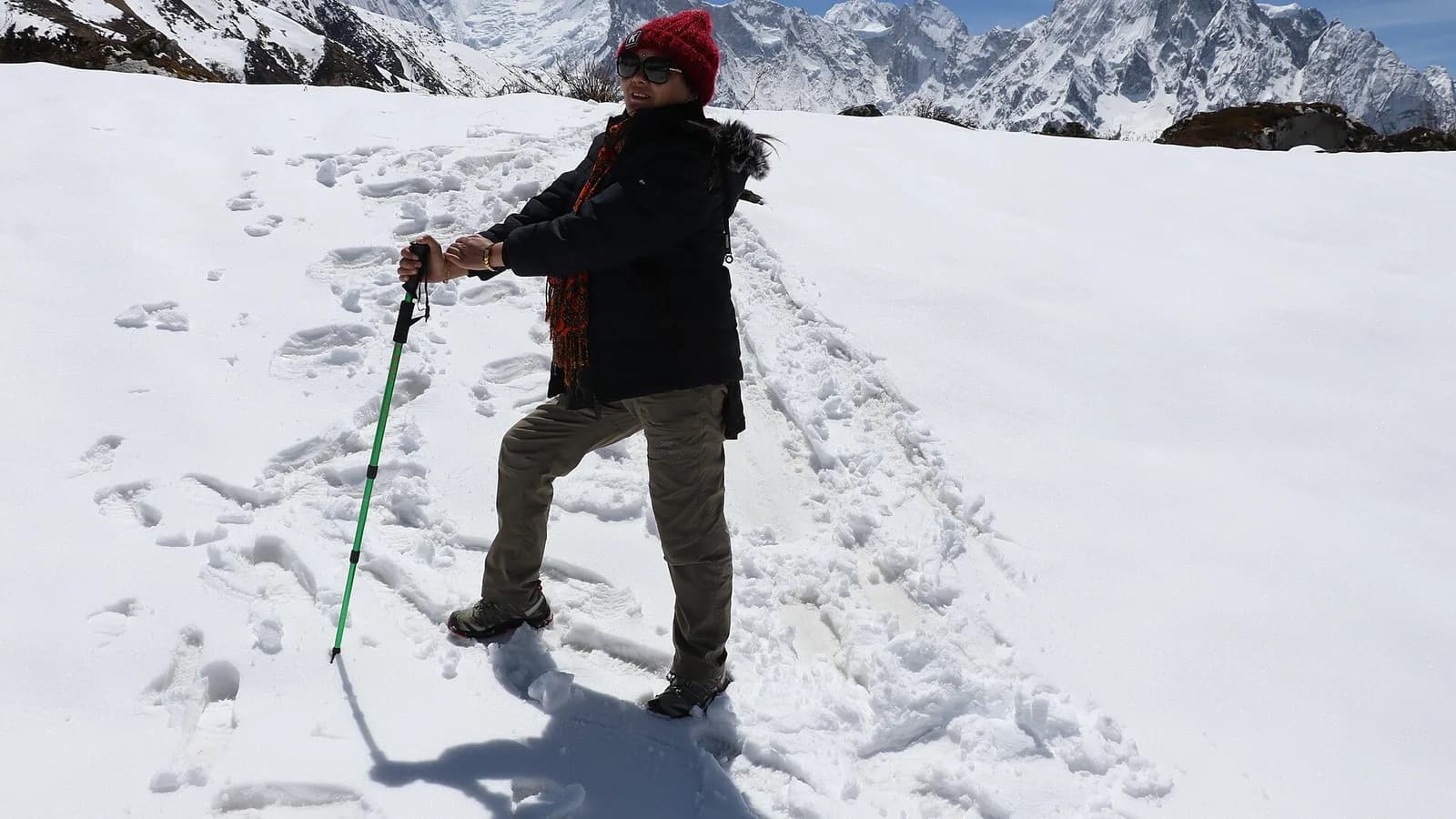
You do not need three weeks, a tent or an expedition budget to walk in the Himalaya. Some of the best short treks Nepal has to offer pack genuine high-mountain sunrises, terraced villages and warm teahouse nights into four to eight days — short enough to slot into a two-week holiday alongside Kathmandu, Pokhara and a safari. This guide rounds up the most rewarding routes you can finish in under a week or so, with realistic day counts, difficulty, the permits you will need, and the seasons that give the clearest skies.
If you are weighing up a longer adventure too, it is worth reading our overview of trekking in Nepal for the bigger picture before you choose.
Key takeaways
- The most popular short treks — Ghorepani Poon Hill, Mardi Himal, Langtang Valley and the Everest View trek — each fit into roughly four to eight days of walking.
- They stay at lower altitudes than the big base-camp routes, so they are rated easy to moderate and suit fit beginners and families.
- Since April 2023 foreign trekkers in Nepal's national parks and conservation areas must walk with a licensed guide, not fully solo.
- The Annapurna routes need the ACAP permit (NPR 3,000 for foreign nationals, including tax, as of June 2026); permit and TIMS rules differ by region, so confirm with your agency.
- Spring and autumn give the best conditions, with the clearest post-monsoon skies in October and November, per the Nepal Tourism Board.
What counts as a "short" trek in Nepal
There is no official definition, but in practice a short trek is one you can complete in roughly four to eight days of walking, sleeping in teahouses rather than camping, and without crossing extreme high passes. That puts it well within reach of a standard holiday: you fly into Kathmandu, travel to a trailhead near Pokhara or take a short flight toward the Everest region, walk for under a week, and still have time for the Kathmandu Valley or Chitwan's wildlife.
Short does not mean dull. Because Nepal's foothills rise so steeply, even a few days of walking can put a wall of 7,000- and 8,000-metre peaks on your horizon. What you trade away compared with longer routes is the deep, remote, multi-week immersion — not the scenery.
Short treks at a glance
| Trek | Typical days | Highest point | Difficulty | Region | | --- | --- | --- | --- | --- | | Ghorepani Poon Hill | 4–5 | ~3,210 m (Poon Hill) | Easy–moderate | Annapurna | | Mardi Himal | 5–7 | ~4,200 m (viewpoint) | Moderate | Annapurna | | Langtang Valley | 5–8 | ~3,830 m (Kyanjin Gompa) | Moderate | Langtang | | Everest View / Panorama | 5–7 | ~3,880 m (Hotel Everest View) | Moderate | Khumbu/Everest |
Day counts vary by operator and pace, and most exclude the extra travel days to and from Kathmandu. Treat the figures as a planning guide, not a fixed schedule.
Ghorepani Poon Hill: the classic first trek
The Ghorepani Poon Hill trek is the route most people picture when they think "easy Himalayan trek." It is a short loop in the Annapurna foothills, usually done in four to five days from Pokhara, and it is sometimes nicknamed a "mini Annapurna" introduction. The headline moment is the pre-dawn climb to the Poon Hill viewpoint at about 3,210 m, where on a clear morning the sun lights up Dhaulagiri, Annapurna South and the fishtail spire of Machhapuchhre.
Altitude stays modest, the trail is well served by teahouses, and there is no technical climbing — just a famous, leg-testing stone staircase near Ulleri. That combination makes it a favourite for first-timers and families. The route also threads through Gurung and Magar villages, including the hub of Ghandruk, and links naturally into the wider Annapurna trails. For a full breakdown, see our dedicated Ghorepani Poon Hill trek guide.
Mardi Himal: a step up in altitude and drama
If you want something a little more adventurous than Poon Hill but still under a week, Mardi Himal is the obvious pick. Also starting from near Pokhara, it typically runs five to seven days and climbs a forested ridge to a high viewpoint around 4,200 m, directly beneath the Machhapuchhre (Fishtail) massif. The views are closer and more dramatic than Poon Hill's, and the upper ridge can feel wonderfully wild despite the trek's short length.
It is rated moderate rather than easy, mostly because of that higher viewpoint and some exposed, steep sections near the top. It remains a teahouse trek with no technical skills required. Many trekkers combine it with Poon Hill or Ghandruk to build a fuller week. Our Mardi Himal trek guide covers the route in detail, and the nearby Khopra Ridge trek is another quieter alternative in the same hills.
Langtang Valley: the short trek closest to Kathmandu
The Langtang Valley trek stands out because it does not require a flight or the long drive to Pokhara — the trailhead at Syabrubesi is reached by road from Kathmandu. The walk up the valley to Kyanjin Gompa (about 3,830 m) is commonly done in five to eight days, covering somewhere around 60 to 70 km round trip depending on the itinerary and where you start.
Langtang offers glaciated peaks, yak pastures and strong Tamang and Tibetan-influenced culture, with a side hike above Kyanjin Gompa for even bigger views. The valley was hit hard by the 2015 earthquake and has since been rebuilt, and trekking here also directly supports the recovery of local communities. If that history matters to you, read Langtang Valley trek after the earthquake alongside our main Langtang trek guide.
Everest View trek: see Everest without Base Camp
You can stand in the shadow of the world's highest mountains on a short trek too. The Everest View trek — also called the Everest Panorama trek — flies you into Lukla and walks up to Namche Bazaar and Tengboche over roughly five to seven days, with views of Everest, Lhotse and Ama Dablam, before turning back. It skips the long, high push to Base Camp, so it is significantly shorter and easier.
A typical itinerary includes an acclimatisation day at Namche with a side hike toward the Hotel Everest View (around 3,880 m) and the Sherpa village of Khumjung, plus a visit to the famous Tengboche Monastery. Prior trekking experience is not essential. The trade-off is that this region still involves altitude and a mountain flight, so build in the acclimatisation day rather than rushing. See our Everest View trek guide for the full plan, and weigh it against the full Everest Base Camp trek if you have more time.
Permits, guides and rules
Short does not mean rule-free. Two things matter for almost every trek in Nepal: permits and the guide requirement.
Permits
For the Annapurna routes (Poon Hill, Mardi Himal), you need the Annapurna Conservation Area Permit (ACAP), which costs NPR 3,000 for foreign nationals and NPR 1,000 for SAARC nationals, including tax, as of June 2026. Langtang requires a Langtang National Park entry permit, and the Everest region uses its own local permits for Sagarmatha National Park and the Khumbu area. The long-standing TIMS card system has changed in recent years and is applied differently by region — for the Annapurna area in particular, several operators report it is no longer collected at checkpoints — so always confirm the current requirement with a registered agency before you travel.
The guide rule
Since 1 April 2023, Nepal has required foreign trekkers in its national parks and conservation areas to walk with a licensed guide registered through an authorised agency, rather than trekking fully independently. The rule was introduced for safety, to make sure lost, sick or stranded trekkers can get help quickly, and it applies to groups as well as solo walkers; Nepali citizens are exempt. For the practical implications, see do I need a guide to trek in Nepal.
Best season and how to prepare
The Nepal Tourism Board names spring (roughly February to May) and autumn (roughly September to November) as the best windows for trekking. Autumn after the monsoon brings the clearest skies, especially in October and November, while spring adds rhododendron blooms across the hills. The summer monsoon is lush but wet and cloud-prone, and winter is cold with possible snow at higher viewpoints like Poon Hill or Kyanjin Gompa. Our guide to the best season to trek in Nepal goes month by month.
Even on a short, low trek, a little preparation pays off:
- Fitness: expect several hours of walking a day with long ups and downs. Some pre-trip hill walking helps enormously.
- Footwear: broken-in boots and good socks prevent the blisters that ruin short trips.
- Altitude awareness: these routes are lower than the base-camp treks, but Mardi Himal and the Everest View trek still climb high enough that you should pace yourself, hydrate and tell your guide if you feel unwell.
- Cash: card payment is rare on the trail, so carry enough Nepali rupees for food, lodging and tips.
Sources
- Nepal Tourism Board — Trekking in Nepal
- Nepal Tourism Board — Climate in Nepal
- Nepal Tourism Board — TIMS Card
- Himalayan Dream — Top Short Treks in Nepal 2025/2026
- Amazing Nepal Trek — Top Short Treks You Can Do in Under a Week
- Shikhar Adventure — Annapurna Trek Permits (2025): TIMS & ACAP Explained
- The Longest Way Home — Mandatory Trekking Guide Rule in Nepal
- Ace the Himalaya — Langtang Valley Trek Distance
- Much Better Adventures — Everest View Trek Guide
Frequently asked questions
- What is the best short trek in Nepal for beginners?
- The Ghorepani Poon Hill trek is the usual first choice. It runs about four to five days from Pokhara, stays at modest altitude near 3,210 metres at the viewpoint, sleeps in comfortable teahouses, and rewards an easy pre-dawn climb with a sunrise over Annapurna and Dhaulagiri. Mardi Himal and a short Langtang itinerary are good next steps.
- How many days do you need for a short trek in Nepal?
- Most short treks fit into four to eight days of walking, plus a day or two for travel from Kathmandu or Pokhara to the trailhead and back. Poon Hill can be done in roughly four to five days, Mardi Himal and Langtang Valley in about five to eight, so a one-week trip in Nepal is realistic for any of them.
- Do I need a guide for short treks in Nepal?
- For most national parks and conservation areas the answer is yes. Since April 2023 Nepal has required foreign trekkers on these routes to walk with a licensed guide rather than fully solo, a rule introduced for safety. A registered agency in Kathmandu or Pokhara arranges the guide and your permits together.
- What permits do I need for a short trek in the Annapurna region?
- You need the Annapurna Conservation Area Permit, which costs NPR 3,000 for foreign nationals and NPR 1,000 for SAARC nationals including tax as of June 2026. TIMS card requirements have changed in recent years and are applied differently by region, so confirm the current rules with your agency before you go.
- What is the best season for short treks in Nepal?
- Spring, roughly February to May, and autumn, roughly September to November, are the prime windows according to the Nepal Tourism Board. Autumn after the monsoon gives the clearest skies, especially October and November, while spring brings rhododendron blooms. The summer monsoon is green but wet and cloudy, and winter is cold with possible snow up high.
- Can you see Mount Everest on a short trek?
- Yes. The Everest View trek, sometimes called the Everest Panorama trek, reaches Namche Bazaar and Tengboche over roughly five to seven days from Lukla and offers views of Everest, Lhotse and Ama Dablam without going all the way to Base Camp. It is far shorter and easier than the full Everest Base Camp trek.
- Are short treks in Nepal hard?
- Most are rated easy to moderate and suit reasonably fit beginners. You still face long uphill stretches, stone staircases and several hours of walking a day, so basic fitness, broken-in boots and trekking poles help a lot. Because the altitudes are lower than the big base-camp treks, serious altitude sickness is less common but not impossible.
- Which is better, Poon Hill or Mardi Himal?
- Both start near Pokhara and both are excellent. Poon Hill is shorter, gentler and famous for its sunrise panorama, making it ideal for first-timers and families. Mardi Himal climbs a little higher to a viewpoint around 4,200 metres for closer, more dramatic views of the Machhapuchhre wall, so it suits trekkers wanting a slightly bigger challenge.
Related posts
Beginner Treks Nepal: 6 Easy Himalayan Trails
The best beginner treks in Nepal — short, low-altitude trails like Poon Hill, Mardi Himal and Langtang, with permits, costs and seasons explained.
Read postEasy Treks in Nepal: 6 Beginner Routes for 2026
The best easy treks in Nepal for beginners — Poon Hill, Everest View, Langtang and more, with altitudes, days, permits and the 2023 guide rule.
Read postGhorepani Poon Hill Trek: A Beginner's Guide
Plan the Ghorepani Poon Hill trek — the famous Poon Hill sunrise, route and itinerary, permits, costs and best season in the Annapurna foothills.
Read post