What to Pack for a Nepal Trek: Complete Gear List
What to pack for a Nepal trek — a layered clothing system, footwear, sun protection, water purification, permits, and what to rent in Kathmandu.
Pack for the coldest dawn and the brightest noon — the Himalaya gives you both in one day.
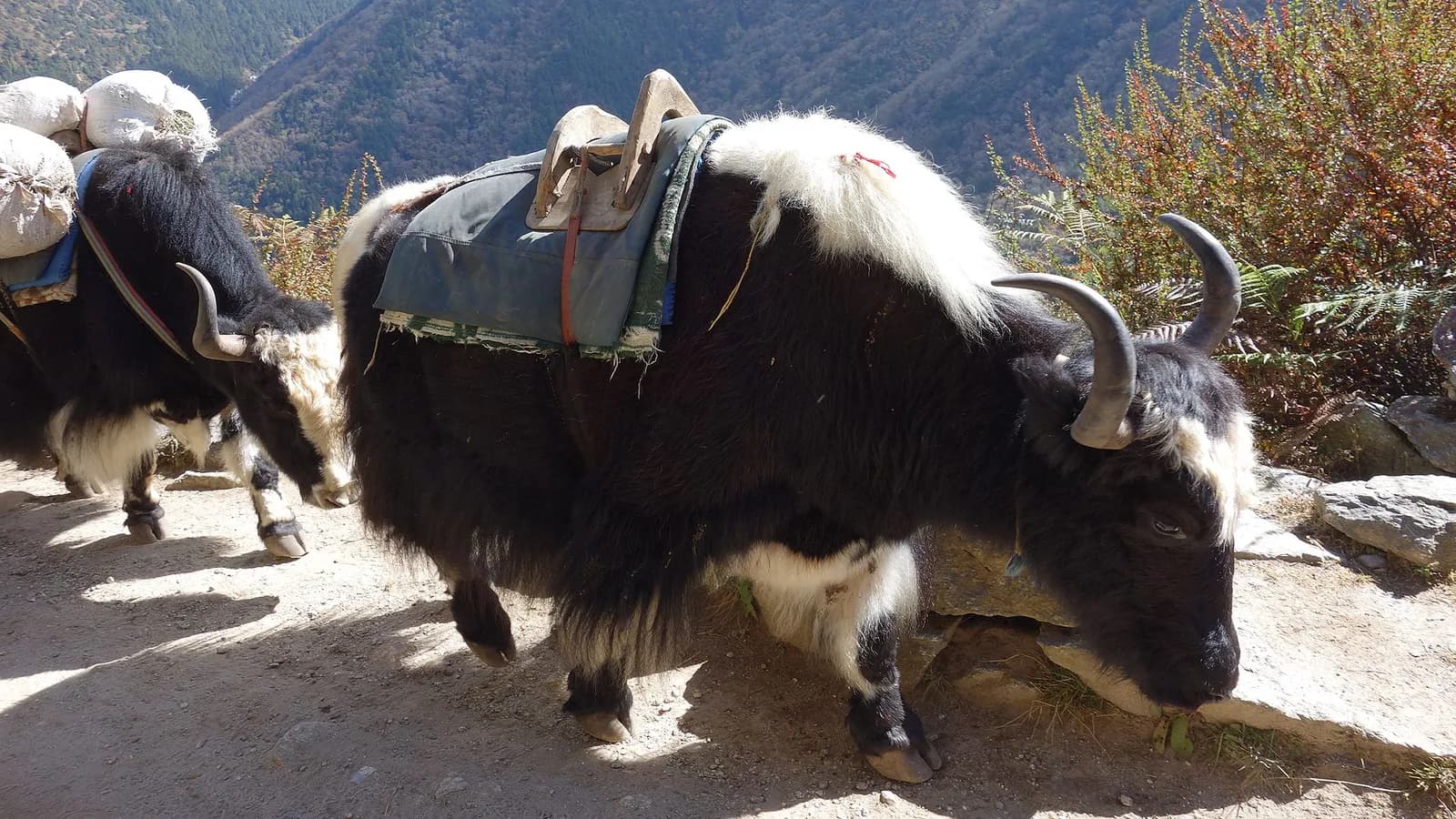
Working out what to pack for a Nepal trek is the difference between a trip you remember fondly and one you spend cold, blistered, or sunburned. The Himalaya is generous with extremes: a single trekking day can start at a frosty teahouse dawn, climb through fierce high-altitude sun, and end in a snow flurry on a pass. The goal of this guide is a sensible, weight-conscious kit that handles all of that without leaving you hauling things you never use. We will cover the layering system, footwear, sun protection, hydration, documents, and what is smarter to rent in Kathmandu than buy at home.
This is the general, all-routes version. If you are headed for a specific high-altitude classic, pair it with our Everest Base Camp packing list, and for a refreshingly honest take on what trekkers carry but never use, read what porters see tourists overpack.
Key takeaways
- Layer, do not bulk up. A base layer, mid-layer, down jacket, and waterproof shell cover almost every condition between valley and pass.
- Footwear decides your trek. Broken-in, supportive boots prevent the blisters and rolled ankles that cut trips short.
- High-altitude sun is a safety issue, not just a comfort one. Quality sunglasses, SPF 50 sunscreen, and a sun hat prevent snow blindness and burns.
- Purify your own water. A SteriPEN, filter, or tablets save money and reduce plastic waste; single-use bottles are restricted on popular routes.
- Rent the bulky stuff in Kathmandu. Down jackets, sleeping bags, and poles are easy and cheap to hire in Thamel.
- Know the 2026 rules before you pack. Most regions now require a licensed guide, and you should carry permits, passport copies, and cash.
Build a layering system, not a wardrobe
Nepal's mountain weather can shift from sunny to snowy within hours, so layering beats packing one heavy coat. Layers let you shed heat on a steep climb and trap it the moment you stop. Build around four pieces.
The four core layers
- Base layer: Moisture-wicking merino wool or synthetic tops and bottoms that dry quickly and insulate even when slightly damp. Two of each is enough — wear one, wash one.
- Mid layer: A lightweight fleece adds warmth and breathes well as a second layer; it is not usually weatherproof, so it lives under your shell when the wind picks up.
- Insulation: A packable down jacket is invaluable in high alpine air. Aim for one that keeps you warm down toward -10C for cold mornings and evenings.
- Shell: A hooded, waterproof, breathable jacket — nylon or Gore-Tex with a full front zip — blocks wind, rain, and snow. Waterproof shell trousers matter on high passes that can deliver snow without warning.
Don't forget the extremities
Heat escapes fastest from your head and hands. Pack a warm hat, a sun hat for glare, a buff or neck gaiter for cold air and trail dust, and both light and heavy gloves. On the highest, coldest stretches, mittens hold warmth better than fingered gloves.
| Layer | Example items | How many | | --- | --- | --- | | Base | Merino or synthetic top and bottom | 2 each | | Mid | Light fleece or insulated mid-layer | 1 | | Insulation | Packable down jacket (to about -10C) | 1 | | Shell | Waterproof jacket and trousers | 1 each | | Extremities | Warm hat, sun hat, buff, gloves and mittens | 1 set |
Footwear: where comfort is won or lost
Sturdy, well-broken-in trekking boots are the single most important item on this list. New boots straight out of the box are a recipe for blisters on long Himalayan trails, so wear them on training walks for weeks beforehand. Look for waterproofing and ankle support, since trails mix rock, mud, and the occasional snow patch.
Add mid-weight trekking socks — four pairs of merino is plenty for a long trek — and a lightweight pair of camp shoes or sandals to give your feet a break in the lodge each evening. If your itinerary crosses high snowy passes, a pair of microspikes is a small, cheap insurance against ice.
Sun and eye protection is gear, not an accessory
At 3,000 metres and above, UV intensity climbs with altitude, and snow or glacial surfaces can reflect up to about 90 percent of UV back at your eyes. The reduced atmosphere filters less, so the exposure is genuinely hazardous. Overexposure can cause photokeratitis — snow blindness — a painful eye injury that can develop after only a few hours on bright snowfields.
Choosing sunglasses
- Category 3 lenses suit most trekking days at moderate altitude.
- Category 4 lenses are recommended for bright snow, glaciers, and high passes, where glare is severe.
- Look for wrap-around frames or side shields so light cannot sneak in from the edges, plus an anti-fog coating for temperature swings.
Beyond eyewear, pack SPF 50 sunscreen, an SPF lip balm, and a wide-brim or peaked sun hat. These small items prevent real injury at altitude, where the sun feels deceptively mild but burns fast.
Water, hydration, and going plastic-free
Staying hydrated helps your body acclimatise, but you should never drink untreated tap or stream water. Single-use plastic bottles are restricted on the Everest Base Camp route and discouraged across popular trails to cut Himalayan waste, so plan to treat your own.
| Method | How it works | Notes | | --- | --- | --- | | SteriPEN (UV) | Stir UV light in the bottle for roughly 90 seconds | Battery-powered, chemical-free, fast | | Chlorine tablets | Drop a tablet and wait, usually about 30 minutes | Cheap, light, slight taste | | Filter | Pump or squeeze water through a filter | Removes sediment and many pathogens |
Many teahouses sell boiled or filtered water, and refill stations along the Everest route between Lukla and Gorak Shep sell purified water for roughly NPR 50 to 100 per litre (as of June 2026). Carry two one-litre bottles or a bottle plus a hydration bladder. For more on this, see is the water safe to drink in Nepal.
Sleeping, pack, and the porter's load
Teahouses provide a bed and usually a blanket, but a good sleeping bag is worth bringing, especially in peak season when blankets run short. A bag with a comfort rating near -10C suits most spring and autumn high treks; go warmer for late-autumn or winter. A liner adds a few degrees of warmth cheaply and keeps a rented bag clean.
Split your gear into two bags. A 25 to 35 litre daypack carries what you need on the trail — water, a layer, snacks, sunscreen, valuables, passport, and a rain cover. The bulk goes in a duffel that a porter carries; most operators cap this around 15 kg, and one porter often shares the load between two trekkers, so pack lean out of respect for the person carrying it.
Documents, permits, and money
Nepal's trekking rules changed in recent seasons, so sort paperwork before you pack the duffel. As of the 2025 and 2026 seasons, foreign trekkers in most national parks and conservation areas must hire a licensed guide through a registered agency and carry the correct permits. The old Green independent TIMS card for solo trekkers no longer exists; TIMS is now issued through registered guided groups. One notable exception: the Khumbu Pasang Lhamu Rural Municipality opted out, so the Everest region still allows guideless trekking, though you still need the Sagarmatha National Park and KPL permits.
Permit fees vary by area. As examples (as of June 2026), the Annapurna Conservation Area permit is roughly NPR 3,000 for foreigners, and the Sagarmatha National Park permit is about NPR 3,400 for foreigners; restricted areas cost much more. Always confirm current fees with the Nepal Tourism Board or your agency.
Document and money checklist
- Passport, plus several photocopies and passport photos
- Trekking permits and any restricted-area paperwork
- Travel insurance that explicitly covers high-altitude trekking and helicopter evacuation — see trekking insurance and helicopter evacuation
- Enough Nepali rupees in cash, since ATMs are unreliable at altitude and lodges are cash-only
For the bigger picture on guide rules, read is solo trekking in Nepal allowed.
Health, electronics, and the small stuff
A compact first-aid and toiletries kit earns its weight. Build it around blister care, painkillers, rehydration salts, any personal medication, and items your guide may recommend for altitude. Acclimatising slowly matters more than any pill — our altitude sickness guide explains the warning signs.
For electronics, a headlamp with spare batteries is non-negotiable for pre-dawn starts and dim lodges. A power bank keeps your phone alive between charges, which often cost a fee at altitude. Nepal's sockets are not the same as many home countries, so check our power adapter guide for Nepal before you go.
Easy-to-forget items that punch above their weight
- Quick-dry travel towel
- Trekking poles (great for descents; easy to rent in Thamel)
- Reusable bag for laundry and rubbish
- Earplugs for thin teahouse walls
- A few zip-lock bags to keep documents and electronics dry
Plan around your season
What you pack shifts with the calendar. Autumn and spring bring the clearest skies and the busiest trails, while winter demands warmer insulation and summer adds monsoon rain and leeches at lower elevations. Decide your window first, then tune your insulation and rain gear to match — our best season to trek in Nepal guide breaks down the trade-offs.
A last cultural note: a few words of Nepali go a long way with guides, porters, and teahouse hosts. Skim Nepali phrases every trekker should know before you set off.
Rent or buy? A quick rule
Buy what touches your body for many hours — boots, base layers, socks, and a good shell — because fit and reliability matter. Rent the bulky, single-use cold-weather kit such as down jackets, sleeping bags, and trekking poles in Thamel, where it is plentiful and inexpensive. That keeps your luggage light on the flight in and your pack honest on the trail.
Sources
- TIMS Card — Nepal Tourism Board
- Was Nepal right to ban solo trekking in the Himalayas? — National Geographic
- Trekking in Nepal: The Ultimate Packing Guide — G Adventures
- Nepal Trekking Gears Checklist 2025 — Trekking Trail Nepal
- How to Pick High Altitude UV Protection Sunglasses — Bikat Adventures
- Hydration in the Himalayas — A Complete Guide to Water Purification While Trekking — Himalayan Wonders
- Nepal Trekking Permits & TIMS Card Cost 2026/2027 — Best Heritage Tour
Frequently asked questions
- What clothes do I need for a trek in Nepal?
- A layered system: moisture-wicking base layers, a fleece or light mid-layer, an insulated down jacket, and a waterproof breathable shell, plus trekking trousers, warm and sun hats, and gloves.
- Can I rent trekking gear in Kathmandu?
- Yes. Shops in Thamel rent down jackets, sleeping bags, and trekking poles, which is a popular way to avoid buying bulky cold-weather kit you will only use once.
- What sleeping bag rating do I need for trekking in Nepal?
- For most spring and autumn high-altitude treks aim for a comfort rating around -10C, and go warmer for late-autumn or winter nights; a liner adds cheap extra warmth.
- Do I need a guide to trek in Nepal in 2026?
- For most national parks and conservation areas foreign trekkers must hire a licensed guide through a registered agency; the Everest region municipality opted out and still allows guideless trekking with the right permits.
- How should I purify water on a Nepal trek?
- Carry a SteriPEN, a filter, or chlorine tablets and refill from teahouse boiled water or refill stations, since single-use plastic bottles are restricted on routes like Everest Base Camp.
- What sunglasses are best for high-altitude trekking?
- Use sunglasses with strong UV protection — Category 3 for most days and Category 4 for bright snow and glaciers — because reflected UV at altitude can cause snow blindness.
- How heavy should my trekking backpack be?
- Keep your own daypack light at around 25 to 35 litres for valuables, water, and a layer, and put the bulk of your kit in a duffel that a porter carries, capped near 15 kg by most operators.
- Should I bring cash or rely on cards while trekking?
- Carry enough Nepali rupees for permits, food, charging, hot showers, and tips, because ATMs are unreliable at altitude and most lodges and refill stations are cash-only.
Related posts
Everest Base Camp Packing List (2026 Trekker Guide)
A practical Everest Base Camp packing list — layers, sleeping bag rating, footwear, sun protection, and what to rent in Kathmandu instead of buy.
Read postNepal Trekking Packing List — What Porters See Tourists Overpack
The honest packing list — what you actually need above 3,000m, what 90% of trekkers regret carrying, and the small items that punch above their weight.
Read postABC Trek: A Plain-English Guide to Annapurna Base Camp
The ABC trek (Annapurna Base Camp) explained — the route, how many days it takes, difficulty, the best seasons, and what daily trail life is really like.
Read post