Where to Stay in Pokhara: Neighbourhood by Traveller
Where to stay in Pokhara matched to your trip - Lakeside, Damside, Sarangkot and the quiet hill stays - plus when to book for the best rates.
Almost everyone stays in Lakeside. The trick is matching the corner of Pokhara to the kind of trip you actually came for.
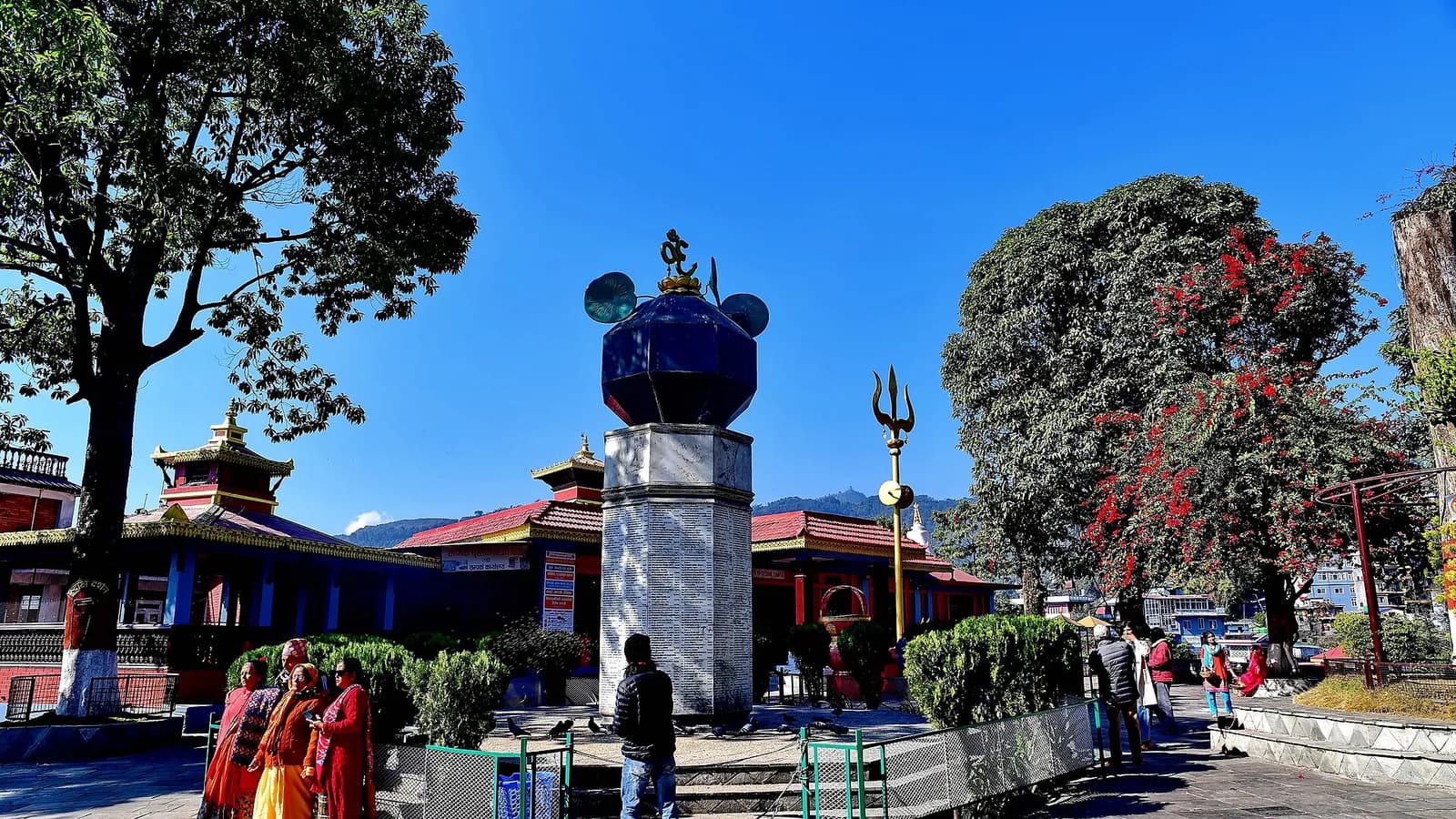
Almost every visitor to Pokhara ends up staying in roughly the same belt of town, so the real question of where to stay in Pokhara is not the city versus somewhere else - it is which corner of the lakeshore (or the hills above it) fits the trip you have planned. Pokhara is Nepal's lake city and the main gateway to the Annapurna treks, and an estimated 40 to 45 percent of all foreign visitors to Nepal pass through it, so the accommodation map is well developed and varied.
This is a complementary, area-by-area companion to our main where to stay in Pokhara hotels guide, which walks through Lakeside itself and what rooms cost. Here the focus is different: matching each neighbourhood to a type of traveller, and getting the booking timing right.
Key takeaways
- Central Lakeside is the default for first-timers: most hotels, most restaurants, easiest walking, but the most noise.
- Northern Lakeside trades a longer walk for a quieter, greener, more scenic stay - good for families and longer visits.
- Damside (Pardi), just south, is the calm, lower-key, often cheaper alternative still close to the lake.
- Sarangkot and the World Peace Pagoda side give the best sunrise and mountain views, at the cost of higher prices and a drive into town.
- Phewa Lake sits at about 742 m (2,434 ft) and reflects the Annapurna and Dhaulagiri peaks, which is why lakeshore and hillside views are the main draw.
- Book two or more weeks ahead for the October to November and March to April peaks, when sources report rates rising roughly 30 to 45 percent (as of June 2026).
Start with the map: how Pokhara is laid out
Pokhara's tourist accommodation clusters around the eastern and southern shores of Phewa Lake, the third-largest lake in Nepal at roughly 5.7 square kilometres. The flat lakeshore strip is split into a few recognisable zones, with the hills behind adding a couple more.
| Area | Character | Best for | |---|---|---| | Central Lakeside | Busy, walkable tourist core | First visit, short stay, nightlife | | Northern Lakeside | Quieter, greener lakefront | Families, longer stays, calm | | Damside / Pardi | Low-key, residential, near the dam | Budget, peace, slower pace | | Sarangkot | Hilltop, sunrise viewpoint | Mountain views, paragliding | | World Peace Pagoda side | Forested ridge above the lake | Seclusion, scenery, a splurge | | Pame / Khahare | Edge of the lake, semi-rural | Budget, fishing, room to breathe |
Most travellers only ever consider the first three, and for good reason - they are flat, walkable, and close to the boats, cafes, and trek logistics. The hill options are a deliberate choice for views and quiet.
Central Lakeside: the easy default
If this is your first time in Pokhara, or your stay is short, central Lakeside is the obvious base. It holds the densest concentration of hotels at every price point, organised along numbered side streets running back from the lakefront road. You can walk to dozens of restaurants serving everything from Nepali dal bhat to Italian and Tibetan food, rent a boat or a bicycle, hire a trekking agency, and find a bar at night without ever getting in a vehicle.
The trade-off is the same one Lakeside has always carried: noise, especially on weekend evenings, plus periodic daytime traffic and construction. If you sleep lightly, ask for a room set back from the main strip. For a wider look at what fills your days here, see our roundup of things to do in Pokhara and the classic Phewa Lake boating outing.
Best for: first-timers, short stays, solo travellers wanting an easy social scene, and anyone who needs gear shops and trek agencies on the doorstep.
Northern Lakeside: quieter, but still by the water
Lakeside runs roughly north to south, and the northern end is noticeably calmer than the centre. Hotels here sit on quieter side streets, the pace eases, and you are closer to the open, undeveloped stretch of the lake. You still get the lakefront promenade and a reasonable spread of restaurants, but the wall of bars thins out.
The cost is a longer walk - or a short taxi ride - to the busiest cluster of nightlife and dining. For families, couples after a relaxed few days, or anyone settling in for a week, that is usually a fair trade.
Best for: families, couples, longer stays, and light sleepers who still want to be on the lake.
Damside (Pardi): the budget-friendly calm
A short walk or taxi ride south of Lakeside brings you to Damside, also known as Pardi, named for its position near the dam at the foot of Phewa Lake. It is the quieter, less touristy, and often slightly cheaper alternative to Lakeside proper. There are fewer restaurants and less buzz, but you keep easy access to the lake and the town.
This is a sensible pick for budget travellers and for anyone who finds central Lakeside too loud but still wants to be within a short stroll or ride of everything. It pairs well with a slow itinerary; if that is your style, our slow travel in Nepal notes are worth a look.
Best for: budget travellers, peace-seekers, and repeat visitors who already know the central strip.
Sarangkot and the hill stays: views over convenience
Above the lake, the ridge of Sarangkot is Pokhara's famous sunrise viewpoint, with a cluster of guesthouses and lodges scattered along the top. Staying up here means waking to the Annapurna and Machhapuchhre (Fishtail) skyline and breathing cleaner air than the valley floor. The price is real: fewer options, higher rates for both rooms and food given the limited competition, and a winding 25 to 30 minute drive down to Lakeside whenever you want the town.
Sarangkot suits travellers whose main goal is the sunrise and the mountain panorama - and it is a natural launch point for paragliding in Pokhara, which mostly takes off from this ridge. If you only want the sunrise without sleeping up there, our Sarangkot sunrise guide explains the early-morning trip from Lakeside instead.
The World Peace Pagoda side
On the forested ridge across the lake sits the World Peace Pagoda, and a small number of retreat-style lodges nearby offer seclusion and some of the best views in the area. These are deliberately quiet, scenic, and priced as a splurge rather than a base for exploring town. Treat them as a getaway-within-a-getaway. See our World Peace Pagoda guide for what the spot itself is like.
Best for: view-chasers, photographers, paragliders, and anyone happy to trade walkable convenience for scenery and quiet.
Match the area to your trip
Putting the zones against traveller types makes the choice quicker.
| If you are... | Stay in | Why | |---|---|---| | A first-time visitor on a short trip | Central Lakeside | Everything walkable, widest hotel choice | | Travelling as a family | Northern Lakeside or Chhorepatan side | Quiet, space, near sights like Devis Falls | | On a tight budget | Damside or Pame / Khahare | Lower rates, calmer, still near the lake | | Chasing sunrise and mountain views | Sarangkot | Best dawn panorama, clean hill air | | After seclusion and scenery | World Peace Pagoda side | Forested quiet, standout lake views | | Staying a week or more | Northern Lakeside or Damside | Calmer base that wears well over time |
If you are weighing Pokhara against the capital for the bulk of your stay, our where to stay in Kathmandu neighbourhood guide uses the same approach for that city.
When to book, and how far ahead
Timing affects both price and availability more than the exact street you pick. Pokhara's two peak windows are autumn (October to November), when the skies are clearest and the Annapurna views sharpest, and spring (March to April). Across these periods, travel and hotel sources report room rates rising by roughly 30 to 45 percent compared with quieter months (as of June 2026), and the better-rated hotels fill early.
- Peak season (Oct to Nov, Mar to Apr): book two or more weeks ahead, especially for popular or lake-view properties.
- Shoulder and off-season: you can often walk in and negotiate, and quieter areas like Damside become even better value.
- Monsoon (roughly June to Sept): the cheapest time, with cloud often hiding the mountains; see our Nepal in monsoon notes before committing.
A practical tip echoed across the area guides: true lake-view rooms are limited and cost extra, and many hotels advertise mountain or garden outlooks instead, so confirm the actual view before you pay for it.
A note on getting there and around
Most travellers arrive from the capital, and the journey shapes your first afternoon. Compare the options in our Kathmandu to Pokhara transport overview - tourist bus, private car, or the short Kathmandu to Pokhara flight. Within town, the Lakeside strip and Damside are flat and walkable, while Sarangkot and the Peace Pagoda side need a taxi, so factor a few short rides into your plans if you base yourself in the hills.
Sources
- Phewa Lake - Wikipedia
- Pokhara and Kaski District overview - Tourism Info Nepal
- Visit Pokhara Year 2025 and tourism push - The Rising Nepal
- Where to Stay in Pokhara: Best Areas & Hotels for 2026 - Hotel Janani
- Lakeside Pokhara Guide - The Longest Way Home
- Sarangkot, Pokhara guide - The Longest Way Home
- Where To Stay In Pokhara: 3 Best Neighborhoods - Trip101
- Best Time to Visit Pokhara - Hotel Janani
Frequently asked questions
- Where is the best place to stay in Pokhara for a first visit?
- Central Lakeside, the strip along Phewa Lake. It has the most hotels at every budget and puts restaurants, boats, and trek agencies within walking distance.
- What is the difference between Lakeside and Damside in Pokhara?
- Lakeside is the main tourist strip with the most choice and the most noise, while Damside (Pardi) to the south is quieter, cheaper, and more low-key.
- Should I stay in Sarangkot instead of Pokhara town?
- Stay in Sarangkot for sunrise views and clean air, but expect higher prices, fewer options, and a 25 to 30 minute drive down to Lakeside for meals and shops.
- Is Pokhara cheaper than Kathmandu for accommodation?
- Broadly similar at each budget level, though Pokhara has more lake-view and resort-style stays, and quieter areas like Damside can be a little cheaper.
- When should I book a Pokhara hotel?
- Book two or more weeks ahead for October to November and March to April, when reputable sources note rates can rise roughly 30 to 45 percent (as of June 2026).
- Which Pokhara area is best for families?
- Northern Lakeside or the Chhorepatan side suits families who want quiet, space, and easy access to sights like Devis Falls, away from the busiest bar streets.
- Can I walk between the Pokhara neighbourhoods?
- You can walk the length of Lakeside and on to Damside, but Sarangkot and the World Peace Pagoda side need a taxi or a planned hike.
- Is it worth paying extra for a lake-view room in Pokhara?
- True lake-view rooms are limited and cost more, so confirm the actual view before booking since many hotels advertise mountain or garden outlooks instead.
Related posts
Where to Stay in Pokhara: A Lakeside Hotels Guide
Where to stay in Pokhara: how Lakeside works, the quiet north vs busy central strip, hotel prices for every budget, and how to pick the right spot.
Read postHostels in Pokhara: Lakeside Backpacker Guide (2026)
Hostels in Pokhara for backpackers — dorm prices, the best Lakeside areas, what to expect inside, booking tips and how to choose well.
Read postBest Hotels in Nepal: A Guide by Region and Budget
How to find the best hotels in Nepal: star ratings, heritage stays, jungle lodges, and what a room costs in Kathmandu, Pokhara, and on the trail.
Read post