Things to Do in Pokhara: 12 Best Experiences (2026)
The best things to do in Pokhara — paragliding off Sarangkot, boating on Phewa Lake, the World Peace Pagoda, Devis Fall, caves, museums and lakeside cafes.
A lake at your feet, the Annapurnas on the skyline, and a paraglider drifting between the two — that is Pokhara in one glance.
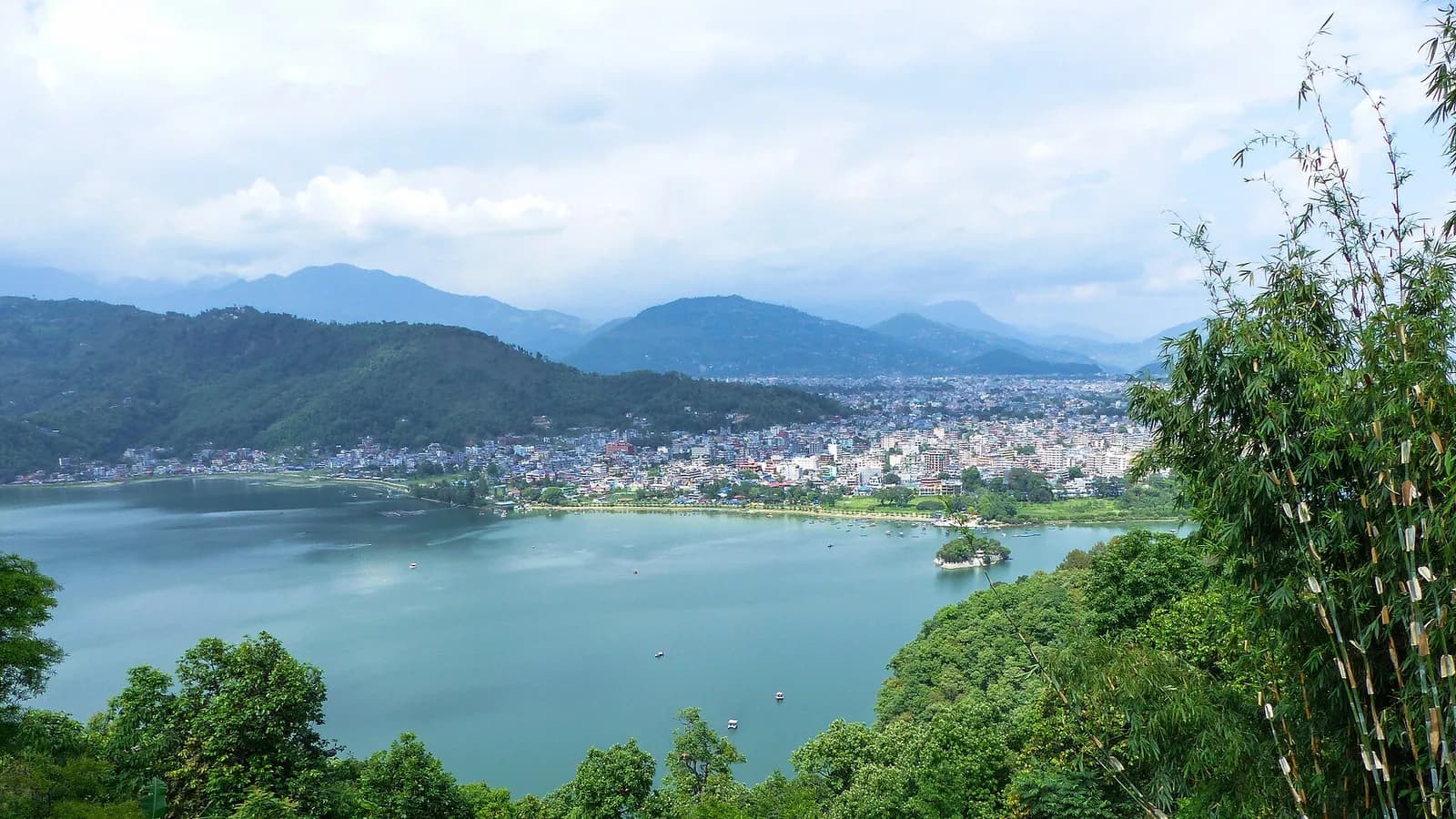
There are few places on earth where you can sip coffee by a still lake at breakfast, soar off a hillside under a paraglider by lunch, and watch the sun set behind an 8,000-metre peak by dinner. Pokhara packs all of that into one easygoing lakeside town, which is exactly why it tops so many Nepal itineraries. This guide rounds up the best things to do in Pokhara — the lake, the viewpoints, the adventures and the quiet corners — so you can build a couple of unforgettable days whether or not you are here to trek.
Pokhara is also Nepal's great trekking gateway, the launch pad for the Annapurna Base Camp trek and the quieter Mardi Himal trek. But it earns its place on the map all on its own.
Key takeaways
- The classic Pokhara trio is paragliding from Sarangkot, boating on Phewa Lake, and the hike to the World Peace Pagoda.
- A Sarangkot sunrise over the Annapurna and Dhaulagiri ranges is the single most photographed moment in town.
- Devis Fall and the Gupteshwor cave sit side by side and make an easy, offbeat half-day.
- For rainy weather or a slower pace, the International Mountain Museum and a Lakeside cafe crawl are reliable fallbacks.
- The clearest mountain views and best flying conditions come in the drier months, roughly October to April.
- Two to three days covers the highlights; add time if you are bookending a trek.
1. Glide over the valley: paragliding from Sarangkot
Pokhara is one of the world's best-known tandem paragliding spots, and for good reason. Reliable thermals, an easy take-off at Sarangkot and a gentle landing near the shore of Phewa Lake combine into a flight that suits complete beginners. You ride in a harness in front of a certified pilot, with nothing to do but take in the lake, the patchwork of rice fields and the Annapurna skyline. On a clear morning it is the most exhilarating thing you can do in Pokhara.
Flights are entirely weather dependent and run best in the clear, dry season. Choose a licensed operator, and do not be shy about checking that the equipment and pilot certification look right — our guide to common tourist scams in Nepal is worth a glance so you book with confidence rather than on the cheapest sticker price.
2. Drift across Phewa Lake by boat
Phewa Lake is the heart of Pokhara, and getting out onto the water is essential. Hire a brightly painted wooden rowboat — or paddle a kayak — from one of the small jetties along Lakeside. Many visitors row out to the Tal Barahi Temple, a small island shrine in the middle of the lake, then carry on to the far shore to begin the climb to the Peace Pagoda. On a calm day the Annapurnas mirror perfectly in the surface, which is why the lakefront is the town's signature view.
3. Climb to the World Peace Pagoda
High on a ridge across the lake stands the gleaming white World Peace Pagoda, a Buddhist stupa built as a monument to peace. The most enjoyable way up is to take a boat across Phewa Lake and then hike up through the forest, roughly an hour of climbing, to reach it. From the top you get a sweeping view back over the lake, the town and the mountains beyond — one of the best free panoramas in Pokhara. You can return the same way or walk down toward Devis Fall.
4. Catch sunrise from Sarangkot
If you do one early start in Pokhara, make it Sarangkot for sunrise. The viewpoint, a short drive uphill from town, faces the full breadth of the high Himalaya — from Dhaulagiri in the west across to Manaslu in the east, with the unmistakable fishtail peak of Machapuchare directly ahead. As the first light hits the snow, the peaks glow gold while the valley below is still in shadow. It is also the take-off point for paragliding, so some visitors combine the two on the same morning.
5. See Devis Fall and the Gupteshwor cave
On the edge of town, Devis Fall (known locally as Patale Chhango) is a waterfall with a twist: instead of tumbling into an open pool, the water vanishes dramatically into an underground tunnel. It is at its most powerful just after the rains. Directly across the road lies the Gupteshwor Mahadev cave, one of Nepal's longer caves, holding shrines to Hindu deities and connecting through to the underground stretch of the falls. The two together make a compact, genuinely unusual half-day.
6. Learn the mountains at the International Mountain Museum
For a change of pace — or a rainy afternoon — the International Mountain Museum is a rewarding stop. Its large halls trace the people, cultures, wildlife and mountaineering history of the Nepal Himalaya, with galleries on mountain communities and famous climbs. It is an easy place to deepen your appreciation of the peaks you have been admiring from the lake, and it works well for families.
7. Wander Lakeside, by day and night
Lakeside is Pokhara's main thoroughfare, a relaxed strip of cafes, bakeries, bookshops, trekking outfitters and craft stalls running alongside Phewa Lake. By day it is the place to browse, refuel and arrange activities. After dark it becomes the town's social centre, with rooftop restaurants and easygoing live-music venues. An evening stroll with the lake lights shimmering is a low-key pleasure in its own right, and a fine way to wind down after a big day out.
8. Escape the crowds at Begnas Lake
When central Pokhara feels busy, Begnas Lake a short drive east offers a quieter, more rural counterpoint. It is a peaceful spot for a slow boat, some local food and a glimpse of countryside life away from the tourist strip. If your idea of a good day is doing very little beside calm water, Begnas is your place.
9. Pick your adrenaline: zipline, ultralight or more
Pokhara has earned its nickname as Nepal's adventure capital, and beyond paragliding there is plenty to get the pulse up:
- Zipline: Pokhara is home to one of the longer and steeper ziplines anywhere, plunging down a hillside at serious speed for a short, sharp thrill.
- Ultralight flights: Small two-seater aircraft take you on scenic loops over the lake, Sarangkot and the Annapurna range, with longer flights climbing high for closer mountain views.
- Cycling and short hikes: Quiet roads and trails around the lake suit a half-day on two feet or two wheels.
The table below sums up the headline experiences and roughly how long each takes, so you can slot them into a tight schedule.
| Experience | Rough time needed | Best for | |---|---|---| | Paragliding from Sarangkot | Half a morning | First-time flyers, big views | | Boating on Phewa Lake | 1–2 hours | Everyone, any pace | | World Peace Pagoda hike | Half a day with boat | Walkers, photographers | | Sarangkot sunrise | Early start, ~3 hours | Mountain views | | Devis Fall + Gupteshwor cave | Half a day | Something different | | International Mountain Museum | 1–2 hours | Rainy days, families |
How long to stay, and when to go
Two to three full days is comfortable for the highlights at a relaxed pace: a lake day, a sunrise viewpoint, the main sights, and one adventure activity. If you are using Pokhara to rest before or after a trek, stretch that to suit — it is a forgiving place to do nothing for a day.
Timing matters most for the mountains. The clearest skies and the sharpest Annapurna views come in the drier months, roughly October to April, which is also when paragliding and ultralight flights run most reliably. The monsoon turns the hills lush and green but often hides the peaks behind cloud. For a fuller picture across the year, see our guide to the best time to visit Nepal.
Getting there and fitting it in
Most travellers reach Pokhara from the capital. You can take a tourist coach along the highway — covered in our guide to the Kathmandu to Pokhara tourist bus — or compare all the options, including flying, in our Kathmandu to Pokhara transport overview. The road journey is scenic but slow, so build in buffer time.
Pokhara also slots neatly into a longer trip. If you are mapping out the whole country, our two-week Nepal itinerary shows how the lake town pairs with Kathmandu, the trekking trails and the lowland parks.
A sensible Pokhara plan
- Day 1: Settle into Lakeside, hire a boat on Phewa Lake, row out to the island temple, then hike up to the World Peace Pagoda for sunset views.
- Day 2: Early start for the Sarangkot sunrise, then either paraglide back down or descend for breakfast; afternoon at Devis Fall and the Gupteshwor cave.
- Day 3: A slower day — the International Mountain Museum, a cycle or short walk around the lake, or a quiet trip out to Begnas, finishing with one last lakeside dinner.
However you arrange it, Pokhara rewards a mix of motion and stillness: a morning in the air or on the water, an afternoon among waterfalls and caves, and an evening watching the light fade over the lake. It is the easiest place in Nepal to feel like you are on holiday — and the perfect base for the mountains that rise just beyond.
Sources
Frequently asked questions
- What are the best things to do in Pokhara?
- The headline experiences are paragliding from Sarangkot, boating on Phewa Lake, walking up to the World Peace Pagoda, watching sunrise over the Annapurnas from Sarangkot, and visiting Devis Fall with the adjacent Gupteshwor cave. Add the International Mountain Museum and a stroll along Lakeside for a full, varied trip.
- How many days do you need in Pokhara?
- Two to three full days is enough to enjoy the lake, a sunrise viewpoint, the main sights and one adventure activity at a relaxed pace. Many travellers also use Pokhara as a rest stop before or after an Annapurna-region trek, in which case an extra day or two is welcome.
- Is Pokhara worth visiting if you do not trek?
- Yes. Pokhara is a genuine destination in its own right, with a lake, viewpoints, waterfalls, caves, museums and a relaxed cafe culture along Lakeside. You can fill several days without setting foot on a multi-day trail.
- Is paragliding in Pokhara safe and when can you do it?
- Pokhara is one of the world's well-known tandem paragliding spots thanks to reliable thermals and an easy take-off at Sarangkot with a landing near Phewa Lake. Flights are weather dependent and run best in the clear, dry months. Always choose a licensed operator and check that the gear and pilot certification look in order.
- What is the best time to visit Pokhara?
- Roughly October to April brings the clearest skies and the sharpest mountain views, which is ideal for paragliding, Sarangkot sunrises and ultralight flights. The monsoon months are greener but often cloudy, hiding the peaks and grounding some flights.
- How do you get from Kathmandu to Pokhara?
- The two common options are a tourist coach along the highway, which takes most of a day, or a short domestic flight of under half an hour. Private cars and shared jeeps are also available. The road journey is scenic but slow, so factor traffic and road conditions into your plans.
- What is there to do in Pokhara at night?
- Lakeside is the hub after dark, with cafes, restaurants, rooftop bars and live-music venues lining the main strip beside Phewa Lake. It is relaxed rather than raucous, and an evening lakeside walk with the lights reflecting on the water is a low-key highlight in itself.
Related posts
Fewa Lake Boating: Boats, Prices & Tips (2026)
A practical guide to Fewa Lake boating in Pokhara: boat types, hiring a boatman, fair prices, life jackets, kayaks and the best time to push off.
Read postHot Air Balloon Pokhara: Cost, Season & 2026 Guide
Hot air balloon Pokhara — sunrise flights over Phewa Lake and the Annapurnas. Cost, best season, what the ride is like, safety and how to book.
Read postPhewa Lake Pokhara: Boating, Tal Barahi & Guide
A guide to Phewa Lake (Fewa Lake) in Pokhara: boating, the Tal Barahi island temple, mountain reflections, costs, best times and practical tips.
Read post