Nepali: What the Word Means for Travellers to Nepal
A traveller's guide to what Nepali means — the language, the people, the rupee, and the food — and how to use the word correctly in Nepal.
One small word — Nepali — stretches across a language, a people, a currency, and a plate of dal bhat.
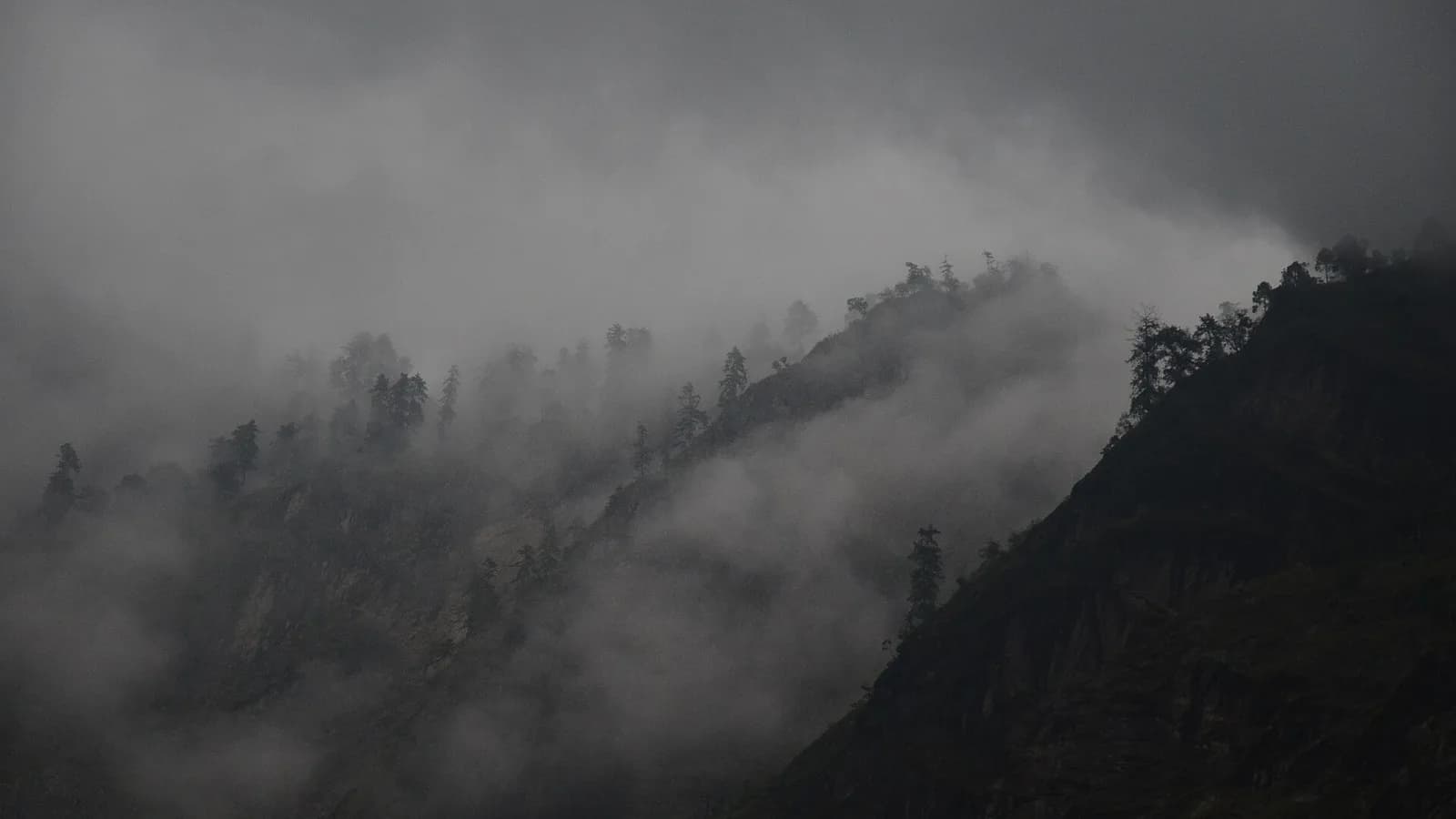
You will see the word Nepali everywhere on a trip to Nepal — on menus, money, language apps and shop signs — and it does not always mean the same thing. Sometimes it names the language, sometimes a person or thing from Nepal, and sometimes it is just shorthand for the country's food, music or money. This short guide untangles the main senses of the word so you can read signs, ask questions and use Nepali correctly while you travel. For a deep dive into the tongue itself, this post complements our full Nepali language guide.
Key takeaways
- Nepali is at once a language, a nationality, and an everyday adjective for things from Nepal — context decides which.
- As a language, Nepali is Indo-Aryan, written in Devanagari, and the official language of Nepal.
- As a demonym, Nepali (or the more formal Nepalese) covers everyone from Nepal, a country of scores of ethnic groups and mother tongues.
- The money is the Nepalese rupee (NPR), the only legal tender inside the country.
- The food most people mean by Nepali food is dal bhat — lentils, rice and vegetable curry.
- You do not need to speak Nepali to travel, but a few words go a long way.
"Nepali" the language
In its most common sense, Nepali is the name of a language. It is the official language of Nepal and the country's main shared tongue — the bridge that lets people from many different communities understand one another. It belongs to the Indo-Aryan branch of the Indo-European family, the same broad family as Hindi and Bengali, and it is written in the Devanagari script, read from left to right.
According to Nepal's 2021 census, Nepali was the mother tongue of about 44.86% of the population and a second language for many millions more, making it by far the most widely understood language in the country. Language references such as Britannica put total speakers, including those in neighbouring parts of India, at more than 17 million.
A frequent traveller question: is Nepali just Hindi? No. The two are related and share the Devanagari script plus a lot of everyday vocabulary, so a Hindi speaker can follow some Nepali — but the grammar, pronunciation and word choices differ enough that they are separate languages. We cover that overlap in detail in Nepali vs Hindi.
The handful of words worth knowing
You can travel comfortably in English, but a few words change the temperature of every interaction:
| Nepali | Meaning | When to use it | | --- | --- | --- | | Namaste | Hello / goodbye | Greeting almost anyone, palms together | | Dhanyabad | Thank you | After help, a meal, a purchase | | Kati? | How much? | Markets, taxis, teahouses | | Mitho | Delicious | Praising a meal | | Pugyo | Enough / I am full | Declining a refill politely |
For a fuller list, see basic Nepali phrases and our trail-focused Nepali phrases every trekker should know.
"Nepali" the people and nationality
Nepali is also the demonym — the word for a person or thing from Nepal. Everyone who holds the nationality is Nepali, but that single label sits on top of remarkable diversity. The 2021 census, which counted a total population of just over 29 million, recorded scores of distinct caste and ethnic groups and well over a hundred mother tongues spoken across the country.
That is why a Nepali person might speak Nepali as a second language while using Newari, Tamang, Maithili or one of many other tongues at home. The shared national identity and the shared link language are what the word Nepali points to; the mother tongues underneath it are a separate, richer map. You can explore that mosaic in languages of Nepal and meet specific communities in our pieces on the Newar, Tamang and Gurung peoples.
Nepali or Nepalese?
English speakers see both spellings and wonder which is right. Both are correct. Nepali is the more common self-description and is also the name of the language; Nepalese is a slightly more formal English form, more often seen in older or official phrasing — including the currency, the Nepalese rupee. You will not cause offence with either, though locals overwhelmingly say Nepali about themselves.
"Nepali" the money
When the word attaches to money, it means the country's currency: the Nepalese rupee, shown internationally by the ISO code NPR and written locally as Rs (the Devanagari symbol रु). It is the only legal tender inside Nepal, so most visitors change foreign cash or withdraw rupees for everyday spending.
One useful fact for budgeting: the Nepalese rupee is pegged to the Indian rupee at a fixed rate of 1 INR = 1.6 NPR, a peg in place since the 1990s. That keeps the two currencies moving together, though rates against other currencies such as the US dollar, pound or euro still float and change daily, so check a live rate before you exchange. For the practical side of cash and cards, see our guides to the Nepalese rupee and exchanging money at the airport and in Thamel.
| Term | What it means | | --- | --- | | NPR | International (ISO) code for the rupee | | Rs / रु | The symbol you will see on price tags | | Paisa | The subunit; 100 paisa make one rupee |
"Nepali" the food
Ask for Nepali food and, more often than not, what arrives is dal bhat — a plate built around dal (a spiced lentil soup), bhat (rice) and tarkari (a vegetable curry), usually with a tangy pickle on the side. It is the everyday meal of the country, frequently served with free refills, and you will find it from city diners to high mountain teahouses.
It is worth knowing one piece of trivia that trips people up: while dal bhat is the dish most associated with Nepal, the country's officially recognised national dish is dhindo, a thick porridge traditionally made from millet or buckwheat flour. Both are everywhere once you start looking. To go deeper, see our guides to dal bhat, dhido and the broader world of Nepali food.
Reading a Nepali menu
A few recurring words help you order with confidence:
- Bhat — cooked rice, the base of most meals.
- Tarkari — cooked vegetables or a vegetable curry.
- Achar — pickle or chutney, often the spiciest thing on the plate.
- Momo — steamed or fried dumplings, a national favourite.
- Chiya — tea, usually milky and sweet.
"Nepali" as an everyday adjective
Beyond those four big senses, you will hear Nepali attached to almost anything tied to the country: Nepali culture, Nepali music, the Nepali calendar (Nepal officially uses the Bikram Sambat calendar, which runs about 56–57 years ahead of the Gregorian one), or Nepali time (the country keeps a distinctive offset of UTC+5:45). In each case the word is simply doing the job of from Nepal or of Nepal.
This is the easiest sense to use yourself. If you are not sure of the exact term for something, pairing Nepali with a plain English noun — Nepali tea, Nepali village, Nepali dance — is almost always understood. For more on the cultural side, browse Nepali culture.
How to use the word without slipping up
A quick mental checklist for travellers:
- Talking about speech, signs or apps? Nepali means the language.
- Talking about a person, dish or product from Nepal? Nepali (or Nepalese) is the adjective or demonym.
- Seeing it on money? That is the Nepalese rupee (NPR).
- Unsure of a specific term? Nepali + English noun will get you understood.
None of these are formal rules you must memorise — Nepalis are forgiving with visitors and switch to English readily. But knowing that one small word carries a language, a people, a currency and a cuisine makes the signs around you suddenly legible, and that is half the fun of arriving somewhere new.
Sources
Frequently asked questions
- What does the word Nepali mean?
- Nepali is used in several ways: it is the name of the official language of Nepal, the demonym for a person or thing from Nepal, and an everyday adjective for the country's culture, food and currency. Context tells you which one is meant.
- Is it Nepali or Nepalese?
- Both are correct in English. Nepali is the more common self-description and is also the language name, while Nepalese is a slightly more formal English form often seen in older or official texts such as Nepalese rupee.
- Are all people in Nepal called Nepali?
- Yes, Nepali is the shared nationality for everyone from Nepal, but the country has many distinct ethnic and caste groups, and the 2021 census recorded scores of mother tongues alongside Nepali.
- Is the Nepali language the same as Hindi?
- No. They are related Indo-Aryan languages that share the Devanagari script and many words, so a Hindi speaker can follow some Nepali, but the grammar, pronunciation and everyday vocabulary differ enough to be separate languages.
- What is the Nepali currency called?
- It is the Nepalese rupee, written with the ISO code NPR and shown locally as the symbol Rs. It is the only legal tender inside Nepal, so foreign cash and cards are usually changed into rupees for daily spending.
- Do I need to speak Nepali to travel in Nepal?
- No. English is widely used in tourism, hotels, signage and on popular trekking routes, so most visitors manage comfortably. Learning a few words such as namaste and dhanyabad is easy and genuinely warms up the people you meet.
- What is Nepali food like?
- The everyday staple is dal bhat, a plate of lentil soup, rice and a vegetable curry, often with pickle. It is filling, usually refillable and found everywhere, from city diners to mountain teahouses.
Related posts
Balen Shah: A Traveler's Guide to Nepal's Mayor-PM
Who is Balen Shah? A neutral, fact-checked profile of the rapper-turned-engineer who led Kathmandu and became Nepal's prime minister, for curious visitors.
Read postIs Marijuana Legal in Nepal? Laws Tourists Must Know
Is marijuana legal in Nepal? No - cannabis is illegal for tourists and locals alike. Here is what the law says, the penalties, and the cultural context.
Read postKathmandu: A First-Timer's Guide to Nepal's Capital
A practical Kathmandu guide for first-time visitors: how the city is laid out, getting in and around, when to go, safety and a first-48-hours plan.
Read post