Nepal Tour Packages: What's Inside & How to Choose
A practical guide to Nepal tour packages — what they include, typical routes, costs to verify, and how to book a licensed operator without overpaying.
A good package buys back your time and your peace of mind — not your sense of adventure.
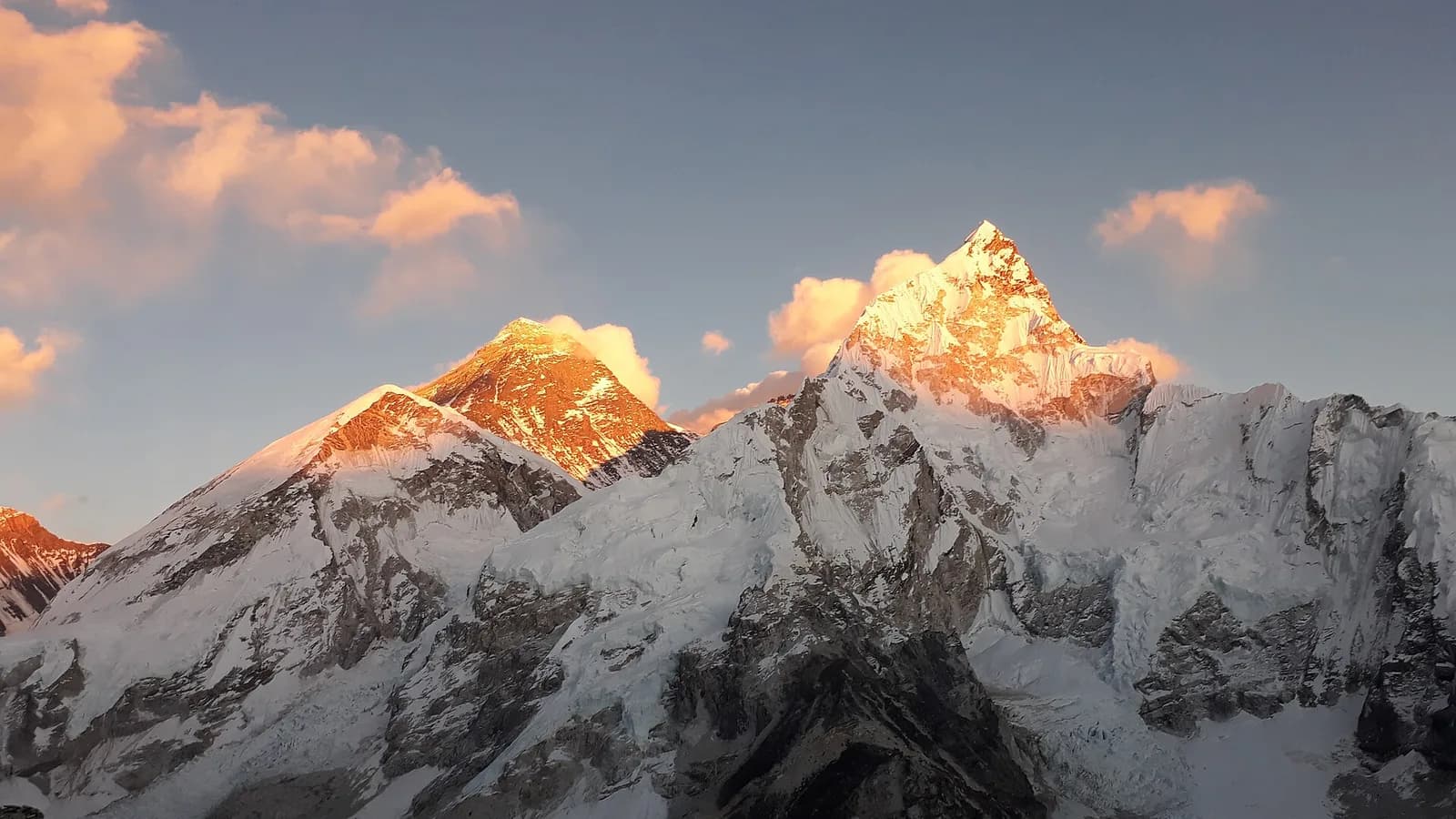
If you are planning a first trip to the Himalaya, Nepal tour packages can look both reassuring and confusing. One operator quotes a low headline price, another bundles in flights and a private guide, and a third charges more but covers permits you did not know existed. This guide cuts through the marketing: what a package actually includes, what it usually leaves out, the typical routes on offer, and how to confirm an operator is licensed before you pay a deposit.
Nepal is genuinely easy to travel independently for city sightseeing, so a package is a choice rather than a necessity for much of the country. Where it stops being optional is in the mountains. Since 2023, foreign trekkers must walk with a licensed guide through a registered agency in national parks and conservation areas, which means a guided trek or a full package is effectively the law for the classic Himalayan routes. Knowing where the line falls helps you decide how much to book.
Key takeaways
- A Nepal tour package typically bundles accommodation, in-country transport, a guide, permits, and some meals — but international flights and the visa fee are usually excluded.
- City and cultural trips (Kathmandu, Pokhara, Chitwan) can be done independently; treks in national parks now legally require a licensed guide via a registered agency.
- Always verify your operator's TAAN membership at taan.org.np and ask for their Nepal Tourism Board / Department of Tourism registration.
- Fix the fixed costs first — Nepal visa fee, park entry fees, and trekking permits — then compare what each operator charges on top.
- Autumn (Sep–Nov) and spring (Mar–May) are peak seasons with the clearest views; book popular packages and domestic flights early.
- Nepal welcomed roughly 1.16 million foreign visitors in 2025, near its pre-pandemic peak, so popular dates do sell out.
What a Nepal tour package usually includes
Packages vary, but most reputable operators build them around a similar core. The difference between a cheap quote and an expensive one is often what sits inside versus outside that core, so read the inclusions line by line.
| Component | Usually included | Often excluded or extra | | --- | --- | --- | | Accommodation | Hotels in cities, teahouses on treks | Single-room supplement, upgrades | | In-country transport | Airport pickup, private vehicle, tourist bus | Domestic flights (sometimes) | | Guide and porter | Licensed guide; porter on treks | Extra porters, guide tips | | Permits and fees | National park entry, trekking permits, TIMS | Nepal visa fee | | Meals | Breakfast; full board on many treks | Lunches and dinners in cities, drinks | | Insurance | — | Travel and helicopter evacuation cover |
A few items deserve special attention because they are the most common sources of a surprise bill.
International flights
Most Nepal packages are sold "land only" — they begin when you land at Tribhuvan International Airport in Kathmandu and end when you fly home. Your long-haul flights are almost always booked separately. Domestic hops, such as the short flight to Lukla for Everest treks or the Kathmandu to Pokhara flight, may or may not be bundled, so check.
The Nepal visa
The tourist visa is rarely included and is easy to arrange yourself. Visa on arrival is available at Tribhuvan International Airport, Pokhara International Airport, and Gautam Buddha International Airport in Lumbini, as well as at land border points. Fees are USD 30 for 15 days, USD 50 for 30 days, and USD 125 for 90 days (multi-entry), up to a cumulative 150 days per calendar year (as of June 2026). You can pay in cash in major currencies. For the full process see our Nepal visa on arrival guide.
Tips, drinks, and extras
Even an "all-inclusive" trek leaves gaps: bottled or boiled water, snacks, charging fees in teahouses, hot showers, and tips. Tipping is customary for guides and porters; our note on tipping trekking guides and porters explains the norms so you can budget realistically.
Common types of Nepal tour packages
"Tour package" covers a wide spread of trips. Knowing the categories helps you compare like with like rather than being swayed by a headline price for a very different product.
Cultural and sightseeing tours
These focus on the Kathmandu Valley's temples and durbar squares, Pokhara's lakeside, and the heritage cities of Patan and Bhaktapur. They are short, comfortable, and the most optional kind of package, since the same sights are simple to reach on your own. If you prefer to self-guide, our Kathmandu sightseeing and things to do in Pokhara guides cover the highlights.
Trekking packages
The headline product. These range from short, teahouse-based walks to multi-week expeditions, and they are where the licensed-guide rule makes a package or guided arrangement effectively mandatory. Popular options include Everest Base Camp, the Annapurna Circuit, Annapurna Base Camp, and the shorter Ghorepani Poon Hill trek for those with less time.
Wildlife and jungle tours
Centred on Chitwan or Bardia National Parks in the lowland Terai, these add safaris, canoe trips, and birdwatching. Foreigner entry to Chitwan National Park is NPR 2,000 per person per day (as of 2026), usually rolled into a lodge package. See our Chitwan safari guide for what a visit involves.
Multi-country and add-on tours
Some operators sell Nepal alongside Tibet or Bhutan, or bolt on a helicopter flight or paragliding day. These are worth scrutinising for visa and permit complexity, since neighbouring countries have their own rules. Our Nepal vs Bhutan comparison helps you weigh whether to combine them.
What Nepal tour packages cost — and how to sanity-check a quote
Honest answer: there is no single price, and any blog quoting one figure for "a Nepal package" is oversimplifying. Cost swings on length, comfort level, group size, the season, and whether flights are inside or outside the package. Rather than chase a number, anchor on the fees that barely move, then judge each quote against them.
Start with the fixed costs
A handful of charges are set by the government and are the same whoever you book through. Pin these down first so you can see what an operator's margin and services actually add.
| Fixed cost (foreigner) | Amount | Notes | | --- | --- | --- | | Tourist visa, 15 days | USD 30 | Multi-entry; 30/90-day options cost more | | Tourist visa, 30 days | USD 50 | As of June 2026 | | Chitwan NP entry | NPR 2,000 / person / day | Lowland wildlife parks | | Sagarmatha NP entry | NPR 3,000 / person / entry | Everest region |
Once these are clear, compare quotes on the variable parts — hotel class, private versus shared transport, guide-to-guest ratio, and whether domestic flights are in or out. For a fuller picture of on-the-ground spending, see how much a trip to Nepal costs and our Nepal travel budget breakdown.
Beware the suspiciously cheap package
A quote far below the rest usually means something is missing — permits, a properly paid guide, or insurance — or that the operator is not licensed. Underpaying guides and porters is a real problem in Nepal's trekking industry, and the lowest bid often passes that cost onto staff. Treat an outlier low price as a question to ask, not a bargain to grab.
How to choose and verify a Nepal tour operator
This is the single most important step, and it is quick. Nepal's trekking sector is regulated, and legitimate operators are easy to confirm, so there is no excuse for skipping the check.
Verify the licence
The Trekking Agencies' Association of Nepal (TAAN) is the government-recognised body that licenses trekking operators, and membership is required to legally issue trekking permits. Every real agency has a TAAN membership number you can verify on the directory at taan.org.np. A reputable company also displays its Nepal Tourism Board or Department of Tourism registration. Ask for both numbers; if an operator is evasive or cannot supply them, book elsewhere. Our guide to the best trekking agency in Nepal walks through the vetting process in more detail.
Ask the right questions before paying
A short checklist saves grief later:
- What exactly is included? Get inclusions and exclusions in writing.
- Is my guide licensed? Licensed guides hold government-recognised training; mountaineering guides may also carry Nepal Mountaineering Association certification.
- What is the group size and guide ratio?
- What is the cancellation and refund policy?
- Is helicopter evacuation insurance required, and do I have it? This is yours to arrange, not the operator's — see helicopter evacuation insurance for Nepal.
Booking direct versus through a foreign agent
Booking directly with a Nepal-based, TAAN-registered operator usually costs less than going through an overseas reseller, because you cut out a layer of markup. The trade-off is that you do your own due diligence on the local company. Foreign agents add convenience and a familiar point of contact, which some first-timers value, at a higher price.
The licensed-guide rule: why it shapes your options
Since 1 April 2023, every non-Nepali trekking in a national park, conservation area, or restricted area must hire a licensed guide or porter-guide through a government-registered agency. This covers virtually all the famous routes — Everest Base Camp, the Annapurna Circuit, Langtang Valley, Manaslu, and more. The old green "independent" TIMS card that once let foreigners trek solo no longer exists; only the agency-issued (blue) TIMS card remains. Checkpoints along the trails verify guides and permits.
There is one recent easing: in March 2026, Nepal relaxed restricted-area rules so a solo traveller can obtain permits without needing a second person. The licensed-guide-via-registered-agency requirement, however, still applies. The practical upshot is that for any serious trek you will book at least a guided arrangement, which is essentially a slimmed-down package. Our explainer on whether you need a guide to trek in Nepal covers the nuances.
Timing your package: seasons and demand
When you go shapes both the experience and how far ahead you should book. According to the Nepal Tourism Board, spring and autumn are the prime trekking seasons: autumn (September to November) brings the clearest skies once the monsoon has washed the air, while spring (March to May) adds blooming rhododendrons. These are also the busiest windows.
| Season | Months | Character | | --- | --- | --- | | Autumn | Sep–Nov | Clearest views, peak demand | | Spring | Mar–May | Warm, rhododendrons, second peak | | Winter | Dec–Feb | Cold and clear at altitude, quieter | | Monsoon | Jun–Aug | Rain and haze; good for rain-shadow areas |
Because demand concentrates in two short windows — and Nepal received around 1.16 million foreign visitors in 2025, close to its pre-COVID record — popular autumn departures, teahouse beds on busy trails, and seats on small domestic flights can fill weeks ahead. If your dates are fixed, book the package early. For a month-by-month view, see the best time to visit Nepal.
Independent travel versus a package: a quick decision guide
You do not have to choose all-or-nothing. Many travellers mix the two: self-guide the cities, then book a guided trek for the mountains.
- Lean independent if you are doing Kathmandu, Pokhara, and Chitwan, are comfortable arranging transport, and want maximum flexibility. Start with our Nepal itinerary for 7 days.
- Lean package if you are trekking in a national park (now a legal requirement to be guided), are short on time, or want logistics handled end to end.
- Mix by self-guiding the valley and booking only the trekking portion through a registered agency — often the best value.
Whichever way you lean, the non-negotiables are the same: confirm the licence, get inclusions in writing, budget the fixed fees yourself, and carry proper insurance.
Sources
- Nepal Tourism Board — Tourist Visa information
- Department of Immigration, Nepal — Tourist Visa
- Nepal Tourism Board — Park entry fees
- Nepal Tourism Board — Climate and seasons
- Trekking Agencies' Association of Nepal (TAAN)
- National Geographic — Nepal's solo trekking rules
- The Himalayan Times — More than 1.1 million foreign visitors arrived in Nepal in 2025
Frequently asked questions
- What is usually included in a Nepal tour package?
- Most packages bundle accommodation, in-country transport, a guide, permits, and some meals. Always confirm in writing whether international flights, Nepal visa fees, tips, and travel insurance are included, because these are commonly left out.
- Do I need a tour package to visit Nepal?
- Not for cities and sightseeing — Kathmandu, Pokhara, and Chitwan are easy to do independently. But since April 2023, foreigners must trek with a licensed guide through a registered agency in national parks and conservation areas, so a package or at least a guided trek is effectively required for the mountains.
- How much do Nepal tour packages cost?
- Prices vary enormously by length, comfort level, and whether flights are included, so treat any single figure with caution. The most reliable approach is to fix the fixed costs first — visa, park fees, and permits — then compare what each operator adds on top.
- How do I check that a Nepal tour operator is legitimate?
- Ask for their Trekking Agencies Association of Nepal (TAAN) membership number and their Department of Tourism or Nepal Tourism Board registration, then verify the TAAN number on taan.org.np. A genuine operator shares these openly; evasiveness is a red flag.
- When is the best time to book a Nepal tour?
- Autumn (September to November) and spring (March to May) bring the clearest mountain views and the most stable weather, so they are the busiest seasons. Book popular autumn treks and domestic flights well in advance, as space fills up.
- Are international flights included in Nepal tour packages?
- Usually not. Most Nepal packages are 'land only', meaning they start when you land in Kathmandu and end when you depart. You typically book your international flights separately, while domestic flights inside Nepal may or may not be bundled.
- Can I still trek solo in Nepal?
- Independent walking near towns is fine, but for national parks, conservation areas, and restricted areas you must use a licensed guide booked through a registered agency. In March 2026 Nepal eased the rules so solo travellers can get restricted-area permits without a second person, but the licensed-guide requirement still stands.
- What should I budget for separately from a package?
- Plan for your Nepal visa fee, international flights, travel and evacuation insurance, tips for guides and porters, drinks and snacks, souvenirs, and any optional activities like paragliding or a helicopter tour. These add up even on an all-inclusive trek.
Related posts
Cheap Nepal Trekking Package: Budget Guide 2026
How to find a cheap Nepal trekking package - real permit fees, daily teahouse costs, the best low-cost trails, and ways to cut the price safely.
Read postNepal Holiday Packages: How to Choose One in 2026
A practical guide to Nepal holiday packages — what they include, typical itineraries, costs, permits, the best seasons and how to compare operators.
Read postNepal Tour From UK: A Practical Planning Guide
Planning a Nepal tour from the UK? Flights, visas, FCDO advice, ATOL/ABTA protection, the best seasons, and costs to verify before you book.
Read post