Yoga Retreat Nepal: Pokhara, Kathmandu & What to Expect
A practical guide to a yoga retreat in Nepal — where to go in Pokhara and Kathmandu, styles, a typical day, costs, best seasons and tips for beginners.
Sunrise over Phewa Lake, the Annapurnas catching the first light, and a mat unrolled on a terrace — Nepal makes yoga feel less like exercise and more like coming home.
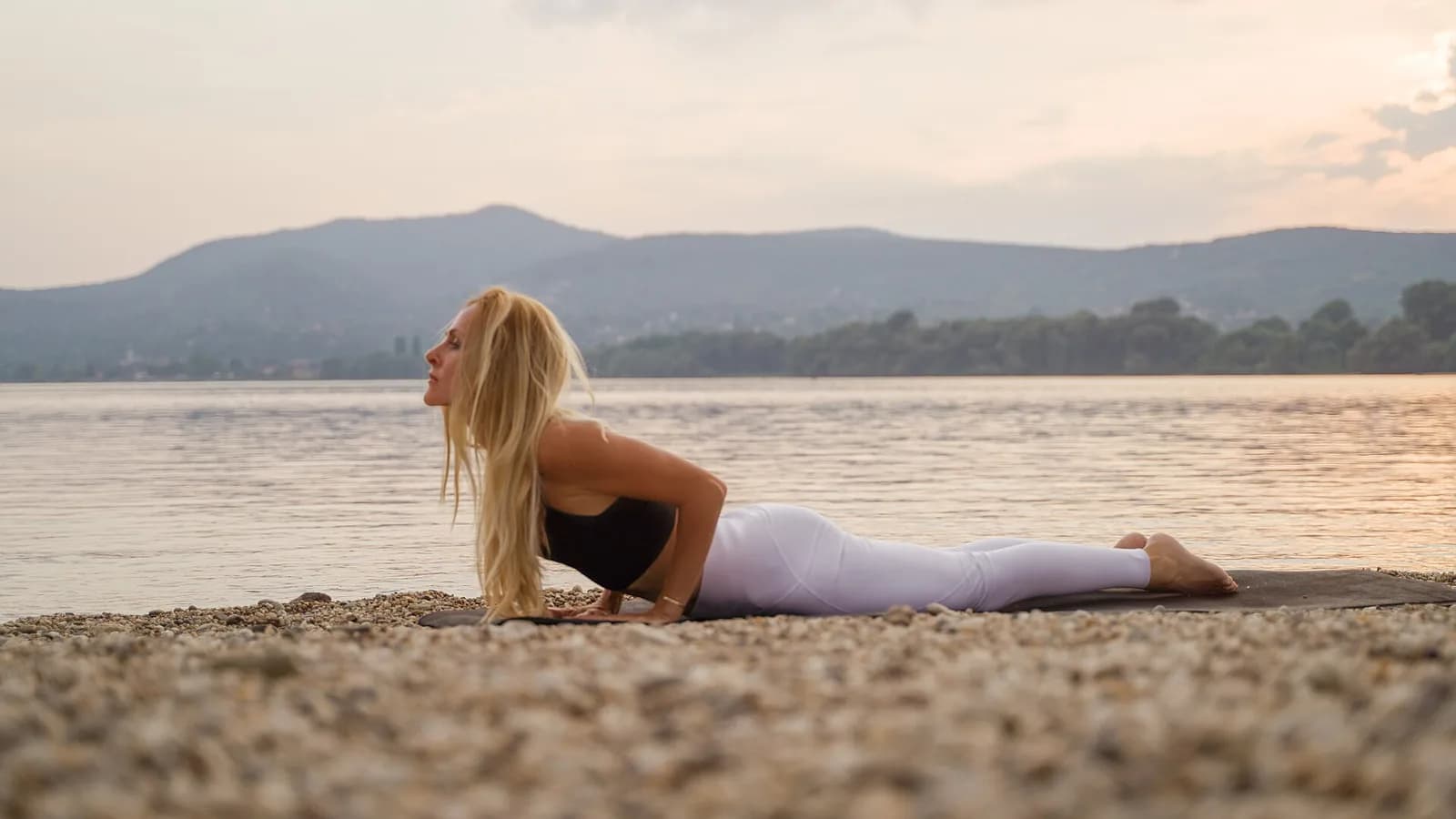
A yoga retreat in Nepal offers something most studios at home cannot: a place where the practice grew out of the living spiritual culture all around you. You roll out your mat as the sun rises over Phewa Lake or a Kathmandu Valley terrace, the Himalayas hang on the horizon, and the sound of temple bells drifts up the hillside. For many travellers, a few days of structured yoga, breathing and meditation is the calm centre of a Nepal trip — a reset before or after a trek, or simply a reason to slow down in one of the most spectacular settings on earth.
This guide walks through where to go, what styles you will find, what a typical day looks like, roughly what it costs, and how to choose a retreat that fits you. Nepal's two main wellness hubs are Pokhara, at the foot of the Annapurna range, and the Kathmandu Valley, where yoga blends with centuries of Buddhist and Hindu practice. Both reward unhurried days, and both pair naturally with the rest of a Nepal itinerary.
Key takeaways
- Nepal's yoga retreats cluster in two regions: Pokhara beside its lakes and the Kathmandu Valley among its temples and forests.
- Hatha yoga is the most common style, often combined with Ashtanga or Vinyasa flows, breathing practice, meditation and sometimes cleansing techniques.
- Retreats welcome beginners, with teachers adapting sessions for mixed levels.
- Packages usually include accommodation, vegetarian meals and two daily sessions; treatments and excursions may cost extra.
- The best weather is in autumn (October–November) and spring (March–April) for clear skies and comfortable temperatures.
- A retreat pairs neatly with a Himalayan trek as a gentle warm up or a restful recovery.
Why Nepal for yoga
Nepal sits at the cultural crossroads where Indian yogic tradition meets Himalayan Buddhism, and that mix gives a retreat here a distinctive flavour. Many centres weave in meditation rooted in the surrounding monasteries and temples, so a morning of asana might be followed by a visit to a stupa or a quiet hour of seated practice. The landscape does a lot of the work, too. There is a reason instructors keep choosing terraces that face the mountains: it is hard to stay distracted when the Annapurnas are turning gold in front of you.
Just as importantly, Nepal is an affordable and welcoming place to spend unstructured time. The country is generally very safe for travellers — our honest look at whether Nepal is safe covers the practical details — and the easy pace of life in Pokhara and the Kathmandu Valley lends itself to the kind of week where the most demanding thing on your schedule is a sunrise class.
Pokhara: lakes, hills and Annapurna views
Pokhara is Nepal's most relaxed town and arguably its premier yoga destination. It sits beside Phewa Lake, with the reflections of the mountains on the water, and quieter Begnas Lake lies a short drive to the east, ringed by forested hills. Retreat centres are scattered around the lakeshores and up on the surrounding ridges, trading the bustle of the main strip for birdsong and big views.
The town is also a wellbeing hub in its own right. Between sessions you can take a boat across the lake, walk up to the World Peace Pagoda on its forested ridge, or work through the wider list of things to do in Pokhara at whatever pace suits you. If you want to extend your stay independently before or after a retreat, our guide to Pokhara lakeside hotels covers where to base yourself.
Several long-running centres anchor Pokhara's scene. The Sadhana Yoga Retreat, established in 1998, is among the oldest and most established in the area, known for Hatha yoga with lake views, cleansing practices and organic vegetarian food cooked along Ayurvedic lines. Other retreats sit near Begnas Lake and up on the Sedi Heights above Phewa, combining guided yoga with Ayurvedic therapies, detox programmes and sound healing in a hillside setting. The common thread is simplicity: live lightly, eat clean, practise twice a day, and let the surroundings do the rest.
The Kathmandu Valley: yoga among the temples
The Kathmandu Valley offers a different mood. Here yoga sits within one of the densest concentrations of sacred sites in Asia, and many retreats lean into that, blending asana with Buddhist meditation and visits to nearby monasteries and temples. Centres tend to cluster on the green fringes of the valley — near the Nagarjun forest on the north-western edge, in the wooded hills toward Chandragiri, and in the quiet southern villages — rather than in the busy core of the city.
Basing a retreat here makes it easy to fold in the valley's spiritual heavyweights on your rest days. The great Buddhist stupa at Boudhanath, the hilltop Swayambhunath, and the Hindu temple complex at Pashupatinath are all within reach, and visiting them between yoga sessions turns a retreat into a broader cultural immersion. If you do visit temples, a quick read of our notes on temple etiquette for visitors helps you move through these living religious spaces respectfully.
For travellers who want the deepest dive into the contemplative side, the valley is also the home of Nepal's famous Buddhist meditation retreats and silent Vipassana courses — worth knowing about if a yoga week leaves you wanting more stillness.
Styles of yoga you will find
Most retreats build their schedules around a handful of traditions, and it helps to know roughly what each involves so you can pick a centre that matches your energy.
| Style | What it feels like | Good for | |---|---|---| | Hatha | Slower, held postures with a focus on alignment and breath | Beginners, gentle resets, all ages | | Ashtanga | A set, dynamic sequence that builds strength and stamina | Those who like structure and a physical challenge | | Vinyasa | Flowing movement linked to the breath | People who enjoy continuous, rhythmic practice | | Pranayama | Breathing exercises rather than postures | Calming the mind, deepening meditation | | Meditation | Seated, still practice, often guided | Everyone — usually woven through the day |
Hatha is the backbone of most Nepali retreats, valued for its gentle, accessible pace, while Ashtanga and Vinyasa flows add a more athletic option. Beyond the postures, expect pranayama breathing work and meditation to feature daily, and at some traditional centres you may be introduced to yogic cleansing practices. The point is rarely fitness for its own sake; it is the slow integration of body, breath and mind.
A typical day on retreat
Schedules vary, but a classic Nepali yoga day follows a calm, predictable rhythm built around two main practice sessions. Early starts are the norm, because the mornings are when the mountains are clearest and the air is coolest.
| Time | Activity | |---|---| | ~6:00 | Wake, water, optional cleansing practice and herbal tea | | ~7:00–8:45 | Morning yoga: chanting, warm up, sun salutations, asana, pranayama | | ~9:00 | Vegetarian breakfast | | Mid-morning | Rest, walk, workshop or free time | | Midday | Lunch, then a long break through the heat of the day | | Late afternoon | Second session: gentler yoga, restorative postures or philosophy | | Evening | Meditation, sometimes chanting or sound healing, then dinner | | ~22:00 | Lights out |
The long midday gap is deliberate. It leaves room for a lakeside walk, a treatment, a side trip, or simply a nap, so the days feel restorative rather than gruelling. Many centres also keep meals quiet and serve simple vegetarian food — often grown partly on site — to keep the body light for practice.
What it costs
Prices for yoga retreats in Nepal span a wide range depending on length, comfort and what is bundled in. Independent travel coverage in 2025 and 2026 broadly placed shorter retreats of three to five days in the region of 150–300 US dollars (as of 2025–2026), with longer immersions and yoga teacher training programmes costing substantially more. Because these figures move with the season and the centre, treat them only as a rough orientation and confirm the current price directly with any retreat before you commit.
What matters as much as the headline number is what it includes. Most packages cover accommodation, vegetarian meals and the daily yoga sessions, but airport transfers, Ayurvedic treatments, side excursions and single-room upgrades are often extra. For a sense of how a retreat fits into overall trip spending, our Nepal travel budget guide puts the wider costs in context.
Questions worth asking before you book
- How many yoga sessions are there each day, and what styles?
- Are the teachers experienced with beginners or mixed-level groups?
- What exactly is included, and what costs extra?
- What is the accommodation like — shared or private, hot water, heating in winter?
- Is the food suitable for your dietary needs or allergies?
- How big are the groups, and is there any silent or quiet component?
Best time of year
Timing comes down to weather and mountain views. The two dry shoulder seasons are ideal: autumn (roughly October to November) brings crisp, clear skies after the monsoon, and spring (around March to April) is mild and green. Both deliver the comfortable daytime temperatures and sharp Annapurna views that make a Pokhara retreat so memorable.
Winter (December to February) is perfectly possible and often quieter, but mornings can be cold, so check that your accommodation has heating or warm bedding. The summer monsoon (June to September) is humid with cloudier skies and more rain, though lakeside and forest centres turn lush and peaceful in this low season. For a fuller month-by-month picture, see our guide to the best time to visit Nepal.
Combining a retreat with the rest of your trip
One of the joys of yoga in Nepal is how easily it slots into a broader journey. A retreat works beautifully as a gentle warm up before a trek — easing your body into the rhythm of early mornings and movement — or as a restorative wind down afterwards, when tired legs and a busy mind both need recovery. Pokhara's position as the gateway to the Annapurna trails makes that pairing especially natural.
If you are sketching out a longer route, our two-week Nepal itinerary shows how a few quiet days of practice can sit alongside the temples, trails and lowland parks without feeling rushed. And if you would like to greet your teachers and hosts with a few words of the local language, our short list of Nepali phrases every trekker should know goes a long way toward warm connections. However you build it, a yoga retreat gives a Nepal trip a still point — a place to breathe, before the mountains call you onward.
Sources
- Nepal yoga retreats: the best places for R&R — Rough Guides
- The Ultimate Guide to Yoga Retreats in Nepal — Hotel Shanker, Kathmandu
- Finding Peace in Pokhara: Yoga and Meditation Centers near Pokhara — Inside Himalayas
- Top Yoga Retreat Centers in Pokhara, Nepal — Shivalaya Yoga Ashram
- Yoga Retreats in Nepal: Top Centers — Naata Travels and Adventure
Frequently asked questions
- Where is the best place for a yoga retreat in Nepal?
- Pokhara and the Kathmandu Valley are the two main hubs. Pokhara, beside Phewa and Begnas lakes at the foot of the Annapurnas, suits people who want a calm lakeside or hillside setting. The Kathmandu Valley suits those who want yoga blended with Buddhist and Hindu temple culture and easy onward travel.
- Do I need experience to join a yoga retreat in Nepal?
- No. Most retreats welcome complete beginners and teachers adjust sessions for mixed levels, often offering gentler Hatha classes alongside more dynamic ones. If you have injuries or health conditions, tell the centre in advance so they can adapt the practice for you.
- How much does a yoga retreat in Nepal cost?
- It varies widely by length, comfort and what is included. Independent reports in 2025 and 2026 put short three to five day retreats roughly in the 150 to 300 US dollar range, while longer or teacher-training programmes cost much more. Always confirm the current price and what it covers directly with the centre before booking.
- What is the best time of year for yoga in Nepal?
- The dry seasons of autumn, roughly October to November, and spring, around March to April, bring the clearest mountain views and the most comfortable temperatures. Winter is workable but cold in the mornings, and the summer monsoon from June to September is humid with cloudier skies, though some lakeside centres stay green and quiet then.
- What style of yoga is taught in Nepal?
- Hatha is the most common, with its slower postures and breath work, and many centres also teach dynamic Ashtanga or Vinyasa flows. Retreats usually combine asana with pranayama breathing, meditation and sometimes cleansing practices and yoga philosophy, rather than focusing on fitness alone.
- What is included in a typical yoga retreat package?
- Packages commonly bundle accommodation, vegetarian meals, two daily yoga sessions, meditation and breathing classes, and sometimes workshops on philosophy or Ayurveda plus short excursions. Check whether airport transfers, treatments and side trips are extra so there are no surprises when you arrive.
- Are yoga retreats in Nepal vegetarian?
- Most are. Centres typically serve simple vegetarian food, often cooked along Ayurvedic or sattvic lines, and several grow some of their own produce. If you have allergies or specific dietary needs, mention them when you book so the kitchen can plan for you.
- Can I combine a yoga retreat with trekking in Nepal?
- Yes, and many people do. A retreat makes a gentle warm up or a restorative wind down around a trek, and Pokhara is the gateway to the Annapurna trails while the Kathmandu Valley links to the wider country. Build a rest day or two between the two so your body adjusts.
Related posts
Meditation Retreat Nepal: Monasteries, Types & Tips
How to choose a meditation retreat in Nepal — Buddhist monasteries, Vipassana and yoga-based options, what to expect, costs and the best time to go.
Read postVipassana Nepal: The 10-Day Course & How It Works
A practical guide to Vipassana in Nepal — Dhamma Shringa near Kathmandu, the centres nationwide, the silent 10-day course, the rules and how to apply.
Read postWellness Retreat Nepal: How to Choose & Plan One
A practical wellness retreat Nepal guide: retreat types, what is included, how to pick a reputable centre, a sample week, costs and the best seasons.
Read post