Is Nepal Safe for Tourists? An Honest 2026 Guide
Is Nepal safe to visit in 2026? A balanced look at crime, protests, road safety, trekking risks, and what official travel advisories actually say.
Nepal is one of Asia's safer destinations — but 'safe' here means knowing which risks are real and which are noise.
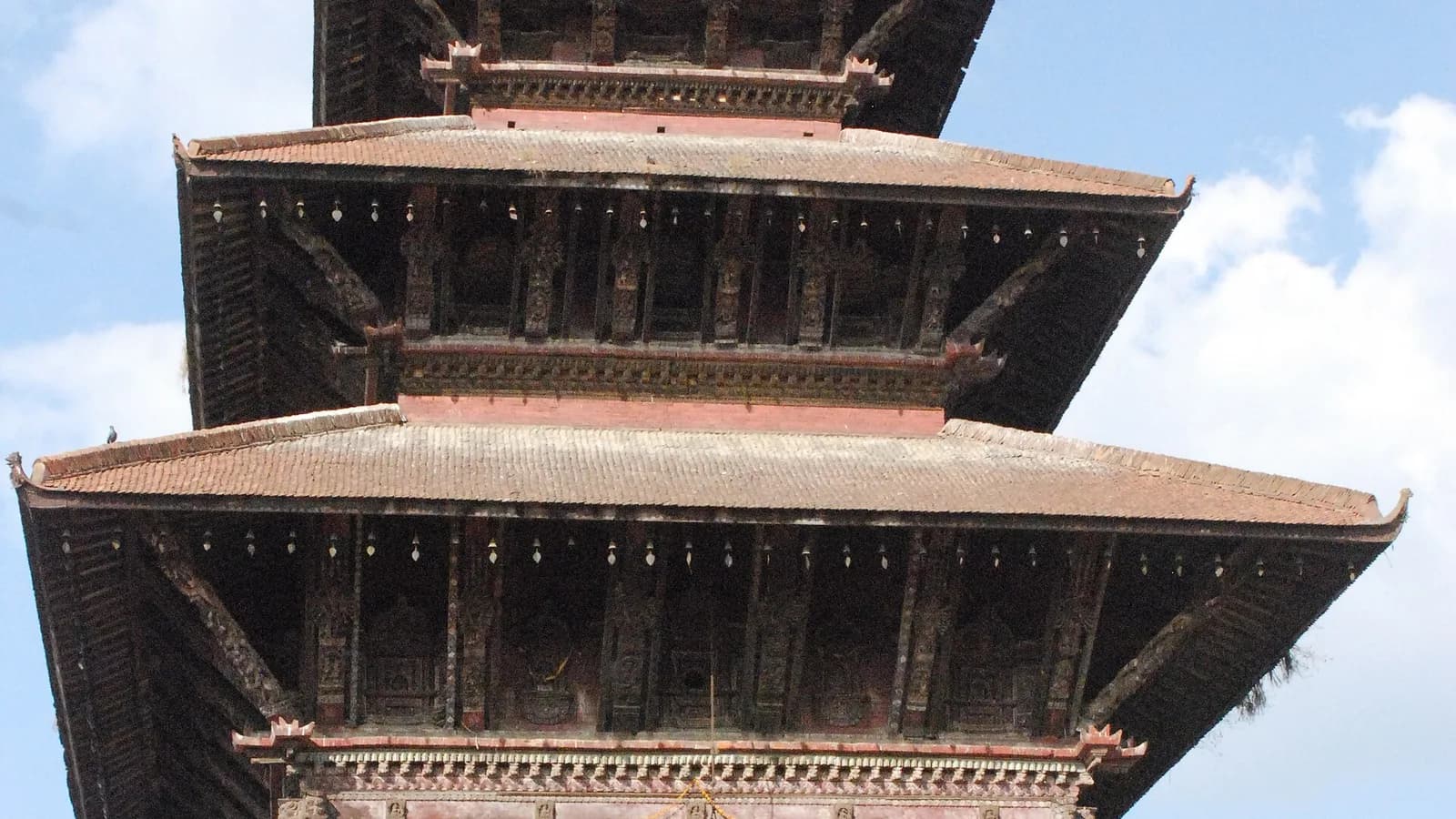
So, is Nepal safe for tourists? The short, honest answer is yes for the vast majority of visitors — Nepal is consistently one of South Asia's safer and most welcoming destinations — but "safe" is a word that hides a lot of nuance. The real risks in Nepal are not the ones travelers usually worry about, and the things people panic over (terrorism, kidnapping, anti-tourist hostility) are largely not the issue here.
This guide gives you the balanced version: what the data and official advisories say, what changed after the 2025 protests, and which specific risks actually deserve your attention so you can plan around them.
Key takeaways
- Nepal is generally safe for tourists in 2026; violent crime against visitors is rare and tourist areas are operating normally.
- The US lowered Nepal to Level 2 (Exercise Increased Caution) in March 2026, down from Level 3 issued during the September 2025 protests.
- The single biggest real-world risk is road safety, not crime — poor roads and overcrowded buses cause the most serious tourist injuries.
- Petty theft (pickpocketing, bag-snatching) is the most common crime, concentrated in tourist hubs like Thamel.
- Protests and general strikes (bandhs) can disrupt travel in cities with little warning; they are political, not anti-tourist.
- Trekking is well-supported but carries altitude and terrain risks; insurance with helicopter evacuation is essential.
What official travel advisories say
Government advisories are the most reliable starting point because they are updated regularly and have no incentive to over-sell a destination. Here is where the major ones stood in 2026.
| Country | Level / wording | Notes | |---|---|---| | United States | Level 2 — Exercise Increased Caution (March 2026) | Lowered from Level 3; cites possible demonstrations, road safety, and limited medical care | | United Kingdom | No advisory against travel | Notes protests, road travel, altitude, and earthquake risk | | Canada | Exercise a high degree of caution | Cites a fragile political situation, strikes, and the India-border region | | Australia | Exercise a high degree of caution | Advises avoiding protests and large crowds, especially in cities |
The throughline is consistent: no major government is telling people to stay away from Nepal. They are telling you to use normal caution, avoid political crowds, and respect the practical hazards. None of them designate "Do Not Travel" zones for ordinary tourist regions.
For a deeper breakdown of each advisory and how to read them, see our companion guide on the Nepal travel advisory.
The 2025 protests — what actually happened
In September 2025, Nepal experienced large nationwide demonstrations led largely by younger Nepalis (widely referred to as the Gen Z protests). For a period, several governments raised their advisory levels — the US went to Level 3 (Reconsider Travel) on 11 September 2025.
By spring 2026, the situation had stabilized. The US State Department stated that the protests had ended and the security situation was stable, and it returned Nepal to Level 2 on 31 March 2026.
A few things are worth understanding about protests in Nepal generally:
- They are political, not anti-foreigner. Tourists are not targets. Foreigners have not been the focus of these movements.
- They are usually localized. Demonstrations cluster around government areas in cities (for example, around Maitighar Mandala in Kathmandu) and rarely reach trekking regions or rural tourist areas.
- They can start fast. A protest or a bandh (general strike) can appear with little warning and disrupt transport. The simple rule: stay away from large crowds and don't try to travel through a strike.
The risks that actually matter
If you ranked Nepal's tourist risks by how likely they are to affect your trip, the order surprises people. Crime is near the bottom. Here's the realistic hierarchy.
1. Road safety
This is the real one. Nepal's roads are often narrow, mountainous, and poorly maintained, and long-distance buses can be overcrowded and driven hard. Road accidents are a leading cause of serious injury for travelers — far more than crime.
How to lower the risk:
- Choose reputable tourist-bus operators over cheap local buses for long routes. Our guide to the Kathmandu to Pokhara tourist bus covers the difference.
- Consider flying some long or notoriously rough routes when the budget allows.
- Avoid overnight road travel on mountain highways where you can.
- Never travel by public bus during or right before a bandh — this is a situation where tourists have been hurt.
2. Petty theft
The most common crime tourists actually encounter. Pickpocketing and bag-snatching happen in crowded areas — Thamel, Lakeside in Pokhara, busy markets, festivals, and on packed buses. Violent robbery is uncommon.
Mitigation is standard travel hygiene: keep valuables in a front pocket or money belt, don't flash cash or phones, and stay alert in crowds.
3. Scams
Nepal has a predictable set of tourist scams rather than aggressive crime — fake "guides" at trailheads, overpriced taxis, gem and trekking-package cons, and helicopter-rescue fraud on treks. The defense is pattern recognition, not fear. Read our breakdown of Nepal tourist scams so you'll recognize them before they cost you.
4. Altitude and trekking hazards
On treks, the mountains are a bigger risk than anything human. Altitude sickness is the main concern, along with terrain, weather, and the remoteness of medical help. None of this should stop you — it just has to be planned for.
- Understand acclimatization and the warning signs in our guide to altitude sickness in Nepal.
- Carry insurance that explicitly covers high-altitude trekking and helicopter evacuation.
- Under Nepal's 2023 rule, solo trekking on major routes requires a licensed guide, which also removes a lot of the isolation risk.
5. Natural hazards
Nepal sits in a seismically active zone and experiences earthquakes, and the monsoon (roughly June–September) brings floods and landslides that can block roads and trekking trails. These are infrequent but real considerations, mostly relevant to timing and route choice. Our best time to visit Nepal guide helps you avoid the worst of the monsoon disruption.
6. Food and water
Stomach upsets are statistically one of the most likely things to "go wrong" on a Nepal trip — far more common than any safety incident. Tap water is not safe to drink, and food hygiene varies. It's very manageable: see our dedicated guide on whether the water is safe to drink in Nepal.
Is Nepal safe for solo and female travelers?
Broadly, yes. Solo travel is extremely common in Nepal, and the country is generally considered one of the more comfortable South Asian destinations for women traveling alone. The cultural attitude toward foreign visitors leans toward curiosity and hospitality.
That doesn't mean zero risk. Unwanted attention, persistent conversation, and the occasional uncomfortable situation do occur, and standard precautions apply — especially at night and in less-touristed areas. For a detailed, realistic assessment, see our guide to solo female travel safety in Nepal.
Health and medical preparation
Medical services in Nepal are limited, especially outside Kathmandu and Pokhara, and remote trekking areas may be hours or days from real care. Preparing in advance matters more here than in many destinations.
- Get the recommended vaccinations for Nepal before you travel.
- Carry a basic medical kit and any personal medications, since pharmacies may not stock specific brands.
- Make sure your insurance covers medical evacuation, not just treatment.
Practical safety habits for Nepal
None of these are dramatic — they're the small habits that keep an already-safe trip smooth.
- Watch crowds. If you see a gathering forming, walk the other way. It costs nothing.
- Keep cash sensible. Use a money belt for the bulk, a small wallet for the day. See our ATM withdrawal guide for safe access to cash.
- Use known transport. Ride-hailing apps and hotel-arranged taxis reduce friction. Our getting around Kathmandu guide explains the options.
- Tell someone your plans. Especially when trekking, leave an itinerary with your guesthouse or a contact.
- Respect local norms. Modest dress at temples and a little cultural awareness go a long way and avoid unnecessary friction.
So — is Nepal safe?
Yes. For the typical traveler in 2026, Nepal is a safe, rewarding, and genuinely friendly place to visit. The advisories reflect a country that's stable and open, with normal caveats. The risks that matter are mundane and manageable: roads, stomach bugs, petty theft, and altitude. Handle those with a bit of planning and you've handled most of what Nepal can throw at you.
The travelers who run into trouble here are rarely the victims of something dramatic. They're usually the ones who took a cheap overnight bus through a strike, skipped travel insurance before a high trek, or drank the tap water on day one. Avoid those, and "safe" stops being a question.
Sources
Frequently asked questions
- Is Nepal safe for tourists in 2026?
- Yes, for most visitors. Violent crime against tourists is rare, and major destinations are operating normally. The main risks are petty theft, road accidents, altitude on treks, and occasional protests in cities.
- What is the current travel advisory level for Nepal?
- As of March 2026 the US lists Nepal at Level 2 (Exercise Increased Caution), down from Level 3. The UK has no advisory against travel, and Canada and Australia advise a high degree of caution.
- Are the protests still happening in Nepal?
- The nationwide demonstrations that began in September 2025 have ended and the security situation is stable. Smaller protests and strikes can still flare up in cities with little warning.
- What is the biggest real safety risk in Nepal?
- Road travel. Poor roads, mountain terrain, and overcrowded buses cause far more tourist injuries than crime. Choosing reputable transport and flying some long routes lowers the risk.
- Is solo travel in Nepal safe?
- Solo travel is common and generally safe, including for women, though awareness still matters. Note that solo trekking on major routes now requires a licensed guide under Nepal's 2023 rule.
- Do I need travel insurance for Nepal?
- Strongly yes. Buy insurance covering high-altitude trekking and helicopter evacuation, since mountain rescue and serious medical care can be very expensive and hard to access otherwise.
Related posts
Is It Safe to Travel to Nepal Now? (2026 Update)
Is it safe to travel to Nepal now? An honest 2026 look at advisories, the 2025 protests aftermath, and the real risks — plus how to check live.
Read postIs Nepal Safe After Protests? A 2026 Reality Check
Is Nepal safe after protests? A factual look at the 2025 Gen Z unrest, the 2026 transition, current advisories, and what it means for your trip.
Read postIs Nepal Safe to Travel Now? A Mid-2026 Snapshot
Is Nepal safe to travel now? A current, dated status check on advisories, the post-2025 situation, monsoon timing, and a quick go decision.
Read post