Vipassana Nepal: The 10-Day Course & How It Works
A practical guide to Vipassana in Nepal — Dhamma Shringa near Kathmandu, the centres nationwide, the silent 10-day course, the rules and how to apply.
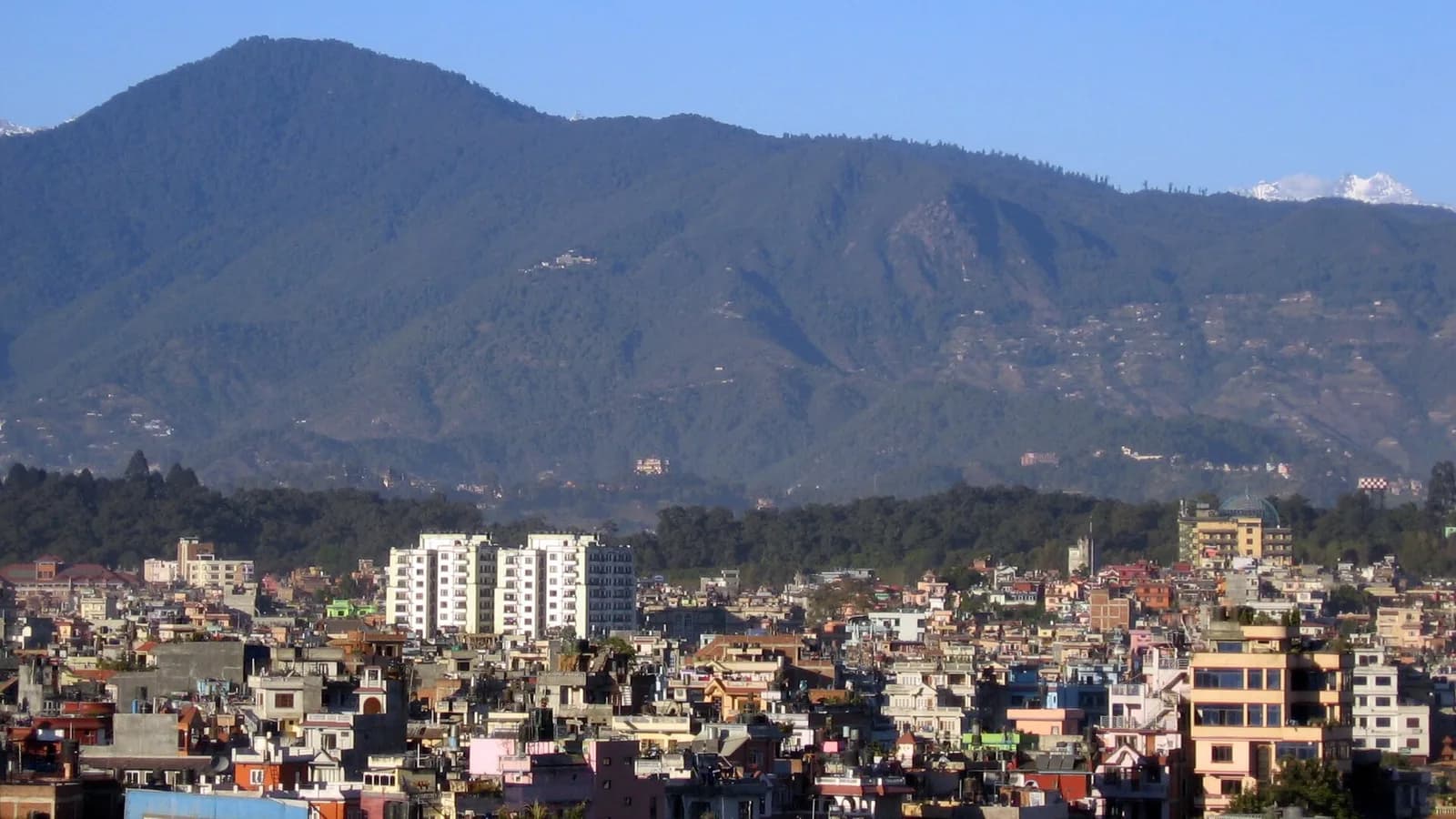
Twelve kilometres north of the city, the noise of Kathmandu falls away and the hills take over — the kind of silence the next ten days will be built on.
For travellers who want to go beyond sightseeing, Vipassana in Nepal offers one of the most serious inward journeys available anywhere: ten days of silence, discipline and self-observation in the foothills of the Himalayas. It is not a spa break or a gentle wellness escape. It is a structured, demanding meditation course, taught free of charge, that asks you to set aside your phone, your conversations and your routines and simply watch your own mind for ten full days. Many who complete it describe it as one of the hardest and most rewarding things they have ever done.
This guide is the practical companion to that experience. It covers what Vipassana actually is, where the courses are held — starting with the country's main centre, Dhamma Shringa, near Kathmandu — how the silent ten-day format works, the rules you agree to, what it costs, and how to apply. If you are weighing up a broader meditation retreat in Nepal, this is the deep dive into its most rigorous form.
Key takeaways
- Vipassana is an ancient insight-meditation technique taught in Nepal through silent, residential ten-day courses in the S.N. Goenka tradition.
- There is no charge — courses run entirely on voluntary donations from past students.
- The main centre, Dhamma Shringa, sits about 12 km north of Kathmandu and was founded in 1981; Nepal has many other centres nationwide.
- Courses require Noble Silence, separation of men and women, and full commitment to the schedule and precepts.
- Days are intensive: an early start and around ten hours of meditation, with simple vegetarian meals and an evening talk.
- It is open to all backgrounds and to beginners, but it is mentally and physically demanding — apply in advance.
What Vipassana actually is
Vipassana is described as one of India's most ancient meditation techniques, said to have been taught more than 2,500 years ago as a practical path to clarity and wellbeing. The word itself means "to see things as they really are." Rather than visualisation or mantra, the technique trains a calm, sustained, non-reactive awareness of physical sensation throughout the body — the idea being that by observing sensations without craving or aversion, you gradually loosen the mental habits that drive stress and unhappiness.
The courses in Nepal are taught in the worldwide tradition of the late Burmese-Indian teacher S.N. Goenka, who did much to spread the technique internationally in the late 20th century. Crucially, the method is taught as non-sectarian: although its roots are Buddhist, it is offered as a practical discipline open to people of every faith and none, framed as training of the mind rather than a religious conversion.
Dhamma Shringa: Nepal's main centre
Nepal's principal Vipassana centre is Dhamma Shringa, whose name means roughly "Summit of Dhamma." It was founded in April 1981 and sits in the foothills of the Himalayas about 12 kilometres north of Kathmandu, near Budhanilkantha, overlooking the whole valley. The setting is forested and quiet, at an elevation of around 5,200 feet, which means pleasant days but genuinely cold mornings in winter.
The centre is purpose-built for retreat. It can comfortably accommodate about 250 people, with residences ranging from dormitories to single rooms, separate dining halls for men and women, and meditation halls. There is also a distinctive half-ring building containing 84 individual meditation cells for more experienced students. Meals are simple Nepali-style vegetarian food, served during courses.
| Fact | Detail | |---|---| | Founded | April 1981 | | Location | ~12 km north of Kathmandu, near Budhanilkantha | | Elevation | ~5,200 feet (foothills overlooking the valley) | | Capacity | ~250 people | | Accommodation | Dormitories to single rooms; 84 meditation cells | | Meals | Nepali-style vegetarian |
A standard schedule runs two ten-day courses each month, commonly around the 1st to the 12th and the 14th to the 25th, though this can shift during the festival-heavy months of October and November. Longer courses for experienced students — such as Satipatthana and 20- or 30-day retreats — are scheduled separately each year. Always check the official Dhamma Shringa calendar for current dates, since these can change.
Vipassana centres across Nepal
Dhamma Shringa is the best known, but Nepal has a remarkably wide network of Vipassana centres spread across the country, so you can often find a course closer to wherever you are travelling. Alongside the Kathmandu Valley centres, courses are held from the eastern plains to the far west and down in the Buddha's birthplace.
| Centre | Area | |---|---| | Dhamma Shringa | Budhanilkantha, Kathmandu | | Dhamma Kitti | Kirtipur, Kathmandu Valley | | Dhamma Pokhara | Near Begnas Lake, Pokhara | | Dhamma Janani | Lumbini, near Bhairahawa | | Dhamma Birata | Itahari, eastern Nepal | | Dhamma Chitawan | Chitwan | | Dhamma Tarai | Birgunj | | Dhamma Surakhetta | Surkhet | | Dhamma Suriyo | Fikkal, Ilam | | Dhamma Sagar | Lukla |
This is only a selection — there are more, including centres at Godawari, Kakani, Tansen (Palpa), Dang and Kanchanpur, plus special courses held in other locations. Dhamma Pokhara, set among forested hills near Begnas Lake about 13 km from Pokhara, is a particularly scenic option for travellers already heading to the lakes, while Dhamma Janani at Lumbini began operating around the year 2000 in the region where the Buddha was born.
The ten-day course, step by step
The ten-day course is the gateway to Vipassana and is designed as a complete introduction: the technique is taught in stages, a little more each day, until by the end you have the full method and enough practice to feel its effects. The structure is fixed and the same worldwide.
Practically, you arrive on day zero for an afternoon registration period (commonly 2–4 pm), settle in, and the course then runs for ten full days, ending on the morning of the eleventh day so you are usually free to leave by around mid-morning. The eleventh-day close is deliberately gentle, easing you back from silence into the ordinary world.
The days themselves are long and tightly scheduled, typically involving around ten hours of meditation broken into sessions across the day, separated by rest breaks and meals. A representative rhythm looks like this:
| Time | Activity | |---|---| | ~4:00 | Wake-up bell | | Early morning | Meditation in the hall or your room | | Mid-morning | Breakfast and a short break | | Late morning | Group sitting and meditation | | Midday | Vegetarian lunch and rest | | Afternoon | Several meditation sessions with breaks | | Evening | Tea, then a recorded discourse explaining the practice | | Night | Final sitting, lights out |
Note that there is no evening meal beyond light refreshment for new students, which is normal for this tradition. The evening discourse — a recorded talk by S.N. Goenka — is many students' favourite part of the day, putting the often difficult hours of sitting into a clear and sometimes humorous context.
The rules you agree to
A Vipassana course works because everyone follows the same discipline, and you commit to it on arrival. The central rule is Noble Silence: from the start of the course until near the end, students do not speak to one another, and the silence extends to gestures, sign language and eye contact as well as words. You may, however, speak with the teacher about your meditation, and with the management about practical needs. The aim is to remove social distraction entirely so you can turn your attention inward.
Other key conditions include:
- Separation of men and women throughout, in both accommodation and the meditation hall. If you arrive with a friend or partner, you will not be in contact during the course.
- Surrendering phones and valuables, and no contact with the outside world for the duration.
- No leaving the course early once it begins, except in genuine emergency — committing to the full ten days is part of the agreement.
- Following the five precepts while on the course, including abstaining from killing, stealing, lying, intoxicants and sexual activity.
- No other techniques, exercises or rituals, so that the Vipassana method can be learned cleanly without interference.
These rules can sound severe on paper, but most students find they create exactly the safe, focused container the practice needs.
What it costs — and why it is free
One of the most striking things about Vipassana is that there is no charge for the course at all, not even to cover food and accommodation. Courses are funded entirely by voluntary donations from people who have completed at least one course before and wish to give others the same chance — a model intended to keep the teaching pure and accessible to anyone, regardless of means. As a new student you give nothing; only after completing a course are you offered the opportunity to donate so that future students can attend.
That said, you should still budget for getting to the centre and for any personal items you need. For a sense of wider trip costs and how a course fits in, our two-week Nepal itinerary and the broader notes on travelling here in is Nepal safe are useful background.
How to apply and prepare
Places are limited and the most popular courses fill early, so you apply in advance rather than turning up. Applications go through the relevant centre, and you should read the discipline and timetable carefully before committing, since acceptance assumes you agree to all of it. For Dhamma Shringa, registration is coordinated through the Kathmandu city office, and on the opening day a chartered bus carries students from the city up to the hillside centre. Check the official Dhamma Shringa website for the current schedule and the exact application steps, as arrangements can change.
A few practical preparations help:
- Clear your calendar fully. You cannot dip in and out; treat the ten days as completely blocked off.
- Pack modest, comfortable, loose clothing suitable for long sitting, plus warm layers — winter mornings in the foothills are cold.
- Wind down beforehand if you can, so you are not arriving frazzled into a demanding silence.
- Come reasonably healthy. The long hours of sitting are physically taxing; if you have serious health or mental-health conditions, disclose them on the application.
- Manage expectations. Early days can be uncomfortable and restless; the structure is designed to carry you through.
Although Vipassana is taught at non-religious courses, several centres share grounds or neighbourhoods with temples and stupas — including the great Boudhanath area of Kathmandu's Buddhist community — so a little awareness of temple etiquette is worth having for the days around your course.
When to go
You can sit a course in most months, but comfort varies with the seasons. Autumn (October–November) and spring (March–April) bring the mildest weather and clearest skies, though autumn course dates can shift around Nepal's major festivals. Winter courses are quiet and the silence feels especially deep, but the foothill mornings are genuinely cold, so warm clothing is essential. The summer monsoon (June–September) is humid and wet. For a fuller seasonal breakdown, see our guide to the best time to visit Nepal.
However you time it, a Vipassana course is a different order of experience from ordinary travel. If a gentler introduction appeals first, a yoga retreat in Pokhara or an introductory monastery course can be a softer way in. But for those ready to commit, ten silent days in the Himalayan foothills can be the still, clarifying heart of a journey through Nepal — and something you carry quietly home.
Sources
Frequently asked questions
- What is Vipassana meditation in Nepal?
- Vipassana is an ancient insight-meditation technique taught in Nepal through ten-day residential courses in the tradition of the late teacher S.N. Goenka. The word means to see things as they really are, and the practice trains you to observe bodily sensations with calm, non-reactive awareness. Courses are silent, residential and run on donations.
- How much does a Vipassana course in Nepal cost?
- There is no charge for the course, including food and accommodation. Vipassana courses in this tradition are funded entirely by voluntary donations from people who have already completed a course and wish to give others the same opportunity. You only need to cover your travel to the centre and any personal items.
- Where is the main Vipassana centre in Nepal?
- Dhamma Shringa, the country's principal centre, sits in the foothills about 12 kilometres north of Kathmandu near Budhanilkantha, overlooking the valley. It was founded in 1981 and can accommodate roughly 250 people. Nepal also has many other centres across the country, from Pokhara and Lumbini to the eastern and far-western regions.
- What are the rules of a Vipassana course?
- Students observe Noble Silence for most of the course, meaning no speaking, gestures or eye contact with other students, though you may speak with the teacher about the practice. Men and women are housed and seated separately, phones and outside contact are surrendered, and you agree to stay for the full course and follow the precepts and timetable.
- How long is a Vipassana course and what is the daily schedule?
- The standard introductory course runs ten full days, with registration the afternoon before and departure on the morning of the eleventh day. Days begin very early and include around ten hours of meditation broken into sessions, with breaks, simple vegetarian meals and an evening discourse. It is intensive and disciplined by design.
- Is Vipassana suitable for beginners?
- Yes. The ten-day course is specifically designed as an introduction, teaching the technique step by step each day, so no prior experience is needed. That said, it is mentally and physically demanding, so it suits people who are reasonably healthy and genuinely prepared to commit to the silence and the long hours of sitting.
- Do I have to be Buddhist to do Vipassana in Nepal?
- No. Although the technique comes from a Buddhist source, it is taught as a practical, non-sectarian method open to people of any religion or none. The courses are presented as training of the mind rather than conversion, and students of many backgrounds attend. You are simply asked to follow the discipline for the duration.
- How do I apply for a Vipassana course at Dhamma Shringa?
- Apply in advance through the Vipassana centre, as places are limited and popular courses fill up. For Dhamma Shringa, registration is handled via the Kathmandu city office, and on the opening day a chartered bus takes students from the city up to the centre. Check the official Dhamma Shringa website for current schedules and the application process.
- What food and accommodation can I expect?
- Dhamma Shringa serves simple Nepali-style vegetarian meals and offers a range of accommodation from dormitories to single rooms, with separate dining halls and quarters for men and women. The setting is quiet and forested at around 5,200 feet, so mornings can be cold in winter. Bring modest, comfortable clothing and warm layers.
Related posts
Meditation Retreat Nepal: Monasteries, Types & Tips
How to choose a meditation retreat in Nepal — Buddhist monasteries, Vipassana and yoga-based options, what to expect, costs and the best time to go.
Read postLumbini Meditation: Retreats at Buddha's Birthplace
A practical guide to Lumbini meditation — Vipassana centres, monastery retreats, the Sacred Garden and how to sit at the birthplace of the Buddha.
Read postBoudhanath Stupa: Architecture & Symbolism Guide
How to read the Boudhanath stupa — its mandala shape, the Buddha eyes, the 13 golden steps, and the meaning behind the clockwise kora walk.
Read post