Lumbini — Is It Worth Visiting? An Honest Answer
The birthplace of Buddha is sacred. It's also remote, hot, and not what most tourists expect. Here's who should go and who shouldn't bother.
Lumbini is profoundly significant and quietly underwhelming. Both are true at the same time.
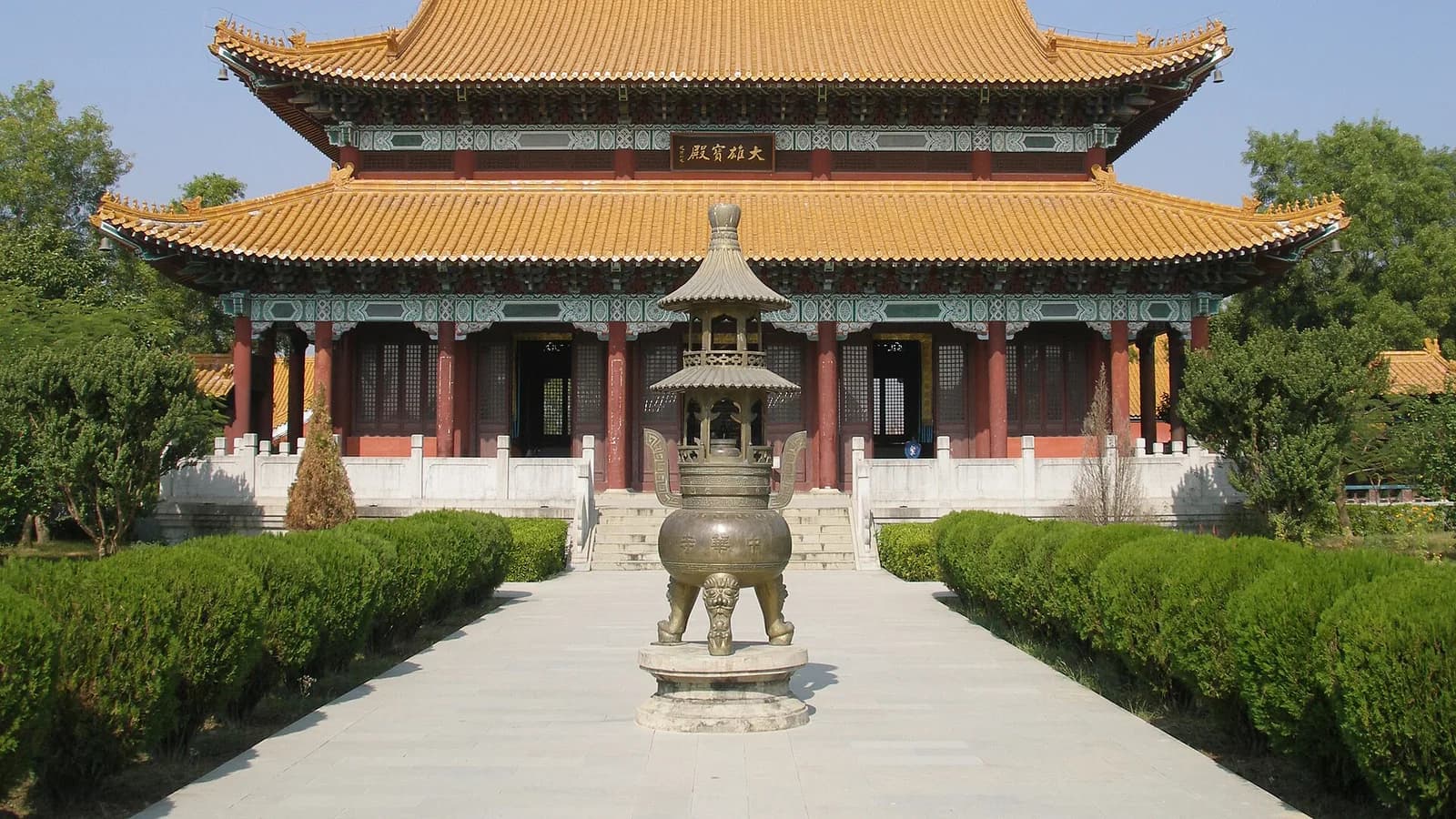
Lumbini, in southern Nepal near the Indian border, is the birthplace of Siddhartha Gautama — the historical Buddha — around 563 BCE. UNESCO designated it a World Heritage Site. Pilgrims arrive year-round. Major Buddhist countries (Japan, China, Korea, Thailand, Myanmar, Sri Lanka) have built monasteries on the site.
It's also a 7-9 hour drive from Kathmandu through the hot Terai plains, the actual birthplace marker is modest, and the surrounding "monastic zone" is a quiet park that takes most travelers about 4-6 hours to walk through.
The honest answer: Lumbini is genuinely worth visiting for the right traveler, and a waste of two days for the wrong one.
The right traveler
Lumbini fits you if:
- You have specific interest in Buddhism (you've read about it, you've meditated, you've thought about it)
- You appreciate quiet, contemplative places without much visual spectacle
- You're already in southern Nepal (visiting Chitwan, or coming from/going to India)
- You're not on a tight timeline
- You're comfortable with basic accommodation and food
- The historical significance of being where one of history's most influential teachers was born matters to you
The wrong traveler
Lumbini is probably skippable if you:
- Have a tight Kathmandu/Pokhara/trek itinerary
- Aren't particularly interested in Buddhism
- Expect a visually spectacular site (it's not)
- Don't enjoy long bus rides
- Are visiting Nepal for the mountains primarily — there are no mountains in Lumbini
- Find the heat of the Terai plains uncomfortable (it can be 40°C+ April-September)
What you actually see
The site has three main areas:
1. The Sacred Garden (the birthplace itself)
The Maya Devi Temple marks the actual location where Buddha is believed to have been born. Inside is a stone marker showing his footprint and a sculpture of Maya Devi giving birth. Photography is restricted inside the temple.
Next to the temple is the Ashoka Pillar — a stone column erected by Emperor Ashoka in 249 BCE to mark the spot. The pillar is inscribed in Brahmi script with Ashoka's declaration.
Nearby is a sacred pond where Maya Devi is said to have bathed before giving birth, and a sacred Bodhi tree with prayer flags.
The entire Sacred Garden takes 30-60 minutes to see properly. It's quiet, contemplative, and significantly smaller than most travelers expect.
2. The Monastic Zone
A large rectangular park where various Buddhist countries have built monasteries on dedicated plots:
- Korean Monastery — large, intricate, golden
- Japanese Peace Stupa — striking white modernist stupa
- Chinese Monastery — traditional Chinese architecture
- Thai Monastery — colorful, Thai-style with golden roof
- Myanmar Monastery — distinctive Burmese architecture
- Sri Lankan Monastery — quieter, traditional style
Each monastery is open to visitors during daylight. You can walk in, observe, and often sit for meditation. Some have public chanting times.
The Monastic Zone is large — roughly 1 km × 4 km. Walking it takes 3-5 hours; renting a bicycle (NPR 200-400/day from gates) cuts it to 2 hours.
3. The Museum
A small museum with archaeological artifacts from the Sacred Garden excavations. Worth 30 minutes if you're interested in the historical context.
Best time to visit
October-February: cool dry season. Daytime temperatures 20-28°C. Evenings can be cool. This is the only comfortable time to visit.
March-May: very hot pre-monsoon. 35-42°C daytime. Visit only early morning and late afternoon.
June-September: monsoon. Humid and rainy. Some flooding risk in extreme years. Bus journeys can be disrupted.
The early morning hours at the Maya Devi Temple (before 8 AM) are the most spiritual time to be there. Pilgrims do morning meditation. The temperature is comfortable. Crowds are minimal.
How to get there
From Kathmandu:
- Bus: 8-10 hours from Kathmandu bus station to Bhairahawa or Lumbini. Cost NPR 800-1,500. Tourist buses are more comfortable than local buses.
- Flight: Kathmandu to Bhairahawa (Siddhartha Nagar) airport, then 30-minute taxi to Lumbini. Flight 35 minutes, cost NPR 6,000-10,000. Saves a full day.
From India:
- The Indian border at Sunauli is 30 minutes from Lumbini. Bus or taxi from Indian cities like Varanasi (5-6 hours) or Gorakhpur (3-4 hours).
From Chitwan: 5-6 hours by bus. Common pairing — Chitwan safari then Lumbini.
Where to stay
Two areas:
- Lumbini itself — basic hotels and monasteries that offer accommodation to pilgrims (often very cheap, sometimes free for serious meditation visitors)
- Bhairahawa / Siddhartha Nagar — 25 km away, more comfortable hotels, restaurants, ATMs
Most tourists stay one night in Lumbini for the early morning at Maya Devi Temple, then one night in Bhairahawa.
Recommended Lumbini stays:
- Lumbini Hokke Hotel — Japanese-run, mid-range, comfortable
- Buddha Maya Garden — slightly upscale
- Monastery dorms — basic, cheap, atmospheric (the Korean and Japanese monasteries sometimes accept overnight visitors)
What to wear
Same as any religious site — covered shoulders and legs. The Maya Devi Temple specifically enforces dress code.
Also: light clothing in any season. The Terai is significantly hotter than Kathmandu.
Combining with other places
Lumbini + Chitwan: a 5-day southern Nepal loop. Bus from Pokhara to Chitwan (5 hours), 2 nights jungle safari, bus to Lumbini (6 hours), 1-2 nights at Buddha sites, then onward to India or back to Kathmandu.
Lumbini + India crossing: many travelers visit Lumbini as part of crossing the Sunauli border into India for Varanasi and the Buddhist circuit (Sarnath, Bodh Gaya). The geography makes this natural.
Lumbini standalone: 2 days is enough. Day 1 arrive afternoon, see monastic zone. Day 2 dawn at Maya Devi, museum, depart afternoon.
What it's actually like spiritually
Lumbini is quiet. The Sacred Garden has the gentle quality of significant places that don't need to perform their significance. The monastic zone is sometimes silent except for distant chanting. The international monasteries each have their own meditation traditions.
If you've meditated before, the Bodhi tree near Maya Devi is one of the more spiritually charged places to sit. If you haven't, the place is interesting but might feel anticlimactic.
The honest test: you're sitting under the Bodhi tree at 7 AM with the Ashoka pillar 20 meters away. You're at the spot where one of history's most influential humans was born 2,587 years ago. If that thought moves you, Lumbini is profound. If it doesn't, the site is a stone pillar and some carved markers.
Pre-trip checklist
- Confirm bus/flight booking from Kathmandu or Pokhara
- 2-3 days allocated minimum
- Cool clothes (the Terai is hot)
- Cash for entry fees (NPR 500 for Maya Devi Temple area, NPR 200 for museum)
- Bicycle rental for the monastic zone (saves significant walking)
- A book about Buddhism, or at least a Wikipedia read on the historical Buddha, before you go
- Realistic expectations — quiet contemplation, not visual spectacle
Lumbini rewards travelers who go knowing what it is — a sacred quiet place, not a tourist site. For Buddhists or contemplative travelers, it can be a highlight. For everyone else, it's a long detour with modest visual payoff.
Related posts
Lumbini Monasteries: A Guide to the Monastic Zone
A guide to the Lumbini monasteries: the East and West Monastic Zones, which countries built what, and how to actually see them in a day.
Read postBuddha Statue Nepal: A Traveller's Guide to the Best
Where to see the most striking Buddha statue sites in Nepal, from the giant golden trio at Swayambhu to the stone Buddha of Mustang.
Read postLumbini: Birthplace of Buddha in Nepal
Lumbini, the birthplace of Buddha in southern Nepal, holds the Maya Devi Temple, Ashoka's pillar, and a UNESCO-listed sacred garden. Here's the full story.
Read post