Squat Toilets in Nepal: A Practical Guide for Visitors
How squat toilets in Nepal work, what to carry, left-hand etiquette, and hygiene tips for teahouse trekking and city travel. A calm, no-panic guide.
The squat toilet is not a hardship to dread — it is just a different routine to learn.
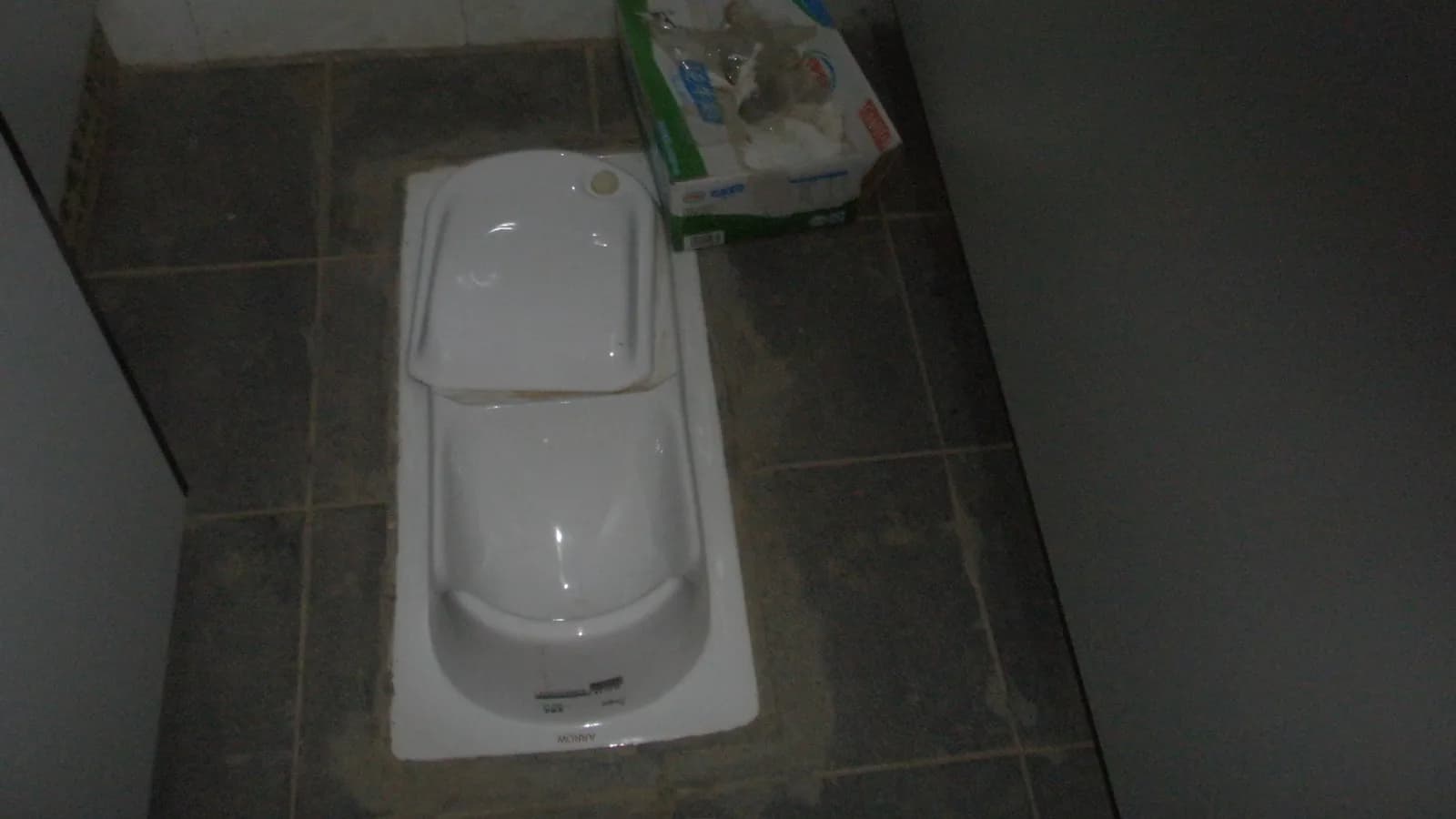
If you are heading to Nepal to trek, sightsee, or learn the language up close, you will sooner or later meet a squat toilet. For many first-time visitors this is the single most nervous-making part of the trip — and almost always for no reason. Squat toilets are simple, hygienic when used correctly, and used by most of the world's population every day. Once you understand the routine, the water, and a little local etiquette, it stops being a worry within a day or two.
This guide explains what to expect from squat toilets in Nepal, how to use one without drama, what to pack, the left-hand custom that confuses many travellers, and how to keep your stomach happy along the way. It is written for trekkers on teahouse routes and for anyone exploring Kathmandu, Pokhara, and the villages in between.
Key takeaways
- A toilet in Nepal is often called a charpi, and the squat type is the most common outside city hotels — a ceramic pan in the floor with two foot platforms and no seat.
- Bring your own toilet paper, hand sanitiser, and a headlamp. These are rarely provided, and night or high-altitude trips are easier with them.
- The left hand is the cleaning hand; the right hand is for eating and greeting. Wash both hands well afterwards.
- Do not flush toilet paper — put it in the bin provided, as most systems block easily.
- Do not drink the tap water, even though it is fine for washing and flushing; stick to boiled, bottled, or treated water.
- Western toilets exist too, mostly in cities and lower-altitude lodges, but expect squat toilets as you go higher and more remote.
What a squat toilet actually is
A squat toilet is a shallow ceramic or porcelain pan set flat into the floor, level with the surrounding tiles or concrete. On either side is a slightly raised, ridged platform for your feet. Instead of sitting, you stand on the platforms and lower into a deep squat. There is no seat, no cistern, and usually no automatic flush.
In Nepali, a toilet is commonly called a charpi (चर्पी). You will see squat versions everywhere once you leave international hotels: in local restaurants, bus parks, village homes, and the great majority of trekking teahouses. At lower altitudes and in tourist hubs you will also find sit-down Western toilets, but the higher and more remote you travel, the more the squat pan becomes the only option.
Flushing is manual. Next to the pan you will normally find a bucket or large jug of water and a smaller dipper or mug. You scoop water and pour it into the pan to wash everything down. Many toilets also have a tap or a small plastic jug — the lota — for cleaning yourself with water.
Squat versus Western: where you find each
| Setting | Most likely toilet | Notes | |---|---|---| | City hotels and guesthouses | Western (sit-down) | Often with a hand-held bidet sprayer | | Tourist restaurants in Kathmandu and Pokhara | Western or both | Paper sometimes provided | | Lower-altitude teahouses | Mix of both | At least one Western seat is common | | High-altitude or remote lodges | Squat | May be outside the main building | | Village homes, bus parks, local eateries | Squat | Bucket-and-water flush, bring your own paper |
How to use a squat toilet, step by step
The mechanics are straightforward once someone spells them out. Here is the routine most travellers settle into.
- Empty your pockets first. Phones, sunglasses, and lens caps fall out of shirt and trouser pockets surprisingly easily, and the hole is unforgiving. Zip valuables away before you start.
- Check for water. Look for a bucket and dipper, or a working tap. If the bucket is empty and no tap runs, ask your host to fill it before you go — this is normal and nobody minds.
- Position your feet. Stand on the two ridged platforms, facing the hooded or deeper end of the pan. Keep your feet flat and roughly shoulder-width apart for balance.
- Lower into a full squat. Drop your hips down and back, keeping heels on the floor if you can. Holding a wall, pipe, or your own knees helps with balance until it feels natural.
- Clean with water or paper. Traditionally you rinse with water from the jug or tap using your left hand. If you prefer paper, use it, then place it in the bin — never down the pan.
- Flush by pouring. Use the dipper to pour water briskly into the pan until everything clears. A second pour rinses the pan for the next person.
- Wash your hands well. Use soap if it is there; if not, an alcohol-based hand sanitiser of at least 60% is your backup, as the CDC advises for travel hygiene.
A few comfort notes: a deep squat is easier on flat shoes or bare feet than on stiff boots, and your thighs may complain for the first day. It passes. If your knees genuinely cannot manage a full squat, look for lodges advertising Western toilets, which are increasingly common on the popular Everest teahouse routes.
The left-hand custom, explained
One piece of etiquette trips up many visitors, so it is worth being clear. Across Nepal — as in much of South Asia — the left hand is regarded as the cleaning hand and the right hand is for eating, greeting, handing over money, and passing food. The two are kept separate.
When cleaning yourself with water in the toilet, the left hand does the work while the right hand holds the jug or scoop. Afterwards, both hands are washed thoroughly with soap. This is the same logic behind eating Nepali food such as dal bhat with the right hand only. You do not need to perform any of this perfectly, and as a foreigner you will be given a lot of leeway, but keeping the right hand out of the toilet routine and using it for meals and handshakes is a simple, respectful habit to adopt. It also lines up neatly with broader Nepali etiquette around food and contact.
If water cleaning feels like too big a leap, that is fine — plenty of travellers use paper and a quick rinse to finish, then wash up. The custom matters most for which hand you use socially, not for how you personally choose to clean.
What to pack for toilets in Nepal
A small, dedicated toilet kit removes almost all the stress. None of it is heavy, and most teahouses do not supply any of it.
| Item | Why it matters | |---|---| | Toilet paper or tissue | Rarely provided; buy rolls cheaply in town before you trek | | Hand sanitiser (60%+ alcohol) | Essential when water is frozen, scarce, or there is no soap | | Headlamp or small torch | Many toilets are outside or unlit, and you will want it at night | | Soap or biodegradable wash | Lets you wash properly; the small bar travels well | | Sealable plastic bags | For packing out used paper on remote stretches with no bin | | Quick-dry hand towel | Saves you wiping wet hands on your only trousers |
Buy toilet paper and sanitiser in Kathmandu or Pokhara, where they are inexpensive, rather than at altitude where everything is carried up by porter or mule and priced accordingly. For a fuller kit, see our Nepal trek packing list.
A note on flushing paper
This is worth repeating because it is easy to forget out of habit: do not flush toilet paper. Nepal's pit toilets and narrow plumbing block quickly, and a blockage in a remote lodge is a genuine problem for the owner. Used paper goes in the bin beside the toilet, which is emptied or burned regularly. If there is no bin on a wild stretch of trail, bag your paper and pack it out.
Hygiene, water, and avoiding a bad stomach
Toilets and stomach health are closely linked, and Nepal carries a real but very manageable risk of travellers' diarrhoea. Studies of visitors to Nepal have found that a meaningful share report gastrointestinal symptoms during their stay, and a long-running figure for newly arrived expatriates in Kathmandu is an average of around 3.2 episodes of travellers' diarrhoea in the first year. The good news is that simple habits cut the risk sharply.
Hands first. The single most effective step is careful handwashing with soap after using the toilet and before eating. When soap or running water is not available — common at altitude where pipes freeze — the CDC recommends hand sanitiser containing at least 60% alcohol. This is exactly why sanitiser earns its place at the top of the packing list.
Water, second. Tap water in Nepal is not safe to drink. Use it for washing and flushing, but for drinking, brushing teeth, and rinsing fruit, stick to water that is boiled, bottled, or properly treated. Our guide on whether the water is safe to drink in Nepal covers filters, purification tablets, and refill options in detail.
Seasonal risk. Nepal is one of the best-known places in the world for Cyclospora, a microscopic parasite that causes persistent diarrhoea. Transmission is strongly seasonal, occurring almost entirely from May to October and peaking in June and July. If you visit during the monsoon months, be especially careful with water, salads, and unpeeled produce.
Vaccines. Toilets are only one part of the picture. For travel to Nepal the CDC recommends being up to date on routine vaccines and commonly advises hepatitis A and typhoid, both of which spread through contaminated food and water, with others such as hepatitis B and rabies considered depending on your trip. Discuss your plans with a travel clinic well ahead of departure, and see our overview of vaccinations for Nepal.
High altitude and cold-weather realities
Squat toilets at altitude come with a few extra quirks that are easier to handle if you expect them.
- Outside and unlit. Many high lodges put the toilet in a separate block across a cold yard. Keep a headlamp, warm layers, and slip-on shoes near your bed so a 2 a.m. trip is quick.
- Frozen water. When temperatures drop, taps and buckets freeze. Flushing then means pouring from a bucket of water carried in, and handwashing may not be possible — your sanitiser becomes essential.
- Heavy use in peak season. During the busy spring and autumn trekking windows, a single toilet may serve a full lodge. It can get dirty and smelly despite daily cleaning, simply because of volume and limited water. A pour of water before and after helps everyone.
- Altitude and digestion. Going to altitude can unsettle digestion on its own. Stay hydrated with safe water, and do not confuse a simple upset stomach with the warning signs of altitude sickness, which are different and more serious.
None of this is a reason to avoid the mountains. It is simply the trade-off for sleeping in a warm teahouse beneath some of the highest peaks on earth, and millions of trekkers manage it happily every year.
A calm final word
Squat toilets are one of those travel hurdles that loom large before a trip and shrink to nothing within a couple of days on the ground. Learn the routine — pockets empty, water ready, left hand for cleaning, paper in the bin, hands washed — and the rest is muscle memory. Pack your small toilet kit, drink only safe water, and keep your hands clean, and the squat toilet becomes just another ordinary part of an extraordinary journey through Nepal.
Sources
- CDC Travelers' Health — Nepal
- CDC Yellow Book — Travelers' Diarrhea
- CDC Yellow Book — Nepal
- Water, Sanitation and Hygiene in Nepal and International Travellers' Travel-Health Experiences (PubMed)
- Squat toilet — Wikipedia
- Trekking in Nepal and Toilet Facilities (Nepal Holiday Treks and Tours)
- Nepal Bathrooms: What to Expect & How to Prepare (Full Time Explorer)
- Personal Hygiene While Trekking in Nepal (Explore Himalaya)
Frequently asked questions
- What is a squat toilet called in Nepal?
- A toilet in Nepali is commonly called a charpi, and the squat type is the most widespread, especially in rural areas and on trekking routes. It is a ceramic pan set level with the floor with a raised footrest on each side and no seat.
- How do you use a squat toilet?
- Empty your pockets first so nothing falls in, then stand on the two foot platforms facing the hooded end, lower into a deep squat, and keep your feet flat. Afterwards clean with water and your left hand or with paper, then pour water from the bucket to flush everything down.
- Why is the left hand used in the toilet in Nepal?
- Across Nepal the left hand is treated as the cleaning hand and the right hand is reserved for eating, greeting, and passing things. Using water and the left hand to wash is the traditional method, so keep the right hand out of the process and wash both hands well afterwards.
- Do I need to bring my own toilet paper in Nepal?
- Yes, carry your own. Toilet paper is rarely stocked in teahouse and public toilets, so bring a roll plus hand sanitiser and a headlamp for night trips. Many travellers also find that water cleaning, then a little paper to dry, works well once they get used to it.
- Can I flush toilet paper down a toilet in Nepal?
- Usually no. Most plumbing and pit systems block easily, so put used paper in the bin provided rather than down the pan. This is standard practice across teahouses, guesthouses, and many city bathrooms, and the bins are emptied regularly.
- Is the tap water safe to use for cleaning in the toilet?
- Water for washing yourself and flushing is fine, but do not drink it or use it to brush your teeth, because tap water in Nepal is not considered safe to drink. Wash your hands thoroughly with soap afterwards, or use an alcohol gel of at least sixty percent when no soap is available.
- What happens to squat toilets at high altitude in winter?
- Pipes and buckets can freeze, so the tap may not run and you flush from a bucket of water carried in. Toilets are often outside the main building and get heavy use in peak season, so bring a headlamp, keep warm layers on, and carry hand sanitiser for when water is frozen.
- Are there any Western toilets in Nepal?
- Yes, sit-down Western toilets are common in city hotels, tourist restaurants, and lower-altitude lodges, and many teahouses now have at least one. The higher and more remote you go, the more likely you are to find only squat toilets, so it helps to be comfortable with both.
Related posts
Toilets in Nepal: A Practical Guide for Travellers
What to expect from toilets in Nepal: squat vs western, bringing your own paper, the left-hand custom, water hygiene, and tips for trekking and cities.
Read postAltitude Sickness Nepal: Plan a Trek That Acclimatizes
How to plan a trek that prevents altitude sickness in Nepal — the ascent-rate numbers, rest-day math, and self-checks that keep you on the trail.
Read postDal Bhat — Nepal's National Meal Explained for Travelers
What dal bhat is, what's on the plate, why trekkers live on it, and how to order Nepal's national meal like a local. A practical traveler's guide.
Read post