Is the Water Safe to Drink in Nepal? (2026 Guide)
Is tap water safe to drink in Nepal? No — here's why, plus how to treat water, what to drink, and how to avoid getting sick on your trip or trek.
Don't drink the tap water in Nepal — but don't let that scare you. Safe water here is a solved problem with simple habits.
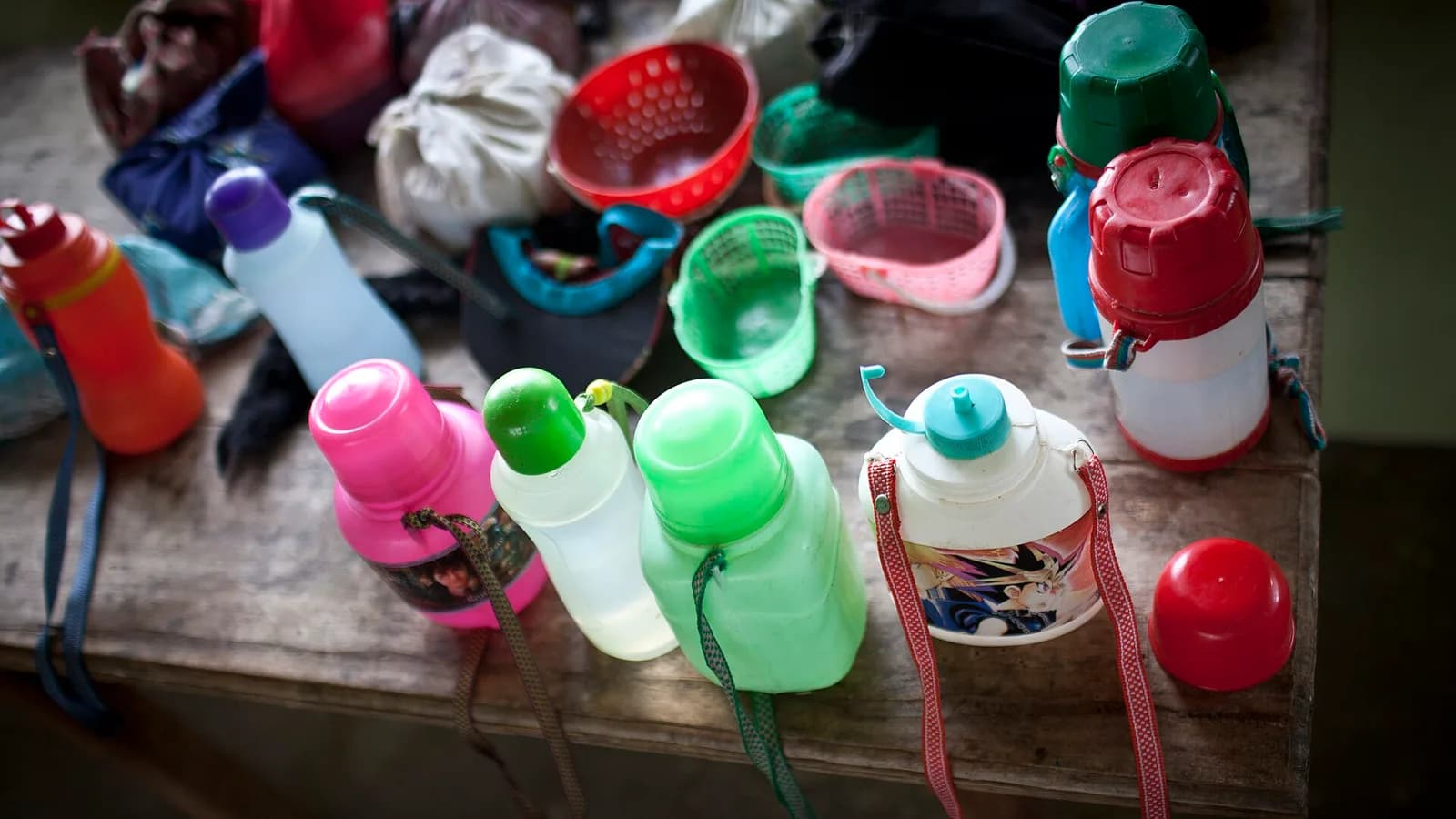
Is the water safe to drink in Nepal? No — and this is the rare travel question with a clear, unambiguous answer. Tap water across Nepal, including in Kathmandu and in good hotels, is not considered safe to drink without treatment. The reassuring part is that this is one of the most solvable problems in travel: with a few simple habits, safe water in Nepal is easy, cheap, and barely noticeable as an inconvenience.
This guide explains exactly why the tap water isn't safe, what to drink instead, how to treat water properly (including on a trek), and how to avoid the stomach trouble that's statistically the most likely thing to disrupt a Nepal trip.
Key takeaways
- Tap water in Nepal is not safe to drink anywhere, per health authorities including the US CDC — treat it, boil it, or buy sealed bottled water.
- The risks are real waterborne pathogens: bacteria, parasites like Giardia and Cryptosporidium, and viruses including hepatitis A and hepatitis E.
- Typhoid risk in Nepal is among the highest in the world, and travelers' diarrhea is the most common travel illness here.
- Boiling is the most reliable method: one minute at low elevation, three minutes above ~6,500 ft.
- Filters alone may not remove viruses — combine filtering with a method that handles viruses, or use boiling.
- Use safe water for drinking, ice, and brushing teeth; carry oral rehydration salts as a backup.
Why the tap water isn't safe
Nepal's water-supply infrastructure is overstretched and aging, and contamination from sewage and runoff is common — particularly in the Kathmandu Valley. The result is that tap water frequently carries pathogens that cause illness in travelers who aren't acclimatized to it.
The contaminants of concern fall into three groups:
- Bacteria — including E. coli and the organisms behind typhoid, cholera, and dysentery.
- Parasites — notably Giardia lamblia and Cryptosporidium, which cause prolonged gut illness and are tough to kill with chlorine alone.
- Viruses — including hepatitis A and hepatitis E. Hepatitis E is endemic in Nepal, and it's especially dangerous in pregnancy.
The US CDC states plainly that tap water in Nepal is not considered safe for drinking and that travelers should only drink boiled or bottled water. CDC also notes the typhoid/paratyphoid risk for visitors to Nepal is among the highest in the world — which is exactly why a typhoid vaccine and water discipline both matter. (See our guide to vaccinations for Nepal.)
How likely is it to actually make you sick?
Very likely, if you're careless — and easy to avoid if you're not. Travelers' diarrhea is the single most common illness affecting visitors to Nepal, far more frequent than any safety incident. There's even a seasonal pattern: CDC notes the diarrhea risk during the spring trekking season (March–May) is roughly double that of the fall season (October–November).
The good news is that the same simple precautions block the great majority of cases. This is a behavior problem, not a luck problem.
What's safe to drink
Here's the practical hierarchy, from easiest to most thorough.
| Option | Safe? | Notes | |---|---|---| | Sealed bottled water (reputable brand) | Yes, if seal intact | Check the cap is factory-sealed; widely available | | Boiled water (then cooled) | Yes | The most reliable method; kills bacteria, viruses, parasites | | Filtered + virus treatment | Yes | Filter for parasites/bacteria, plus UV or chemical for viruses | | Hot tea and coffee | Generally yes | Made with water that's just been boiled | | Tap water | No | Not safe anywhere, including hotels | | Mountain stream water (untreated) | No | Can carry pathogens from livestock and villages upstream |
A note on bottled water: it's convenient and generally safe when sealed, but it creates a lot of plastic waste — a genuine problem on popular trekking routes — and the cost adds up over a long trip. Many experienced travelers carry their own treatment instead and refill.
How to treat water yourself
If you'd rather not rely on buying bottles, here are the proven methods, with the specifics that matter.
Boiling — the gold standard
Boiling kills viruses, bacteria, and parasites, and it's foolproof.
- Bring water to a full rolling boil for 1 minute at lower elevations.
- Above roughly 6,500 feet (about 2,000 m) — which covers most trekking — boil for 3 minutes, because water boils at a lower temperature at altitude.
- Let it cool naturally; don't add ice or untreated water to speed it up.
Filtering — good, but mind the viruses
Portable filters are popular with trekkers, but effectiveness depends on the pore size and type.
- Filters certified to NSF Standard 53 or 58 (small pore size) remove parasites like Giardia and Cryptosporidium, and many bacteria — but most portable filters do not remove viruses.
- Reverse-osmosis filters remove bacteria, viruses, and even salt, but are bulkier.
- Practical takeaway: pair a standard filter with a virus-capable step (UV or chemical) when viral contamination is a concern, or just boil.
Chemical treatment — chlorine, iodine, chlorine dioxide
Tablets and drops are light and cheap, with caveats.
- Chlorine and iodine treat small quantities of (ideally pre-filtered) water, but are less effective against Cryptosporidium and Giardia.
- Chlorine dioxide tablets can be effective against Cryptosporidium if you follow the manufacturer's instructions and wait the full contact time.
- Iodine is not for everyone — it's not recommended for pregnant travelers, people with thyroid conditions, or those with iodine sensitivity.
UV light — fast, but only for clear water
UV pens (such as SteriPEN-style devices) inactivate bacteria, viruses, and parasites quickly, but only in clear water — cloudy or silty water shields pathogens from the light. Pre-filter murky water before using UV.
Drinking water on a trek
Trekking is where water strategy matters most, because you'll go through a lot of it and buying bottles gets expensive and wasteful at altitude.
- Don't trust clear streams. High mountain water looks pristine but can be contaminated by livestock and settlements upstream. Always treat it.
- Teahouses sell boiled water. On routes like Everest Base Camp, lodges sell boiled water you can pour into your bottle — usually cheaper and greener than bottled, though prices rise with altitude. See our guide to EBC teahouse food and accommodation.
- Carry a primary plus a backup. For example, a UV pen or filter as your main method and chlorine-dioxide tablets as backup, since devices can fail or batteries die.
- Hydration helps with altitude too. Staying well hydrated supports acclimatization — read our altitude sickness in Nepal guide.
Choosing a treatment method for your trip
Which method is "best" depends on your trip style. Here's how to match the tool to the traveler.
| Traveler | Recommended approach | Why | |---|---|---| | City-based sightseer | Sealed bottled water, or a UV pen / filter bottle | Low volume; convenience matters most | | Multi-day trekker | Teahouse boiled water + a backup filter or tablets | High volume; boiling and refilling beats buying bottles | | Budget / eco-minded | Reusable bottle + filter or chlorine-dioxide tablets | Cheapest over time; cuts plastic waste dramatically | | Pregnant traveler | Boiling or filtering — avoid iodine | Iodine is not recommended in pregnancy; hepatitis E is a serious risk |
A couple of habits make any method more reliable:
- Pre-filter cloudy water before using UV or chemicals — particles shield pathogens and reduce effectiveness.
- Respect contact times. Chemical tablets need the full wait stated on the packet; don't drink early.
- Keep your bottle's threads clean. Don't let untreated water sit on the cap or mouthpiece you drink from.
The plastic-waste angle
Bottled water is the easy default, but it has a real downside in Nepal: discarded plastic bottles are a visible environmental problem, especially on popular trekking trails where waste management is limited. Some areas have moved to restrict single-use plastic bottles for exactly this reason.
Treating your own water isn't only cheaper — it's the lower-impact choice. A reusable bottle plus a filter, UV pen, or tablets removes dozens of throwaway bottles from your trip, and teahouses selling refillable boiled water make this practical even at altitude.
Food and water go together
Water safety isn't just what's in your bottle — it's everything water touches.
- Ice: may be made from tap water. Fine at tourist restaurants using purified water; skip it from street stalls.
- Raw produce and salads: may be washed in tap water. Stick to peelable fruit and cooked vegetables early in your trip.
- Brushing teeth: use treated or bottled water, especially in your first days.
- Street food and freshly cooked meals: hot, freshly cooked food is generally lower-risk than anything raw or sitting out. Nepal's national dish, dal bhat, is cooked to order and a reliably safe staple.
If you do get sick
Even careful travelers sometimes get a stomach bug. It's usually self-limiting and manageable.
- Rehydrate. Use safe fluids and oral rehydration salts (ORS), which are widely available in Nepali pharmacies. Dehydration is the real danger, not the diarrhea itself.
- Rest and keep eating simply. Bland, plain food as tolerated.
- Antibiotics if needed. Because of widespread resistance to fluoroquinolones among gut pathogens in Nepal, azithromycin is generally considered the antibiotic of choice for travelers. Discuss carrying a course with a travel clinic before you go.
- Seek care for red flags. High fever, blood in stool, or symptoms lasting more than a few days warrant medical attention — important given limited care in remote areas.
Bottom line
Is the water safe to drink in Nepal? No — the tap water is not safe anywhere, and the risks (typhoid, hepatitis, Giardia, and ordinary travelers' diarrhea) are real. But this is the easiest hazard in Nepal to neutralize completely. Drink boiled, sealed-bottled, or properly treated water; use safe water for ice and teeth; be sensible with raw food; and carry ORS and a doctor-approved antibiotic as backup. Do that and bad water goes from your most likely problem to a non-event.
Sources
Frequently asked questions
- Is the tap water safe to drink in Nepal?
- No. Health authorities advise that tap water in Nepal is not safe to drink. Travelers should drink only boiled, bottled, or properly treated water everywhere in the country, including in hotels.
- Can I brush my teeth with tap water in Nepal?
- It is safer to use treated or bottled water for brushing teeth, especially early in your trip. Small amounts of contaminated water can still cause illness, so use the same water you would drink.
- Is bottled water safe in Nepal?
- Generally yes, if the seal is intact and the bottle is from a reputable brand. Check the cap is factory-sealed. To cut plastic waste and cost, many travelers treat their own water instead.
- Is it safe to drink mountain stream water while trekking?
- Not without treatment. Even clear high-altitude streams can carry bacteria and parasites from livestock and settlements upstream, so always boil, filter, or chemically treat trail water.
- How long should I boil water to make it safe in Nepal?
- Bring water to a full rolling boil for one minute at low elevation, and for three minutes above about 6,500 feet, which covers most trekking altitudes. Then let it cool before drinking.
- Should I avoid ice in drinks in Nepal?
- Be cautious. Ice may be made from untreated tap water. Tourist restaurants that use purified water for ice are usually fine, but skip ice from street vendors and unknown sources.
- What should I do if I get diarrhea in Nepal?
- Hydrate with safe fluids and oral rehydration salts. For travelers in Nepal, azithromycin is commonly recommended as the antibiotic of choice; consult a doctor or travel clinic about carrying it.
Related posts
Altitude Sickness Nepal: Plan a Trek That Acclimatizes
How to plan a trek that prevents altitude sickness in Nepal — the ascent-rate numbers, rest-day math, and self-checks that keep you on the trail.
Read postDal Bhat — Nepal's National Meal Explained for Travelers
What dal bhat is, what's on the plate, why trekkers live on it, and how to order Nepal's national meal like a local. A practical traveler's guide.
Read postDhido — Nepal's Hill-Country Porridge, Explained
What dhido is, the millet and buckwheat it is made from, how to eat the dhido thali by hand, and why this gluten-free Nepali staple is back in style.
Read post