Vaccinations for Nepal 2026 — Required, Recommended, and Trekker-Specific
What's actually required (nothing) vs what's recommended by the CDC vs what experienced trekkers add for high-altitude or rural routes.
Nepal requires zero vaccinations. The CDC recommends six. Trekkers add a seventh.
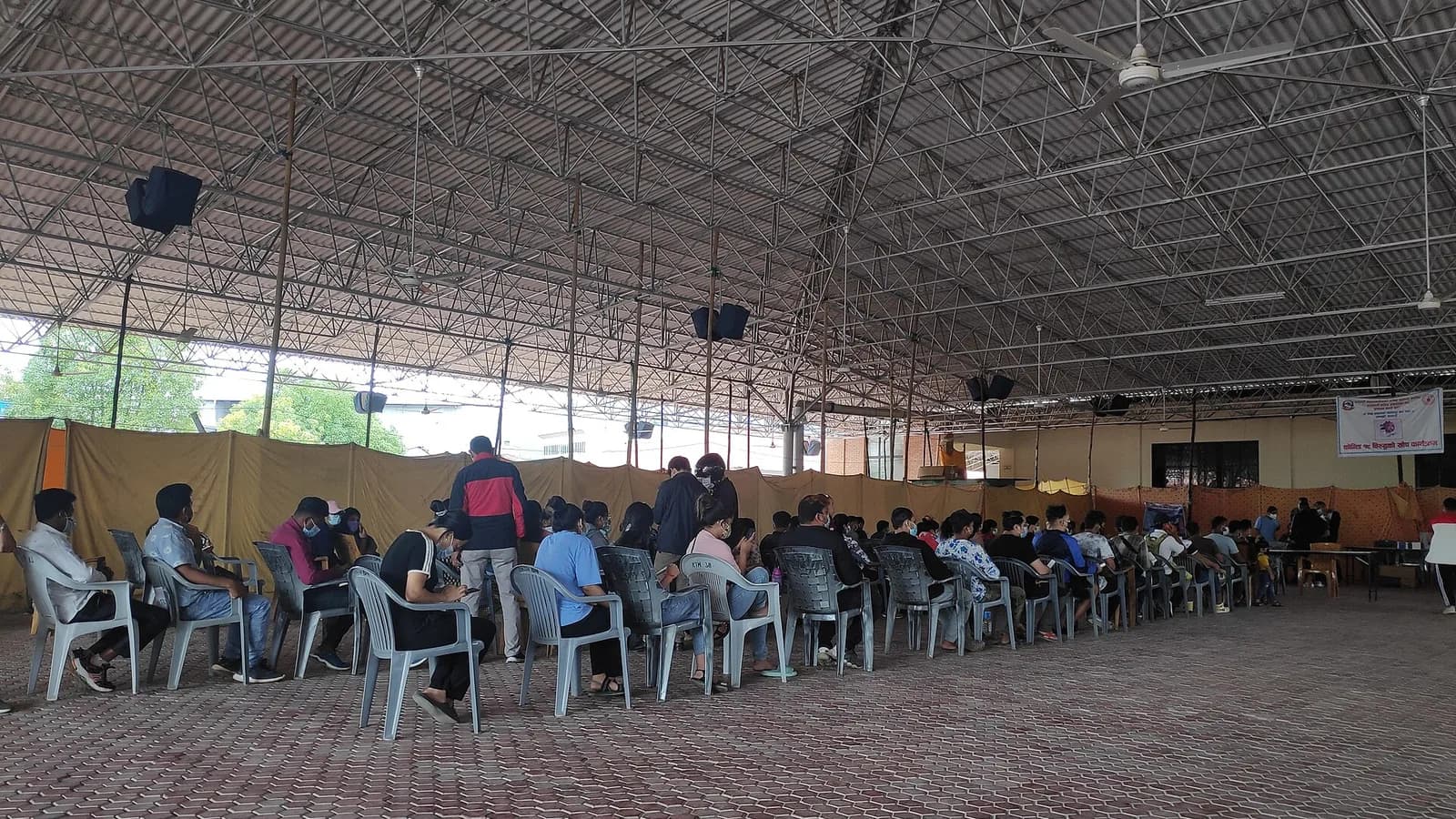
Nepal requires no vaccinations for entry from any country (with one exception below). Despite this, traveling unvaccinated is medically irresponsible — Nepal has active risk of several diseases that are essentially absent in your home country. The CDC, WHO, and most travel medicine clinics recommend a specific set of jabs, and trekkers add one or two more depending on route.
Here's the honest breakdown for 2026.
What's actually required
Yellow fever is the only legally required vaccination — and only if you're arriving from a country with yellow fever transmission (parts of sub-Saharan Africa and South America). If you're flying directly from the US, UK, EU, Australia, or most of Asia, no certificate is needed.
If you've been in a yellow-fever-endemic country in the 6 days before arriving in Nepal, you need the yellow fever certificate. Border officials at Tribhuvan Airport occasionally ask for it; without it, you can be quarantined or refused entry.
What the CDC and WHO recommend
For all travelers to Nepal:
1. Hepatitis A — transmitted through food and water. Two doses, six months apart. Even short trips warrant the first dose. The risk in Nepal is real — water contamination is widespread and even tourist-area food preparation isn't always sanitary.
2. Typhoid — also food/water transmitted. Available as injection (lasts 2 years) or oral (4 doses over 8 days, lasts 5 years). Strongly recommended for any trip beyond resort hotels.
3. Hepatitis B — transmitted through blood and bodily fluids. Lower risk for typical tourists, but recommended for trips longer than a month, anyone who might need medical care (including dental), or anyone whose plans might involve tattoos, piercings, or intimate contact.
4. MMR (Measles, Mumps, Rubella) — most adults are vaccinated, but Nepal has periodic measles outbreaks. If you got the MMR as a child but aren't sure of records, get a booster.
5. Tetanus / Diphtheria / Pertussis (Tdap) — required for cuts, scrapes, and animal bites. Check that your last dose was within 10 years. Tetanus risk on the trail is real — minor cuts that get dirty.
6. Polio — Nepal is polio-free but borders countries with active transmission. Adults vaccinated as children typically need a one-time booster before travel to South Asia.
What trekkers should add
7. Rabies (pre-exposure) — three doses over four weeks. This is the one most omitted and most genuinely important for trekkers.
Rabies in Nepal is widespread in street dogs, monkeys, and bats. Untreated, it's universally fatal. Even with the pre-exposure series, a bite still requires medical attention — but the post-bite treatment is much simpler (two more shots, no rabies immunoglobulin needed) and you have more time before the post-exposure care must start.
The reason pre-exposure rabies matters specifically for trekkers: the post-exposure rabies immunoglobulin (the time-critical injection if you're bitten and were NOT vaccinated) is scarce or unavailable at most rural Nepal hospitals. Trekkers above Namche or Lukla are days from access. If you get bitten on the trail without pre-exposure protection, you may have to fly to Bangkok or Delhi for treatment.
Cost: the pre-exposure rabies series is expensive ($800–1,500 for three shots in the US). It's the single most expensive part of pre-Nepal medical prep. It's also the single most defensible expense.
Recommended depending on circumstance
Japanese encephalitis — mosquito-borne, mostly in the Terai (southern Nepal) lowlands. If you're spending time at low altitude in monsoon season (June–August), particularly in Chitwan or rural Terai, get it. If you're sticking to Kathmandu and high-altitude trekking, skip it.
Cholera — recommended only if you're in high-risk situations (extended stays in poor sanitation areas, working in healthcare). Most tourists don't need it.
Influenza — get the seasonal flu shot in your usual season. Flu hits Nepal hard during winter months and can complicate a trek significantly.
COVID-19 — Nepal has dropped all COVID entry requirements. Vaccination is recommended but not required.
What about altitude meds (Diamox)?
Not a vaccination, but worth mentioning here — Diamox (acetazolamide) for altitude sickness prevention is available over the counter in Kathmandu pharmacies for about NPR 700 ($5) for a strip of 10. You don't need a prescription in Nepal. If you're trekking above 3,000m, having Diamox available is sensible. See the altitude sickness guide for proper dosing.
Where to get vaccinations
Best: a travel medicine clinic in your home country, 6–8 weeks before travel. Hepatitis A needs at least the first dose for protection; rabies needs the full 4-week series.
Backup: if you're already abroad, vaccination clinics in Bangkok, Singapore, or Delhi can administer most of what you need. In Kathmandu, the CIWEC Clinic (Lazimpat) and Norvic International Hospital both have travel medicine departments. CIWEC specifically is run by Western-trained doctors and serves the expat community.
What to bring on the trip
- Yellow fever certificate if you've been in an endemic area
- A copy of your vaccination record (printed or photo on phone) — occasionally requested at remote clinics
- A small medical kit: ibuprofen, ORS sachets, anti-nausea (ondansetron), broad-spectrum antibiotic (azithromycin for traveler's diarrhea — talk to your doctor), Diamox if trekking
- Iodine tablets or a water filter — water-borne disease is the most common trekker health issue
The realistic risk profile
In order of likelihood for a typical Nepal traveler:
- Traveler's diarrhea — 30-50% chance. Manage with hydration, ORS, and sometimes antibiotics. Get the OTC azithromycin from a Kathmandu pharmacy if you don't have a script.
- Altitude sickness — 25-30% chance for trekkers above 4,000m. See the altitude guide.
- Minor injuries — sprains, blisters, cuts. Treat with first aid kit; serious cases need real medical care.
- Hepatitis A — preventable with vaccination, otherwise common via food/water. 0.5-1% annual risk for unvaccinated travelers.
- Animal bites — small percentage but high consequence. Pre-exposure rabies vaccination changes the response from "fly to Bangkok" to "two more shots locally."
- Typhoid — preventable with vaccination, otherwise small but non-trivial risk.
- Japanese encephalitis — very low for tourists not in the Terai during monsoon.
Cost summary
For a fully vaccinated traveler (in the US, similar elsewhere):
- Hepatitis A + Typhoid combined: $150–250
- Hep B (if needed): $150–300
- MMR booster: $50–100
- Tdap booster: $50–100
- Polio booster: $50
- Rabies pre-exposure (3 doses): $800–1,500
- Doctor visit and consultation: $100–200
Total: $1,200–2,500 for a comprehensive pre-Nepal medical prep. Most of this is the rabies series. Without rabies, you're at $500–1,000.
This is the cheapest investment in not having a catastrophic trip.
Pre-trip checklist
- All recommended CDC vaccinations completed at least 4 weeks before flying
- Rabies pre-exposure series done if trekking
- Personal medical kit packed (see above)
- The trekking insurance with helicopter evac policy that pays for the things vaccinations didn't prevent
- The number for CIWEC Clinic Kathmandu saved: +977-1-4424111
The most preventable medical problems in Nepal are also the most expensive when they happen. Front-load the prep.
Related posts
Vaccinations for Nepal: Timing, Costs and Where to Go
A planning-focused guide to vaccinations for Nepal — when to start, what to do if you are late, and where to get jabs at home or in Kathmandu.
Read postDo I Need Malaria Tablets for Nepal? An Honest Answer
Do you need malaria tablets for Nepal? For most tourists the answer is no. Here is what the CDC, NaTHNaC and CIWEC actually advise for 2026.
Read postAltitude Sickness Nepal: Plan a Trek That Acclimatizes
How to plan a trek that prevents altitude sickness in Nepal — the ascent-rate numbers, rest-day math, and self-checks that keep you on the trail.
Read post