Best Time to Visit Langtang: A Season-by-Season Guide
The best time to visit Langtang is autumn and spring. Here is how each season looks for weather, views, crowds and the landslide-prone road to Syabrubesi.
Pick the month and you pick the trek — clear October skies, March rhododendrons, or a quiet but freezing winter valley.
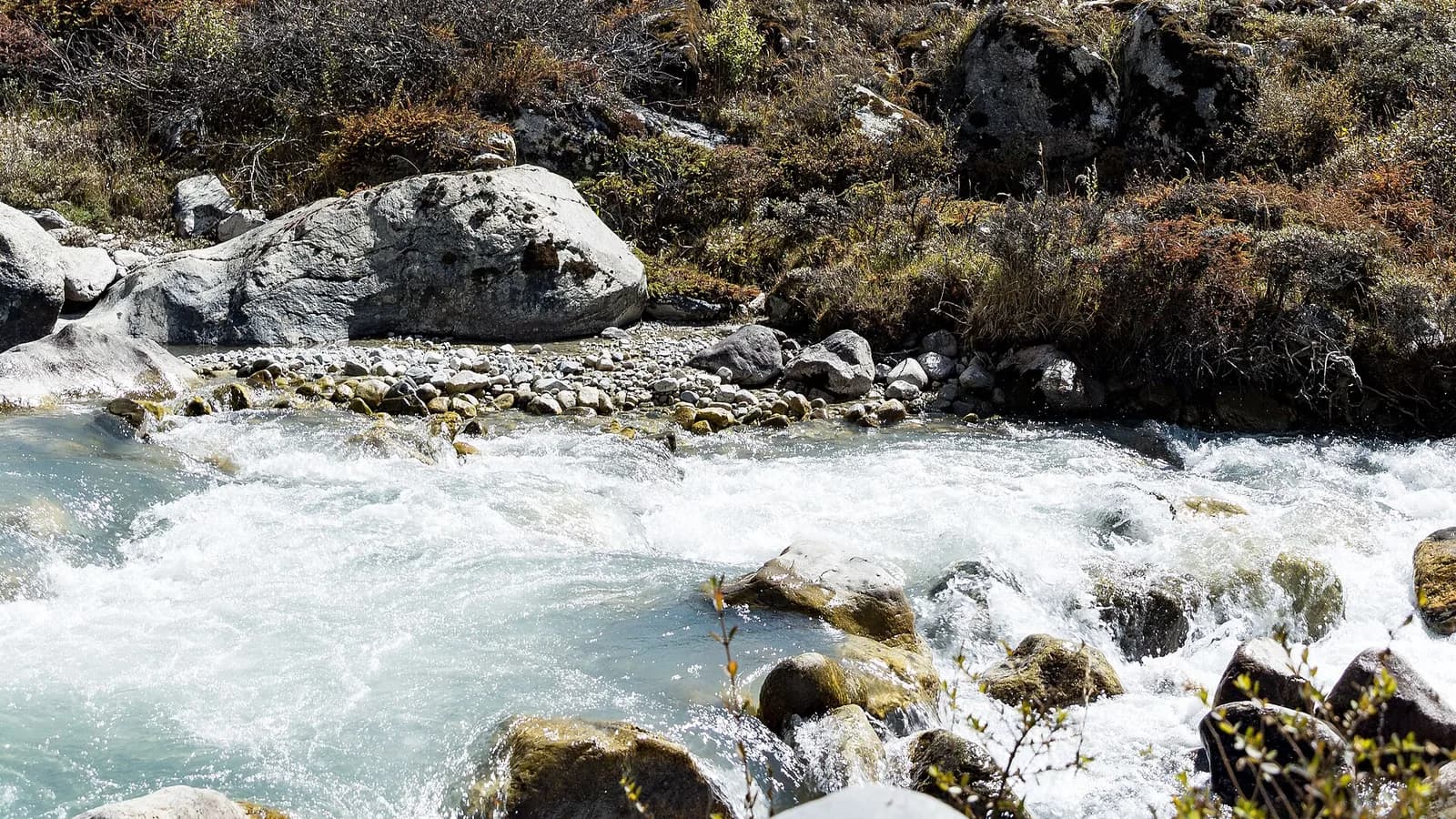
Working out the best time to visit Langtang comes down to a simple trade-off between clear mountain views, comfortable temperatures, trail conditions and how busy you want the lodges to be. The short answer is that autumn and spring are the two reliable windows, autumn just edging ahead. But Langtang has a wrinkle that the headline treks do not: it is reached entirely by road, on a highway that the monsoon can break, so timing matters here for getting to the trailhead as much as for the walking itself.
This guide breaks the year into seasons and months, with the weather you can expect, what the valley looks like, and the practical catches around the road to Syabrubesi. For the route itself, the day-by-day plan and the cost picture, see our companion Langtang trek guide; for the human story of the valley's recovery, read Langtang a decade after the earthquake.
Key takeaways
- Autumn (late September–November) is the best overall season — dry, stable and the clearest views; October is the standout month.
- Spring (March–May) is the close second, a touch hazier but with rhododendron blooms in the lower forest.
- Monsoon (June–August) brings mud, leeches, cloud-hidden peaks and a landslide-prone road to Syabrubesi — manageable for the determined, not ideal.
- Winter (December–February) is cold and very quiet, with snow likely around Kyanjin Gompa and high side hikes often closed.
- The Pasang Lhamu Highway to the trailhead is the weak link in any season; build in 1–2 buffer days.
- A licensed guide and two permits are required year-round — the season does not change that rule.
The quick answer: autumn, then spring
If you only remember one thing: aim for autumn, roughly late September through November, and treat spring, March through May, as the excellent alternative. Both deliver dry trails and the snow-capped panorama that makes the Langtang Valley worth the long drive. Both also sit either side of the summer monsoon and the deep cold of winter, which are the two windows most trekkers are trying to avoid.
The difference between them is mostly about air clarity and what is in bloom. Autumn follows the monsoon, which scrubs the haze out of the sky and leaves exceptionally crisp, long-distance views. Spring is warmer at altitude and paints the lower forest with rhododendron, but the building pre-monsoon heat can put a little more haze in the valleys. Neither is a wrong choice — it is a question of clear skies versus flowers.
Autumn (late September to November): the prime window
Autumn is peak season in Langtang for good reason. By mid-to-late September the monsoon is winding down, the trails are drying out, and from then through November the weather is at its most stable. Skies are typically clear, giving the best visibility of the year onto the Langtang range and toward the Tibetan border, and daytime temperatures are comfortable for walking.
What to expect month by month
- September: the changeover month. Early September still carries monsoon tail-end showers and the chance of post-rain landslides on the road, but trails dry significantly by mid-month and the crowds are still thin.
- October: widely rated the single best month — settled weather, washed-clean air and reliable views. It is also the busiest, so secure lodges and your guide early.
- November: clear and stable continues, with colder nights as the month goes on. A superb choice if you want the autumn views with slightly fewer people than October.
Temperatures vary sharply with altitude. In the broadly comparable Gosaikunda area, autumn daytime highs sit around 20–28°C (68–82°F) at lower elevations, dropping to roughly 6–10°C (43–50°F) at night, per regional trekking operators; up at Kyanjin Gompa, nights are below freezing. Treat those numbers as a guide to the pattern, not a forecast.
Spring (March to May): blooms and warmth
Spring is the second prime season and, for some, the more colourful one. From March into May the days lengthen and warm, the high snow softens, and the lower and middle forest fills with blooming rhododendron — Nepal's national flower — which is the signature of a spring Langtang walk.
The trade-offs are modest. Views remain good but can be a little hazier than the post-monsoon clarity of autumn, especially as May heats up ahead of the monsoon. According to regional weather guides, spring daytime temperatures along the trail commonly run around 10–20°C (50–68°F), pleasant for walking, though nights at altitude still drop below freezing. Spring is also a popular window, so the higher lodges around Kyanjin Gompa can fill up. If you want flowers and warmer days, this is your season.
Monsoon (June to August): the season to think twice about
Summer is the monsoon, and it is the season most trekkers are advised to skip. Nepal's rains normally arrive in mid-June and withdraw in early October — the Department of Hydrology and Meteorology gives a normal eastern-Nepal onset around 13 June and withdrawal around 2 October — but the timing shifts year to year. In 2025, for instance, the monsoon entered unusually early, around 28 May, and the withdrawal was expected to run late, which stretches the wet window at both ends.
The problems are practical rather than dramatic. Trails turn muddy and slippery, leeches appear in the humid lower forest, and thick cloud frequently hides the very peaks you came to see. The bigger issue is access: the road to Syabrubesi is winding and partly unpaved, and landslides or flooding can hold up vehicles for hours or, in bad spells, days. July 2025 saw significant disruption on this route after heavy floods. If you do go in monsoon, build in generous buffer days and accept that the mountains may stay behind the clouds.
Janai Purnima at Gosaikunda
There is one cultural reason some travellers choose the monsoon anyway. On the August full moon of Janai Purnima, thousands of Hindu and Buddhist pilgrims trek up to the sacred Gosaikunda lakes for one of the region's great religious gatherings. It is an extraordinary thing to witness, but it lands squarely in the wet season: expect soaked trails, possible road delays and packed lodges along the pilgrimage route.
Winter (December to February): cold, quiet and snowbound up high
Winter swaps crowds for cold and solitude. The skies can be sharp and clear, and the lower valley is often perfectly walkable, but temperatures fall steeply. Snow is likely in the upper valley around Kyanjin Gompa, overnight temperatures sit well below freezing, and the high side hikes and the Gosaikunda passes can be snowed in or genuinely hazardous.
For a well-equipped trekker comfortable with the cold, winter Langtang is a peaceful experience — the lodges that stay open are quiet, and the air is still. But it demands proper insulation and a flexible plan, because a heavy snowfall can shut down the very viewpoints, such as Tserko Ri, that reward the climb. If you are new to Himalayan trekking, autumn or spring is the safer bet.
Season-by-season at a glance
| Season | Months | Weather and views | Trail and road | Crowds | | --- | --- | --- | --- | --- | | Autumn | Late Sep–Nov | Stable, clearest views of the year | Dry trails; road mostly settled | Busiest, peak | | Spring | Mar–May | Warm, good views, some haze; rhododendrons | Dry, firm trails | Busy | | Monsoon | Jun–Aug | Cloud, rain, hidden peaks | Muddy, leeches; landslide-prone road | Quiet (busy at Janai Purnima) | | Winter | Dec–Feb | Cold, often clear; snow up high | Valley walkable; high hikes may close | Very quiet |
Practical timing tips whatever the season
A few things hold true across the whole calendar:
- Plan for the road, not just the walk. The Pasang Lhamu Highway to Syabrubesi is the route's main vulnerability. One to two buffer days protect your flights home from a road closure, most critically in and just after the monsoon.
- Pack for sub-zero nights. Even in the prime seasons, nights at Kyanjin Gompa drop below freezing. Our Nepal trekking packing list covers what that means in practice.
- Respect the altitude. Kyanjin Gompa sits near 3,830 metres and the optional Tserko Ri viewpoint approaches 4,980 metres. Acclimatise sensibly and read up on altitude sickness before you climb high.
- Guide and permits are year-round. Since mid-February 2025 a licensed guide is mandatory in the national park, and permits are arranged through a registered agency — see the Langtang trek guide for the current fees.
- Zoom out if your dates are fixed. If you are choosing a region around set travel dates, our best time to visit Nepal overview and Nepal weather by month calendar put Langtang in national context.
A handful of trail Nepali goes a long way with lodge owners and your guide; the phrases every trekker should know are worth a glance before you set off.
Sources
- Department of Hydrology and Meteorology — Monsoon onset and withdrawal
- The Kathmandu Post — Monsoon crosses into Nepal 15 days ahead of schedule (2025)
- The Kathmandu Post — Monsoon withdrawal expected to be delayed this year (2025)
- Discovery World Trekking — Langtang trek during monsoon
- Best Heritage Tour — Langtang Valley trek in September 2025/2026
- Magical Nepal — Best time to go for the Langtang trek
- Magical Nepal — Best time for the Gosainkunda trek
- Nepal Base Camp Treks — Langtang Valley trek permits
Frequently asked questions
- What is the overall best time to visit Langtang?
- Autumn, from late September through November, is the prime window — stable weather, dry trails and the clearest mountain views of the year. Spring, from March to May, is the strong second choice and adds rhododendron blooms in the lower forest.
- Is October a good month for the Langtang trek?
- October is widely considered the single best month. The monsoon has cleared, the air is washed clean for long-distance views of the Langtang range, daytime walking is comfortable and the trail is dry. It is also the busiest month, so book lodges and your guide ahead.
- Can you trek Langtang during the monsoon in June, July and August?
- It is possible but not recommended for most trekkers. Trails are muddy and slippery, leeches appear in the lower forest, clouds often hide the peaks, and the road to Syabrubesi is prone to landslides and flood damage that can delay or block travel for hours or days.
- What is the weather like in Langtang in winter?
- Winter, from December to February, is cold and quiet, with snow likely in the upper valley around Kyanjin Gompa and overnight temperatures well below freezing. The main valley trail usually stays walkable, but high side hikes and the Gosaikunda passes can be snowed in.
- How cold does it get at Kyanjin Gompa at night?
- Nights are below freezing for much of the trekking year at Kyanjin Gompa, which sits near 3,830 metres. Even in autumn and spring, plan for sub-zero overnight temperatures and a warm sleeping bag; winter nights are considerably colder again.
- Should I plan extra days for the road to Syabrubesi?
- Yes. The Pasang Lhamu Highway to Syabrubesi is the route's main weak point, and landslides or floods can hold up vehicles, especially in and just after the monsoon. Building one to two buffer days into your trip is sensible in any season.
- Is Janai Purnima a good time to visit Langtang and Gosaikunda?
- The August full moon of Janai Purnima draws thousands of pilgrims to the sacred Gosaikunda lakes, which is a powerful cultural experience. It falls in the monsoon, though, so expect wet trails, possible road delays and very full lodges along the pilgrimage route.
- Do I still need a guide and permits whatever season I trek?
- Yes. Since mid-February 2025 a licensed guide has been mandatory in Langtang National Park, and permits must be arranged through a registered agency, regardless of the season you choose to walk.
Related posts
Best Season to Trek in Nepal: A Trekker's Calendar
The best season to trek in Nepal is autumn or spring — but the right month depends on your route, altitude, and tolerance for crowds. Here is the full breakdown.
Read postBest Time for Everest Base Camp Trek: Month Guide
The best time for the Everest Base Camp trek is spring and autumn. Here is how each month stacks up for weather, views, crowds and Lukla flights.
Read postMonsoon Season in Nepal: A Traveller's Honest Guide
When the monsoon season hits Nepal, what the rain really means for trekking and travel, and the rain-shadow regions that stay dry from June to September.
Read post