Nepal Currency Guide — The Nepalese Rupee for Tourists
What the Nepalese rupee looks like, how it compares to USD, the Indian rupee rules, and how to carry money in Nepal without getting caught out.
Carry small notes, learn the rhino on the 100, and never let anyone change money for you on the street.
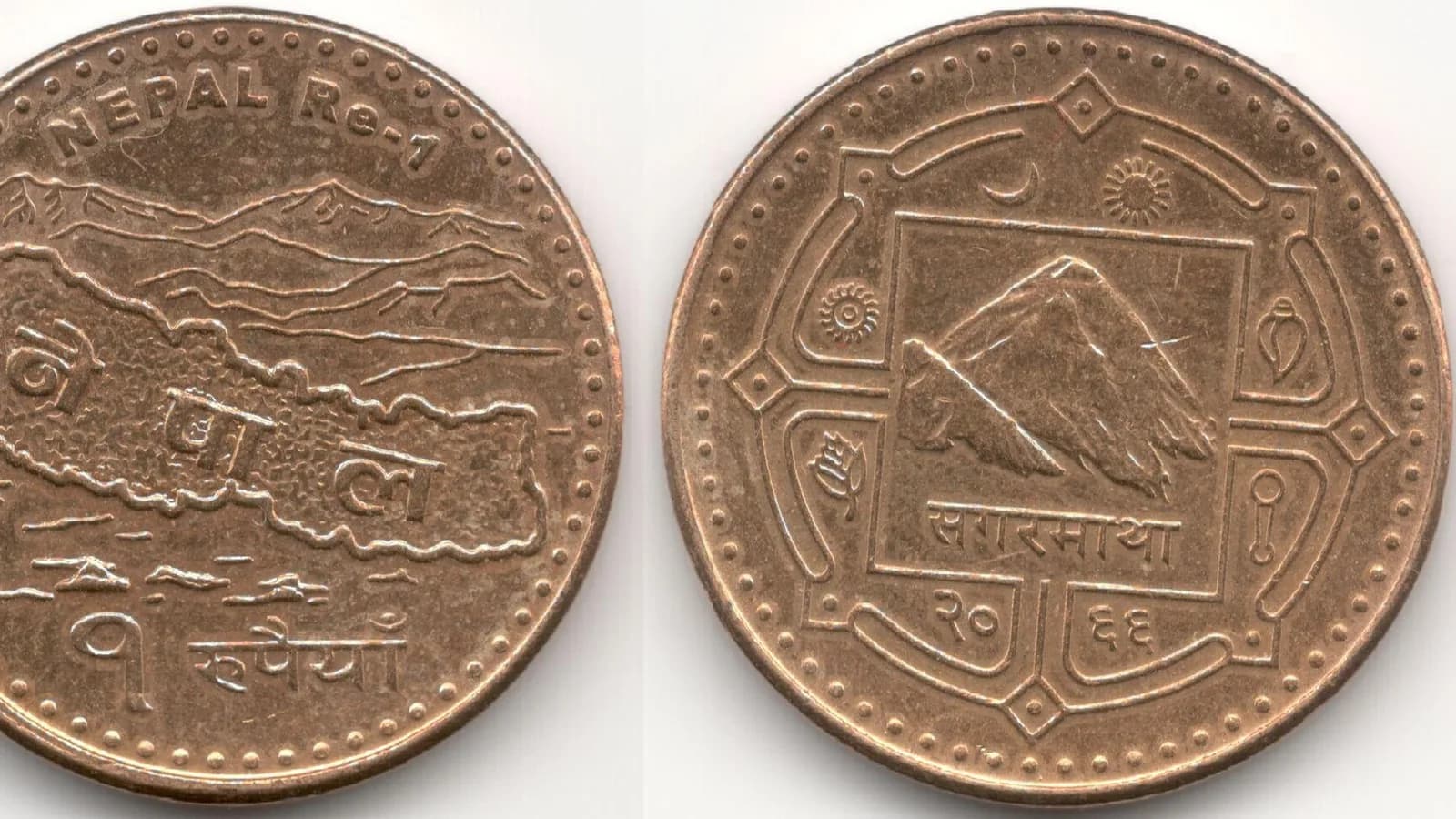
The currency of Nepal is the Nepalese rupee (NPR, often written Rs and spoken as rupaiya). It is the only money you can rely on for everyday spending in the country, and understanding it before you arrive saves you from the most common money mistakes tourists make: overpaying at the airport, carrying the wrong Indian banknotes, or showing up on a trek with nothing but a debit card. This guide covers what the rupee looks like, what it is roughly worth, the unusual rules around Indian currency, and how to carry money sensibly.
Key takeaways
- Nepal's currency is the Nepalese rupee (NPR / Rs), divided into 100 paisa; the notes you will use are 5 to 1,000 rupees.
- As of June 2026, one US dollar is worth roughly 145–155 rupees — a mental anchor of about 150 per USD is fine for budgeting, but the rate moves daily.
- The rupee is pegged to the Indian rupee at a fixed rate of 1 INR = 1.6 NPR, in place since 1993.
- Indian 100-rupee notes are accepted; higher Indian denominations were banned for years, with a 2025 agreement beginning to relax that — confirm the current rule before carrying big Indian notes.
- You can bring in up to about USD 5,000 in cash without declaring it; taking NPR out of Nepal is restricted.
- Nepal runs on cash outside the main tourist areas — carry small notes and never change money with someone who approaches you on the street.
What the Nepalese rupee looks like
The rupee is issued by Nepal Rastra Bank, the country's central bank. Banknotes circulate in denominations of 5, 10, 20, 50, 100, 500 and 1,000 rupees, with rare 1, 2, 25 and 250 notes you are unlikely to handle. Coins exist in 1, 2, 5 and 10 rupees, but in practice you will deal almost entirely in notes.
Nepali notes are easy to love. The current series, introduced in 2012, puts Mount Everest on the face of every note from 5 to 1,000 rupees, with each denomination carrying its own colour and wildlife. A few you will quickly recognise:
| Note | Dominant colour | Notable imagery | |---|---|---| | Rs 100 | Green/lilac | Taleju Temple; a one-horned rhinoceros on the reverse | | Rs 500 | Brown/violet | Mountains and a monastery; a tiger on the reverse | | Rs 1,000 | Blue/grey | Swayambhunath stupa; twin Asian elephants on the reverse |
The wildlife reverses are a handy shortcut: if you ask for "the rhino note," most vendors will know you mean a hundred. Smaller notes (10, 20, 50) are worn and grubby but perfectly valid — do not refuse a tatty note, because everyone uses them.
What the rupee is worth
The rupee is not a strong currency, which is good news for visitors: your money goes a long way. Through the first half of 2026 the US dollar has traded at roughly 145 to 155 rupees, and a working figure of about 150 rupees per dollar is close enough for planning a budget (as of June 2026). For other major currencies, rough mid-2026 ballparks are a little higher per unit for the euro and pound — but exact figures shift constantly.
Treat any single number as approximate. Exchange rates move daily, and the rate a money changer offers is always slightly below the mid-market rate you see on a converter. Before you exchange anything, glance at a tool like a currency app or the Nepal Rastra Bank reference rates so you know what a fair offer looks like. For where to actually change money — and why the airport is the worst place to do it — see our Nepal money exchange guide.
A quick price sense check
To make the rupee concrete, here is roughly what everyday things cost, with approximate dollar equivalents at around 150 per USD (as of June 2026). Prices vary by place and season, so use these as orientation, not gospel:
| Item | Approx. NPR | Approx. USD | |---|---|---| | Cup of milk tea (chiya) | 30–60 | $0.20–0.40 | | Plate of momos | 150–300 | $1–2 | | Local dal bhat meal | 200–500 | $1.50–3.50 | | Short city taxi ride | 300–600 | $2–4 | | Night in a budget guesthouse | 1,000–2,500 | $7–17 |
For a fuller picture of daily spending, our Nepal travel budget breakdown puts these numbers into trip-length context.
The peg to the Indian rupee
One quirk that surprises visitors is that the Nepalese rupee is fixed to the Indian rupee. Since 1993, Nepal Rastra Bank has held the rate at 1 Indian rupee = 1.6 Nepalese rupees, a relationship whose roots go back to 1960. India is by far Nepal's largest trading partner, and the peg buys exchange-rate stability with its giant neighbour.
For you as a tourist, the peg has one practical effect: because the rupee tracks the Indian rupee, the NPR/USD rate broadly rises and falls with the Indian rupee against the dollar. It also means Indian rupees are usable in Nepal in a way no other foreign currency is — but only within strict rules, covered next.
The Indian banknote rules — read this if coming from India
This is the single most misunderstood money issue in Nepal, and it has genuinely landed travellers in trouble. For years, Nepal banned the higher Indian denominations — the 200, 500 and 2,000 rupee notes — from being carried or used in the country. Only Indian 100-rupee notes (and smaller) were legal. Tourists crossing the open border with a wallet full of Indian 500s sometimes faced confiscation or fines, often without realising they had broken any rule.
The situation is now easing. In late 2025, India amended its regulations and the two governments agreed to allow people to carry up to 25,000 Indian rupees in notes above 100 across the border, with any amount in notes up to 100. At the time of writing the change was in its final administrative stages rather than fully bedded in everywhere.
The safe takeaway:
- Indian 100-rupee notes are the reliable option and have always been accepted.
- Do not assume every shop, border post or official is up to date on the new higher-denomination allowance.
- If you are coming overland from India, carry a stack of Indian 100s for the border, or simply exchange into Nepalese rupees as soon as you can.
- Confirm the current rule close to your travel date, since cross-border currency policy here has changed more than once.
Bringing money in and out
Nepal sets limits on cash movement that are worth knowing before you pack:
- You can generally bring in the equivalent of up to USD 5,000 in foreign cash without declaring it. Above that threshold, declare it to customs on arrival and keep the certification — otherwise you risk confiscation.
- Taking Nepalese rupees out of the country is restricted. Plan to spend or convert your leftover rupees before departure; the airport's exchange desks are the last (and worst-value) resort.
- The USD 5,000 figure technically covers Indian rupees too, but the denomination rules above matter more in practice for Indian cash.
Because you cannot easily take rupees home, a good habit is to under-exchange slightly as your trip winds down, topping up small amounts rather than converting a big sum you then have to offload at the airport.
Cash, cards and digital wallets
Nepal is, for visitors, still very much a cash economy once you step outside international hotels and a handful of tourist restaurants.
Cash is essential — and often the only option — for taxis, local buses, small guesthouses, tea houses on the trail, market stalls and most everyday purchases. Always have rupees on you.
Cards (Visa and Mastercard, the two networks accepted almost everywhere that takes cards at all) work at larger hotels, upscale and tourist-facing restaurants, and bigger shops in Kathmandu, Pokhara and Durbar Marg. Expect an occasional surcharge of a few percent. Never rely on a card alone.
ATMs are the practical way to get rupees day to day. They are reliable in Kathmandu (Thamel, Durbar Marg, Lazimpat) and Pokhara (Lakeside), but become scarce in smaller towns and effectively vanish on most trekking routes. Withdrawal limits are tight by international standards. For the specifics — per-transaction caps, fees and which banks' machines accept foreign cards best — see our Nepal ATM withdrawal guide.
Digital wallets like eSewa and Khalti dominate local payments, but they are tied to Nepali bank accounts and phone numbers, so they are generally not practical for short-term visitors. Stick to cash and cards.
A simple rule covers most trips: use city ATMs for rupees, keep some clean US dollars or euros as backup, and carry enough cash before any trek.
Practical money tips for Nepal
A few habits make handling rupees much smoother:
- Break large notes early. A 1,000-rupee note is hard to spend with a tea seller or taxi driver. Whenever you pay at a hotel or supermarket that can make change, ask for smaller notes.
- Hoard small denominations. Tips, taxis, temple donations and snacks all want 10s, 20s, 50s and 100s. Knowing your Nepali numbers for bargaining helps you handle prices and change confidently.
- Inspect your notes. Badly torn notes can be refused; ask the changer or bank to swap any that are heavily damaged.
- Never change money on the street. Anyone who approaches you offering a great rate is running a scam — see our Nepal tourist scams roundup. Use a licensed changer with a visible licence and a printed receipt.
- Carry clean, newer foreign notes. Money changers prefer crisp, recent US dollars and may reject old, marked or torn foreign bills, or pay less for them.
- Keep cash in two places. Split your money between your wallet and a separate stash so a lost wallet does not end your trip.
Get these right and the Nepalese rupee becomes one of the easy parts of travelling here — a friendly, mountain-stamped currency that stretches a long way. If you want to put it to good use, our guide to what to buy in Nepal is a fun place to start.
Sources
- Nepalese rupee — Wikipedia
- Foreign Exchange Rate — Nepal Rastra Bank (central bank)
- US Dollar to Nepalese Rupee History: 2026 — Exchange Rates UK
- Nepal set to allow Indian high-value notes after a decade-long ban — Kathmandu Post
- Foreign Currency Limit in Nepal — eStartup Nepal
- The Pegged Currency System: Nepalese Currency Pegged to the Indian Rupee — MoneyMitra
- Nepal Money Guide 2026: ATMs, Cards, Cash — The Longest Way Home
Frequently asked questions
- What is the currency of Nepal?
- The currency of Nepal is the Nepalese rupee, written NPR or Rs and locally called the rupaiya. It is divided into 100 paisa, though paisa coins are rarely seen now. Notes come in 5, 10, 20, 50, 100, 500 and 1,000 rupees, and these are what you will actually use.
- How much is one US dollar in Nepalese rupees?
- Through the first half of 2026 one US dollar has traded at roughly 145 to 155 Nepalese rupees, so a rough mental figure of around 150 rupees per dollar works for budgeting (as of June 2026). The rate moves daily, so check a converter or the Nepal Rastra Bank reference rates on the day you exchange. Money changers give you a little less than this mid-market figure.
- Can I use US dollars or euros directly in Nepal?
- Mostly no. A handful of tourist-facing services like trekking agencies, some hotels and visa-on-arrival fees accept US dollars, but everyday shops, taxis, restaurants and buses want Nepalese rupees. Treat foreign cash as something to exchange, not to spend, and always carry enough rupees for the day.
- Are Indian rupees accepted in Nepal?
- Indian 100-rupee notes are widely accepted and the rupee is pegged to the Indian rupee at a fixed rate. For years the higher Indian denominations of 200, 500 and 2,000 were banned in Nepal, and carrying them led to fines. In late 2025 both governments agreed to allow up to 25,000 Indian rupees in notes above 100, but always confirm the current rule before relying on big Indian notes.
- How much cash can I bring into Nepal?
- You can generally bring in the equivalent of up to 5,000 US dollars in foreign cash without a customs declaration; above that you must declare it on arrival. Taking Nepalese rupees out of the country is restricted, so spend or convert your leftover rupees before you fly home. Rules can change, so check the latest customs guidance for your trip.
- Should I bring cash or rely on ATMs in Nepal?
- Bring a sensible amount of clean US dollars or euros as a backup and use ATMs in Kathmandu and Pokhara for day-to-day rupees. ATMs are reliable in the cities but thin on the ground on trekking trails, so withdraw or exchange enough cash before you head into the mountains. Carrying both cash and a card protects you if one fails.
- Can I pay by card in Nepal?
- Visa and Mastercard work in larger hotels, upscale restaurants and tourist shops in Kathmandu, Pokhara and Durbar Marg, often with a surcharge. Local taxis, small guesthouses, tea houses on the trail and market stalls are cash only. Nepal runs largely on cash once you leave the main tourist zones, so never depend on a card alone.
- What denominations of Nepalese rupees should I carry?
- Keep a stock of small notes — 10, 20, 50 and 100 rupees — for taxis, tips, tea and small purchases, because vendors often cannot break a 1,000 note. Use the larger 500 and 1,000 notes for hotels, restaurants and shops that can make change. Breaking big notes early in the day saves a lot of friction later.
Related posts
Nepalese Rupee Exchange Rate: A Traveller's Guide
How the Nepalese rupee exchange rate works for tourists — the Indian rupee peg, the floating USD rate, where to find it, and what changers really cost.
Read postNepalese Rupee to USD: Approximate Rate & Money Tips
How the Nepalese rupee to USD rate works, an approximate figure for mid-2026, why it moves, and how to exchange dollars for rupees without overpaying.
Read postThe Nepalese Rupee: History, Notes and How to Read It
A traveller's guide to the Nepalese rupee — its history, the NPR symbol and code, what is on the banknotes, and how to spot a genuine note.
Read post