Is Nepali Food Spicy? A Traveler's Honest Guide
Is Nepali food spicy? Mostly no — the dal is mild, the heat hides in the pickle. Here is what to expect and how to order milder food in Nepal.
The dal is gentle, the pickle is not — heat in Nepal lives on the side of the plate.
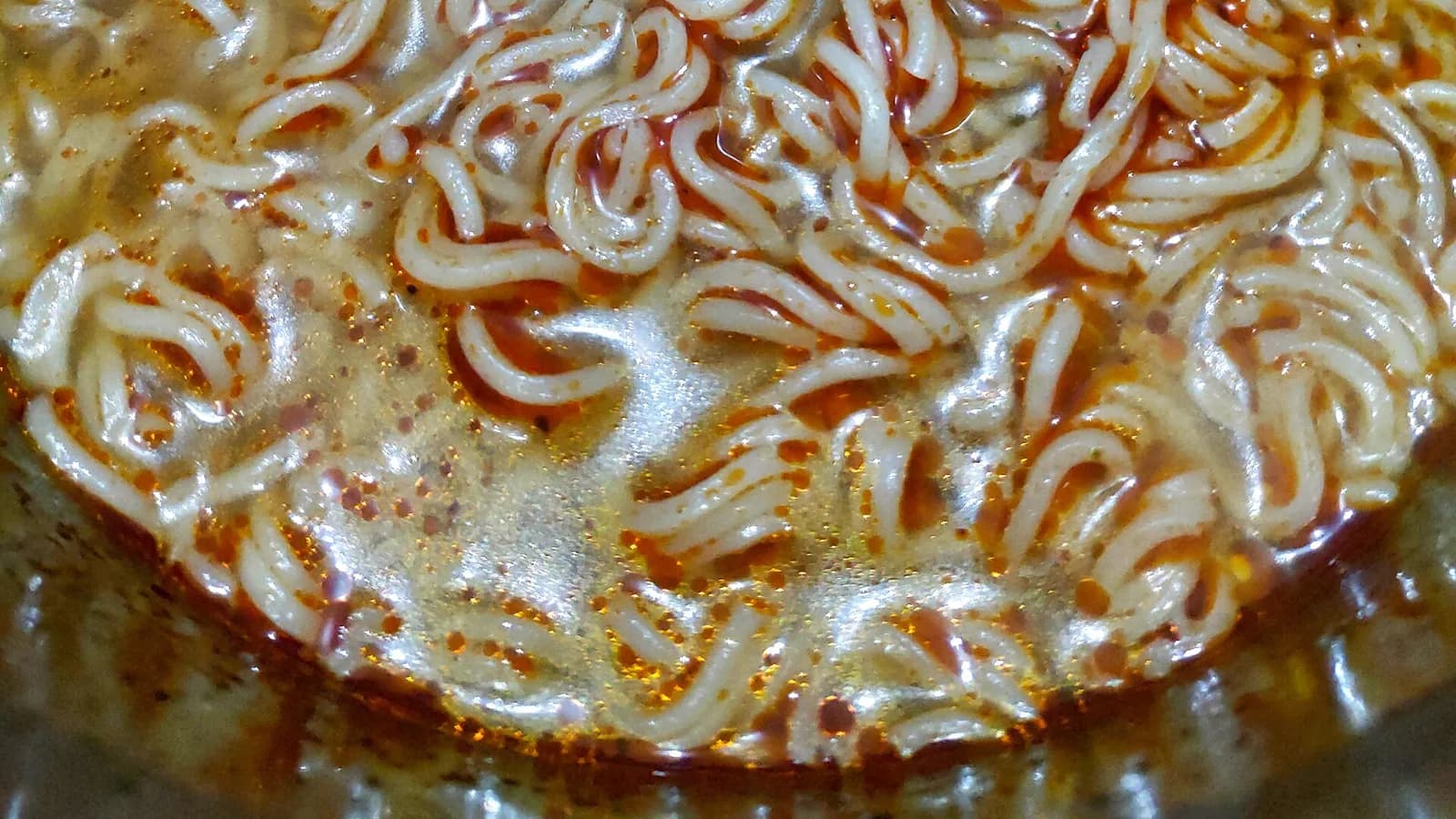
If you are nervous about chili before a trip to the Himalaya, here is the short answer: Nepali food is not as spicy as many travelers fear. The everyday meals most visitors eat are mild to moderately seasoned, and where heat does appear, it usually lives in a small pile of pickle on the side of the plate — something you control yourself, bite by bite. So when people ask "is Nepali food spicy," the honest reply is it can be, but it does not have to be.
That said, "spicy" means two different things in a Nepali kitchen: the burning heat of chili, and the gentle tingly buzz of timur (Sichuan pepper), which is not the same sensation at all. This guide explains what to actually expect on your plate, which dishes and regions run hotter, and the simple phrases that let you order food at exactly the spice level you want.
Key takeaways
- Core dishes are mild. Staple dal bhat is gently spiced with turmeric, cumin, garlic and ginger — savory, not fiery.
- The heat hides in the pickle. Most real chili kick comes from the achar (pickle) or chutney served on the side, so you decide how much to eat.
- "Spicy" has two meanings. Chili gives a burning heat; timur (Sichuan pepper) gives a citrusy, numbing tingle — a different feeling, not a stronger burn.
- Region matters. The Terai lowlands and eastern hills lean hot; the western and mid-hills are milder.
- You can dial it down. Saying "piro nabhaeko" (not spicy) or "kam piro" (less spicy) works at most tourist-area restaurants.
- Yogurt beats water. A small bowl of curd cools chili far better than gulping water.
The honest answer: mostly mild, with heat on the side
The meal you will eat most often in Nepal is dal bhat — steamed rice with a lentil soup, a vegetable curry (tarkari), and a pickle (achar). The lentil soup and rice are mild by design, seasoned for warmth and aroma rather than fire. Travel cooks and food writers consistently describe the standard plate as not a hot dish; the warmth comes from ginger, cumin and a little chili, not from an aggressive burn.
Where the real heat tends to live is the achar. That small mound of pickled vegetable, radish, or chili-and-mustard chutney can be genuinely fierce, and it is the part most likely to surprise a first-timer. The good news is that it sits on the side of the plate, so you stay in control — dab a little into a mouthful of rice, or leave it entirely. In traditional eateries you will often find a small bowl of yogurt (dahi) nearby, which is the local antidote to too much chili.
So the structure of a Nepali meal works in a cautious eater's favor: the bulk of the plate is mild, and the optional accent is where the heat concentrates.
What "spicy" really means here: chili vs timur
A lot of confusion about Nepali food comes from lumping two very different sensations under one word.
Chili heat (the burn)
This is the familiar burning you get from green and dried red chilies. It comes from a compound called capsaicin, which triggers your body's pain and heat receptors. This is the heat that builds, makes you sweat, and lingers — and it is the thing most travelers mean when they ask if food is "spicy."
Timur, or Sichuan pepper (the tingle)
One of Nepal's signature flavors is timur, also called Sichuan or Szechuan pepper. Despite the name it is not a chili and not even a true peppercorn. Grown mainly in the hills and mountains, it has a bright, citrusy aroma and produces a distinctive tingly, buzzing, slightly numbing feeling on the lips and tongue. That numbing buzz comes from a molecule called hydroxy-alpha-sanshool, which stimulates touch- and vibration-sensitive nerves — a completely different mechanism from chili's burn.
In other words, a dish flavored with timur can feel "intense" without being hot in the chili sense. Many travelers actually love it once they understand what they are tasting. You will meet it most often in pickles, momo dipping sauce, and some meat and lentil dishes.
| Sensation | Source | What you feel | | --- | --- | --- | | Chili heat | Green and dried red chilies (capsaicin) | Burning that builds and lingers | | Timur tingle | Sichuan pepper (hydroxy-alpha-sanshool) | Citrusy, buzzing, slightly numbing — not a burn |
The spices behind the flavor
Nepali cooking gets its character less from raw heat and more from an aromatic base of everyday spices. The most common ones in a Nepali kitchen include salt, ginger, garlic, cumin (jeera), turmeric (besar), coriander (dhaniya), fenugreek, asafoetida, timur, and green chilies.
- Turmeric (besar) gives the warm yellow color and earthy backbone of most curries; locally grown turmeric is prized for being especially aromatic.
- Cumin and coriander form the savory, slightly nutty foundation of many masala blends — these are flavor-builders, not heat-bringers.
- Ginger and garlic add warmth and depth.
- Green chili and timur are where pungency and tingle come in, often added with a lighter hand in the hills.
The takeaway: a lot of what reads as "spicy" on a Nepali plate is actually aromatic — fragrant and savory rather than burning. That is why even people who avoid hot food usually find Nepali cuisine approachable.
It depends where you are: regional heat map
Nepal is small but geographically dramatic, and the spice level shifts noticeably from the southern plains up into the hills.
The Terai (southern lowlands) — hottest
The flat Terai belt along the Indian border uses the most generous, fragrant spicing, with clear Indian culinary influence. Dishes here are often richer and spicier, and the region is known for bold pickles and chutneys made from raw mango, chili and mustard seed.
The eastern hills — also hot
Around Ilam and Jhapa in the east, locals genuinely like heat, and dalle khursani — a small, round, fiery chili — turns up in many dishes. If you order without asking for mild here, expect a real kick.
The mid- and western hills — milder
In the western and mid-hills, the cooking is more grain- and vegetable-heavy, and chilies are used in moderation, frequently alongside timur rather than piled on. This is the gentler end of the spectrum.
The high mountains — mildest of all
Up in the Himalayan trekking zones, the food leans Tibetan: warming, brothy and generally mild. Thukpa (noodle soup) and steamed momo dumplings are comforting rather than fiery, with chili offered separately as a dipping sauce. For most trekkers this is reassuring — the higher you go, the less likely your meal is to surprise you with heat.
| Region | Typical heat | Why | | --- | --- | --- | | Terai (south) | Higher | Indian influence, bold pickles | | Eastern hills (Ilam, Jhapa) | Higher | Fondness for dalle khursani chili | | Mid / western hills | Mild–moderate | Grain-forward, chili used sparingly | | High mountains | Mild | Tibetan-style brothy, warming food |
Dish by dish: what to expect
Here is a quick read on the dishes you are most likely to meet, and where they typically land on the heat scale.
- Dal bhat — Mild core. The dal and rice are gentle; heat is in the side pickle, which you control. See the full dal bhat guide.
- Momo — The dumplings themselves are mild and savory. The famous tomato-sesame achar dip is where the chili and timur come in, so ask for it on the side.
- Thukpa — A warming Tibetan-style noodle soup, usually mild, with chili offered separately.
- Thakali set — A refined hill-region thali; flavorful and aromatic, generally moderate and easy to have made milder. More in our Thakali food guide.
- Newari food — Kathmandu Valley specialties range from mild to quite spicy and pungent; some dishes are deliberately bold. Explore the Newari food guide before diving in.
- Vegetable curries and fried rice — Easily served mild on request; safe defaults for cautious eaters. See vegetarian food in Nepal.
If in doubt, start with mountain-style and Tibetan-influenced dishes and a clearly mild dal bhat, then work your way toward spicier pickles as your tolerance settles in.
How to order food at your spice level
The single most useful skill for a cautious eater in Nepal is knowing how to ask. Restaurants in tourist areas — Kathmandu, Pokhara, and along the main trekking trails — are very used to adjusting heat for visitors.
A few phrases that work:
- "Piro nabhaeko" — not spicy. Use this if you want it genuinely mild.
- "Kam piro" — less spicy. Use this if you can take a little heat but not a lot.
- "Achar alaggai" — ask for the pickle on the side, so you control the chili yourself.
For more food-ordering language, see our guide to ordering food in Nepali, and if you want to compliment the cook afterward, how to say "delicious" in Nepali is a nice touch. Trekkers heading off the tourist track will also find these in our roundup of Nepali phrases every trekker should know.
Practical tips to manage the heat
- Keep pickle on the side and dip lightly until you know how hot it is.
- Use rice as a buffer — mixing a fiery bite into plenty of plain rice softens it fast.
- Order yogurt (dahi) if a dish is too hot; dairy cools capsaicin far better than water, which tends to spread the burn.
- Build tolerance gradually over a few days rather than testing the spiciest pickle on day one.
- Watch the green chilies that sometimes come whole on the plate — those are an optional garnish, not a vegetable to bite into.
So, should spice-averse travelers worry?
Not really. The structure of Nepali eating is forgiving: mild staples, optional heat on the side, accommodating restaurants, and an easy phrase or two to keep things gentle. Plenty of visitors who normally avoid hot food eat extremely well here by sticking to mild dal bhat, brothy mountain dishes, and lightly dipped momo.
And if you do like a bit of fire, Nepal rewards you too — from the chili-forward kitchens of the Terai and the eastern hills to the unique citrus-buzz of timur. Either way, the answer to "is Nepali food spicy" is comfortably in your hands.
Sources
- Third Rock Adventures — Dal Bhat Power
- Spoonbun — Is Nepali Food Spicy?
- Alpha Adventure Treks — The Ultimate Guide to Spicy Nepali Food
- Nepal Restaurant UK — 12 Spices Commonly Used in Nepali Cuisine
- Mmilans — Traditional Nepali Local Spices
- Nepalese cuisine — Wikipedia
- Sichuan pepper — Wikipedia
- Smithsonian Magazine — Why Szechuan Peppers Make Your Lips Go Numb
Frequently asked questions
- Is Nepali food spicy?
- Most everyday Nepali food is mild to moderately spiced, not fiery. The staple dal bhat is gently seasoned with turmeric, cumin, garlic and ginger, and the real heat usually comes from the small pile of pickle (achar) served on the side, which you control yourself.
- Is dal bhat spicy?
- The core dal bhat plate is not very hot. The lentil soup and rice are mild, and the vegetable curry is moderately seasoned. Any serious heat tends to sit in the accompanying pickle or chutney, so you can simply eat less of that if you are sensitive.
- How do I ask for less spicy food in Nepal?
- Say 'piro nabhaeko' (not spicy) or 'kam piro' (less spicy) when you order. Most restaurants in tourist areas are used to these requests and will happily adjust the dish, especially in Kathmandu, Pokhara and along trekking routes.
- Is timur the same as chili heat?
- No. Timur (Sichuan or Szechuan pepper) is not a chili and does not burn through capsaicin. It creates a citrusy, tingly, slightly numbing buzz on the lips and tongue, while chili heat is a separate burning sensation. A dish can have one, the other, or both.
- Which part of Nepal has the spiciest food?
- The Terai lowlands in the south and the eastern hills around Ilam and Jhapa tend to use the most chili, partly due to Indian culinary influence and local peppers like dalle khursani. Food in the western and mid-hills is generally milder and more grain and vegetable focused.
- Is momo achar very spicy?
- It can be. The tomato-and-sesame dipping sauce served with momo often gets its kick from green and dried red chilies, plus timur and mustard seeds. Ask for the achar on the side so you can dip lightly or skip it if you prefer a milder bite.
- Can people who dislike spicy food still eat well in Nepal?
- Yes, easily. Plain dal bhat, Tibetan-style thukpa and momo, Newari and Thakali sets, fried rice, bread and many curries can all be served mild. Pair spicier bites with rice, yogurt or a sweet milk tea, and keep the hottest pickles to the side.
- Does yogurt or curd help with the heat?
- Yes. Plain yogurt, often served as dahi alongside a meal, helps cool chili burn far better than water, which can spread the heat. A small bowl of curd is a common and effective companion to a spicier Nepali plate.
Related posts
Dal Bhat — Nepal's National Meal Explained for Travelers
What dal bhat is, what's on the plate, why trekkers live on it, and how to order Nepal's national meal like a local. A practical traveler's guide.
Read postDhido — Nepal's Hill-Country Porridge, Explained
What dhido is, the millet and buckwheat it is made from, how to eat the dhido thali by hand, and why this gluten-free Nepali staple is back in style.
Read postGundruk and Dhido — Nepal's Fermented Greens and Porridge
What gundruk (fermented leafy greens) and dhido are, how they are made and eaten, their health benefits, and why this hill-country pair is a national dish.
Read post