Thukpa — Himalayan Noodle Soup Explained for Travelers
What thukpa is, where the Himalayan noodle soup comes from, the types like thenthuk to know, where to eat it in Nepal, and an easy recipe to make at home.
When the mountain air turns cold, a bowl of thukpa is the warmest thing in Nepal.
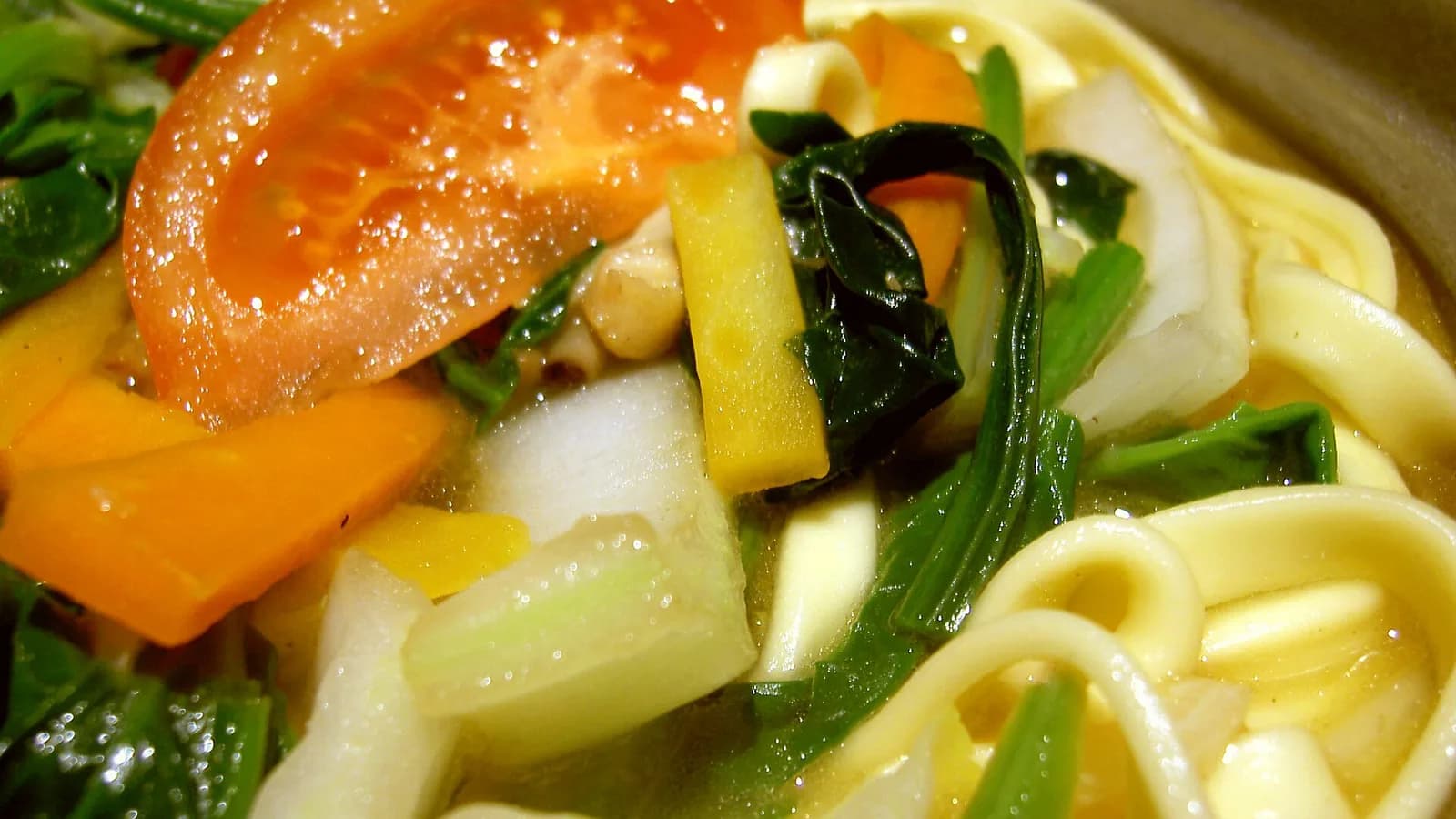
When the temperature drops in the Himalaya, almost everyone reaches for the same thing: a deep bowl of thukpa. This Himalayan noodle soup — springy noodles in a warming, spiced broth loaded with vegetables and often meat or egg — is comfort food at altitude, and one of the dishes travelers fall hardest for on a trip to Nepal. It is hearty without being heavy, easy to find, and endlessly adaptable to whatever a mountain kitchen has on hand.
This guide explains what thukpa actually is, where it came from, the varieties worth knowing (including hand-pulled thenthuk), where to eat it in Nepal, and a simple method for making a satisfying bowl at home.
Key takeaways
- Thukpa is a Himalayan noodle soup of Tibetan origin — noodles in a spiced broth with vegetables and often chicken, egg, buffalo, or tofu.
- The word is a general Tibetan term for almost any noodle soup, so the dish covers a whole family of recipes.
- It is eaten across Nepal, Tibet, Bhutan, and the Indian Himalaya, with the Nepali version tending to be a little spicier and often vegetarian.
- Thenthuk, made with hand-torn flat noodles, is a beloved cold-weather variation with a thicker, silkier broth.
- It is a trekking staple because it is warming, filling, and made from ingredients that travel well to high villages.
- It is simple to make at home with noodles, broth, vegetables, and a handful of spices.
What is thukpa?
At its heart, thukpa is noodles in soup. A pot of spiced broth is built from aromatics — onion, garlic, ginger — and seasonings, then filled out with vegetables, noodles, and usually some protein. The result is a single-bowl meal that is savory, slurpable, and deeply warming.
The name itself is broad. In Tibetan, thukpa is essentially a generic word for any soup or stew combined with noodles, which is why the dish takes so many forms. The noodles are traditionally made fresh from wheat flour for a chewy texture, though dried wheat noodles are common today. The broth can be clear and light or rich and robust, and the protein ranges from chicken and buffalo to egg or tofu — with plenty of purely vegetable versions, especially in Nepal.
What unites every bowl is the role it plays: hot, nourishing, restorative food for cold, high places.
Where thukpa comes from
Thukpa is generally traced to the eastern part of Tibet and spread through the Himalaya along the trade and migration routes that have linked these mountain communities for centuries. As it traveled, it put down roots in kitchens across a wide region and picked up local character along the way.
Today you will find thukpa eaten well beyond Tibet:
- Nepal, where versions are frequently vegetarian and a touch spicier, and where egg thukpa is especially popular.
- Bhutan, where some versions lean slightly sweeter.
- India, particularly in Sikkim, Darjeeling, Arunachal Pradesh, and Ladakh.
In Nepal, thukpa belongs to the broader Tibetan-influenced kitchen of the northern highlands, the same culinary world that gives us momos and tingmo. It is a natural companion to the country's other great noodle and dumpling dishes — if you have not yet, our momos guide covers Nepal's favorite dumpling, which shares much of thukpa's heritage.
The types of thukpa worth knowing
Because "thukpa" describes a whole family of soups, it helps to know the main variations you might meet:
| Type | What sets it apart | |------|--------------------| | Thukpa (classic) | Long, thin noodles in a spiced broth — the standard version | | Thenthuk | Flat noodles torn by hand into the pot, giving a thicker, silkier broth | | Gyathuk | A Chinese-influenced noodle style | | Bhakthuk | Small hand-rolled, pinched noodle pieces, a little like gnocchi | | Tsapthuk | Made with chopped noodles |
On top of the noodle shape, bowls are usually labeled by protein — chicken thukpa, egg thukpa, veg thukpa, and so on. Regional broths vary too: clearer and lighter in central Tibet, heartier and spicier in the eastern regions and in Nepal.
Thenthuk: the hand-pulled favorite
If you see thenthuk on a menu, it is worth ordering. The name combines the Tibetan words for "pull" and "noodle," and that is exactly how it is made: a piece of dough is flattened, held in the hands, and torn into bite-sized flat squares straight into the boiling broth. Those rough, torn edges release starch as they cook, which gently thickens the soup and gives it a silkier body than a clear-broth thukpa. It is a cold-weather classic and a popular dish at Losar, the Tibetan New Year.
Where to eat thukpa in Nepal
Thukpa is easy to find across Nepal, and a few settings stand out.
- Kathmandu's Tibetan restaurants — neighborhoods like Boudha (around the great stupa) and the Tibetan eateries of Thamel are reliable for an authentic, well-made bowl. Pair a meal with a visit using our Boudhanath Stupa visitor guide.
- Trekking teahouses — on the Everest, Annapurna, and Langtang routes, thukpa is a fixture of the menu and a perfect cold-evening meal. Our guide to teahouse food and accommodation toward Everest Base Camp covers what mountain kitchens serve.
- Pokhara and the hills — lakeside and hill-town cafes often serve hearty veg and chicken thukpa for trekkers refueling between adventures.
Prices and menus vary widely by location, and tend to climb the higher you trek, since ingredients are carried up by porter, mule, or jeep. For broader context on meal costs, see our Nepal travel budget guide.
Why trekkers love thukpa
Thukpa is close to a perfect trail meal, and not by accident. At altitude your body burns through energy fast and craves warmth, and a bowl of thukpa delivers both: carbohydrates from the noodles, protein from the meat or egg, vegetables for micronutrients, and hot, salty broth that helps with hydration and replaces what you sweat out on the climb.
There are practical reasons it dominates teahouse menus too:
- It warms you from the inside. Nothing beats hot soup at the end of a cold day in the mountains.
- The ingredients store well. Noodles, dried vegetables, and a few spices travel and keep far more easily than fragile fresh produce, so even remote villages can make it.
- It is cooked fresh and hot, which is reassuring at altitude where you want to avoid an upset stomach.
If you are planning trail meals, a warming noodle soup pairs naturally with the trekker's other staple — read why hikers swear by dal bhat for all-day energy.
How to make thukpa at home
Thukpa is forgiving and quick, which makes it a great weeknight soup once you have eaten it on the trail and want to recreate the memory. The recipe in this post's steps walks through the full method, but the shape of it is simple:
- Aromatics. Saute onion, garlic, and ginger as your flavor base.
- Vegetables and spices. Add sliced vegetables with cumin, coriander, turmeric, and chili to taste.
- Broth. Pour in vegetable or chicken stock with a splash of soy sauce and simmer.
- Noodles. Cook wheat noodles in or alongside the broth until just tender.
- Protein and greens. Stir in chicken, buffalo, egg, or tofu and quick greens like spinach.
- Finish. Adjust salt and chili, then serve steaming with coriander and spring onion.
For thenthuk, skip the packaged noodles: make a simple wheat dough, rest it, then tear flat pieces straight into the simmering broth in the final minutes. It is fun to do and gives that signature silky soup. If you would rather learn hands-on, several cooking classes in Kathmandu teach Himalayan soups and dumplings together.
A note on eating thukpa
Thukpa is informal, slurp-friendly food. Eat it with a spoon and chopsticks or a fork, lifting the noodles and chasing them with broth. Like most soupy dishes, it is hottest in the first few spoonfuls, so give it a moment before diving in. If you want to set the spice level, a couple of words go a long way — ask for piro (spicy) or kam piro (less spicy), and tell the cook mitho chha when it hits the spot. Our ordering food in Nepali guide has the rest of the phrasebook.
Whether you slurp it in a Boudha restaurant under fluttering prayer flags or in a teahouse with snow on the windows, thukpa is one of those dishes that tastes like the place it comes from — and that is exactly why it belongs near the top of your Nepal food list.
Thukpa vs. the other noodles you'll see
Nepali menus are full of noodle dishes, and it helps to know how thukpa fits among them so you order what you are in the mood for. The key difference is almost always soup or no soup:
- Thukpa is the brothy one — noodles served in plenty of spiced soup. Order it when you want something warming and hydrating, especially in cold weather or at altitude.
- Chow mein is stir-fried dry noodles with vegetables and sometimes meat, with no broth at all. It is the dish to pick when you want something drier and more savory.
- Thenthuk is thukpa's hand-pulled cousin, with flat torn noodles and a slightly thicker soup.
There is also the dumpling family to consider. If you cannot decide between soup and dumplings, jhol momo splits the difference — steamed momos served in a warm, spiced tomato-sesame broth — and is a natural next order once you have worked through your thukpa. The two dishes share the same Himalayan, Tibetan-influenced roots and often appear on the same menu, so a meal of momos followed by a bowl of thukpa is a classic, deeply satisfying combination on a cold Nepali evening.
Sources
Frequently asked questions
- What is thukpa?
- Thukpa is a Himalayan noodle soup of Tibetan origin, made with noodles in a spiced broth along with vegetables and often chicken, egg, buffalo, or tofu. The word is a general Tibetan term for almost any soup or stew served with noodles, and it is a staple across Nepal, Tibet, Bhutan, and the Indian Himalaya.
- Where did thukpa originate?
- Thukpa is generally traced to the eastern part of Tibet and spread through the Himalaya along trade and migration routes. Today it is eaten widely in Nepal, Bhutan, Sikkim, Darjeeling, Arunachal Pradesh, and Ladakh, with each region adding its own twist.
- What is the difference between thukpa and thenthuk?
- Thukpa is the broad name for noodle soups, usually made with long, thin noodles. Thenthuk is a specific version made with flat noodles torn by hand into the pot, which gives the broth a slightly thicker, silkier body. Thenthuk is especially popular in colder months and at Tibetan New Year.
- Is thukpa spicy?
- It can be, but the heat is adjustable. The Nepali version tends to be a little spicier than the milder Tibetan original, while the broth itself is usually savory rather than fiery. You can ask for it less spicy if you prefer a gentler bowl.
- Is thukpa vegetarian?
- It often is. Vegetable thukpa is widely available and is especially common in Nepal, where many versions are meat-free. Meat or egg can be added where offered, so both vegetarians and meat-eaters are well catered for.
- Why is thukpa popular on treks in Nepal?
- Thukpa is warming, filling, and calorie-dense, which makes it ideal at altitude where you burn a lot of energy and want a hot meal. It is also made from ingredients that store and travel well to high villages, so nearly every teahouse on the popular routes serves it.
- What noodles are used in thukpa?
- Traditionally the noodles are made fresh from wheat flour, giving a chewy texture, though dried wheat noodles are common today. Thenthuk uses hand-torn flat noodle pieces instead of long strands, while other regional styles use chopped or pinched noodle shapes.
- What is the difference between thukpa and chow mein?
- Thukpa is a soup, with noodles served in a generous spiced broth, while chow mein is stir-fried dry noodles with no soup. Both are popular in Nepal, but thukpa is the warming, brothy option you want in cold weather or at altitude.
Related posts
Dal Bhat — Nepal's National Meal Explained for Travelers
What dal bhat is, what's on the plate, why trekkers live on it, and how to order Nepal's national meal like a local. A practical traveler's guide.
Read postDhido — Nepal's Hill-Country Porridge, Explained
What dhido is, the millet and buckwheat it is made from, how to eat the dhido thali by hand, and why this gluten-free Nepali staple is back in style.
Read postGundruk and Dhido — Nepal's Fermented Greens and Porridge
What gundruk (fermented leafy greens) and dhido are, how they are made and eaten, their health benefits, and why this hill-country pair is a national dish.
Read post