Elephant Safari Nepal: The Ethical Truth in 2026
Thinking about an elephant safari in Nepal? Here is what changed, why riding is fading, and the better wildlife options in Chitwan and Bardia.
The best elephant encounter in Nepal is the one where the elephant decides how close you get.
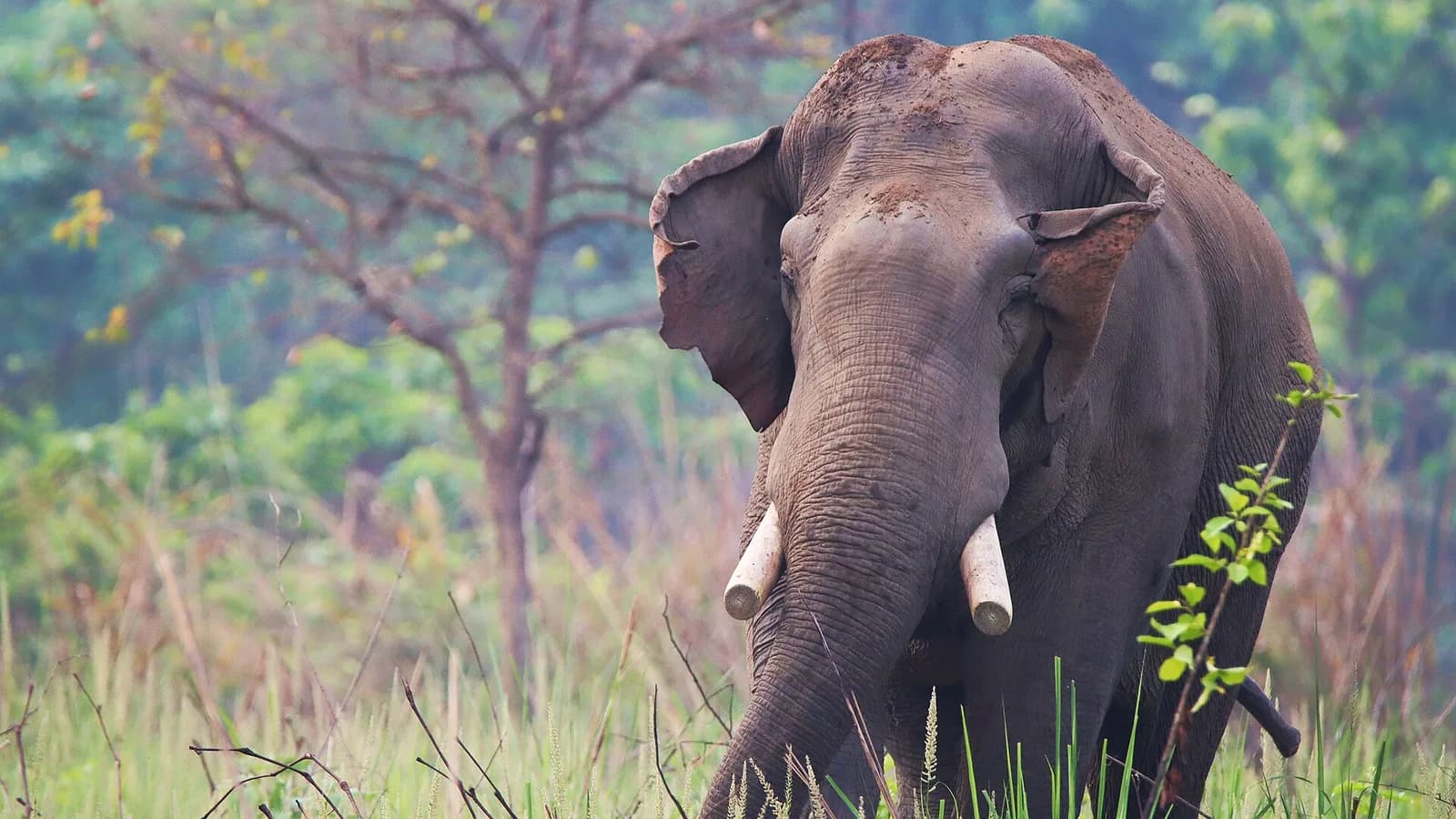
If you are researching an elephant safari in Nepal, you have probably noticed something confusing: some websites still advertise elephant-back rides through the jungle, while others tell you firmly not to do it. Both are describing the same country at the same time. The honest picture in 2026 is that elephant riding in Nepal is fading fast — pushed out by animal-welfare campaigns, changing traveller expectations, and lodges that have quietly stopped offering it. This guide explains what actually changed, why the experts say to skip the ride, and how to still get close to wildlife (sometimes even elephants) in a way you will feel good about later.
This is a companion to our broader Chitwan National Park safari guide and our deeper look at park fees and conservation. Here we focus narrowly on the elephant question.
Key takeaways
- There is no blanket legal ban, but elephant-back rides in Nepal have declined sharply and many operators have dropped them voluntarily.
- Welfare groups oppose rides over training methods that involve chaining, calf separation, and physical punishment.
- "Ethical" bathing is not a safe loophole. World Animal Protection says riding, bathing, and touching all signal a cruelly trained animal.
- Jeep, walking, and canoe safaris cover more ground and carry no welfare cost — they are the practical replacement.
- You can still see elephants, including wild ones from a vehicle and herds at observation-style camps.
- Both Chitwan and Bardia now lean on vehicle and foot safaris rather than rides.
What "elephant safari" used to mean in Nepal
For decades, the classic Terai jungle experience was a ride on the back of a domesticated elephant, swaying through tall grassland in search of one-horned rhinos. It was a signature image of Chitwan National Park, and for a long time it was simply what tourists came to do.
The appeal was real. A trained elephant can push through grass taller than a person and approach a rhino more closely than a jeep can, which made for dramatic sightings. But that same closeness depended on a captive animal trained and controlled to carry strangers for hours a day — and that is precisely the part that has come under scrutiny.
Why the practice is shrinking
Pressure has built from several directions at once. International welfare organisations ran sustained campaigns; a number of high-profile lodges withdrew rides from their programmes; and many travellers now actively search for "ethical" options before booking. The result is a steady move away from saddles and toward vehicle and foot safaris.
A notable example is the Tiger Tops group, which stopped offering elephant-back safaris and shifted its resident elephants to a chain-free camp model, where guests walk alongside the herd rather than ride. Tiger Tops describes establishing its Elephant Camp in 2015 in collaboration with Elephant Aid International, with the aim of giving the animals more autonomy and reducing reliance on the bull hook that riding often required.
The welfare case against riding
The core objection is not about a single bumpy ride — it is about what it takes to make an elephant rideable in the first place.
Welfare groups and responsible operators point to a training process that can involve separating calves from their mothers, restraining animals with chains, and using physical punishment to enforce commands. Beyond training, carrying a heavy saddle and multiple riders for hours places real physical strain on the animal. These are the reasons a growing list of travel companies worldwide have ended elephant-ride trips altogether.
Bathing and selfies are not a clean swap
Many venues now market "ethical" elephant encounters — bathing, feeding, walking, photos — as a kinder alternative to riding. It sounds reassuring, but the leading welfare guidance pushes back hard on this.
World Animal Protection's position is blunt: if a venue lets you get close enough to ride, bathe, or touch an elephant, it is usually because the animal has been trained through cruelty. Its 2026 elephant tourism report, which surveyed 236 venues holding 2,849 elephants, found that roughly two out of three elephants lived in poor conditions, over half were kept on short chains daily, and only about 7 percent were in higher-welfare, observation-only settings. In other words, trading a ride for a bath does not necessarily solve the underlying problem.
The takeaway most welfare experts converge on: look, do not touch. Choose venues built around watching elephants behave like elephants, at a respectful distance.
What to do instead: real safari options
The good news is that the alternatives are not consolation prizes. For seeing wildlife, they are often better than a ride ever was.
Jeep safari
The open-top jeep is now the most popular way to explore the Terai parks. It covers far more ground than an elephant in the same time, gives a wide field of view, and reaches areas a walking group cannot. It is the workhorse of a modern Chitwan safari and your best all-round bet for spotting one-horned rhinos and deer.
Guided jungle walk
A walking safari with a trained, licensed naturalist is the most immersive option. On foot you notice the small things — tracks, birdsong, alarm calls — and learn how the ecosystem fits together. It demands more care and a good guide, but the payoff in understanding is high.
Canoe trip
Drifting down the Rapti River in a dugout canoe is a calm, low-impact way to see riverbank wildlife, water birds, gharial and mugger crocodiles, and animals that come to drink. It pairs naturally with a walk or jeep ride.
Ox-cart and village experiences
For a cultural angle, ox-cart rides through the Tharu villages around the park trade wildlife for everyday Terai life and local history. It is gentle, slow, and a nice counterweight to the adrenaline of a game drive.
| Safari type | Wildlife coverage | Pace | Welfare concern | | --- | --- | --- | --- | | Jeep safari | High, wide area | Fast | None | | Jungle walk | Medium, intimate | Slow | None | | Canoe trip | Riverbank and birds | Gentle | None | | Ox-cart / village | Cultural, low | Slow | None | | Elephant-back ride | High, close | Slow | Significant |
Can you still see elephants in Nepal?
Yes — and this is where the nuance matters, because "no riding" does not mean "no elephants."
Wild elephants move through the Terai, and you may spot them from a jeep or on foot with a guide. Sightings are never guaranteed, but the lowland parks are among the better places in the country to try. Watching a wild elephant on its own terms is a genuinely different experience from sitting on a captive one.
Observation-style camps run by certain lodges let you watch resident elephants graze, bathe, and socialise, ideally at a distance and without riding. If you choose one of these, look for venues that emphasise watching over touching, and ask direct questions about chaining, training, and whether riding is offered at all. The more a place leans toward "look, do not touch," the closer it sits to current best practice.
The Sauraha elephant breeding centre
Near Sauraha sits a government-run elephant breeding centre, a long-standing and popular stop where visitors can see calves up close. It is educational and easy to reach, but it is not free of criticism — some welfare commentators object to the chaining of animals there. It is a personal judgement call. If you go, treat it as an opportunity to learn, keep your distance, and weigh it against observation-only alternatives.
Chitwan vs Bardia: where to go
Two parks dominate the elephant-and-wildlife conversation in Nepal, and they offer different experiences.
Chitwan
Chitwan is the accessible, well-developed choice. It is a UNESCO World Heritage Site, holds the largest rhino population in Nepal, and has the widest range of lodges and operators — Sauraha alone is packed with places to stay and book from. It is the easiest park to reach from Kathmandu or Pokhara; see our guide on getting from Kathmandu to Chitwan. If this is your first Nepali safari, Chitwan is the natural pick.
Bardia
Bardia National Park, far out in the west, is the wilder, quieter alternative. It sees fewer visitors, feels more remote, and is especially well regarded for the chance of seeing wild Bengal tigers. Reaching it takes more effort, but for travellers who want raw wilderness over convenience, it delivers. Reports indicate elephant riding is no longer offered there, with jeep and walking safaris taking its place.
Both parks are part of Nepal's wider network of protected areas — our overview of Nepal's national parks puts them in context.
| Factor | Chitwan | Bardia | | --- | --- | --- | | Access | Easy from Kathmandu/Pokhara | Remote, far west | | Crowds | Busier, more developed | Quiet, fewer tourists | | Rhinos | Largest population in Nepal | Present, smaller numbers | | Wild tigers | Possible | Strong reputation | | Lodging choice | Very wide (Sauraha) | More limited |
Practical notes and costs
A few things worth settling before you book.
- Park fees apply on top of safari prices. The foreign entry fee for Chitwan was NPR 2,000 per person per day as of June 2026 (lower for SAARC nationals and Nepali citizens), with an additional per-jeep fee for vehicles entering the park. Always check what your package already covers.
- Use licensed naturalists. Paying the official fee and hiring licensed guides channels money into the conservation system that keeps these parks alive — not into informal arrangements that bypass it.
- Best season runs roughly October to March for comfortable, dry conditions and good visibility; the hotter pre-monsoon months can improve big-cat odds but are punishing.
- Ask blunt questions. Before booking any elephant interaction, ask whether riding is offered, whether animals are chained, and whether the model is observation-only. Honest operators will answer plainly.
Choose a jeep, a canoe, or your own two feet, keep a respectful distance from any elephant, and you will come home with a wildlife story that holds up — ethically and otherwise.
Sources
- World Animal Protection — Elephant-friendly tourist guide
- World Animal Protection — Chitwan Elephant Festival: undermining Nepal's tourism goals
- World Animal Protection — Tourists choosing elephant bathing over riding are unaware of the cruelty
- Tiger Tops — Elephant Camp
- Tiger Tops — Elephant Welfare
- A Little Adrift — Ethical elephant tourism at Chitwan National Park
- Full Time Explorer — An ethical alternative to the elephant safari in Chitwan
- Barahi — 7 types of safaris in Chitwan National Park
- The Longest Way Home — Bardia National Park travel guide
- Nepal Tourism Board — Bardiya National Park
- Gateway Nepal — Chitwan National Park safari: best time and costs
Frequently asked questions
- Are elephant safaris banned in Nepal?
- There is no nationwide legal ban on elephant-back rides in Nepal, but the practice has shrunk sharply. Many responsible lodges and operators have dropped it voluntarily, and elephant riding is reported to no longer be offered inside Bardia National Park. Always confirm directly with your operator, since policies keep tightening.
- Why do animal-welfare groups oppose elephant rides?
- Welfare groups say captive elephants used for rides are typically trained through harsh methods involving chaining, separation of calves from mothers, and physical punishment. Carrying a heavy saddle and riders for hours also strains the animal. World Animal Protection advises tourists to avoid riding, bathing, and touching elephants entirely.
- Is elephant bathing a more ethical alternative to riding?
- Not according to World Animal Protection. Its guidance says that if a venue lets you get close enough to ride, bathe, or touch an elephant, the animal has usually been trained through cruelty. The group recommends observation-only venues where you look but do not touch, rather than swapping a ride for a bath.
- What can I do instead of an elephant safari in Chitwan?
- Chitwan offers jeep safaris, guided jungle walks with a licensed naturalist, and canoe trips on the Rapti River. These cover more ground, give better chances of seeing rhinos and birds, and carry no animal-welfare cost. Ox-cart rides through Tharu villages are another low-impact cultural option.
- Can I still see elephants in Nepal without riding one?
- Yes. You can watch wild elephants from a jeep or on foot with a guide, and some lodges run observation-style elephant experiences where you watch the herd graze and bathe at a distance. Wild elephant sightings are never guaranteed, but the Terai parks are among the best places in Nepal to try.
- What is the elephant breeding centre in Sauraha?
- It is a government-run facility near Sauraha in Chitwan that breeds elephants and lets visitors see calves up close. It is popular and educational, but some welfare commentators criticise the chaining of animals there. Decide based on your own comfort level, and weigh observation-only venues as an alternative.
- How much does a jeep safari in Chitwan cost?
- Costs vary by operator and season, but expect the park entry fee plus a shared or private jeep charge on top. The foreign park entry fee was NPR 2,000 per person per day as of June 2026, with an additional per-jeep fee for vehicles entering the park. Confirm exactly what your package includes before paying.
- Which is better for wildlife, Chitwan or Bardia?
- Chitwan is the more accessible and developed park, with the largest rhino population in Nepal and lots of lodges. Bardia, in the far west, is wilder, quieter, and rated highly for chances of seeing wild tigers. Both offer jeep and walking safaris without relying on elephant rides.
Related posts
Chitwan National Park Safari: Fees, Ethics & Why It Matters
A Chitwan National Park safari is Nepal's great conservation story — official 2026 park fees, the buffer-zone model, and how to visit responsibly.
Read postChitwan Jungle Resort: How to Choose Where to Stay
A Chitwan jungle resort guide for tourists — Sauraha vs Meghauli, resort types, what packages include, and how to book the right base for your safari.
Read postElephant Breeding Centre Chitwan: Visitor Guide
What the elephant breeding centre in Chitwan really is, how to visit Khorsor near Sauraha, opening hours, fees, and the welfare debate explained.
Read post