Bengal Tiger in Chitwan: Tiger Safari Nepal Guide 2026
Chitwan holds 128 of Nepal's 355 Bengal tigers. Honest odds, best season, and how to plan a tiger safari in Nepal — plus why Bardia rivals it.
Nepal went from 121 tigers to 355 in just over a decade. Seeing one is still the hardest, most thrilling sighting in the country's jungles.
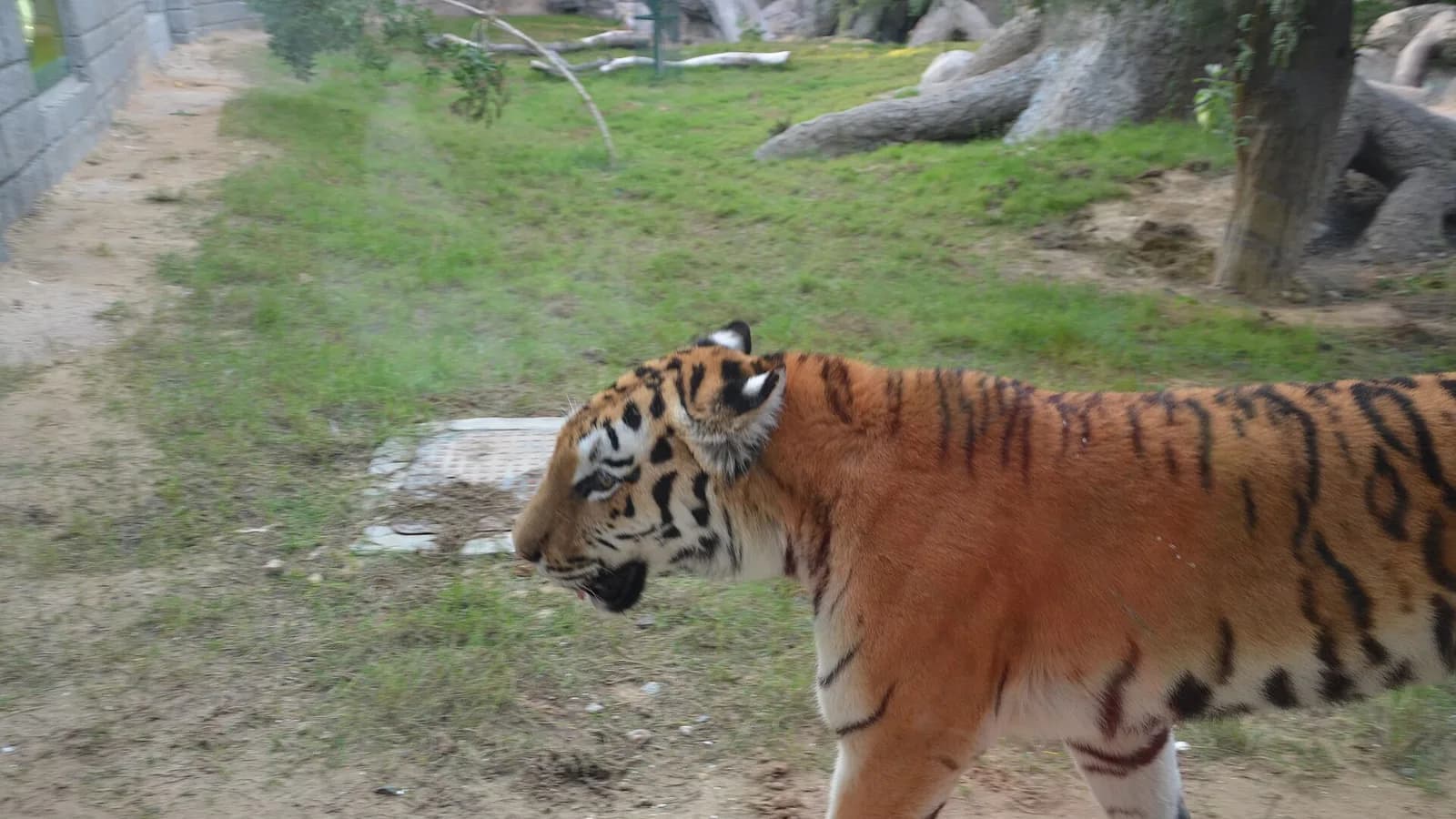
The Bengal tiger is the animal Chitwan cannot promise you — and that is exactly why a sighting is so electric. Nepal's southern jungles have just pulled off one of the most celebrated wildlife recoveries on Earth, nearly tripling their tiger population in little over a decade. Yet the cat itself stays hidden, padding through dense forest at dawn and melting away before most visitors ever raise a camera. This guide to a tiger safari in Nepal lays out the real numbers, the honest odds, the best season, and how Chitwan stacks up against its quieter western rival, Bardia, in 2026.
Key takeaways
- Chitwan held 128 tigers in Nepal's 2022 national census, the most recent completed count, narrowly the country's largest single-park population.
- Nepal had 355 tigers nationwide in 2022, up from roughly 121 in 2009 — close to a tripling, and the first country to meet the global tiger-doubling pledge.
- A fifth national census ran from December 2025 into 2026, with new figures expected around 29 July 2026; until then, 355 and 128 are the official numbers.
- Sightings are hard: realistic odds on a short visit are often quoted around 30 to 40 percent or lower, because tigers are elusive and the forest is thick.
- The dry season (March to May) is best for tigers, when water sources shrink and vegetation thins, though the heat is intense.
- Bardia National Park rivals Chitwan for tiger numbers and is the quieter, more remote choice for serious tiger-seekers.
A conservation success worth understanding
Before the safari logistics, it helps to grasp what makes Nepal's tigers special. At the 2010 tiger summit in St Petersburg, the 13 countries with wild tigers committed to a goal known as TX2: doubling their tiger populations by 2022, the next lunar Year of the Tiger. Most countries fell short. Nepal did not.
| Census year | Tigers in Nepal | | --- | --- | | 2009 | ~121 | | 2013 | 198 | | 2018 | 235 | | 2022 | 355 |
That climb from around 121 to 355 tigers is close to a tripling, and it made Nepal the first TX2 nation to hit the doubling target. The 2022 census distributed those tigers across five main protected areas:
- Chitwan National Park: 128
- Bardia National Park: 125
- Parsa National Park: 41
- Shuklaphanta National Park: 36
- Banke National Park: 25
A point of honesty for 2026: the 355 figure is from late 2021 / 2022 fieldwork. Nepal launched its fifth national tiger survey in December 2025, deploying more than 2,300 camera traps across roughly 8,400 square kilometres, with results expected to be announced around International Tiger Day on 29 July 2026. Some local operators already claim higher tiger numbers in Chitwan, but those are unofficial. Until the new census is published, treat 355 nationwide and 128 in Chitwan as the verified figures.
Why tigers are so hard to see
It is worth being upfront, because managed expectations make for a far happier trip. The rhino is Chitwan's near-certainty; the tiger is its lottery ticket. Several things conspire to keep the cat invisible:
- Tigers are solitary and territorial, living at low density across large home ranges.
- They are most active at dawn, dusk, and night, often resting in deep cover through the day.
- Chitwan's forest is dense and well-watered, so tigers rarely need to travel near roads, rivers, or people to find prey or drink.
- More visitors means more competition. Chitwan is popular and accessible, so many jeeps share the same trails, and any one vehicle's odds drop accordingly.
Put together, these factors mean a realistic sighting probability on a short visit is commonly put at around 30 to 40 percent across several drives, and frequently lower. Plenty of visitors leave without seeing a tiger, having had a wonderful time anyway. That is the right frame: go for the jungle, the rhinos, the birds, and the chance of a tiger, not the expectation of one.
Chitwan versus Bardia for tigers
If the tiger is genuinely your priority, this is the most important decision you will make.
| | Chitwan National Park | Bardia National Park | | --- | --- | --- | | Tigers (2022 census) | 128 | 125 | | Access | Easy: 5–6 hr bus from Kathmandu/Pokhara, or short flight to Bharatpur | Remote: far west, longer overland or a flight to Nepalgunj | | Crowds | Busier, more jeeps per sighting | Quiet, far fewer visitors | | Tiger reputation | Good, but competitive | Excellent; favoured by serious tiger-seekers | | Best for | First-timers, combining with the wider Nepal circuit | Dedicated wildlife travellers with time |
The two parks hold almost the same number of tigers, but Bardia spreads them across a quieter, less-visited landscape, which is why many wildlife enthusiasts rate it higher for per-visitor tiger odds. Chitwan wins decisively on access and on combining wildlife with the rest of a Nepal itinerary. For most travellers passing through on a general trip, Chitwan is the sensible choice; for a tiger-focused expedition, weigh Bardia seriously.
For everything on Chitwan's park logistics, lodges, and safari styles, see our Chitwan National Park safari guide, and our Kathmandu to Chitwan transport guide for getting there.
Best time of year for tigers
Season shifts the odds more for tigers than for almost any other animal in the park.
- March to May (best for tigers): the pre-monsoon dry season. Water sources shrink to a few reliable rivers and pools, concentrating tigers and their prey, while the grass and undergrowth thin out and improve sightlines. The catch is heat, often in the high 30s Celsius — bring serious sun protection and hydrate hard.
- October to February (best all-round comfort): cool, clear, and pleasant, with excellent general wildlife viewing and near-guaranteed rhinos. Tiger odds are lower than the dry peak but still possible.
- June to September (monsoon): tall grass, mud, leeches, and reduced visibility make this the hardest time to see a tiger, though the jungle is lush and dramatic.
For the wider seasonal picture across Nepal, our best time to visit Nepal guide puts the jungle season in context with trekking and the mountains.
How a tiger safari works
Your tools for finding a tiger are the same safaris that show you the rest of the park; you simply optimise them for the cat.
Jeep safari
The workhorse of tiger-seeking. An open 4x4 with a driver and a licensed naturalist covers far more ground than you could on foot, reaching the riverbanks and grassland edges where tigers move at the cool ends of the day. Early-morning drives in the dry season are your best statistical shot. A full-day jeep safari deep into the park, where allowed, maximises your time in tiger country.
Guided jungle walk
Walking with trained naturalists is the most atmospheric way to read the forest — you will likely find pug marks, scratch trees, and scat, and you learn to see the jungle as a tracker does. Actual tiger sightings on foot are rare and the experience is more about immersion and the smaller wildlife. It demands strict adherence to your guides' safety briefing.
Canoe and machan
A dawn canoe on the Rapti is primarily for rhinos, crocodiles, and birds, but tigers do come to water and lucky paddlers have seen them on the bank. Some areas have machans (watchtowers or hides) near water where patient watching at dawn and dusk occasionally pays off.
As with rhinos, this guide echoes the main Chitwan advice: do not book an elephant-back safari. Responsible operators have phased it out on welfare grounds, and the jeep-and-walk combination gives you better tiger coverage anyway.
Tigers and people: the conflict side
A doubling of tigers is a triumph for the species, but it has a harder edge for the families who live beside the parks. As tiger numbers and territories have grown, so have encounters with people and livestock, and human-tiger conflict has risen in some buffer-zone communities. Conservationists also note that Nepal's protected areas have a finite carrying capacity — often estimated at around 400 tigers — so managing a growing population, securing habitat corridors, and reducing conflict are now central challenges.
For you as a visitor, the practical takeaways are simple: the on-safari risk is low if you follow the rules, but respect that these are dangerous wild animals for those living alongside them. Choosing licensed operators and paying park fees channels money into the patrols, compensation schemes, and community programmes that keep both tigers and people safer.
Watching responsibly and staying safe
- Never leave the vehicle without your guide's explicit say-so, and stay seated and calm during a sighting.
- Keep noise down. Excited shouting at a tiger sighting can end it instantly and stresses the animal.
- Do not pressure your guide or driver to chase or get dangerously close; ethical operators keep a respectful distance.
- Wear earth tones and closed shoes for walks, and follow the safety briefing to the letter.
- Manage your expectations — celebrate pug marks and the chance, not just the sighting.
- Choose licensed naturalists and reputable lodges. Your park fees are part of the conservation funding model.
A few useful Nepali words
- Bagh — "tiger"
- Bagh dekhyo? — "Did you see a tiger?" (you will hear excited versions of this)
- Pug mark / paaila — "track / footprint"
- Bistarai — "slowly" (to your driver)
- Dhanyabaad — "thank you" (to guides and drivers)
Our Nepali phrases every trekker should know covers more day-to-day language that works just as well in the jungle as on the trail.
Final word
A tiger safari in Nepal is a bet on one of the world's most extraordinary conservation comebacks. Chitwan, with 128 of the country's 355 tigers, is the accessible heart of it; Bardia is the quieter western alternative that dedicated tiger-seekers often prefer. Go in the dry season if the cat is your priority, ride a jeep at dawn with a licensed naturalist, keep your expectations honest, and let the rhinos, gharials, and birdlife carry the trip. If a tiger does step out of the grass, you will understand instantly why people travel across the world for that single moment.
Sources
- The Kathmandu Post — Nepal's tiger population reaches 355
- IUCN — Nepal achieves a global commitment to double the tiger
- WWF — Nepal successfully doubles their wild tiger population
- Mongabay — Nepal was supposed to double its tiger population since 2010; it tripled it
- The Kathmandu Post — Nepal begins national tiger census (fifth survey, December 2025)
- phys.org — Nepal starts tiger census to track recovery
- The Everest Holiday — Chitwan vs Bardia: which Nepal safari is better (2026)
Frequently asked questions
- How many Bengal tigers are in Chitwan National Park?
- Nepal's 2022 national tiger census, the most recent completed count, recorded 128 tigers in Chitwan National Park and its surrounding forests. That was the largest single-park population in the country at the time, just ahead of Bardia with 125. A fifth national census ran from December 2025 into 2026, with updated figures expected to be released around International Tiger Day on 29 July 2026.
- What are the chances of seeing a tiger in Chitwan?
- Lower than most first-time visitors hope. Tigers are solitary, mostly active at dawn and dusk, and Chitwan's dense forest and abundant water mean they rarely need to come near people. Many guides and operators put realistic sighting odds on a short visit at roughly 30 to 40 percent over several drives, and often lower. Plan a tiger trip as a chance, not a guarantee, and enjoy the rhinos and birds regardless.
- Is Chitwan or Bardia better for tiger safaris?
- Both are excellent and close in tiger numbers, but they offer different experiences. Chitwan is far easier to reach and busier, with more jeeps competing for each sighting. Bardia National Park in the far west is remote and quiet, with a high tiger density and a reputation among serious wildlife travellers for better tiger odds per visitor, partly because it sees fewer tourists. If tigers are your main goal and you have time, many enthusiasts favour Bardia.
- When is the best time to see tigers in Nepal?
- The hot, dry months of March, April, and May are generally considered best for tiger sightings, because shrinking water sources draw tigers to predictable rivers and pools, and thinner vegetation improves visibility. The trade-off is intense heat, often in the high 30s Celsius. The cooler October-to-March window is more comfortable and still good for general wildlife, including the near-guaranteed rhinos.
- Are Bengal tigers dangerous to tourists on safari?
- On a properly run jeep or guided safari the risk is very low, because tigers generally avoid people and vehicles. The genuine danger sits with local communities living beside the parks, where human-tiger conflict has risen as tiger numbers have grown. As a visitor, follow your guide's instructions, never leave the vehicle without permission, and treat any sighting with calm respect rather than trying to get closer.
- Did Nepal really double its tiger population?
- Yes. Nepal pledged at the 2010 St Petersburg tiger summit to double its wild tiger population by 2022, the next Year of the Tiger. It went from around 121 tigers in 2009 to 355 in the 2022 census, nearly tripling the number and becoming the first of the 13 tiger-range countries to meet the doubling goal. It is one of the standout conservation achievements in Asia.
- What is the difference between a Bengal tiger and a Royal Bengal tiger?
- They are the same animal. Royal Bengal tiger is simply a common name used across Nepal and India for the Bengal tiger, the subspecies Panthera tigris tigris. The word royal carries no biological meaning; it is a traditional honorific. Whether a brochure says Bengal tiger or Royal Bengal tiger, it is referring to the same big cat that lives in Chitwan, Bardia, and the other Terai parks.
- Can you track tigers on foot in Chitwan?
- Guided jungle walks exist in Chitwan and can produce tiger signs such as pug marks, scratch marks, and scat, and occasionally a glimpse of a tiger, but walking is more about immersion than reliable tiger viewing. It must be done with trained naturalists who brief you carefully on safety. Most actual tiger sightings happen from jeeps covering more ground, especially near water in the dry season.
Related posts
One-Horned Rhino in Nepal: Where to See Them in Chitwan
See the greater one-horned rhino in Nepal. Chitwan holds 694 of the country's 752 rhinos — where, when, and how to spot them on safari in 2026.
Read postRhino Safari Chitwan: Where, When & How in 2026
A rhino safari Chitwan trip has the best one-horned rhino odds in Nepal. Park fees, jeep vs canoe, the monsoon closure, and best season for 2026.
Read postTiger Safari Nepal: Where to See Wild Tigers 2026
Planning a tiger safari in Nepal? Compare Bardia, Chitwan and the Terai parks, honest sighting odds, best season, fees and how to choose for 2026.
Read post