Chitwan National Park Safari: Fees, Ethics & Why It Matters
A Chitwan National Park safari is Nepal's great conservation story — official 2026 park fees, the buffer-zone model, and how to visit responsibly.
Nepal turned a royal hunting reserve into a rhino stronghold — your park ticket is part of how it stays that way.
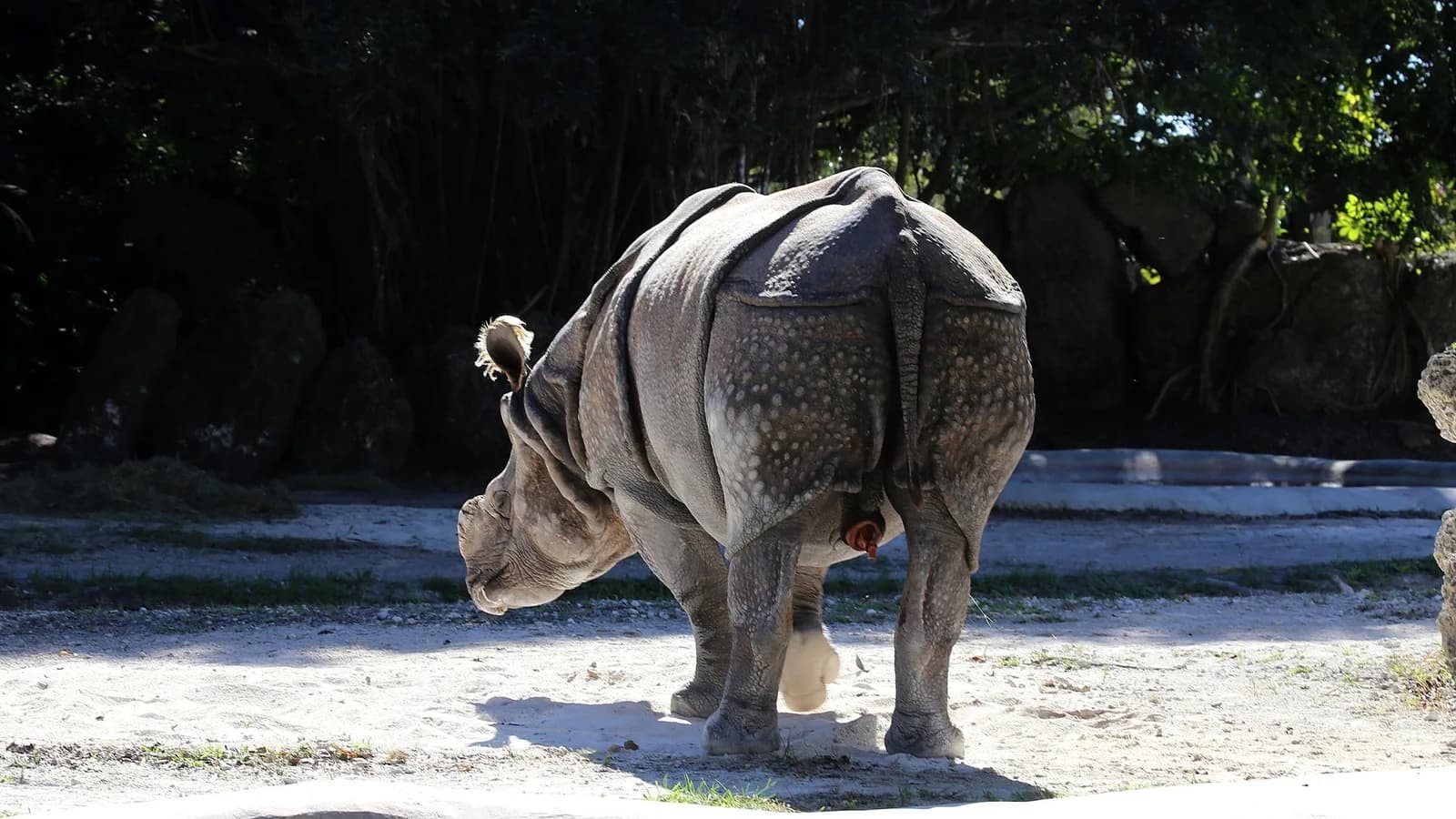
A Chitwan National Park safari is the moment Nepal stops being only about mountains. Down in the steamy lowland Terai, a former royal hunting reserve has become one of Asia's great conservation comebacks — a place where wild one-horned rhinos graze in plain view and the country's tiger numbers have surged. This post is a focused companion to our full Chitwan National Park safari guide: rather than repeat the itineraries and lodge lists, it digs into the part most visitors skip — what your park ticket pays for, why Chitwan matters, the official 2026 fees, and how to choose a safari that helps rather than harms.
Key takeaways
- Chitwan is Nepal's first national park (1973) and a UNESCO World Heritage Site (since 1984), covering about 953 square kilometres of Terai lowland.
- The foreign entry fee is NPR 2,000 per person per day (NPR 1,000 SAARC, NPR 150 Nepali), single-entry and valid only for that day (as of June 2026), plus VAT.
- About 694 of Nepal's 752 one-horned rhinos live in and around Chitwan, per the 2021 national count — the species' largest stronghold in the country.
- A buffer zone declared in 1996 returns 30 to 50 percent of park revenue to surrounding communities, which is central to why conservation works here.
- Skip elephant-back safaris. Welfare concerns have pushed responsible operators toward jeep, walking, and canoe trips instead.
- October to March is the comfortable sweet spot for wildlife viewing; April and May favour tigers but are punishingly hot.
From hunting reserve to rhino stronghold
It is easy to take Chitwan's wildlife for granted until you know how close it came to vanishing. The Terai's grasslands and sal forests were long managed as a hunting ground for Nepal's rulers and their guests. By the mid-20th century, malaria eradication opened the lowlands to settlement, forests were cleared for farmland, and rhino and tiger numbers collapsed under poaching and habitat loss.
Nepal's response was to gazette the area as its first national park in 1973. Recognition grew quickly: in 1984 UNESCO inscribed Chitwan on the World Heritage List for its exceptional lowland ecosystems and its habitat for endangered species, including the greater one-horned rhinoceros, the Bengal tiger, and the gharial crocodile. The core park spans roughly 953 square kilometres, a mosaic of tall elephant grass, riverine forest, and the floodplains of the Rapti and Narayani rivers.
What turned protection into recovery was a shift in philosophy — from fencing wildlife away from people to giving people a reason to want it there. That shift is the buffer zone, and it is the most important thing to understand about how a Chitwan safari actually funds conservation.
The buffer zone: why your ticket matters
In 1996 Nepal declared a buffer zone around the park — roughly 750 square kilometres of community forests, farmland, and villages ringing the protected core. The idea is simple but powerful: the strictly protected park is off-limits for resource collection, but residents can legally manage and harvest from community forests in the buffer, easing the pressure on the park itself.
Crucially, the government channels 30 to 50 percent of park revenue back into these buffer-zone communities for development and conservation work. That money helps fund anti-poaching patrols, compensation when wildlife damages crops or livestock, and local infrastructure. When a rhino is worth more alive — as a draw for the safari economy that pays for schools and embankments — than dead, the incentives finally line up with conservation.
This is why paying the official park fee and hiring licensed naturalists is not just bureaucratic box-ticking. It is the mechanism. Informal arrangements that skip the gate fee starve the very system that keeps the animals you came to see.
The results, in numbers
| Indicator | Figure | Note | | --- | --- | --- | | Park established | 1973 | Nepal's first national park | | UNESCO inscription | 1984 | World Heritage Site | | Core park area | ~953 km² | Terai lowland | | Buffer zone (1996) | ~750 km² | Revenue-sharing communities | | Rhinos in Chitwan | ~694 | Of 752 nationwide (2021 count) | | Revenue shared to buffer zone | 30–50% | Of park revenue |
Nepal's rhino recovery is one of the standout conservation stories in Asia. The 2021 national rhino count — the most recent completed census — put the country's greater one-horned rhino population at 752, with about 694 of them in and around Chitwan, up from 605 there in 2015. Growth has slowed and threats such as natural deaths and occasional poaching persist, but the trajectory is enviable by global standards. For the wider picture of where rhinos sit among Nepal's wildlife, see one-horned rhino in Nepal.
What a Chitwan park permit actually costs in 2026
The daily entry permit is separate from whatever you pay for jeeps, guides, lodging, and canoes. Here is the official fee structure for the core park (as of June 2026), with VAT typically added on top.
| Visitor category | Entry fee per person per day | | --- | --- | | Foreign nationals | NPR 2,000 | | SAARC nationals | NPR 1,000 | | Nepali citizens | NPR 150 |
A few practical points that trip people up:
- It is per day, not per visit. You cannot sleep inside the core zone, so each day you enter the park you need a fresh permit. A two-day safari means two foreign-rate permits.
- It is single-entry and non-transferable. Leave and re-enter, and you may be asked to buy again.
- It is usually bundled. Most Sauraha hotels and operators fold the park fee into their packages. Always ask whether the park entry fee is included in a quoted price, or whether you will pay it separately at the gate.
- Where to buy it directly: the park entrance gate, or the national parks ticket counter at the Nepal Tourism Board, Bhrikuti Mandap, Kathmandu.
Treat any price you see — here or elsewhere — as a figure to reconfirm at the gate or with a licensed operator, since government fees are periodically revised. For how the daily park fee fits into the total trip budget alongside transport, lodging, and guides, our full Chitwan safari guide breaks down package costs, and the Kathmandu to Chitwan transport guide covers getting there.
Choosing a safari that does no harm
Chitwan offers several ways into the park, and the ethical gap between them is real. The full guide details each option; here the focus is on making a responsible choice.
The elephant-ride question
For decades, elephant-back safaris were a Chitwan signature. They should no longer be on your list. Animal-welfare organisations have documented the cruelty behind the trade — calves separated from mothers, chaining, and physical punishment during training — and more than 160 travel companies have publicly committed to stop selling elephant rides and shows in favour of elephant-friendly alternatives.
Captive elephants are still used in some bathing and entertainment activities around Sauraha, and the long-running Chitwan Elephant Festival remains a flashpoint for welfare campaigners. The responsible position is straightforward: do not pay to ride an elephant, and be cautious about staged elephant "games" and bathing shows. If you want to be near these remarkable animals, visit the elephant breeding centre, an observational facility, not a riding operation.
The responsible alternatives
- Jeep safari — covers the most ground and gives the best odds for rhinos and, with luck, a tiger. Go with a licensed naturalist.
- Guided jungle walk — immersive and quiet, led by trained naturalists who brief you carefully on safety. More about reading the forest than guaranteed big sightings.
- Canoe on the Rapti — a calm dugout drift for gharials, water birds, and riverbank rhinos, especially fine at dawn or sunset.
Whatever you choose, the same principles apply: keep your distance, keep noise down, never leave a vehicle without your guide's say-so, and never pressure a driver to chase an animal. The thrill of a wild sighting is not worth stressing the animal or risking your safety.
When to go, and what you will realistically see
Season shapes both comfort and sightings. The headline is simple: October to March is the comfortable, reliable window, with dry weather, temperatures around 10 to 25 degrees Celsius, and wildlife concentrating at shrinking water sources where it is easier to spot. Winter also brings migratory birds, a bonus for the park's famous birdlife — Chitwan is a heavyweight birding destination, as covered in our Nepal birdwatching guide.
| Season | Conditions | Wildlife notes | | --- | --- | --- | | October–March | Dry, cool (10–25°C) | Best all-round; rhinos and deer easy, birds plentiful | | April–May | Hot, dusty, high 30s°C | Tiger odds improve as water shrinks; bring sun protection | | June–September | Monsoon, mud, leeches | Lush but harder viewing; tall grass hides animals |
On a realistic note: rhinos are close to a certainty in the right season — Chitwan's population is large and visible — while tigers remain a lottery even though numbers have climbed. For the honest odds, the conservation context, and the Chitwan-versus-Bardia question, see our dedicated Bengal tiger in Chitwan guide. If you want a quieter, more remote alternative for serious wildlife travel, Bardia National Park is the western counterpart.
The human side: the Tharu and the Terai
A Chitwan safari is incomplete without the people who have lived alongside this jungle for generations. The Tharu are the indigenous community of the Terai, historically resistant to the malaria that kept others out of the lowlands. Most Sauraha hotels host Tharu cultural performances — simplified for visitors, but a genuine window into the region — and many offer respectful village visits.
The Tharu story is also the buffer-zone story in human form: communities that once competed with wildlife for land now share in the revenue and the responsibility of protecting it. Choosing operators and lodges that engage the local community fairly keeps that balance healthy. For a broader sense of Nepal's protected landscapes and how Chitwan fits among them, see our overview of Nepal's national parks.
Visiting responsibly: a short checklist
- Pay the official park fee and confirm whether it is bundled in your package or paid at the gate.
- Hire licensed naturalists — they are safer, more knowledgeable, and part of the conservation funding model.
- Refuse elephant rides and staged elephant entertainment; visit the breeding centre instead.
- Go in October–March for comfort and sightings, or accept the heat in April–May for better tiger odds.
- Keep your distance and keep quiet around all wildlife; follow every safety briefing.
- Support Tharu-engaged lodges and treat village visits with respect.
Chitwan rewards travellers who understand what they are looking at. The rhino in the grass is not a guaranteed photo op — it is the visible result of a decades-long bet that wildlife is worth more protected than exploited. Book the safari, pay the fee, choose the ethical option, and you become a small part of that bet paying off. For everything else — itineraries, lodges, packing, and getting there — lean on the full Chitwan National Park safari guide.
Sources
- Chitwan National Park (official) — Regulation and fees
- Nepal Tourism Board — Park entry fees
- UNESCO World Heritage Centre — Chitwan National Park (List entry 284)
- The National Trust for Nature Conservation — 752 one-horned rhinos in Nepal (National Rhino Count 2021)
- Kathmandu Post — Nepal has 752 one-horned rhinos, new census reveals
- World Wildlife Fund — Nepal's rhino population increases by 16%
- World Animal Protection — Chitwan Elephant Festival and ethical concerns
- Kasara Resort — Chitwan National Park fees and permits
Frequently asked questions
- How much is the Chitwan National Park entry fee for foreigners in 2026?
- The park entry fee is NPR 2,000 per foreign visitor per day, with SAARC nationals paying NPR 1,000 and Nepali citizens NPR 150 (as of June 2026), plus VAT. The permit is single-entry, non-transferable, and valid only for the day you buy it, since you cannot stay overnight inside the core zone.
- Where do I buy a Chitwan park permit?
- You can buy the entry permit at the park entrance gate in Sauraha or at the national parks ticket counter at the Nepal Tourism Board in Bhrikuti Mandap, Kathmandu. In practice most travellers let their hotel or safari operator arrange the daily permit as part of a package, so confirm whether the park fee is already included before you pay.
- Is Chitwan National Park a UNESCO World Heritage Site?
- Yes. Chitwan was established in 1973 as Nepal's first national park and was inscribed as a UNESCO World Heritage Site in 1984 for its outstanding lowland ecosystems and its habitat for endangered species such as the greater one-horned rhino and the Bengal tiger. The core park covers roughly 953 square kilometres of the Terai.
- How many rhinos live in Chitwan?
- Nepal's most recent completed national rhino count, conducted in 2021, recorded 752 greater one-horned rhinos countrywide, of which about 694 live in and around Chitwan National Park. That makes Chitwan the single largest stronghold for the species in Nepal and one of the best places on Earth to see a wild one-horned rhino.
- Should I do an elephant-back safari in Chitwan?
- No. Animal-welfare groups and a growing list of responsible operators have moved away from elephant rides over concerns about cruel training, chaining, and the physical strain of carrying riders. Visit the elephant breeding centre to see the animals instead, and choose jeep, walking, and canoe safaris, which give you better wildlife coverage without the ethical cost.
- What is the buffer zone around Chitwan?
- In 1996 Nepal declared a buffer zone of community forests, farmland, and villages around the park, roughly 750 square kilometres. The government channels between 30 and 50 percent of park revenue back into these communities for development and conservation, which gives local people a direct stake in protecting wildlife rather than competing with it.
- When is the best time for a Chitwan safari?
- October to March offers the most comfortable conditions, with dry weather, temperatures around 10 to 25 degrees Celsius, and animals gathering at shrinking water sources, which makes rhinos and deer easier to spot. The hotter pre-monsoon months of April and May improve tiger odds slightly but bring intense heat, while the monsoon from June to September means mud, leeches, and thicker cover.
- Does my park fee actually help conservation?
- Largely yes. Park revenue, anti-poaching patrols, and the buffer-zone revenue-sharing model are core to how Nepal funds its protected areas, and they underpin the rhino and tiger recoveries the country is now known for. Choosing licensed naturalists and paying the official park fee directs money into patrols and community programmes rather than informal operators.
Related posts
Elephant Safari Nepal: The Ethical Truth in 2026
Thinking about an elephant safari in Nepal? Here is what changed, why riding is fading, and the better wildlife options in Chitwan and Bardia.
Read postJungle Safari Chitwan: Jeep, Canoe & Walk Guide 2026
A practical jungle safari Chitwan guide — jeep vs canoe vs walking safaris, realistic wildlife odds, costs, and a sample 2-day plan for 2026.
Read postRhino Safari in Nepal: Chitwan Jeep, Canoe & Walk Guide
A rhino safari in Nepal means Chitwan. How jeep, canoe, and walking safaris work, what they cost, the best season, and realistic sighting odds in 2026.
Read post