Backpacker Nepal: A First-Trip Guide for 2026
A backpacker Nepal guide for first-timers — when to go, where to base, getting around, route ideas, money, safety and the trekking-guide rule.
Nepal is the rare place where a shoestring budget and a world-class adventure share the same trail.
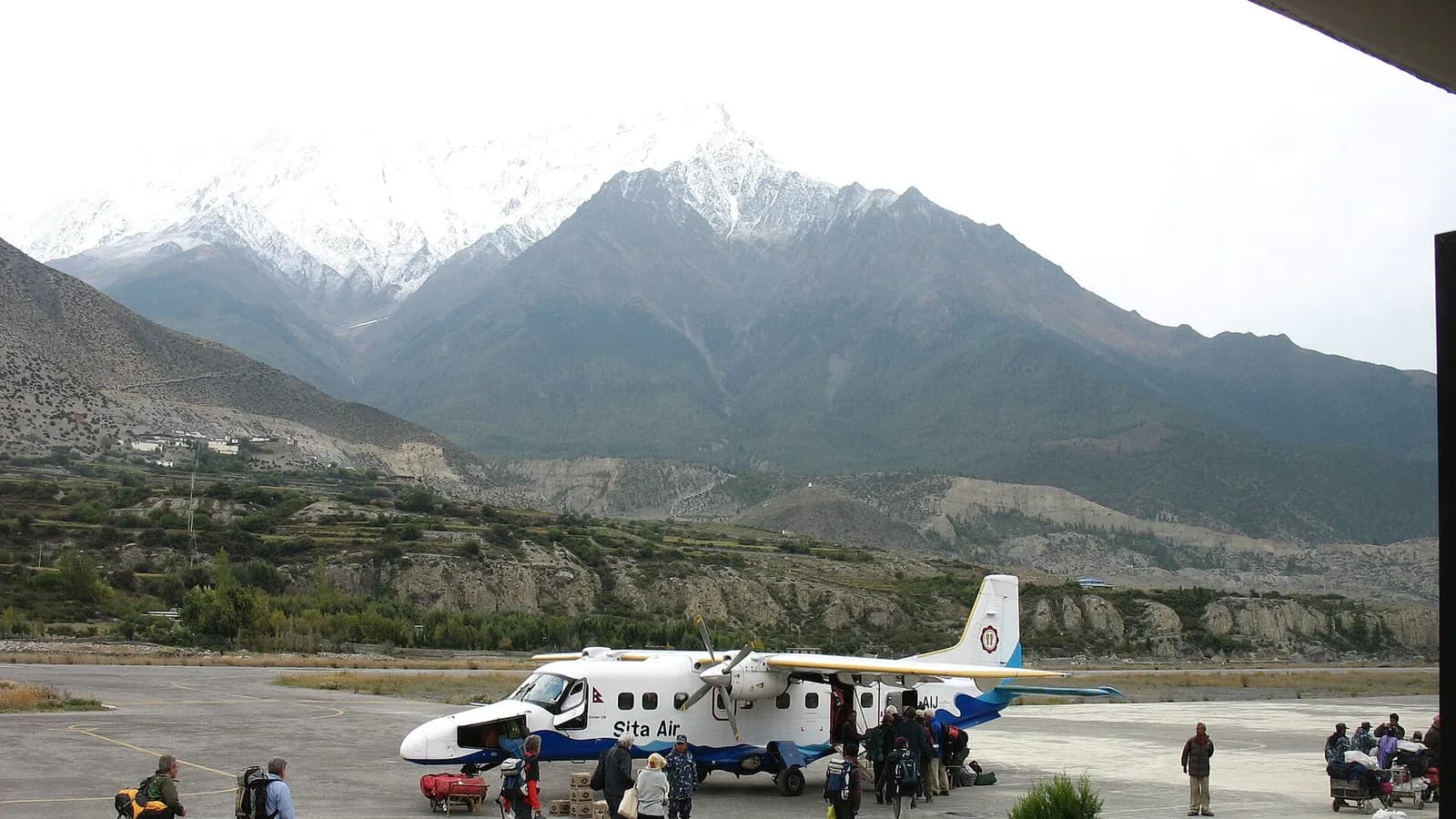
Backpacker Nepal is one of those phrases that makes seasoned travellers smile. Few countries pack so much into so little money: eight-thousand-metre peaks, medieval temple squares, jungle wildlife and a backpacker scene that has been welcoming shoestring travellers for decades. You can sip tea in a Kathmandu courtyard in the morning, watch sunrise over the Annapurnas a couple of days later, and still spend less than a long weekend would cost in much of Europe or North America.
This guide is a first-trip orientation rather than a line-by-line budget. If you want the numbers, our Nepal budget backpacking and backpacking Nepal cost posts dig into daily spend and money-saving habits. Here the focus is the bigger picture: when to go, where to base yourself, how to move around, what a sensible first route looks like, and the practicalities — visas, the guide rule, safety and etiquette — that trip up newcomers. Any prices below are stamped with currency and date and come from the sources listed at the end; the rupee moves and fees change, so treat them as planning figures.
Key takeaways
- Nepal has a mature backpacker scene: cheap hostels, well-marked trails, English in tourist hubs and a warm welcome.
- Autumn and spring are the prime seasons for clear views; autumn is busiest, spring is quieter.
- For most mountain national-park treks, foreign trekkers now need a licensed guide (rule in force since April 2023).
- A two-to-three-week first trip comfortably covers Kathmandu, Pokhara and one trek without rushing.
- Most nationalities get a visa on arrival; 2026 fees start at US$30 for 15 days (cash).
- Nepal is broadly safe for solo and female travellers, with petty theft and scams the main everyday risks.
Why Nepal suits backpackers
Nepal rewards independent, low-budget travel in a way few places do. The infrastructure that backpackers care about is genuinely there: hostels with dorm beds and social common rooms cluster in Thamel in Kathmandu and around Pokhara's Lakeside, trekking trails are well trodden and signposted, and English is widely spoken wherever tourists go. Many hostels run free walking tours, group hikes and evening events, so solo arrivals rarely stay solo for long.
Tourism here has recovered strongly. Official-aligned figures report that over 1.14 million international visitors came to Nepal in 2024, with momentum continuing into 2025, restoring confidence in Himalayan travel to roughly pre-pandemic levels. That means a busier, better-served trail network — more teahouses, guides and rescue operations — but also more competition for rooms and permits in peak weeks, which is worth planning around.
The other draw is variety. In one compact country you can combine high-altitude trekking, the temple-dense Kathmandu Valley, a relaxed lake town, and subtropical jungle in the southern lowlands. For a backpacker chasing range rather than a single highlight, that density is hard to beat.
When to go
Timing shapes everything from mountain views to crowd levels, so it is the first decision to get right. Our best season to trek in Nepal post goes deeper, but here is the short version.
| Season | Months (approx.) | What to expect | | --- | --- | --- | | Autumn | Sep–Nov | Clear skies, stable weather, peak views — and peak crowds and bookings | | Spring | Mar–May | Warm days, rhododendron blooms, quieter trails, sometimes hazier views | | Monsoon | Jun–Aug | Rain, leeches and clouds in most regions; rain-shadow areas like Mustang still work | | Winter | Dec–Feb | Cold and snowy at altitude; lower hikes and the valleys are pleasant |
Autumn is the classic answer: after the monsoon clears, days are crisp and visibility is superb, with daytime temperatures often around 20–25°C at moderate elevations. It is also the busiest stretch, so book permits, flights and popular lodges ahead. Spring is the other strong window, with warm weather, fewer people and hillsides ablaze with rhododendron, at the cost of occasional afternoon haze. Monsoon and winter are not write-offs — rain-shadow regions and lower-altitude routes can be excellent — but they need more planning.
Where to base yourself
Most first backpacking trips orbit three hubs, and it helps to know what each is for.
Kathmandu
The capital is the entry point for nearly everyone, and the Thamel district is its backpacker heart — a dense warren of guesthouses, gear shops, cafes and trekking agencies. Use it as a base to explore the Kathmandu Valley's UNESCO-listed durbar squares, the Boudhanath and Swayambhunath stupas, and Pashupatinath. It is also where you will sort permits, a SIM card and any guide before heading to the hills.
Pokhara
A six-to-eight-hour drive west, Pokhara is Nepal's mellow counterpoint to the capital: a lakeside town beneath the Annapurnas where backpackers decompress before or after a trek. Lakeside is packed with budget rooms, lake views and easy day hikes, and it is the gateway to the Annapurna region's trails.
The lowlands
For something completely different, the southern Terai offers jungle and wildlife. Chitwan National Park, reachable from Kathmandu or Pokhara, is the usual stop for safaris and a chance to spot rhinos and, with luck, a tiger. It is a natural add-on that breaks up the mountain-and-city rhythm.
Getting around
Transport is where backpackers make or break their budget and their patience. The options trade money against time and comfort.
| Mode | Speed | Relative cost | Notes | | --- | --- | --- | --- | | Local bus | Slow | Cheapest | Crowded and bumpy; the true shoestring option | | Tourist bus | Moderate | Low–mid | Comfier seats on routes like Kathmandu–Pokhara | | Domestic flight | Fast | Highest | Saves days; weather delays are common | | Ride-hailing app | n/a (in-city) | Low | Apps like Pathao and inDrive are handy in cities |
Local buses are by far the cheapest way to move between towns, but they are slow, crowded and not for the time-pressed. Tourist buses cost a little more and add comfort and safety on the busy Kathmandu-to-Pokhara corridor. Domestic flights turn long drives into short hops — useful for distant trailheads — but they are the priciest choice and prone to weather delays. Within cities, ride-hailing apps and shared microbuses keep costs down.
A sensible first route
You do not need to overreach on a first trip. A loop of Kathmandu, Pokhara and one trek is the tried-and-tested template, and it scales to the time you have. Our two-week Nepal itinerary maps one version in detail.
- Around one week: Kathmandu Valley sightseeing, a tourist bus to Pokhara, and a short hike such as a couple of days toward Australian Camp or the lower Annapurna foothills.
- Two to three weeks: Add a proper teahouse trek — the Poon Hill or Mardi Himal routes are beginner-friendly — or commit to a longer classic like the Annapurna Circuit. Slot in Chitwan if jungle appeals.
- A month or more: Go remoter and slower — Manaslu, Langtang or off-the-beaten-path valleys — and let the cheaper, unhurried pace do its work.
Teahouse trekking is what makes Nepal so backpacker-friendly: you walk between simple lodges that provide a bed and meals, so you carry little and pay as you go. It keeps trekking accessible without camping gear.
Money, safety and the rules
A few practicalities separate a smooth trip from a stressful one.
Visa basics
Most nationalities can get a tourist visa on arrival at Kathmandu's airport and major land borders. As of 2026 the published fees are US$30 for 15 days, US$50 for 30 days and US$125 for 90 days, paid in cash (US dollars are simplest). SAARC nationals receive a free 30-day visa once per calendar year. Always confirm your own eligibility first — our visa on arrival post has the detail.
Cash and budgeting
Nepal runs largely on cash, especially outside the cities and on trails where ATMs vanish. Recent guides put a comfortable city backpacker budget in the rough range of US$20–40 per day (as of early 2026) for a hostel bed, local food and public transport, with treks budgeted separately. Carrying small notes and learning a few Nepali numbers makes markets and taxis easier.
Safety
Nepal is widely regarded as safe and welcoming, including for solo and female travellers, with violent crime against tourists rare; recent solo-female surveys reported overwhelmingly positive safety ratings. The real risks are everyday ones: petty theft and scams in crowded spots like Thamel and Lakeside, road safety on mountain highways, and altitude on treks. Our is Nepal safe for tourists guide covers this in full. The one thing not to skimp on is travel insurance, ideally with helicopter-evacuation cover for trekking.
The trekking-guide rule
This is the big practical change to know. Since 1 April 2023, foreign trekkers on routes inside Nepal's mountain national parks must use a licensed guide arranged through a government-registered agency, which also issues the TIMS card. Day hikes around cities and some lower trails are not affected, so it is route-specific — see do I need a guide to trek in Nepal for where it applies and how to arrange one.
A little Nepali goes a long way
You can travel comfortably in English, but a handful of words transforms how locals respond to you. Start with the basics in our namaste meaning explainer and basic Nepali phrases, then learn the handful of trail words in our Nepali phrases every trekker should know post. For free structured lessons and a categorised phrasebook, the site's Learn Nepali hub and the phrases section are good next stops. A greeting offered first, a thank-you given warmly, and a few numbers for the market go further than any guidebook trick.
Sources
- The Longest Way Home — Nepal Visa Information, Fees & Forms: A 2026 Guide
- Government of Nepal, Department of Immigration — Tourist Visa
- Third Eye Adventure — Latest Trekking Rule in Nepal for 2023 and 2024
- Follow Alice — 2023 update: trek guides are now compulsory in Nepal
- Best Heritage Tour — Spring vs Autumn Season for Trekking 2025/26
- Explore in Nepal — Best Time for Trekking in Nepal: Autumn, Spring 2025
- Explore All About Nepal — Nepal Tourism Statistics 2026
- Eco Trek Nepal — Is Nepal Safe for Solo Travelers in 2025?
- U.S. Department of State — Nepal Travel Advisory
Frequently asked questions
- Is Nepal good for backpackers?
- Yes. Nepal has one of Asia's most established backpacker scenes, with cheap hostels in Thamel and Pokhara Lakeside, well-marked trekking trails, English widely spoken in tourist hubs, and a famously warm welcome. It pairs low costs with genuinely world-class mountain scenery, which is a rare combination.
- How much does it cost to backpack Nepal?
- Recent traveller guides put a comfortable city backpacker budget in the rough range of US$20 to 40 per day (as of early 2026), covering a hostel bed, local food and public transport. Multi-day treks are a separate cost because of permits, lodges and any guide, so budget them on their own.
- Do I need a guide to trek in Nepal?
- For most mountain national-park treks the answer is now yes. Since April 2023 foreign trekkers on those routes must use a licensed guide arranged through a registered agency, and a TIMS card is issued through that agency. Day hikes around cities and some lower trails are not affected, so check your specific route.
- When is the best time to backpack Nepal?
- Autumn (roughly September to November) and spring (roughly March to May) are the prime seasons for clear mountain views and stable weather. Autumn is the busiest and most reliable; spring is quieter and brings rhododendron blooms but can be hazier. Monsoon and winter are possible for some regions with planning.
- Is Nepal safe for solo backpackers?
- Nepal is generally considered a safe and welcoming destination for solo travellers, including solo women, with violent crime against tourists rare. The everyday risks are petty theft and scams in crowded areas like Thamel and Lakeside, plus altitude and road safety. Use normal precautions and do not skip travel insurance.
- How long should a first backpacking trip to Nepal be?
- Two to three weeks is a comfortable first trip that lets you see the Kathmandu Valley, reach Pokhara, and fit in one trek without rushing. With only a week you can still enjoy Kathmandu, Pokhara and a short hike. Longer stays open up remote regions and a slower, cheaper pace.
- Do I need a visa to backpack Nepal?
- Most nationalities can get a tourist visa on arrival at Kathmandu airport and major land borders. As of 2026 the published fees are US$30 for 15 days, US$50 for 30 days and US$125 for 90 days, payable in cash. SAARC nationals get a free 30-day visa once per year, so always confirm your own status before travelling.
- Which places should a first-time backpacker prioritise in Nepal?
- A classic first loop is the Kathmandu Valley for culture and temples, Pokhara for lakeside relaxation and mountain views, and one teahouse trek such as Poon Hill or part of the Annapurna region. Chitwan in the lowlands adds wildlife. This covers culture, mountains and jungle without overreaching.
Related posts
Nepal 90 Day Visa: Cost, Rules, and How to Get It
A clear guide to the Nepal 90 day visa — the USD 125 fee, multiple-entry rules, the 150-day annual cap, and how to get it on arrival in 2026.
Read postNepal Holiday Packages: How to Choose One in 2026
A practical guide to Nepal holiday packages — what they include, typical itineraries, costs, permits, the best seasons and how to compare operators.
Read postAnnapurna Trek Package: How to Choose One in 2026
A practical guide to picking an Annapurna trek package in 2026 — durations, what is included and excluded, permits, the guide rule, and how to compare quotes.
Read post