Thamel Kathmandu: A Neighbourhood Guide (2026)
Kathmandu's tourist hub explained — what Thamel is, where to shop and eat, the nightlife, the Garden of Dreams, and how to avoid the touts.
Equal parts trekking outfitter, souvenir bazaar, live-music bar and travel agency, crammed into a maze of lanes you will get pleasantly lost in.
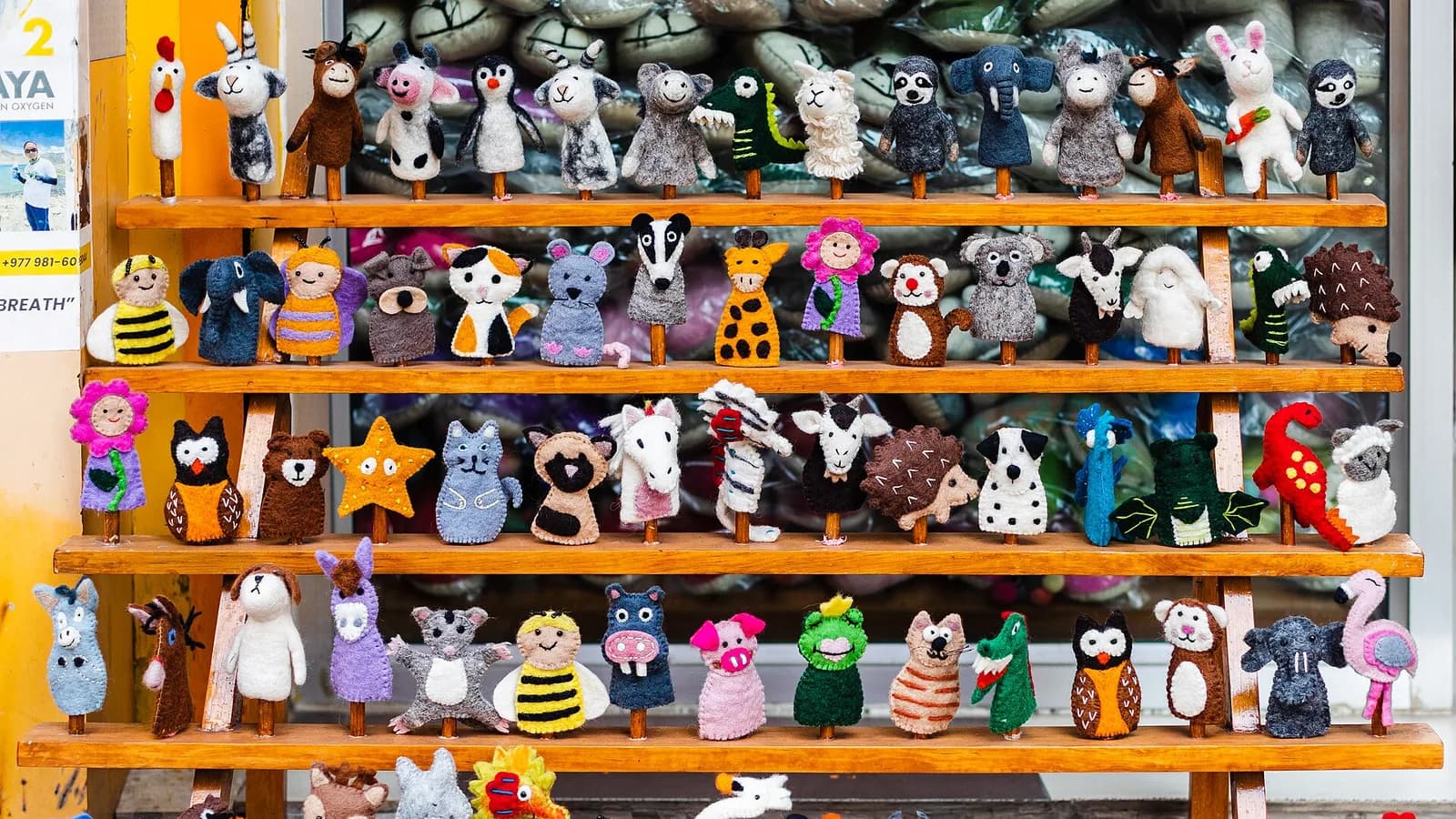
Thamel is the beating heart of tourist Kathmandu — a dense warren of narrow lanes crammed with trekking-gear shops, souvenir stalls, travel agencies, restaurants, cafes and bars. For more than four decades it has been the place where backpackers, trekkers and tour groups land, gear up, eat, drink and plan their next move. If you are visiting Nepal, you will almost certainly pass through Thamel, and most likely sleep there. This guide explains what the neighbourhood is, how to navigate it, where to find the good bits, and how to sidestep the hassles.
Thamel can be overwhelming on first contact: prayer-flag bunting overhead, a wall of shopfronts, touts offering treks and taxis and "something special," and motorbikes nosing through crowds in lanes barely wide enough for two people. Give it a day and the chaos resolves into a surprisingly walkable, useful and even charming district.
Key takeaways
- Thamel is Kathmandu's main tourist hub: gear, souvenirs, food, bars and the highest density of trekking agencies in Nepal.
- It is not a true car-free zone — a few lanes are pedestrian-priority but enforcement is loose, so stay alert.
- The Garden of Dreams (foreigner entry NPR 200, as of 2025) is a walled garden oasis on the edge of the district.
- It is about a 20 to 30 minute walk to Kathmandu Durbar Square and 15 to 30 minutes by road from the airport.
- Plenty of money changers and ATMs; compare rates and count your cash.
- Generally safe at night; the real risks are touts, overcharging and street drug offers, not violence.
What Thamel is — and a little history
Thamel grew into a travellers' enclave in the 1970s, in the slipstream of the famous "hippie trail" era when Kathmandu's nearby Freak Street (Jhochhen, near Durbar Square) drew overland travellers. As tourism matured and trekking boomed, the centre of gravity shifted north to Thamel, which had more room to grow. Today it is a fully fledged tourist economy: thousands of hotels and guesthouses, hundreds of restaurants, and a shop selling down jackets, singing bowls or "North Fake" duffel bags on practically every corner.
It is worth holding two ideas at once. Thamel is unashamedly commercial and aimed squarely at visitors — and it is also genuinely fun, convenient and a fine place to spend your first and last nights in Nepal.
Getting your bearings
Thamel is a maze, and that is part of the charm, but a few landmarks help. The district sits in central Kathmandu, just north of the old royal city. Some reference points:
- Chaksibari Marg — one of the core lanes that was designated vehicle-restricted, running past well-known cafes and the historic Kathmandu Guest House toward JP Road.
- JP Road (Jyatha) — a busier through-road on the southern edge, lined with shops and eateries.
- Mandala Street / Saat Ghumti — pedestrian-friendly inner lanes good for browsing.
- Garden of Dreams / Kaiser Mahal — the green anchor on the eastern edge, by Tridevi Marg.
You will not navigate by map so much as by landmark and instinct. Embrace getting lost; the district is small enough that you are never far from a recognisable corner. For moving around the wider city, see our guide to getting around Kathmandu.
The "car-free" question
In recent years parts of Thamel were declared vehicle-restricted to ease the crush in the narrow lanes, with daytime limits on cars and motorbikes through the core streets. The honest reality in 2026: enforcement is inconsistent. A traffic marshal may stop a car at one end while motorbikes thread past at the other. Treat the inner lanes as pedestrian-priority — quieter and more walkable than they used to be, but not guaranteed traffic-free. Keep one ear open for the beep of a bike behind you.
Shopping in Thamel
Shopping is one of Thamel's main draws, and the range is enormous:
- Trekking and outdoor gear — down jackets, sleeping bags, trekking poles, duffel bags and boots, in everything from genuine brands to convincing copies. Prices are negotiable; quality varies, so inspect zips and seams.
- Handicrafts and souvenirs — pashmina and cashmere shawls, singing bowls, thangka paintings, Khukuri knives, prayer flags, jewellery, felt and woollen goods.
- Music, books and tea — second-hand bookshops, Nepali tea, and instruments.
Bargaining is expected almost everywhere except fixed-price stores. Stay friendly, start below the asking price, and be ready to walk — there is always another shop selling the same thing. A little Nepali numbers and bargaining vocabulary genuinely helps. For ideas on what is worth carrying home, see what to buy in Nepal.
Eating and drinking
Thamel feeds the world. You will find Nepali and Newari food alongside Indian, Tibetan, Italian, Korean, Israeli, Thai and Western breakfasts — much of it aimed at travellers, some of it excellent. Rooftop restaurants, bakeries and coffee shops are everywhere, and it is an easy place to find both a cheap plate of dal bhat and a flat white.
For where to eat well in and around the district, see our roundups of the best restaurants in Kathmandu and the deeper dive into Newari food in Kathmandu. If you would rather learn to make it yourself, a cooking class in Kathmandu is a popular Thamel-based activity.
Nightlife
Thamel is also Kathmandu's nightlife centre. Live-music bars are the signature experience — house bands cover classic rock and Nepali favourites to packed, sweaty rooms — alongside reggae bars, pubs and a handful of clubs. Long-running names crop up again and again in travellers' lists. Most bars and cafes run until around midnight, with some nightspots open later on weekends, in line with city rules on closing times. It is lively but rarely rowdy, and a good place to swap trail stories with other trekkers.
The Garden of Dreams
If Thamel's intensity wears you down, the Garden of Dreams is the antidote. Tucked inside Kaiser Mahal on the district's eastern edge, this restored 1920s neo-classical garden is a walled enclosure of manicured lawns, pergolas, fountains and pavilions — the noise of the street vanishing the moment you step through the gate. It is a favourite spot to read, sip a coffee at the in-garden cafe, or simply decompress.
Entry for foreign visitors is NPR 200 (as of 2025), and the garden is open daily from roughly 9am to 9pm. For an hour of calm in the middle of the chaos, it is one of the best small pleasures in Kathmandu.
Money, agencies and staying hassle-free
Thamel is where most visitors handle the practical side of a Nepal trip.
- Money: licensed money changers cluster throughout Thamel and generally beat airport rates. Compare a couple, and count your notes at the counter. ATMs are plentiful. For specifics, see our money-exchange guide and ATM withdrawal guide.
- Trekking agencies: Thamel has the densest cluster of trekking and tour operators in the country. That is convenient but quality ranges widely. Compare several, read recent reviews, confirm precisely what is included, and resist pressure to book immediately.
- Touts and scams: expect steady offers of treks, taxis, hashish and "see my shop." A firm, polite "no, thank you" works. The most common issues are overcharging and unofficial guides rather than anything dangerous — our tourist scams guide covers the patterns. Solo travellers may also want our notes on solo female travel safety in Nepal.
Where to stay
Thamel offers the widest spread of accommodation in Kathmandu, from backpacker dorms to comfortable mid-range hotels and a few smart boutique options. The upside is unbeatable convenience; the downside is noise from traffic and bars. Light sleepers should request a room set back from the street, or look at the calmer fringes near the Garden of Dreams. For a fuller breakdown of neighbourhoods, see where to stay in Kathmandu.
Using Thamel as a base
The smartest way to think about Thamel is as basecamp. Sleep, eat, gear up and organise here, then radiate out to the sights — the old city is a short walk south. From the district you can reach:
- Kathmandu Durbar Square, a 20 to 30 minute walk through the bazaars.
- Swayambhunath, the Monkey Temple, on a hill to the west.
- Boudhanath stupa and Pashupatinath temple to the northeast.
- Pokhara and the trailheads beyond, often via the tourist bus from Kathmandu to Pokhara.
Thamel is not Nepal, but it is the doorway most travellers walk through to reach it. Spend a little time learning its lanes, change some money, drink a coffee in a quiet garden, buy a duffel bag you will regret, and let it be exactly what it is: a useful, lively, slightly mad little world that exists to send you off into the mountains and welcome you back.
Sources
Frequently asked questions
- What is Thamel known for?
- Thamel is Kathmandu's main tourist district. It is packed with trekking gear shops, souvenir and handicraft stores, budget to mid-range hotels, restaurants, cafes, bars with live music, and hundreds of trekking and travel agencies. For most visitors it is the base from which they organise treks and explore the city.
- Is Thamel actually a car-free pedestrian zone?
- Partly, and loosely enforced. A couple of core lanes such as Chaksibari Marg were designated vehicle-restricted, with rules limiting cars and motorbikes during the day. In practice enforcement is patchy and bikes still weave through, so treat it as a pedestrian-priority area rather than a true car-free zone and stay alert.
- Is Thamel safe at night?
- Generally yes. Thamel is busy and well-trafficked late into the evening and violent crime against tourists is rare. The main annoyances are persistent touts, drug offers on the street, and overcharging. Watch your belongings in crowds, agree prices before taxi rides, and you will be fine.
- How far is Thamel from the airport and Durbar Square?
- Tribhuvan International Airport is roughly a 15 to 30 minute drive depending on traffic. Kathmandu Durbar Square is about a 20 to 30 minute walk south through the old-city bazaars, or a short taxi or bike ride.
- What is the Garden of Dreams and is it worth it?
- The Garden of Dreams is a restored neo-classical garden inside Kaiser Mahal on the edge of Thamel — a walled oasis of lawns, pavilions and fountains that is a complete escape from the street noise. Entry for foreigners is NPR 200 (as of 2025) and it is open daily, roughly 9am to 9pm. It is well worth an hour.
- Where should I change money or withdraw cash in Thamel?
- Thamel is full of licensed money changers, which usually offer better rates than the airport, and there are many ATMs. Compare a couple of changer rates, count your notes before leaving the counter, and use ATMs attached to banks where possible. See our money-exchange and ATM guides for current details.
- Is Thamel a good place to book a trek?
- Yes, it is the densest concentration of trekking agencies in Nepal, which is convenient but also means quality varies enormously. Compare several agencies, check reviews, confirm exactly what is included, and never feel pressured to book on the spot. Walk-in prices are often negotiable.
- Where should I stay — in Thamel or outside it?
- Thamel is the most convenient base for first-time visitors, with the widest choice of hotels and instant access to gear, food and agencies. The trade-off is noise. Light sleepers should ask for a room away from the street or bars, or consider quieter pockets such as the lanes around the Garden of Dreams or neighbouring areas.
Related posts
Thamel Shopping: A Tourist's Buyer's Guide (2026)
A practical Thamel shopping guide — what to buy, how to bargain, spotting fake pashmina, export rules, and avoiding the classic Thamel rip-offs.
Read postAsan Bazaar Kathmandu: Old Town Market Guide
A visitor guide to Asan bazaar, Kathmandu's oldest market — its six-road square, Annapurna Temple, what to buy, when to go, and how to get there.
Read postBest Area to Stay in Kathmandu: Match Area to Trip
The best area to stay in Kathmandu depends on your trip length, budget and goals. A decision-led guide for tourists and trekkers.
Read post