Backpacking Nepal Cost: What a Trip Adds Up To
Backpacking Nepal cost by trip length and route — daily spend, a budget circuit, two-week and one-month totals, plus visa and trek extras for 2026.
Add up a backpacking trip in Nepal and the surprise is how little the country itself costs — the flight in is usually the expensive part.
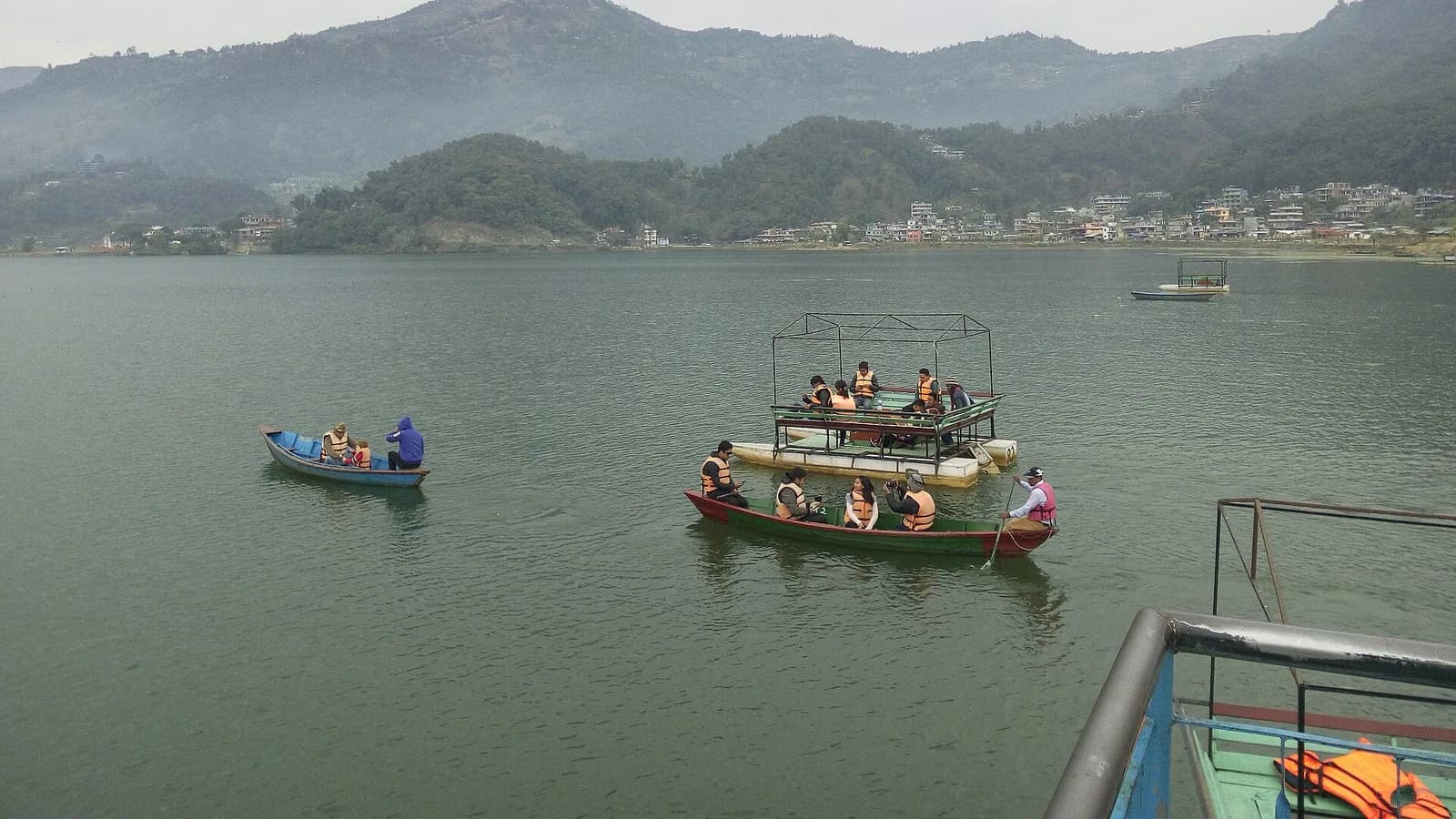
Backpacking Nepal cost is one of those numbers that sounds intimidating until you break it apart. The same two weeks can leave one traveller a few hundred dollars lighter and another several thousand — not because Nepal is unpredictable, but because a trip here is really several different budgets stacked together. This guide takes the backpacker's view and answers the question people actually ask: not "what does a day cost?" but "what does the whole trip add up to?"
If you want a clean day-by-day rate across travel styles, that lives in our companion Nepal travel budget guide, and the habits and hacks that keep a shoestring trip cheap are in Nepal budget backpacking. This article is the trip-total version: a typical backpacker route priced out, plus worked two-week and one-month figures. Every price below is stamped with currency and date and the sources are linked at the end. The rupee drifts against the dollar and tourist-area prices creep up, so treat these as planning numbers and confirm on the ground.
Key takeaways
- A backpacking trip is several budgets in one — the international flight, the visa, daily ground spending, and trekking — so price each separately.
- Day-to-day in the cities runs roughly US$20–30, with the very frugal nearer US$15 (as of early 2026).
- Two weeks on the ground lands around US$400–700 for a careful backpacker; a month is roughly US$600–900 before the visa and any trek.
- The international flight is usually the single biggest line, and has nothing to do with how cheap Nepal is once you arrive.
- A budget trek like Poon Hill adds only a couple of hundred dollars; bigger treks and any guide are a separate, larger budget.
- Carry cash. Most daily spending, and almost everything on a trek, is cash-only.
The four budgets behind any Nepal trip
Most confusion about what Nepal costs comes from blending very different expenses into one number. Pull them apart and the picture clears up immediately.
| Budget | Roughly how big | How much it varies | | --- | --- | --- | | International flight | Often the largest single line | Huge — depends on origin, season, booking lead time | | Tourist visa | Small, fixed | None — set fee by duration | | Daily ground spending | Steady baseline | Moderate — depends on travel style | | Trekking | Can rival the flight | Large — depends on route, support, length |
The two that catch backpackers out are the flight, which is priced by where you live rather than by Nepal, and trekking, which behaves like a separate trip bolted on top. Get these four right one at a time and the total looks after itself. For the whole-trip view across styles, our Nepal trip cost guide walks the same four budgets in more depth.
What a backpacker day actually costs
Once you have landed and paid for the visa, daily life is cheap by global standards. Across recent backpacker guides, a comfortable daily budget of roughly US$20–30 in the cities comes up repeatedly, covering a dorm bed, local food and public transport. The genuinely frugal — rigid dorms, local eateries only, public buses — report getting close to US$15 a day, though it is a tight way to travel.
| Item | Typical price (early 2026) | | --- | --- | | Dorm bed (Thamel / Lakeside) | US$2–6 | | Dal bhat (local eatery) | US$2–4 (often free refills) | | Momos / thukpa | US$1–3 | | Western mains (tourist cafe) | US$6–12 | | City bus / shared ride | Under US$1 | | Bottle of water | Under US$1 |
Your daily number swings on three levers more than anything else: how often you eat Western food, whether you take buses or flights between cities, and how many paid activities you do. Lean local on all three and the daily figure stays low without much effort.
A typical backpacker circuit, priced out
To make the total concrete, here is roughly what a classic first-timer loop costs — Kathmandu Valley, an overland hop to Pokhara, a short budget trek, and a jungle add-on. These are planning ranges as of early 2026, not quotes, and they exclude the international flight and visa.
| Leg | What it covers | Rough cost | | --- | --- | --- | | Kathmandu (3–4 days) | Dorm, dal bhat, temples, local transport | US$20–30/day | | Kathmandu to Pokhara | Tourist bus one way | US$10–16 | | Pokhara (3–4 days) | Dorm, lakeside food, Phewa Lake, day walks | US$20–30/day | | Poon Hill trek (4–5 days) | Permit, teahouse beds and meals, local transport | from ~US$200 | | Chitwan (2–3 days) | Budget lodge, jeep safari add-on | US$30–50/day |
The overland hop to Pokhara
The Kathmandu–Pokhara leg is the backpacker's classic decision point. A tourist bus runs roughly US$10–16 and takes most of a day along the Prithvi Highway; a domestic flight saves those hours but costs far more — typically US$80–200 one way. Choosing the bus is one of the single biggest savings on any Nepal trip, and the river-valley scenery is part of the experience. Our Kathmandu to Pokhara tourist bus guide covers the practicalities, and things to do in Pokhara shows why the lakeside town earns its few relaxed days.
A budget trek that won't blow the total
Not every trek is an expedition. The Ghorepani Poon Hill loop is the budget backpacker's friend: a short, scenic walk through the Annapurna foothills with comfortable teahouses, no flight required, and a famous sunrise over the peaks. Recent cost guides put a 4–5 day Poon Hill trek in the region of US$200–280 per person, covering the conservation permit, teahouse beds, meals and ground transport from Pokhara, with independent trekkers near the lower end. That is a fraction of what the big-name treks cost, which is exactly why it belongs on a tight budget. See our Ghorepani Poon Hill trek guide for the route in detail.
Where the money really goes
Three categories quietly decide your total. Knowing them lets you spend where it matters and trim where it doesn't.
Food and beds
Food is where Nepal is kindest to a backpacker. The national dish, dal bhat — rice, lentil soup, vegetable curry and pickle — typically costs US$2–4 at a local eatery and traditionally comes with free refills, so you eat until you are full for the price of a snack. Momos and noodle soups land at US$1–3; Western mains in tourist cafes run US$6–12. On the bed side, dorms in Kathmandu's Thamel and around Pokhara's Lakeside commonly run US$2–6, and many guesthouses quietly drop the nightly rate for a multi-night stay if you ask. Our hostels in Kathmandu guide covers the dorm scene.
Getting around
Local transport is almost absurdly cheap, and tourist-class options stay reasonable:
- City buses and shared rides often cost only a fraction of a dollar.
- Tourist buses between major hubs, like Kathmandu to Pokhara, run US$10–16.
- Domestic flights save a day but cost far more — typically US$80–200 one way.
Trekking, if you go high
A bigger trek is its own budget, and the guide question drives it. Restricted areas such as Manaslu, Upper Mustang and Nar Phu strictly require a licensed guide and a government-registered agency. Many national-park and conservation-area treks officially call for a guide too, though enforcement has been inconsistent and hikes on city outskirts are exempt — our do I need a guide to trek in Nepal guide unpacks the nuance. Where you do hire, a guide commonly runs about US$30–40 a day and a porter about US$20–30 a day (as of early 2026), usually covering their own food and lodging. Add permits, teahouse meals that get pricier with altitude, and any flight to the trailhead, and a serious trek can rival the cost of getting to Nepal in the first place.
The fixed extras: visa and insurance
Two costs sit outside your daily spend and are easy to forget when you do the maths.
Visa
The tourist visa on arrival is a fixed fee by duration (as of 2026), paid in cash at the entry point; the online application costs the same.
| Duration | Fee (USD) | | --- | --- | | 15 days | US$30 | | 30 days | US$50 | | 90 days | US$125 |
Tourist visas are multiple-entry, so you can pop out to India or Tibet and return within the validity window. They can be extended inside the country — recent guides put an extension at around US$45 for a 15-day minimum, then about US$3 per added day, up to a yearly cap of 150 days. SAARC nationals and young children get concessions. The full process is in our Nepal visa on arrival guide. Note that a longer stay barely moves the visa cost, which makes slow, cheap backpacking especially good value here.
Insurance and safety
Budget travel is about spending less, not taking foolish risks. The places not to economise are travel insurance — for trekkers it should cover high-altitude helicopter evacuation, as our trekking insurance guide explains — a reputable guide where the terrain demands one, and clean drinking water. A single mountain rescue costs far more than any premium. Spend on safety; save on comfort.
Two weeks and one month: the totals
Now stitch the pieces back together. These are planning ranges as of early 2026, excluding the international flight — add your real fare on top.
| Trip | Visa | On the ground | Optional budget trek | Subtotal (excl. flight) | | --- | --- | --- | --- | --- | | Two weeks, backpacker | US$50 (30-day) | US$400–700 | from ~US$200 (Poon Hill) | from ~US$450 | | One month, backpacker | US$50 (30-day) | US$600–900 | from ~US$200 | from ~US$650 |
A few things stand out. The flight is often the largest single line for anyone arriving from afar — a backpacker flying in can spend more on the ticket than on a frugal fortnight on the ground, which is exactly why it pays to separate it out. Travellers arriving overland from India skip that line entirely and end up with a strikingly cheap trip. And because a month costs little more in visa terms than two weeks, the per-day average tends to fall the longer you stay, as longer-stay room discounts and slower travel kick in.
A note on the rupee
All the US-dollar figures here are convenient planning anchors; on the ground you will spend Nepalese rupees, and the rate drifts — recently in the rough band of 130–150 NPR to the US dollar. Withdraw and exchange in the cities, where rates and ATM access are best. Our ATM withdrawal guide covers fees and limits, and a little Nepali goes a long way at the market — knowing your numbers and how to bargain genuinely trims daily costs and earns goodwill.
Bringing the total down
A handful of choices move the needle far more than fussing over small daily costs:
- Take buses, not domestic flights, where time allows — a tourist bus is a small fraction of a flight, and the highway scenery is part of the trip.
- Eat dal bhat. Free refills make it the best calorie-to-rupee ratio in the country.
- Negotiate room rates for longer stays, especially outside the busy autumn and spring weeks.
- Choose shorter, road-accessible treks like Poon Hill over fly-in expeditions when budget is the priority.
- Carry a filter bottle to remove the daily cost — and plastic waste — of bottled water.
- Travel in shoulder season, when rooms and some services are cheaper, with weather as the trade-off.
Do that, and the headline holds: the country itself is one of Asia's great travel bargains, and for most backpackers the biggest cheque is simply the one that gets you there. For the full day-by-day picture and a sample budget across travel styles, head back to our complete Nepal travel budget guide.
Sources
- Nepal Travel Cost — Budget Your Trip
- Budget & Backpacker Guide to Nepal 2026 — The Longest Way Home
- Backpacking Nepal: The Ultimate Travel Guide (2026) — The Broke Backpacker
- Nepal Travel Cost Per Day 2026 — Pride Nepal Travel & Tours
- Ghorepani Poon Hill Trek Cost 2026/27 — Best Heritage Tour
- Hire Guide and Porter in Nepal — Full 2026 Cost Guide — Namaste Nepal Trekking
- Tourist Visa — Nepal Department of Immigration
- TIMS Card — Nepal Tourism Board
Frequently asked questions
- How much does backpacking Nepal cost per day?
- As of early 2026, a budget backpacker can travel comfortably on roughly US$20 to 30 a day in the cities, covering a dorm bed, local food and public transport. The very frugal report getting close to US$15 by sticking strictly to dorms, dal bhat and public buses. A multi-day trek runs on a separate, higher daily rate, so price any trek on its own rather than folding it into this figure.
- How much does it cost to backpack Nepal for two weeks?
- Excluding international flights, a careful backpacker might spend somewhere around US$400 to 700 over two weeks on the ground as of early 2026, covering accommodation, local food, transport and sightseeing. Add the visa fee separately, and add any multi-day trek as its own line, since permits, a guide and a trailhead flight can rival the rest of the fortnight.
- What does a month of backpacking in Nepal cost?
- At a city backpacker rate of roughly US$20 to 30 a day, a month works out to somewhere around US$600 to 900 on the ground as of early 2026, before the visa and any trek. A 30-day visa is US$50 and a 90-day visa US$125, so a longer stay barely changes the visa maths. Slow travel and longer-stay room discounts tend to push the daily average down the longer you stay.
- What is the biggest cost of backpacking Nepal?
- For most visitors the single largest expense is the international flight, which has nothing to do with how cheap Nepal is once you arrive. After that, organised or guided trekking is the next big lever, followed by domestic flights and adventure activities. Day-to-day living -- food, dorms and local buses -- is genuinely cheap, so the trip total swings on the flight and the trekking more than on anything else.
- How can I keep backpacking costs down in Nepal?
- Eat dal bhat with its free refills, take tourist buses instead of domestic flights, sleep in dorms or negotiate longer guesthouse stays, and choose shorter treks closer to the road. Travelling in shoulder season trims room rates, and carrying a filter bottle removes the daily cost of bottled water. The single biggest saving is usually avoiding domestic flights wherever time allows.
- Do I need a guide to trek, and how much does that add?
- It depends on the route. Restricted areas such as Manaslu, Upper Mustang and Nar Phu strictly require a licensed guide and a registered agency, while many national-park and conservation-area treks officially call for one too, though enforcement varies and city-outskirt hikes are exempt. Where you do hire, a guide commonly runs about US$30 to 40 a day and a porter about US$20 to 30 a day as of early 2026.
- How much cash should a backpacker carry in Nepal?
- Carry enough rupees for several days of daily spending and top up in the cities. Most local eateries, small guesthouses, buses and rural areas are cash-only, and on a trek there are few or no ATMs once you leave the trailhead towns. Keep some US dollars in cash too, since the visa fee and some dollar-quoted services are paid that way at the border.
- Is backpacking Nepal cheaper than India or Thailand?
- Nepal is broadly in the same affordable bracket as budget travel in India or Southeast Asia, with very cheap local food, dorms and public transport. Where it differs is trekking, which can add a meaningful chunk if you go high or book a package. For pure day-to-day backpacking on local food and buses, Nepal remains one of the best-value destinations in Asia as of early 2026.
Related posts
Daily Budget Nepal: Set a Number That Sticks
A daily budget for Nepal you can actually hold to — sample day sheets by traveller type and location, plus cash habits that keep spending on track.
Read postHow Much Does a Trip to Nepal Cost? Quick Answer
How much does a trip to Nepal cost? A fast ballpark for flights, visa, daily spend and trekking, plus the few choices that swing the total most.
Read postIs Nepal Cheap to Live? An Honest 2026 Answer
Is Nepal cheap to live in? Mostly yes — but it depends on your lifestyle. A short, honest look at where Nepal is a bargain and where costs quietly add up.
Read post