Accessible Travel Nepal: Wheelchair & Disability Guide
Accessible travel in Nepal for wheelchair users and travellers with disabilities: what works, what's hard, specialist operators and how to plan a trip.
Nepal was not built for wheels — but with the right planning, a specialist operator and an honest sense of what is possible, far more of it is open than you might expect.
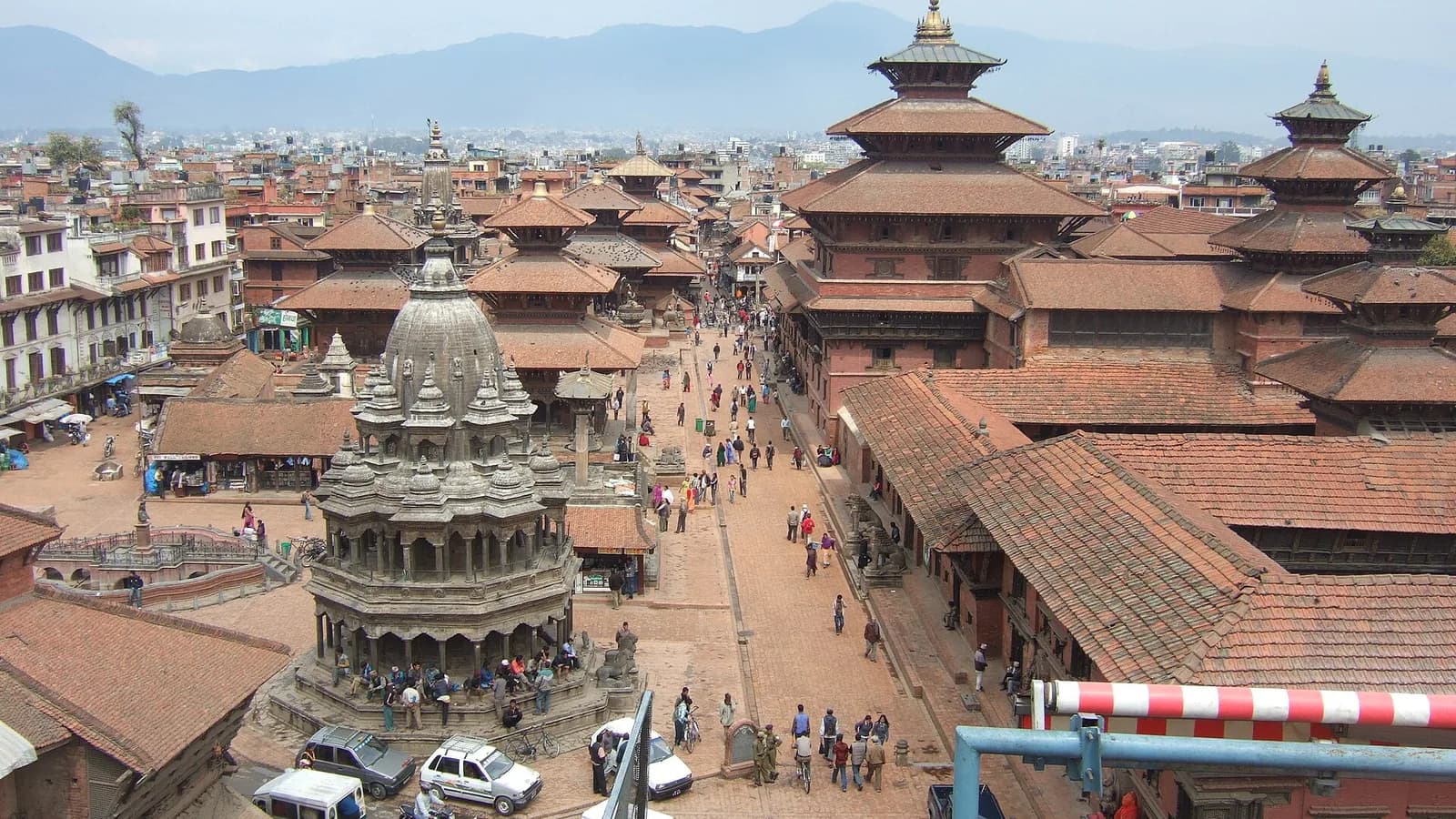
Accessible travel in Nepal comes with an honest headline: this is a country that was simply not built for wheels. Pavements are uneven where they exist at all, many temples sit behind steps and high thresholds, ramps and accessible toilets are scarce, and traffic is chaotic. And yet — with the right planning, a specialist operator and a clear sense of what is and is not possible — far more of Nepal is open to travellers with disabilities than first impressions suggest. People who use wheelchairs or walking aids do visit, and many come home delighted.
This guide is a realistic one. It does not pretend Nepal is barrier-free, because it is not, and a trip planned on false expectations is a trip that goes wrong. Instead it sets out what genuinely works, where the hard parts are, who can help, and how to build an itinerary around the reality on the ground. All details below come from recent accessibility, news and operator sources, linked at the end. None of it is medical advice, and accessibility on the ground changes — always confirm current specifics with a specialist operator before you book.
Key takeaways
- Nepal is challenging but not impossible for wheelchair users and travellers with reduced mobility — the key is realistic planning, not avoidance.
- The biggest barriers are uneven pavements, steps at temples and older buildings, few ramps and accessible toilets, and heavy traffic.
- A small number of specialist operators run wheelchair-friendly tours with adapted vehicles, trained guides and mobility-equipment hire — book through one of them.
- The most realistic destinations are the Kathmandu Valley cultural sites, lakeside Pokhara and a Chitwan jeep safari, all with help on hand.
- Nepal's 2017 disability-rights law mandates accessibility, but enforcement is weak, so plan around conditions as they are.
- Travel in the dry seasons (autumn or spring), when firm ground makes wheels and walking aids far easier.
The honest picture: what makes Nepal hard
It helps to know the obstacles before you arrive, so you can plan around them rather than be ambushed by them.
The most reported problem is pavements and streets. Footpaths are frequently uneven, broken or obstructed, and even newly built pavements in the capital often fail to meet the dimensions a wheelchair needs; ramps, dropped kerbs and tactile paving are the exception rather than the rule. Local reporting has documented just how difficult navigating Kathmandu can be for residents who use wheelchairs, and audits of government buildings have found ramps too steep or narrow to use and toilets without space to turn a chair. The honest takeaway is that independent, unassisted wheeled travel across most of Nepal is very difficult.
The second issue is historic sites. Much of Nepal's appeal is in old temples, palaces and stupas, and many of these involve steps, raised plinths and high doorway thresholds that cannot be removed. Some courtyards and circuits are flat and manageable; others are not. The third is traffic and transport: roads are busy, footpaths spill into them, and standard taxis and buses are not adapted, which is why a private accessible vehicle matters so much.
Set against all that is one enormous asset: people. Nepalis are warm, patient and quick to help, and travellers consistently report that willing hands appear whenever a lift over a step or across rough ground is needed. Assistance, rather than infrastructure, is what makes much of Nepal work.
Specialist operators make the difference
Because the general infrastructure is poor, the single most important decision is to travel with an operator that genuinely specialises in accessible travel. A small but established group of Nepal-based companies design wheelchair-friendly and disability-focused itineraries, and they bring the things the country lacks: adapted vehicles, guides trained to assist, mobility-equipment hire, and routes planned around step-free or assisted options rather than against them.
A good specialist operator will plan transfers and sites around your specific needs, arrange the right vehicle and equipment before you arrive, and brief their team on how to assist safely. They will also be honest with you about which sites are realistic and which are not — which is exactly the conversation you want before booking. When you make your enquiry, be precise about your mobility, your equipment, and what independence matters most to you, and ask for specifics rather than reassurances. Our guide to choosing a private guide in Nepal covers how a dedicated guide-and-vehicle setup works in general, which is the backbone of any accessible trip.
Destinations that work — with planning
Kathmandu Valley
The valley holds Nepal's densest cluster of culture, and parts of it are more manageable than you might fear. The old royal squares of Patan and Bhaktapur have large, relatively level open areas at their cores, even if individual temples have steps. The great stupa of Boudhanath is encircled by a broad, largely flat circuit lined with cafés, making it one of the more wheelchair-friendly experiences in the valley. Expect to choose your spots, rely on assistance for steps, and keep days short — but the valley is far from off-limits.
Pokhara
Lakeside Pokhara is calmer, less crowded and flatter than Kathmandu, and its lakeside promenade is among the easier areas in Nepal to move along. Gentle boat trips on Phewa Lake and the relaxed pace make it a natural base for travellers with reduced mobility, and some accommodations are more accessible than others — confirm the details with your operator. Pokhara also makes a comfortable counterpoint to the intensity of the capital.
Chitwan National Park
A jungle safari in Chitwan is one of the more achievable adventures, because the headline experience — spotting rhinos, deer, crocodiles and birds — happens from a jeep. Transfers and uneven ground still call for assistance, and lodge accessibility varies, so it pays to have an operator match you with a suitable property. For many travellers it is the most rewarding part of the trip precisely because so much of it is enjoyed from a seat.
Planning around the barriers
A few principles turn a daunting prospect into a workable plan:
- Travel in the dry season. Firm, dry ground is dramatically easier for wheels and walking aids than monsoon mud. See best time to visit Nepal.
- Build a flexible, unhurried itinerary. Fewer sites, longer at each, and generous buffer time absorb the slow transfers and the inevitable detours around steps.
- Sort equipment early. Decide whether to bring your own chair or hire locally, and confirm vehicle ramps or lifts well ahead of arrival.
- Plan toilets and rest stops. Accessible toilets are scarce, so a guide who knows where the usable ones are is invaluable.
- Keep medication and essentials in your daypack, and carry copies of prescriptions.
- Get strong travel insurance with medical and evacuation cover; the principles in our Nepal trekking insurance and helicopter evacuation guide apply to any trip with extra health considerations.
The legal backdrop
Nepal does have a legal framework: the Act Relating to Rights of Persons with Disabilities, 2017 marked a shift toward a rights-based approach and mandates accessible public buildings, transport and services. The gap, widely acknowledged in Nepal itself, is enforcement — much infrastructure still falls short of the standards on paper. For a traveller, the practical lesson is straightforward: the law signals intent and improvement over time, but you should plan around conditions as they actually are today, not as legislation says they should be.
Getting there and getting around
A few logistics shape an accessible trip:
- Airport and transfers. Tribhuvan International in Kathmandu is the main gateway; arrange assistance and an accessible transfer in advance through your operator. The new Pokhara International Airport adds options for reaching the lakeside.
- Internal transport. Standard buses are not adapted; a private accessible vehicle is the way to move between cities. See Kathmandu to Pokhara transport for context, then have your operator arrange a suitable vehicle.
- Visa and entry. Most visitors enter on a tourist visa on arrival — check the current process in our Nepal visa on arrival 2026 guide.
- Connectivity. A local SIM or eSIM keeps you in contact with guides and able to call for help — see best SIM card in Nepal 2026.
Is it worth it?
For many travellers with disabilities, the answer is a clear yes — provided the expectations are right. Nepal will not offer the seamless step-free experience of a purpose-built destination, and there will be moments that demand patience, assistance and a flexible plan. What it offers in return is a culture of extraordinary depth, mountain scenery that stops you in your tracks, and a population that meets visitors with genuine warmth and a readiness to help. With a specialist operator, a realistic itinerary and a sense of adventure, accessible travel in Nepal is not just possible — it can be the trip of a lifetime.
Sources
- Accessible Nepal — Wheelchair-friendly & Inclusive Tours: https://www.accessiblenepal.com/
- The Annapurna Express — How Nepal's infrastructure sidelines people with disabilities: https://theannapurnaexpress.com/story/57465/
- The Kathmandu Post — Navigating Kathmandu with disability is a challenge: https://kathmandupost.com/kathmandu/2024/07/28/navigating-kathmandu-with-disability-is-a-challenge
- Asian Development Bank (LPR) — The Act Relating to Rights of Persons with Disabilities, 2074 (2017): https://lpr.adb.org/sites/default/files/resource/[nid]/nepal-the-act-relating-to-rights-of-persons-with-disabilities-2074-2017-english.pdf
- Boundless Adventure — Nepal Accessible Wheelchair Tour: https://boundlessadventure.com/nepal-accessible-wheelchair-tour/
Frequently asked questions
- Is Nepal accessible for wheelchair users?
- Nepal is challenging but not impossible for wheelchair users. General infrastructure is poor — uneven pavements, steps and few ramps — but several specialist operators run successful wheelchair-friendly tours of Kathmandu, Pokhara and Chitwan using adapted vehicles and a lot of hands-on assistance.
- What are the main accessibility challenges in Nepal?
- The big ones are uneven and often broken pavements, steps and high thresholds at many temples and older buildings, a shortage of ramps and accessible toilets, and busy traffic. Many historic sites have stairs that cannot be avoided, so planning around them is essential.
- Are there specialist accessible tour operators in Nepal?
- Yes. A small number of Nepal-based operators specialise in wheelchair and disability travel, providing adapted vehicles, trained guides, mobility-equipment hire and itineraries built around step-free or assisted routes. Booking through one of them is the most reliable way to travel.
- Which Nepal destinations are most realistic for travellers with disabilities?
- The Kathmandu Valley cultural sites, lakeside Pokhara and a Chitwan jungle safari are the most commonly arranged. Each has flatter, more manageable areas, though almost everywhere benefits from a guide and helpers to handle steps and rough ground.
- Can a wheelchair user visit Chitwan National Park?
- Yes, to a degree. Jeep safaris let you experience wildlife from a vehicle, and some lodges are more accessible than others. As with the rest of Nepal, expect to rely on assistance for transfers and uneven ground, and confirm specifics with your operator in advance.
- Does Nepal have accessibility laws?
- Yes. The Act Relating to Rights of Persons with Disabilities, 2017 mandates accessible public buildings, transport and services. In practice, enforcement is weak and much infrastructure still falls short, so travellers should plan around reality rather than the law on paper.
- Should I bring my own wheelchair or hire one in Nepal?
- Many travellers bring their own day-to-day chair for comfort and fit, while specialist operators can supply or hire wheelchairs and other mobility equipment locally. Discuss this early so the right equipment and vehicle are arranged before you arrive.
- Is accessible travel in Nepal worth it despite the challenges?
- For many travellers, yes. The culture, scenery and warmth of welcome are extraordinary, and Nepalis are quick to lend a hand. With realistic expectations, a specialist operator and a flexible plan, a rewarding trip is genuinely achievable.
Related posts
Best Places to Visit in Nepal 2026: A Planner
The best places to visit in Nepal 2026 — fresh arrival data, the autumn and spring windows, region picks and what changed this year for trips.
Read postBest Places to Visit in Nepal: 10 Iconic Sights Ranked
The best places to visit in Nepal, ranked — Kathmandu Valley, Pokhara, Everest, Chitwan, Lumbini and more, with seasons, costs and how to link them.
Read postNepal Itinerary 10 Days: Kathmandu, Pokhara, a Trek
A practical Nepal itinerary for 10 days — Kathmandu Valley, a short Annapurna trek, and Pokhara or Chitwan — with permits, transport, and a daily plan.
Read post