Bhaktapur Day Trip — Is the Entry Fee Worth It?
The medieval city outside Kathmandu, the NPR 1,800 foreigner entry fee, and an honest answer to whether you should pay it or skip.
Bhaktapur charges foreigners 12x what it charges Nepalis. The price is real. The city earns it.
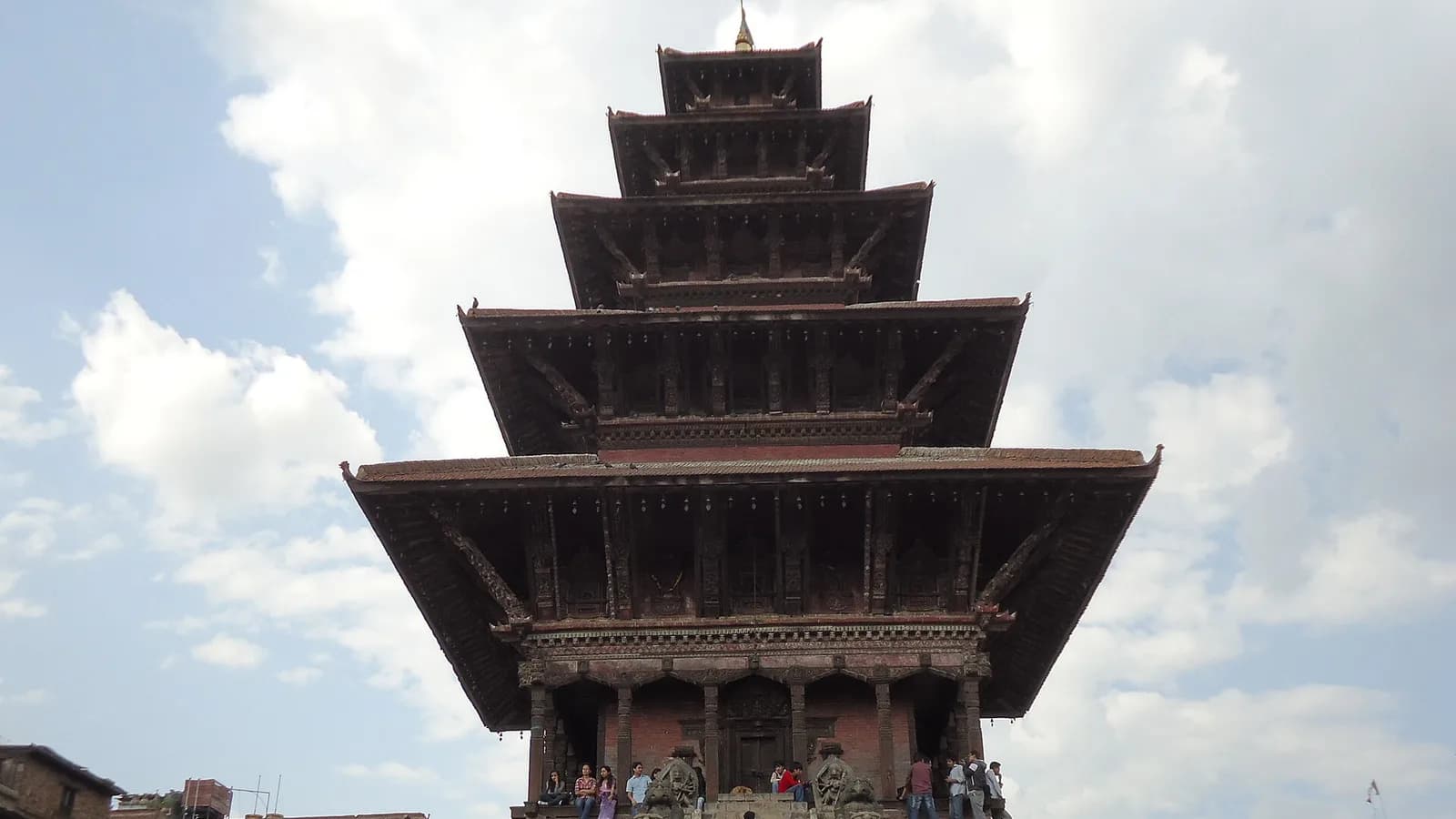
Bhaktapur is a UNESCO-listed medieval city about 14 km east of central Kathmandu — about a 45-minute drive depending on traffic. It's the most architecturally intact Newari city in the Kathmandu Valley, with three connected squares (Durbar Square, Taumadhi Square, Dattatreya Square) full of pagoda temples, carved-wood windows, brick courtyards, and the daily life of a still-functioning old town.
It also charges foreigners NPR 1,800 (~$13) entry fee to enter the historic core. Nepalis pay NPR 200. That price gap puts off some travelers. The honest answer: for most visitors, it's worth it. Here's why and when it isn't.
The entry fee specifically
Foreigners: NPR 1,800 for a single day (or NPR 1,800 for a multi-day pass if you ask)
Nepalis: NPR 200
Children under 10: free
The fee funds preservation of the heritage buildings — many of which were significantly damaged in the 2015 earthquake and have been restored over the past decade.
The fee is real. Don't try to sneak in. There are ticket booths at every entry point to the old city and they check.
Why most travelers find it worth it
A typical Bhaktapur visit (~4-6 hours) covers:
- Durbar Square — the main palace square, 55-Window Palace, Vatsala Temple
- Taumadhi Square — Nyatapola Temple (5-story pagoda, tallest in Nepal)
- Dattatreya Square — older, smaller, with the famous Peacock Window
- Pottery Square — working pottery quarter where you can watch potters
- The street life — bakery shops, brass workshops, traditional tools, daily commerce
- Walking the back alleys — the old town doesn't end at the squares
For most tourists, that's 4-6 hours of dense cultural and visual experience for ~$13. By comparison, a single museum entry in many Western cities costs $20-25. Bhaktapur is essentially an open-air museum of medieval Nepali architecture.
When it's NOT worth it
You should skip Bhaktapur if:
- You only have one day in Kathmandu and prefer something closer (Patan is right next to Lalitpur and similar)
- You've already visited Patan and want different content
- You don't care about architecture/history — much of Bhaktapur is visual and contextual rather than activity-driven
- You're on a tight budget — the same NPR 1,800 can pay for several days of meals
- You hate paying entry fees on principle
Getting there
From Thamel:
- Taxi: NPR 1,500-2,000 round trip (negotiate)
- Pathao car: NPR 800-1,200 each way (longer route)
- Local bus: NPR 50-100 one-way from Ratna Park bus station, slower (~75 minutes)
- Tour van (organized): NPR 1,500-2,500 per person, includes guide and roundtrip
Recommended for most tourists: Pathao or taxi for flexibility. The local bus is cheap but adds an hour each way.
What to do for ~6 hours
A reasonable day plan:
9:00: Arrive Bhaktapur, pay entry, enter old city 9:15: Walk to Durbar Square. Spend 60-90 minutes — the Palace, the temples, take photos in the morning light 11:00: Walk to Taumadhi Square (5-minute walk). Climb the steps of Nyatapola Temple for the panoramic view of the city 12:00: Lunch at a traditional Newari restaurant — try King's Curd (Bhaktapur's famous yogurt) and a small thali 13:30: Walk to Pottery Square (10 minutes). Watch potters at work 14:30: Walk to Dattatreya Square (15 minutes). See the Peacock Window 15:30: Slow wander through the back alleys — brass workshops, woodcarving studios, traditional tools shops 17:00: Return to taxi/bus station, head back to Kathmandu
That's a full but not exhausting day.
What to eat
Bhaktapur is famous for two specific foods:
-
King's Curd (juju dhau) — exceptionally thick, sweet yogurt served in clay pots. Found at multiple shops around Durbar Square. NPR 150-300 per pot. Eat slowly.
-
Newari food — Bhaktapur has several traditional Newari restaurants. Newa Lahana is the most touristed but the food is genuine. See our Newari food guide for context on samay baji, chatamari, and other dishes.
Other notable bites:
- Bara (lentil fritters) from street stalls — NPR 30-50 each
- Bhaktapur sel roti — ring-shaped fried bread, sold at sweetshops
What to photograph
The visual highlights:
- Nyatapola Temple from the south corner of Taumadhi Square — the iconic shot
- The Peacock Window at Dattatreya Square — close-up of the carved wood
- The 55-Window Palace in Durbar Square
- Pottery Square in mid-afternoon when light catches the clay
- Daily life shots — schoolchildren in uniform, women carrying brass water pots, men playing chess in courtyards
- Brick alleys that haven't changed in 500 years
Bhaktapur is one of the most photogenic places in Nepal. Bring a wide lens or a phone with a good zoom.
A few specifics that surprise tourists
- No vehicles in the old city. Walking only. This is part of why it works so well — you can stand in a square that looks the same as it did 400 years ago.
- The old city has residents, not just tourists. People live in the buildings around Durbar Square. Be respectful of doorways and windows you photograph.
- The 2015 earthquake damaged or destroyed several major temples. Restoration is mostly complete in 2026 but some scaffolding is still visible at some sites.
- The afternoon haze in spring can be significant. Morning is the best light.
Cultural rules
Bhaktapur is full of active Hindu and Newari religious sites:
- Cover shoulders and legs at temples
- Remove shoes when entering temple interiors
- Don't climb on temple statues
- Ask before photographing residents
- The "no photos" signs at certain temples are real — respect them
See our temple etiquette guide for the full set.
How does Bhaktapur compare to Patan?
Both are UNESCO-listed Newari old cities. Both are smaller than Kathmandu. Key differences:
| Factor | Bhaktapur | Patan | |---|---|---| | Entry fee for foreigners | NPR 1,800 | NPR 1,000 | | Distance from Kathmandu | 14 km | 8 km | | Old-city size | Larger | Smaller, denser | | Tourist density | Higher (festival days) | Lower | | Newari food scene | Good | Better | | Architectural intensity | Multiple squares, more variety | More compressed, very dense |
For one day-trip, pick Bhaktapur for size and Patan for accessibility. For two days, do both — they're complementary.
A few useful Nepali phrases
- Tika kati paisa? — "How much is the entry?"
- Nyatapola kahaan cha? — "Where is Nyatapola Temple?"
- Kati bhayo? — "How much is it (the bill)?"
- Mitho chha! — "It's delicious!" (for the curd)
See the broader phrasebook for more.
Pre-trip checklist
- NPR 2,000 cash (entry fee + lunch + small purchases)
- Comfortable walking shoes — the cobblestones are uneven
- Camera with wide and/or telephoto lens, or phone with both
- Light scarf for temple visits
- Water bottle (the old city is hot in summer)
- Half a day allocated (4-6 hours)
- Pathao for the round trip
- The temple etiquette guide
- The Newari food guide for restaurant recommendations
Bhaktapur is one of the most visually rewarding day trips from Kathmandu. The entry fee is real but the experience earns it.
Related posts
Gai Jatra: Nepal's Cow Festival of Grief and Humor
Gai Jatra is Nepal's festival of cows — a Newar procession for the year's dead that turns grief into satire, costume, and laughter. A traveler's guide.
Read postNewari Food: A Beginner's Guide to the Newar Feast
Newari food explained for travellers — samay baji, choila, chatamari, yomari and juju dhau, plus the festivals and feasts that the dishes belong to.
Read postPatan (Lalitpur) Guide — Kathmandu's Quiet Cultural Twin
The smaller, denser, less-touristed Newari city next door to Kathmandu — what to see, where to eat, and why it might be the better day trip than Bhaktapur.
Read post