Pokhara Tour Package: A Smart Planning Guide (2026)
How to plan a Pokhara tour package — what to include, days needed, getting there from Kathmandu, costs to verify, and the season for clear mountain views.
A good Pokhara package is mostly about giving yourself enough mornings — the mountains only show up when the sky is clear.
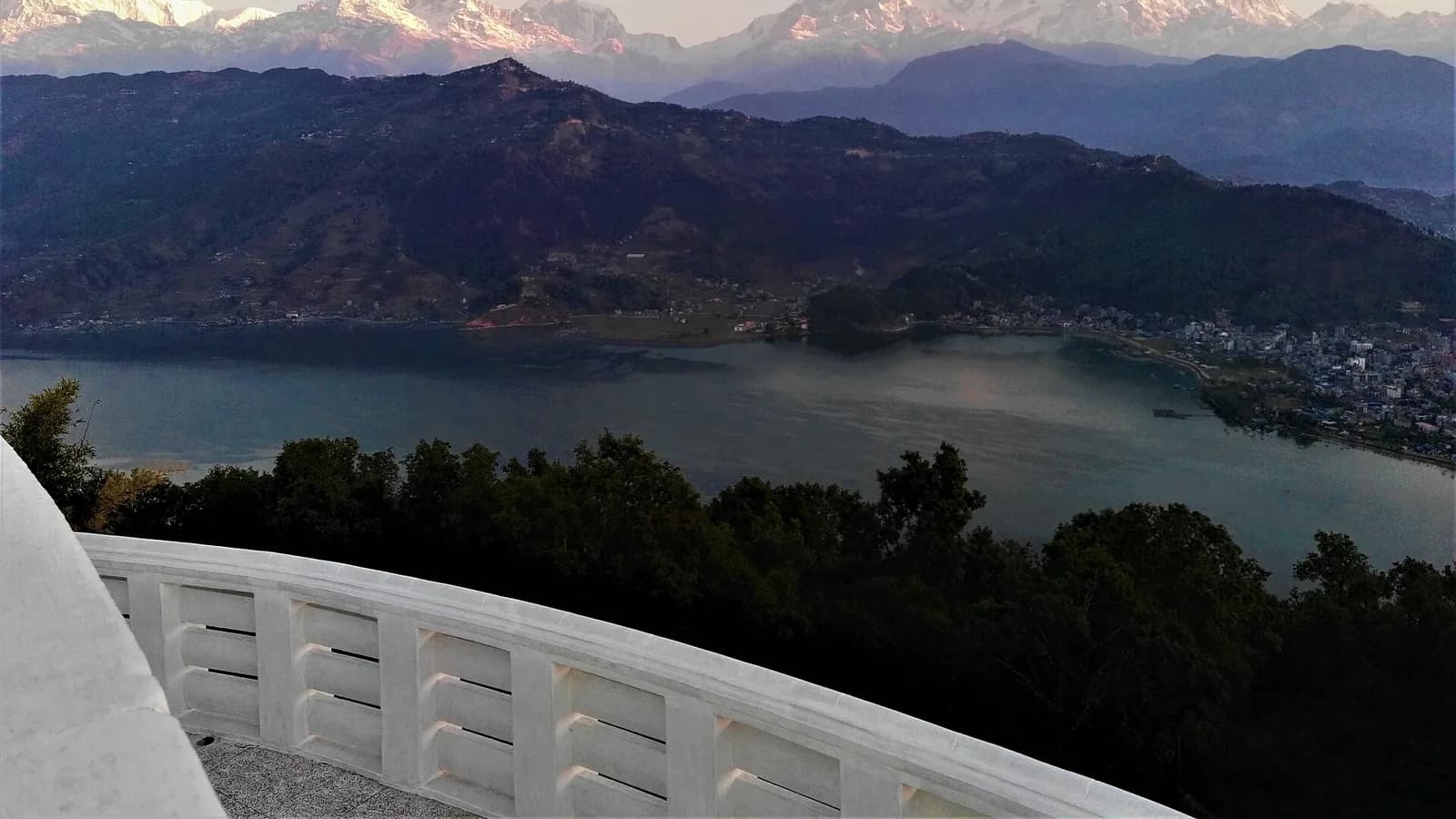
A Pokhara tour package is less about ticking off a fixed list and more about giving yourself the right number of clear mornings beside a lake that reflects the Annapurnas. Pokhara is Nepal's easygoing lakeside town and its great trekking gateway, and whether you buy a ready-made package or assemble one yourself, the planning questions are the same: how many days, how to get there, what to include, and when to go for the best mountain views. This guide walks through each of those so you can build a trip that fits your pace and budget rather than someone else's brochure.
If you want a deeper rundown of individual sights, our companion piece on the best things to do in Pokhara covers each attraction in detail. This article focuses on the package itself — the structure, logistics and money.
Key takeaways
- A solid Pokhara package usually bundles transport, hotels, a Sarangkot sunrise, a Phewa Lake boat ride, and a city sightseeing loop; adventure activities like paragliding are typically priced as add-ons.
- Two to three days covers the highlights comfortably; the Nepal Tourism Board and operators often suggest three to five if you want day hikes or a trek on either side.
- Getting from Kathmandu means either a tourist coach (most of a day) or a flight of about 27 minutes — both have trade-offs.
- Prices vary widely, so insist on a written, itemised quote and confirm exactly what is included.
- The clearest skies and best mountain views come in the drier months, roughly October to April, with autumn the standout window.
- A package works just as well for non-trekkers and families as it does for trekkers.
What a Pokhara tour package usually includes
Packages differ by operator, but most are built around the same core. Knowing the standard components helps you compare quotes and spot what is missing.
| Component | Typically included? | Notes | |---|---|---| | Kathmandu–Pokhara transport | Often | Tourist bus or flight; confirm which | | Hotel nights (Lakeside area) | Usually | Class varies; check star rating and board | | Sarangkot sunrise trip | Common | Early start; weather dependent | | Phewa Lake boat ride | Common | Rowboat to Tal Barahi island shrine | | City sightseeing loop | Common | Devis Fall, Gupteshwor cave, museum, Peace Pagoda | | Paragliding / adventure | Add-on | Usually priced separately | | Meals beyond breakfast | Sometimes | Lakeside has plentiful independent options | | Entry fees and permits | Varies | Ask which are bundled |
A classic full-day Pokhara sightseeing loop strings together Devis Fall, the adjacent Gupteshwor Mahadev cave, the International Mountain Museum, and the World Peace Pagoda above the lake, often combined with a Phewa Lake boat ride. Operators like Marriott's activity desk and GetYourGuide list these as standard half- and full-day formats, which is a useful benchmark for what a "sightseeing day" should contain.
Adventure add-ons
The headline add-on is tandem paragliding from Sarangkot. Flights launch uphill from town and drift down to land near the shore of Phewa Lake, and reputable operators generally bundle the pilot, equipment, insurance and photos into the price. Other common extras include an ultralight flight, zip-lining and boating beyond the basic package. These are rarely included by default, so treat any "from" price you see as the activity alone.
How many days do you need?
For most visitors, two to three full days is enough to enjoy the lake, catch one sunrise, see the main sights and fit in a single adventure activity without rushing. That is the sweet spot for a standalone Pokhara break.
If you want more, the Nepal Tourism Board and many operators suggest three to five days, which leaves room for a half-day village hike, a slower cafe-and-lake pace, or extra viewpoints. Pokhara is also the launch pad for the Annapurna Base Camp trek and the quieter Mardi Himal trek, so many travellers tack a Pokhara package onto the start or end of a trek as a rest stop.
A sample 3-day shape
- Day 1: Arrive, settle into Lakeside, late-afternoon Phewa Lake boat ride to the Tal Barahi island shrine.
- Day 2: Pre-dawn drive to Sarangkot for sunrise over the Annapurnas; later, the city loop — Devis Fall, Gupteshwor cave, International Mountain Museum.
- Day 3: Optional paragliding or the hike up to the World Peace Pagoda, then departure.
This is a shape, not a rule. Swap the order to chase clear weather, and keep sunrise plans flexible.
Getting to Pokhara from Kathmandu
How you cover the Kathmandu–Pokhara leg shapes the whole trip, and it is the part packages most often quietly vary.
| Option | Rough duration | Trade-offs | |---|---|---| | Tourist coach | Most of a day | Scenic, budget-friendly; slow, traffic and roadworks add time | | Domestic flight | About 27 minutes | Fast; weather delays possible, pricier | | Private car / shared jeep | Half a day plus | Flexible stops; cost depends on vehicle |
By road, tourist buses generally leave Kathmandu in the morning and reach Pokhara in the afternoon, though ongoing road construction along the corridor can stretch the journey considerably — so build in a buffer and do not schedule a tight same-day activity on arrival. For more detail on classes and booking, see our guides to the Kathmandu to Pokhara tourist bus and overall Kathmandu to Pokhara transport options.
By air, the hop is roughly 27 minutes, with several domestic carriers running daily. Flights are convenient but, like all Nepal domestic aviation, are subject to weather delays in the monsoon and winter fog. Our Kathmandu to Pokhara flight guide covers the practicalities, and the city's Pokhara International Airport has its own page if you want airport specifics.
Understanding the cost
There is no single official price for a Pokhara tour package, and you should be sceptical of any source that quotes one as if it were fixed. The total depends on hotel class, whether transport is bus or flight, group size, season and which activities you add.
A few figures help set rough expectations for the building blocks, but treat them as indicative and always verify with the operator at the time of booking:
- Kathmandu–Pokhara tourist bus: commonly around NPR 1,000–2,000 one-way (as of 2026), per several Nepal travel operators.
- Kathmandu–Pokhara flight: commonly around NPR 8,000–18,000 one-way (as of 2026), varying by airline, season and how far ahead you book.
- Tandem paragliding: widely quoted in the region of NPR 7,000–10,000 (as of 2025), usually including pilot, gear, insurance and photos.
- Gupteshwor cave entry: reported around NPR 100 (as of 2025), though small site fees change; Devis Fall itself was reported to have no entrance fee.
Because these move with season and provider, the single most useful thing you can do is ask for a written, itemised quote, confirm the currency, and check exactly what is and is not included before paying a deposit. For wider context on trip budgeting, our how much does a trip to Nepal cost overview is a helpful frame.
Booking smart and avoiding pitfalls
Both booking ahead and arranging things once you arrive are valid. Pre-booking locks in transport and hotels during the busy autumn season; arranging day trips from Lakeside gives you flexibility to work around the weather. Whichever you choose, use licensed operators, do not pick purely on the lowest sticker price, and read our guide to common tourist scams in Nepal so you book with confidence.
The best time to go
Season makes or breaks a Pokhara trip, because the mountains — the whole reason the lake views are famous — only appear when the air is clear.
Roughly October to April brings the clearest skies and sharpest Himalayan views, which is also when paragliding, Sarangkot sunrises and ultralight flights perform best. The Nepal Tourism Board singles out autumn (about September to November) as the standout window: once the monsoon rains have washed the air clean, skies turn deep blue and the Annapurna range and Machhapuchhre (Fishtail) show in crisp clarity. Spring is the other strong season, with rhododendrons in bloom and generally fair days.
The flip side is the monsoon (roughly June to September), which is lush and green but frequently cloudy, often hiding the peaks and grounding some flights. If your package leans on sunrise views or flying, weight your dates toward the dry months.
| Season | Months (approx) | Mountain views | Notes | |---|---|---|---| | Autumn | Sep–Nov | Excellent | Board's top pick; clear, stable skies | | Winter | Dec–Feb | Very good | Crisp and clear; cooler mornings | | Spring | Mar–May | Good | Rhododendrons; generally fair | | Monsoon | Jun–Sep | Variable | Green but cloudy; flight delays likely |
Building your own package vs buying one
You do not have to buy a pre-set package at all. The decision comes down to convenience versus flexibility.
A ready-made package is the easier path: someone else sequences the transport, hotels and sightseeing, which is reassuring in peak season and for first-time visitors. The trade-off is less control over pace and inclusions, so scrutinise the itinerary line by line.
Doing it yourself — booking a hotel in Lakeside and arranging boat rides, a Sarangkot sunrise and a sightseeing day on the spot — gives you maximum flexibility to chase clear weather and skip anything that does not appeal. Pokhara's compact Lakeside strip makes this genuinely easy, and many travellers find it the more rewarding approach for a town this walkable. Either way, the core ingredients — lake, sunrise, sights, one adventure — stay the same.
Sources
- Pokhara | Jewel in the Himalaya — Nepal Tourism Board
- The Beauty of Pokhara in Autumn — Nepal Tourism Board
- World Peace Pagoda | Pokhara — Nepal Tourism Board
- Davi's Fall & Gupteshwar | Pokhara — Nepal Tourism Board
- Climate in Nepal | Plan Your Trip — Nepal Tourism Board
- Pokhara in 5 Hours: Lake, Museum, Cave, Falls & Pagoda Hill — Marriott Activities
- Pokhara Full-Day City Sightseeing with Guide — GetYourGuide
- Kathmandu to Pokhara: Bus vs Flight vs Drive — Explore All About Nepal
- Kathmandu to Pokhara Tourist Bus Timetable 2026 — Pride Nepal Travel
- Paragliding in Pokhara Nepal 2025 — Mission Himalaya Treks
- Devi's Fall & Gupteshwor Cave — Pokhara Guide
Frequently asked questions
- How many days should a Pokhara tour package be?
- Two to three full days covers the main sights, a sunrise viewpoint and one adventure activity at a relaxed pace. Tour boards and operators often suggest three to five days if you want to add day hikes or use Pokhara to bookend an Annapurna-region trek.
- What is usually included in a Pokhara tour package?
- Most packages bundle transport from Kathmandu, hotel nights in or near Lakeside, a Sarangkot sunrise trip, a Phewa Lake boat ride, and a city sightseeing loop taking in Devis Fall, the Gupteshwor cave, the International Mountain Museum and the World Peace Pagoda. Adventure add-ons like paragliding are usually priced separately.
- How do I get from Kathmandu to Pokhara for a tour?
- The two common options are a tourist coach along the highway or a short domestic flight of roughly 27 minutes. The road trip is scenic but long and can stretch out where roadworks are underway, so allow most of a day for the bus and treat flight times as weather-dependent.
- How much does a Pokhara tour package cost?
- There is no single fixed price because it depends on hotel class, transport, group size and which activities you add. Ask any operator for a written, itemised quote in writing, confirm the currency, and check exactly what is and is not included before you pay a deposit.
- What is the best time for a Pokhara tour?
- Roughly October to April brings the clearest skies and sharpest mountain views, with autumn (about September to November) widely rated the standout window by the Nepal Tourism Board. The monsoon months are greener but often cloudy, which hides the peaks and can ground flights.
- Is paragliding included in a Pokhara package?
- Usually not by default — it is commonly offered as a paid add-on. Tandem flights launch from Sarangkot and land near Phewa Lake, and reputable operators typically include pilot, gear, insurance and photos, so confirm those details and the price before you book.
- Can a Pokhara package work for families or non-trekkers?
- Yes. Pokhara is a genuine destination in its own right with a lake, viewpoints, waterfalls, caves and museums, so a package can be built entirely around easy sightseeing and boat rides without any multi-day trekking.
- Should I book a package in advance or arrange things in Pokhara?
- Both work. Booking ahead is convenient and locks in transport and hotels in peak season, while arranging day trips once you arrive in Lakeside gives you flexibility around the weather. Either way, use licensed operators and avoid choosing purely on the lowest sticker price.
Related posts
Fewa Lake Boating: Boats, Prices & Tips (2026)
A practical guide to Fewa Lake boating in Pokhara: boat types, hiring a boatman, fair prices, life jackets, kayaks and the best time to push off.
Read postPhewa Lake Pokhara: Boating, Tal Barahi & Guide
A guide to Phewa Lake (Fewa Lake) in Pokhara: boating, the Tal Barahi island temple, mountain reflections, costs, best times and practical tips.
Read postPokhara Lakeside: A Tourist's Guide to Baidam
A guide to Pokhara Lakeside (Baidam): how the strip is laid out, where to eat, sleep and stroll, plus the lake, viewpoints and practical tips.
Read post