Nepal vs India Travel: Which One Should You Visit?
Nepal vs India travel compared on cost, visas, trekking, culture and intensity — an even-handed guide to which suits your trip and travel style.
India overwhelms you on a grand scale; Nepal eases you in — same region, same prices, very different intensity.
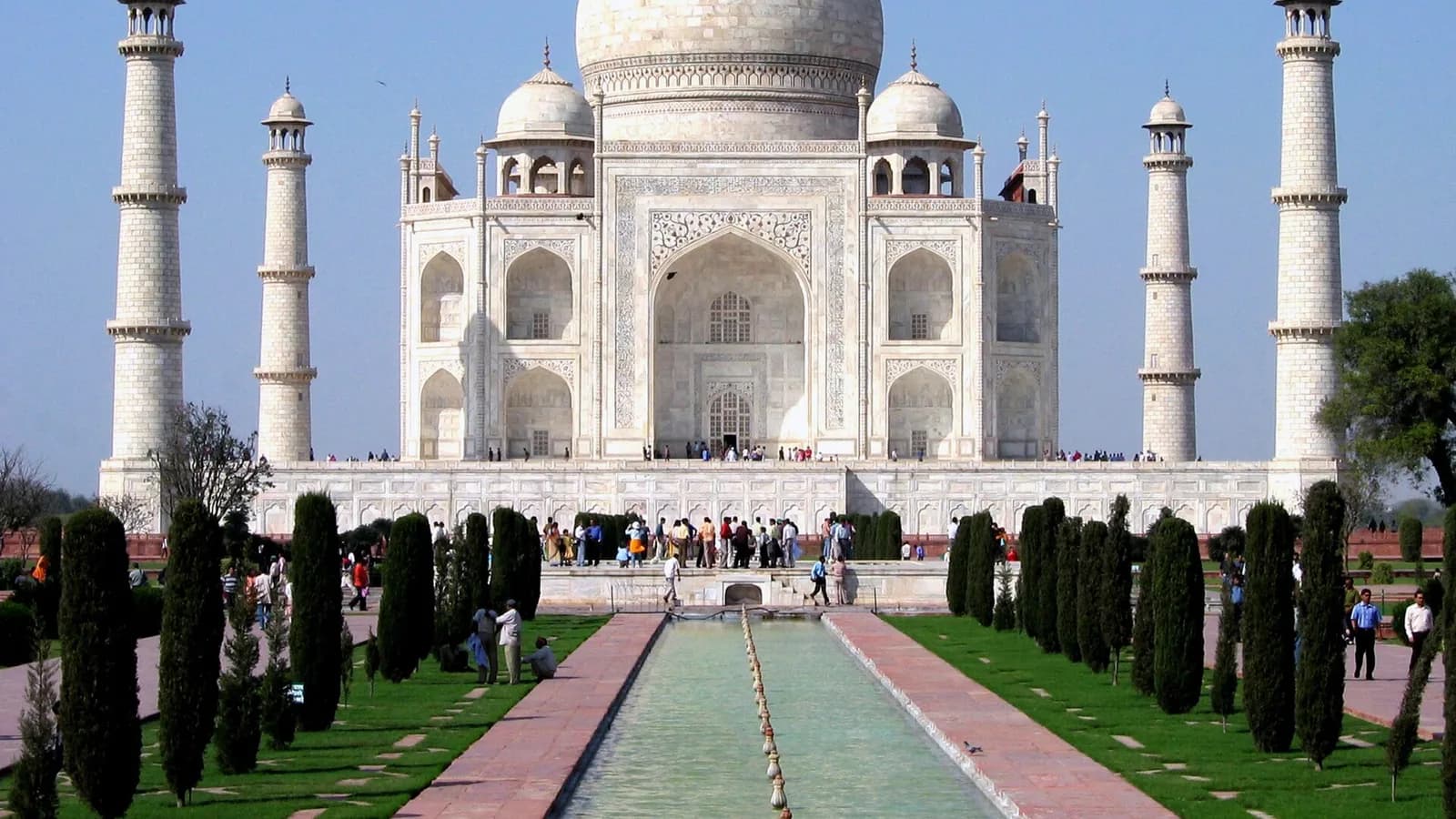
Choosing between Nepal vs India travel is less about which country is "better" and more about what kind of trip you want. They are next-door neighbours sharing a long open border, similar prices, overlapping cuisines, and deep Hindu-Buddhist roots. But the experience differs in scale and intensity: India is vast, varied, and sensory-overload intense; Nepal is smaller, slower, and centred on the mountains.
This guide compares them evenly on the things that decide a trip — cost, visas and access, trekking, culture and intensity, and timing — so you can pick the one that fits your style, or plan a trip that combines both. Fees and prices shift, so the figures here are stamped with date and currency; confirm the latest before you book.
Key takeaways
- Cost is broadly similar — both are among the world's best-value destinations, with budget day-to-day spending in a comparable range (roughly the mid-twenties of US dollars per day).
- Visas favour Nepal for ease: visa on arrival versus India's advance e-visa. But India's e-visa can be cheaper for a 30-day stay, and Indian citizens need no visa for Nepal at all.
- Nepal wins for trekking (teahouse infrastructure); India offers wilder, permit-heavier Himalayan trekking plus far more cultural and geographic variety overall.
- Intensity differs sharply — India can overwhelm first-timers; Nepal is a gentler introduction to South Asia.
- They combine beautifully thanks to the open border and direct flights.
The 30-second decision
Choose Nepal if you want a mountain-focused, lower-intensity trip — world-class trekking, the compact Kathmandu Valley, easy on-arrival access, and a gentler first taste of South Asia.
Choose India if you want scale and variety — the Taj Mahal and the Golden Triangle, deserts and beaches and backwaters, an enormous spread of cuisines and cultures, and you are ready to embrace (or tolerate) the intensity that comes with it.
For many travellers the honest answer is both, in sequence — and the two pair naturally on a single trip.
Cost: closer than you'd think
Both Nepal and India are famously affordable, and the day-to-day numbers land in a similar range.
For budget travellers, daily costs in each country sit broadly in the mid-twenties of US dollars per day (as of 2026) — cheap rooms, local food, and public transport. Nepal's basic guesthouses and staples like dal bhat can run a touch cheaper, but trekking pushes Nepal's activity costs up because of permits and mountain logistics. India's sheer size means transport (long train and bus journeys) can become a bigger line item simply because distances are larger.
Two cost wrinkles are worth knowing:
- Indian citizens travel Nepal cheaply. Thanks to the 1950 treaty (more below), Indians pay no Nepal visa fee and often get lower local entry prices at attractions — making Nepal a notably affordable trip from India.
- Activity mix drives the total. In Nepal, a multi-day trek is its own budget; in India, the cost swing comes more from how far and how often you move between regions.
For realistic Nepal planning numbers, see our Nepal travel budget guide. The headline: neither country will break the bank, and the decision rarely comes down to cost alone.
Cost at a glance
| Factor | Nepal | India | |---|---|---| | Budget day-to-day | ~mid-US$20s/day (as of 2026) | ~mid-US$20s/day (as of 2026) | | Cheapest food | Dal bhat, momos — very low | Thalis, street food — very low | | Biggest cost driver | Trekking permits + logistics | Long-distance transport across regions | | Special case | Free entry/visa perks for Indians | Wider luxury range available |
Visas and access
Nepal is simple: most nationalities get a visa on arrival, paid in cash, at US$30 (15 days), US$50 (30 days), or US$125 (90 days) as of 2026, and it is multiple-entry. Details are in our Nepal visa on arrival guide.
India uses an e-Tourist Visa you apply for online in advance. The fee varies by nationality and season, and for many travellers a 30-day Indian e-visa can actually be cheaper than Nepal's on-arrival fee — but it requires planning ahead and an online application rather than a counter on arrival.
The standout fact: under the 1950 Indo-Nepal Treaty of Peace and Friendship, Indian citizens need no visa for Nepal and can live, work, and travel there freely. So for Indian travellers, Nepal is about as frictionless as a foreign trip gets.
Access compared
| Factor | Nepal | India | |---|---|---| | Visa type | On arrival, cash | e-visa, online in advance | | Cost (30-day) | US$50 | Varies by nationality (often less) | | Lead time | None | Apply ahead online | | Indian citizens | No visa required (1950 treaty) | N/A | | Entry flexibility | Multiple-entry | Per visa conditions |
Trekking and the outdoors
If mountains are your main reason to travel, this section matters most.
Nepal is the trekking capital of the world, and its infrastructure is unmatched. On classic routes you can walk for days using teahouse lodges — a bed and hot meal every night — on well-marked trails graded for every level. Permits are straightforward, support (guides, porters) is easy to arrange, and the whole system is built around making the Himalaya accessible. The trade-off is crowds on the most popular trails in peak season.
India's Himalaya — Ladakh, Himachal Pradesh, Uttarakhand — is genuinely spectacular and often far quieter. But it is wilder and more permit-heavy: foreign nationals face Protected and Restricted Area Permit (PAP/RAP) systems in sensitive belts, trails are less marked, lodge networks are patchier outside popular areas, and rescue options can be thinner. Where India pulls ahead is variety beyond trekking: it is an entire subcontinent of deserts, beaches, jungles, and backwaters that Nepal, being smaller and landlocked, simply can't match.
So: for a pure, accessible trekking holiday, Nepal is the clearer pick. For a trip where trekking is one chapter among deserts, cities, and coastlines, India offers more range.
Trekking compared
| Factor | Nepal | India (Himalaya) | |---|---|---| | Trail infrastructure | Teahouses, well-marked | Patchier outside popular areas | | Permits | Simple | Stricter (PAP/RAP in sensitive zones) | | Crowds | Busy on top routes | Often quieter | | Beyond trekking | Mountain-focused | Subcontinent of variety | | Best for | Accessible Himalayan trekking | Variety + quieter mountains |
Culture and intensity
This is where the two diverge most in feel.
India is overwhelming in the best and most challenging sense — an enormous spread of languages, religions, cuisines, and landscapes, with iconic sights like the Taj Mahal and the Golden Triangle of Delhi, Agra, and Jaipur. The scale, traffic, crowds, and sensory intensity are part of the experience, and many travellers find big-city India a lot to absorb on a first visit.
Nepal is smaller and gentler. Its cultural core — the Kathmandu Valley with its temples, stupas, and medieval squares — is compact and walkable, the pace is slower, and the mountains are never far away. Many travellers describe Nepal as an easier introduction to South Asia: it shares much of the region's texture without the same overwhelming scale.
The two cultures are closely linked. The languages are related — our Nepali vs Hindi guide explains how much overlaps and where they diverge. Festivals cross the border too: see Holi in Nepal vs India for a vivid example of the same celebration with regional differences. If you want the busy, grand, intense version of South Asia, India delivers; if you want a calmer, mountain-framed version, Nepal does.
Safety and ease
Both countries are generally safe for tourists with sensible precautions, and both share the ordinary risks of crowded places: pickpocketing, tourist-area scams, and road-safety concerns. Nepal's smaller, more mountain-focused tourism can feel a little lower-pressure, but the core advice is identical — stay alert in crowds, use reputable transport, and keep your wits in tourist hotspots. Our is Nepal safe guide and the Nepal tourist scams rundown cover the practical precautions for Nepal, and the solo female travel safety guide adds detail for women travelling alone. Most of those principles travel well across the border to India too.
When to visit
The seasons align nicely. October to November is excellent for both — the monsoon has passed, skies clear, and temperatures are pleasant — and it coincides with major festivals (Diwali in India; Dashain and Tihar in Nepal). The big caveat for India is heat: in the pre-monsoon months, much of northern India can approach 40C, making outdoor sightseeing punishing. Nepal's mountain climate is milder, and its prime trekking windows are autumn (late September to November) and spring (March to May). For a fuller breakdown, see our best time to visit Nepal guide. If you are combining both, autumn is the safe bet for comfortable weather across the region.
Can you do both?
Absolutely — and they pair more easily than almost any two countries. Nepal and India share a long open border with multiple crossings, and there are frequent direct flights between them. A classic combined itinerary links northern India's Golden Triangle (Delhi, Agra, Jaipur) with Nepal's Kathmandu Valley and a trek. Because Nepal's tourist visa is multiple-entry, you can cross into India and return without paying again. Our two-week Nepal itinerary is a useful anchor for the Nepal leg of such a trip.
Which should you choose?
Pick Nepal if you want a mountain-focused, lower-intensity trip with the world's best trekking, an easy on-arrival visa, and a gentler entry into South Asia. For Indian citizens especially, it is an exceptionally easy and affordable destination.
Pick India if you want scale and astonishing variety — landmark sights, wildly diverse regions, and a deep cultural plunge — and you are ready for the intensity that comes with a subcontinent.
For a great many travellers the best answer is both — and the open border makes that simple. Whichever you start with, choose based on the trip you actually want: grand and intense, or calm and mountain-framed.
Sources
- Nepal Department of Immigration — Tourist Visa: https://www.immigration.gov.np/en/page/tourist-visa
- Indian Visa Online (Government of India) — e-Tourist Visa fees: https://indianvisaonline.gov.in/evisa/images/Etourist_fee_final.pdf
- Himalaya Trekker — Indian Himalayas trekking permits (2025): https://himalayatrekker.com/trek-permits-regulations/permits-rules-regulations-indian-himalayas-guide/
- Odynovo Tours — How to plan an India & Nepal trip 2026: https://www.odynovotours.com/asia/how-to-plan-india-nepal-trip.html
- Summit Routes — India vs Nepal vs Bhutan trekking: https://summitroutes.com/travel-blog/india-vs-nepal-vs-bhutan-himalayan-destination/
- Budget Your Trip — Nepal travel costs: https://www.budgetyourtrip.com/nepal
Frequently asked questions
- Is Nepal cheaper than India to travel?
- They are broadly similar, both among the best-value destinations in the world. Day-to-day costs for budget travellers sit in a comparable range in each, roughly the mid-twenties of US dollars per day. Nepal's food and basic rooms can be a touch cheaper, while activity costs like trekking permits add up.
- Which is easier to get a visa for, Nepal or India?
- Nepal is simpler for most travellers. It grants a tourist visa on arrival, paid in cash. India requires an e-visa applied for online in advance, whose fee varies by nationality and can be cheaper than Nepal's for a 30-day stay. Indian citizens, notably, need no visa at all for Nepal.
- Do Indian citizens need a visa for Nepal?
- No. Under the 1950 Indo-Nepal Treaty of Peace and Friendship, Indian citizens can enter and stay in Nepal without a visa, and often pay lower local entry fees at attractions than Western tourists. It makes Nepal an especially easy and affordable trip from India.
- Which is better for trekking, Nepal or India?
- Nepal is the stronger trekking destination, with teahouse lodges, marked trails and the world's most developed mountain-tourism infrastructure. India's Himalaya (Ladakh, Himachal, Uttarakhand) is wilder and quieter but has stricter permits and patchier facilities outside popular areas.
- Is Nepal less overwhelming than India?
- Most first-time visitors find Nepal gentler. India's scale, traffic, crowds and sensory intensity can be a lot to absorb, especially in big cities. Nepal is smaller, slower-paced and more mountain-focused, which many travellers find an easier introduction to South Asia.
- When is the best time to visit Nepal and India?
- October to November is excellent for both: the monsoon has passed, skies clear, and temperatures are pleasant. It also coincides with major festivals like Diwali in India and Dashain and Tihar in Nepal. Avoid the pre-monsoon heat of northern India, when temperatures can approach 40C.
- Can I visit Nepal and India on the same trip?
- Yes, easily. They share a long open border with multiple crossings, and there are direct flights between the two. A common plan pairs northern India's Golden Triangle with Nepal's Kathmandu Valley and a trek. Nepal's tourist visa is multiple-entry, so you can cross to India and return.
- Is Nepal or India safer for tourists?
- Both are generally safe with sensible precautions, and both have the usual risks of crowded places: pickpocketing, tourist-area scams and road-safety concerns. Nepal's smaller, more mountain-focused tourism can feel lower-pressure, but the core advice, stay alert in crowds and use reputable transport, applies to each.
Related posts
Nepal or Bhutan: Which Is Better for Your Trip?
Nepal or Bhutan, which is better? A quick decision guide by traveller type, budget, and trekking goal — plus how to pair both in one trip.
Read postBackpacking Nepal Cost: What a Trip Adds Up To
Backpacking Nepal cost by trip length and route — daily spend, a budget circuit, two-week and one-month totals, plus visa and trek extras for 2026.
Read postCheap Nepal Trekking Package: Budget Guide 2026
How to find a cheap Nepal trekking package - real permit fees, daily teahouse costs, the best low-cost trails, and ways to cut the price safely.
Read post