Holi in Nepal vs India — Which Is the Better Tourist Experience?
Holi is celebrated in both countries but the day, the intensity, and the safety profile differ. Where to go for which experience.
Indian Holi is a riot. Nepali Holi is a party. The right answer depends on which you want.
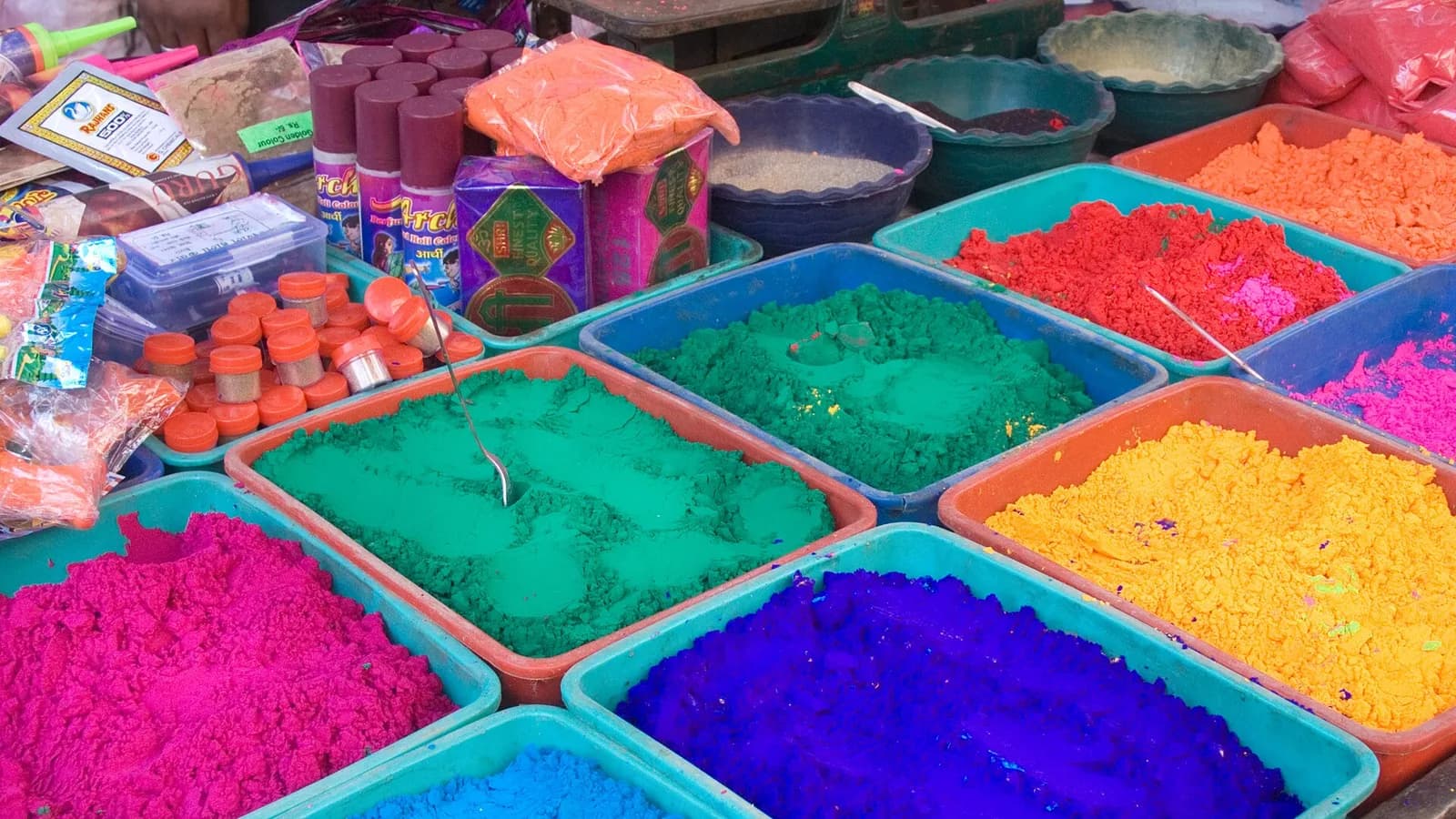
Holi — the spring festival of colors — is celebrated across the Indian subcontinent. Both India and Nepal observe it, but the day they celebrate on, the intensity of the festivities, and the safety profile for tourists differ in ways most travel guides skip over.
If you're choosing where to experience Holi, here's the honest comparison.
The day difference
Nepal celebrates Holi one day before India.
The exact date follows the lunar calendar and falls in February or March:
- 2024: Holi in Nepal was March 24; in India, March 25
- 2025: Nepal March 13; India March 14
- 2026: Nepal March 3; India March 4 (projected)
This means you can experience Holi in both countries on consecutive days if your itinerary allows — Pokhara on day 1, cross to Indian border by evening, Varanasi or Delhi on day 2.
Where Holi is biggest in Nepal
Holi is celebrated nationwide but with very different intensity by region:
- Pokhara Lakeside — the loudest, most tourist-friendly, biggest open-air parties. The main strip closes to traffic. Foreign tourists are heavily welcomed (and sometimes specifically targeted with paint). This is THE place to be for a tourist Holi experience.
- Kathmandu Thamel — also significant, with parties and street-throwing throughout. Smaller scale than Pokhara but still substantial.
- Terai region (Lumbini, Janakpur, Birgunj) — celebrated with more religious significance and closer to the Indian style. Less tourist-friendly but more culturally authentic.
- Trekking regions — quieter; mountain villages observe Holi with simple color application within families, not the big parties.
The Pokhara Holi experience
Pokhara is the easiest, safest, most tourist-friendly Holi experience in the country:
- The lakeside main road closes to traffic
- DJs set up at multiple points along the strip
- Powdered colors and water are thrown everywhere — by tourists, by locals, by businesses
- Most restaurants and bars stay open and become Holi hubs
- Pool parties happen at hotels with pools
- The day typically winds down around 6 PM as the temperature drops
What to wear: cheap clothes you'll throw away. The colored powder stains permanently. Wear an old white t-shirt — the colors look great on white and you don't care if it's ruined. Bring sunglasses. Apply oil to your hair (helps the colors wash out).
The Indian Holi by contrast
Indian Holi, particularly in Mathura, Vrindavan, Varanasi, and Delhi, is louder, more chaotic, and more physically intense:
- Crowds are larger and denser
- Color-throwing is more aggressive (sometimes literally thrown handfuls at faces)
- Some Indian cities have ongoing reports of harassment toward female tourists during Holi
- Religious significance is stronger (especially in Mathura/Vrindavan, the mythological birthplace of Krishna)
- The day extends longer (often well into the night)
For someone who wants the full immersive experience and is comfortable with crowd chaos, India is the bigger Holi. For someone who wants the cultural touch of Holi with a safety floor, Nepal is.
Safety considerations
Pokhara Holi: generally safe for tourists, including solo female travelers. Crowds are festive but contained. Most paint application is consensual. Hotels have staff who help if anything escalates.
Kathmandu Thamel: similarly safe. Tighter spaces mean more intense paint exchanges.
Nepal Terai (Lumbini, etc.): closer to the Indian intensity. Solo female travelers should be cautious or paired up.
Indian Holi (especially in some northern cities): documented incidents of groping, "bhang" (cannabis-infused drink) being slipped to tourists, more aggressive paint-throwing including physical violence in some cases. This isn't to say it's always dangerous — millions of tourists enjoy Indian Holi safely — but the safety floor is lower than in Nepal.
A common safety pattern for solo female travelers: do Holi in Pokhara, do other Indian experiences on other days.
What Holi feels like physically
By end of day, you'll be:
- Covered head to toe in colored powder (red, green, yellow, pink, blue)
- Hair tinted for the next few days
- Smelling vaguely of incense and water
- Tired in the way of long sunny afternoons of constant activity
The powder is mostly cornstarch with food-grade dyes. It washes off skin in 1-2 showers but stains clothes permanently. Don't wear anything you care about.
The food
Holi-day food in Nepal centers on sweets — particularly gujiya (a sweet stuffed dumpling) and malpua (fried sweet pancakes). Many restaurants in Pokhara and Kathmandu run Holi specials.
The traditional Holi drink is thandai, a milky almond-spice drink that's served chilled. In some places it's served with bhang (cannabis-infused) — be deliberate about ordering bhang-free thandai if you don't want the surprise, especially in restaurants near tourist areas.
What to bring
- Old white t-shirt (one per person)
- Sunglasses (the powder gets in your eyes)
- Water-resistant phone case or zippered dry bag
- Cash in zippered front pocket (don't bring valuables you can't afford to lose)
- Coconut or olive oil — rub into hair before going out, helps colors wash out
- Old shoes / sandals
- Backup outfit at the hotel for the evening
Pre-trip checklist
- Confirm the exact 2026 date — Nepal is one day before India
- Book Pokhara Lakeside hotel for the night before Holi
- Travel insurance updated for the festival period
- Bring oil for hair, old clothes for color
- The scam-defence phrases — pickpockets target the festival crowds
- Skip Indian-style Holi if you're a solo female traveler concerned about safety; Pokhara is a comparable experience with much higher safety floor
Holi in Nepal is one of the easiest joyous festival experiences accessible to foreign tourists. The Pokhara version specifically is hard to beat — the same colors, the same spring renewal, the same chaos of paint and music, with a noticeably safer atmosphere than the Indian alternatives.
Related posts
Deepawali in Nepal — How Tihar Differs From Indian Diwali
Deepawali in Nepal is celebrated as Tihar, a five-day festival of lights. How it compares to Indian Diwali, from animal worship to Deusi-Bhailo singing.
Read postHoli in Nepal — A Practical Visitor's Guide
Planning Holi in Nepal? When the festival of colours falls, where to celebrate in Pokhara and Kathmandu, what to wear, and how to stay safe and clean.
Read postAnnapurna 100: Nepal's Oldest Ultra Trail Race
A traveller's guide to the Annapurna 100, Nepal's original mountain ultra — its history, the route from Annapurna Base Camp to Pokhara, and what to expect.
Read post