Manakamana Cable Car: Tickets, Times & Guide (2026)
A traveller's guide to the Manakamana cable car in Nepal — fares, ride time, the wish-fulfilling temple at the top, how to get there, and what to expect.
Ten minutes in a swaying gondola lifts you a thousand metres from a highway river gorge to a hilltop temple where, the faithful say, the goddess grants what the heart desires.
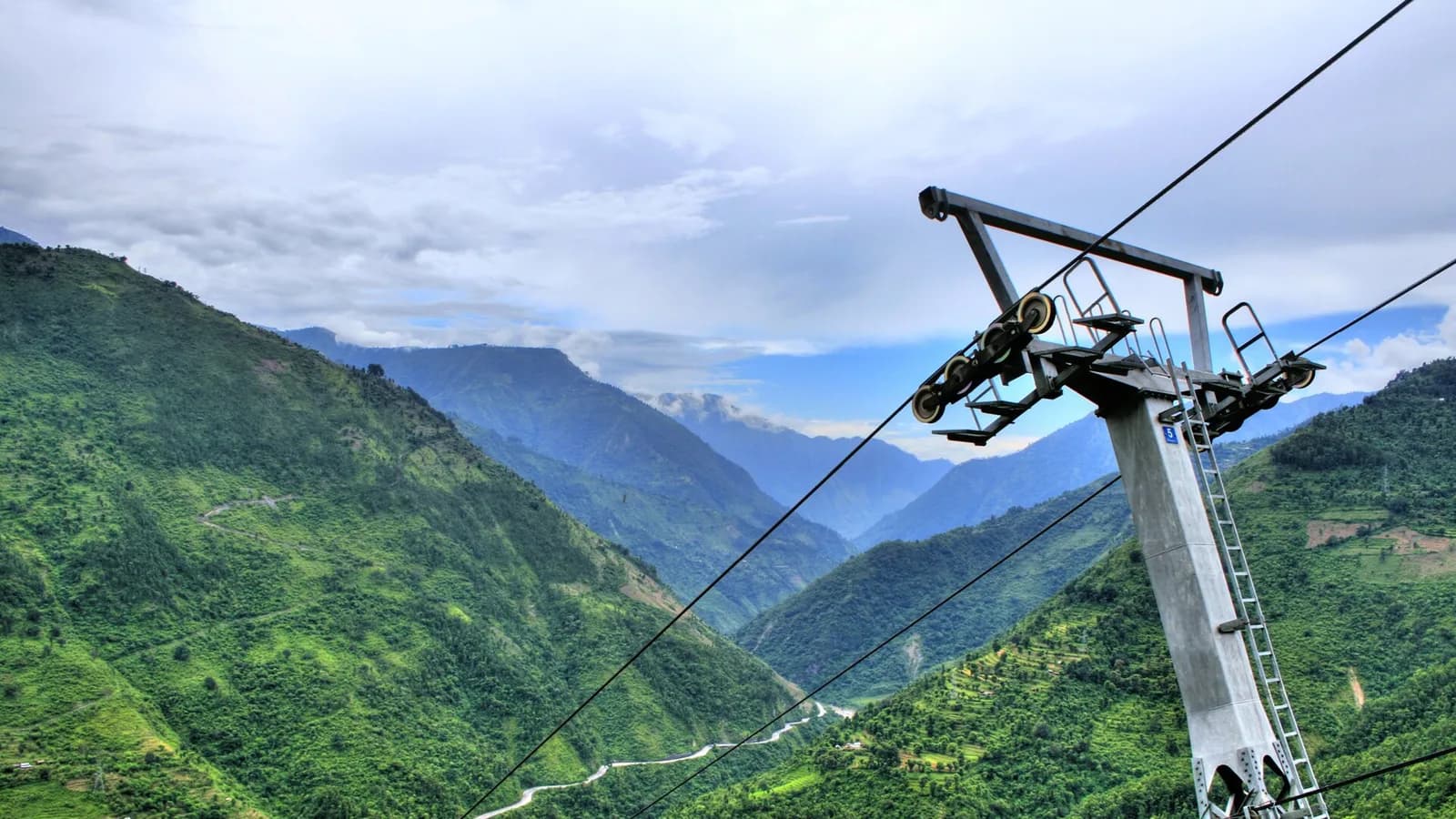
Halfway along the busy highway between Kathmandu and Pokhara, a string of red gondolas climbs out of a river gorge and disappears up a forested ridge. This is the Manakamana cable car, Nepal's first commercial ropeway and one of the more surprising stops on the country's most-travelled road. In about ten minutes it carries you — and, on some trips, a goat or two — from the warm valley floor to a hilltop temple where pilgrims have come for centuries to ask the goddess to grant a wish. For travellers it is a rare thing: a genuine cultural pilgrimage that happens to be wildly scenic and astonishingly easy to reach.
This guide covers the practical side — fares, timings, how to get there — alongside what actually waits at the top, so you can decide whether to fold Manakamana into your Kathmandu–Pokhara journey.
Key takeaways
- The Manakamana cable car opened in 1998 as Nepal's first commercial ropeway, built by Austria's Doppelmayr.
- The ride is about ten minutes each way, climbing roughly 1,000 metres over 2.8 km.
- The lower station sits at Cheres / Kurintar on the Prithvi Highway, an easy stop between Kathmandu and Pokhara.
- At the top is the Manakamana temple, a major Hindu shrine to the wish-granting goddess Bhagwati.
- Fares are tiered by nationality; foreign-tourist round trips have run around NPR 2,700 / ~USD 25 (as of 2025) — confirm current rates.
- Best visited on a weekday morning for shorter queues and clearer views.
What the Manakamana cable car actually is
When it opened on 24 November 1998, the Manakamana cable car was the first commercial cable car service in Nepal — a genuinely big deal for a hilltop temple that had previously taken pilgrims a hard several-hour climb on foot to reach.
The system was designed and built by the Doppelmayr Group of Austria, one of the world's leading ropeway manufacturers, which is reassuring if you tend to eye mountain cable cars warily. The line runs about 2,772 metres (roughly 2.8 km of travel) and lifts passengers from a lower station beside the river up to the temple on the ridge, a vertical gain of around a thousand metres. A fleet of 34 six-seat gondolas circulates continuously, alongside dedicated freight carriers for cargo, giving the system a capacity of several hundred passengers per hour.
The ride itself takes about ten minutes. As you rise, the Trishuli River shrinks below, terraced fields stack up the opposing hillsides, and on a clear day the green ridges roll away toward the bigger mountains beyond. It is short, but it earns its place on the highlight reel.
Where it is and how to get there
This is the cable car's great advantage: it sits right on the main road between Nepal's two biggest tourist hubs.
- The lower station is at Cheres, near Kurintar, in Chitwan district, on the Prithvi Highway.
- It is roughly a three-hour drive west of Kathmandu, and well under halfway to Pokhara.
- The temple it serves sits above in Gorkha district.
Because it is on the highway, you have several easy ways to arrive:
| How you travel | What to do | |---|---| | Kathmandu–Pokhara tourist bus | Ask the operator to drop you at the Kurintar / Manakamana cable car stop | | Private car or taxi | Drive directly to the lower station car park | | Day trip from Kathmandu | Combine the round trip with the highway drive in a long day | | Stop en route to Pokhara | Break the journey here, then continue west afterwards |
If you are planning the wider road trip, our guide to Kathmandu to Pokhara transport lays out every option — tourist bus, local bus, jeep and flight — and a dedicated look at the Kathmandu to Pokhara tourist bus explains how the coach services work if you want to break the trip at Kurintar.
Tickets and fares
Like most attractions in Nepal, Manakamana uses tiered pricing by nationality: one rate for Nepali citizens, another for Indian nationals, and a higher rate for other foreign tourists. Tickets are round trip and typically valid for several days, so you are not rushed.
For foreign tourists, round-trip fares have generally sat in the region of around NPR 2,700, with some operators quoting roughly USD 25 for adults (as of 2025); young children are usually free or heavily discounted. There are even separate, much smaller published fares for carrying goats and goods up the line — more on the goats shortly.
Treat all of those figures as a guide rather than gospel, because prices drift and sources vary. Confirm the current fare on the official Manakamana operator's website or simply at the Kurintar ticket counter on the day. Carry some cash; do not assume card payment will work smoothly at the counter.
The temple at the top
Manakamana is not a viewpoint with a snack bar — it is one of Nepal's most revered Hindu pilgrimage sites, and that is the whole point of going.
The temple is dedicated to the goddess Bhagwati, a form of the Mother Goddess, and the name itself tells the story: it joins the Nepali-Sanskrit words for "heart" (mana) and "wish" (kamana). The enduring belief is that the goddess grants the wishes of those who make the journey to her, which is why pilgrims have climbed this hill for generations and why the cable car is so often packed with families on a day of devotion.
Around the temple you will find a small, lively bazaar: stalls selling offerings of flowers, coconuts and red powder, teashops, and simple eateries. It is a warm, human, slightly chaotic scene — incense and bells, families in their best clothes, vendors calling out. For first-time visitors to a working Nepali temple, it is a vivid introduction.
Because it is an active place of worship, a few courtesies matter:
- Dress modestly — cover shoulders and knees.
- Remove footwear where indicated near the shrine.
- Ask before photographing people, especially during rituals.
- Follow the queue and the lead of those around you.
Our broader guide to temple etiquette for tourists in Nepal is worth a read before you go, so the customs feel familiar rather than confusing.
A word on animal sacrifice
There is no point being coy about it: animal sacrifice, primarily of goats, is part of Manakamana's traditions for some devotees seeking the goddess's favour. This is why the cable car runs freight carriers and publishes a fare for transporting goats — you may genuinely share the ride up with livestock, a quirk so distinctive it inspired a well-known observational documentary about the line.
For some travellers this is a fascinating window into living religious practice; for others it is upsetting. Both reactions are valid. The practical point is that the sacrifice area is a specific part of the complex, and you can comfortably visit the temple, ride the cable car and explore the bazaar without going near it if you would rather not. Approach the whole site with the respect you would extend to any community's deeply held tradition.
What to expect on the day
A typical tourist visit looks something like this:
- Arrive at Kurintar off the highway and park or get dropped at the lower station.
- Buy your round-trip ticket at the counter (carry cash).
- Queue for a gondola — busier on weekends and festival days.
- Ride up in about ten minutes, enjoying the river-valley views.
- Visit the temple and bazaar, take your time, grab a snack.
- Ride back down whenever you are ready; your ticket allows it.
Most visitors spend around two hours up top. Pilgrims sometimes stay overnight in simple guesthouses to attend early-morning worship, but for travellers Manakamana works best as a half-day stop. Up at the bazaar you will find the usual Nepali highway fare — milk tea, snacks, and plates of dal bhat, the lentil-and-rice staple that fuels the whole country.
When to go
Two factors shape the best timing: crowds and weather.
- Crowds: Saturdays, full-moon days and major Hindu festivals — especially Dashain — draw enormous numbers of pilgrims, with long cable-car queues. For a calmer visit and shorter waits, come on a weekday.
- Weather and views: The drier months from roughly October to April give the clearest skies and most reliable conditions. The summer monsoon brings haze, cloud and the occasional highway landslide. Early morning is generally the clearest and quietest part of any day.
If you are timing a wider trip, it is worth noting that the festival season that makes Manakamana most crowded is also one of the most atmospheric times to be in Nepal generally.
Combining Manakamana with the rest of your trip
The cable car's location makes it an easy add-on rather than a destination in its own right. Two natural pairings stand out:
- On the way to Pokhara. Break the long highway drive at Kurintar, ride up to the temple, then continue west to the lakes. It turns a tedious transit day into something memorable.
- With Chitwan. Kurintar sits in Chitwan district, so travellers heading to or from the lowland national park can fold Manakamana into the journey. If a jungle safari is on your list, our Chitwan safari guide covers what to expect down on the plains.
A few useful Nepali phrases smooth the experience at the counter and in the bazaar:
- Tikat kati ho? — "How much is the ticket?"
- Mandir kata cha? — "Where is the temple?"
- Pheri tala jaana milcha? — "Can I go back down?"
- Dhanyabaad — "thank you."
For more of these, our Nepali phrases every trekker should know covers the everyday situations you will meet on the road.
Is the Manakamana cable car worth it?
If you are already driving the Kathmandu–Pokhara highway, the answer is an easy yes. For the cost of a couple of hours and a modest fare, you get a short but spectacular ropeway ride and a front-row seat at one of Nepal's living pilgrimage traditions — something far more memorable than another roadside lunch stop. Come on a weekday morning, treat the temple with respect, decide for yourself how close you want to get to the rituals, and Manakamana rewards the detour many times over.
Sources
- Manakamana Cable Car — Wikipedia
- Manakamana Temple — Wikipedia
- 1998: The Launch of a Cable Car Service in Nepal — Transportation History
- Manakamana cable car — ticket prices (official operator)
- Manakamana Cable Car Ticket Price 2025 — Nepali, Indian & Foreign Rates (Mountain Flight Nepal)
- Manakamana Temple & Cable Car: Travel Guide (Travelling Mandala)
Frequently asked questions
- How much is a Manakamana cable car ticket for foreigners?
- Foreign-tourist round-trip fares have generally sat in the region of around NPR 2,700, with some operators quoting roughly USD 25 for adults (as of 2025). Nepali and Indian nationals pay lower, separate rates. Prices change, so confirm the current fare on the official Manakamana Darshan website or at the Kurintar ticket counter before you travel.
- How long does the Manakamana cable car ride take?
- The ride takes about ten minutes each way. In that time the gondola covers roughly 2.8 kilometres and climbs around a thousand metres from the lower station near the Trishuli River up to the temple on the ridge, giving you sweeping views over the river valley and terraced hills.
- Where is the Manakamana cable car and how do I get there?
- The lower station is at Cheres, near Kurintar in Chitwan district, right on the Prithvi Highway between Kathmandu and Pokhara, roughly a three-hour drive west of Kathmandu. Any Kathmandu to Pokhara bus can drop you nearby, making it an easy stop or day trip on that route.
- What is at the top of the Manakamana cable car?
- At the top sits the Manakamana temple, dedicated to the goddess Bhagwati, one of Nepal's most important Hindu pilgrimage sites. The name means heart's wish, and devotees believe the goddess grants the wishes of those who visit. Around the temple is a small bazaar of shops, teashops and food stalls.
- Is the Manakamana cable car suitable for tourists who are not Hindu?
- Yes. Non-Hindu visitors are welcome to ride the cable car and walk around the temple complex and bazaar, and many tourists do as a cultural and scenic excursion. Dress modestly, remove shoes where required, and be respectful, as this is an active place of worship rather than a tourist attraction.
- Why are goats carried on the Manakamana cable car?
- Animal sacrifice, mostly of goats, is part of the temple's traditions for some devotees seeking the goddess's blessings. The cable car has dedicated freight carriers and even a published fare for transporting goats, so you may see livestock travelling up. Visitors uncomfortable with the practice can simply avoid the sacrifice area near the temple.
- How long should I spend at Manakamana?
- A couple of hours is enough to ride up, visit the temple, wander the bazaar and have a snack before riding back down. Some pilgrims stay overnight in simple guesthouses at the top to attend morning worship, but most tourists treat it as a half-day stop on the Kathmandu to Pokhara highway.
- When is the best time to visit Manakamana?
- Mornings are quietest and clearest for views, and the dry months from roughly October to April give the most reliable weather. Saturdays, full-moon days and major Hindu festivals such as Dashain draw large crowds of pilgrims, so visit on a weekday if you prefer a calmer experience and shorter queues.
Related posts
Manakamana Cable Car Ticket Price (2026 Guide)
The current Manakamana cable car ticket price for Nepali, Indian, SAARC and foreign visitors, plus child, student, goat and baggage rates.
Read postChandragiri Hills Cable Car: Tickets & Guide (2026)
A tourist's guide to the Chandragiri Hills cable car near Kathmandu — fares, ride time, the Bhaleshwor Mahadev temple, Himalaya views and how to get there.
Read postKalinchok Travel Guide: Cable Car, Temple & Snow
A tourist's guide to Kalinchok (Kalinchowk) in Dolakha — the cable car, the Bhagwati temple at 3,842 m, Kuri village, snowfall and how to get there from Kathmandu.
Read post