Manakamana Cable Car Ticket Price (2026 Guide)
The current Manakamana cable car ticket price for Nepali, Indian, SAARC and foreign visitors, plus child, student, goat and baggage rates.
A ten-minute ride to a wish-granting goddess costs less than a highway lunch — if you know which rate applies to you.
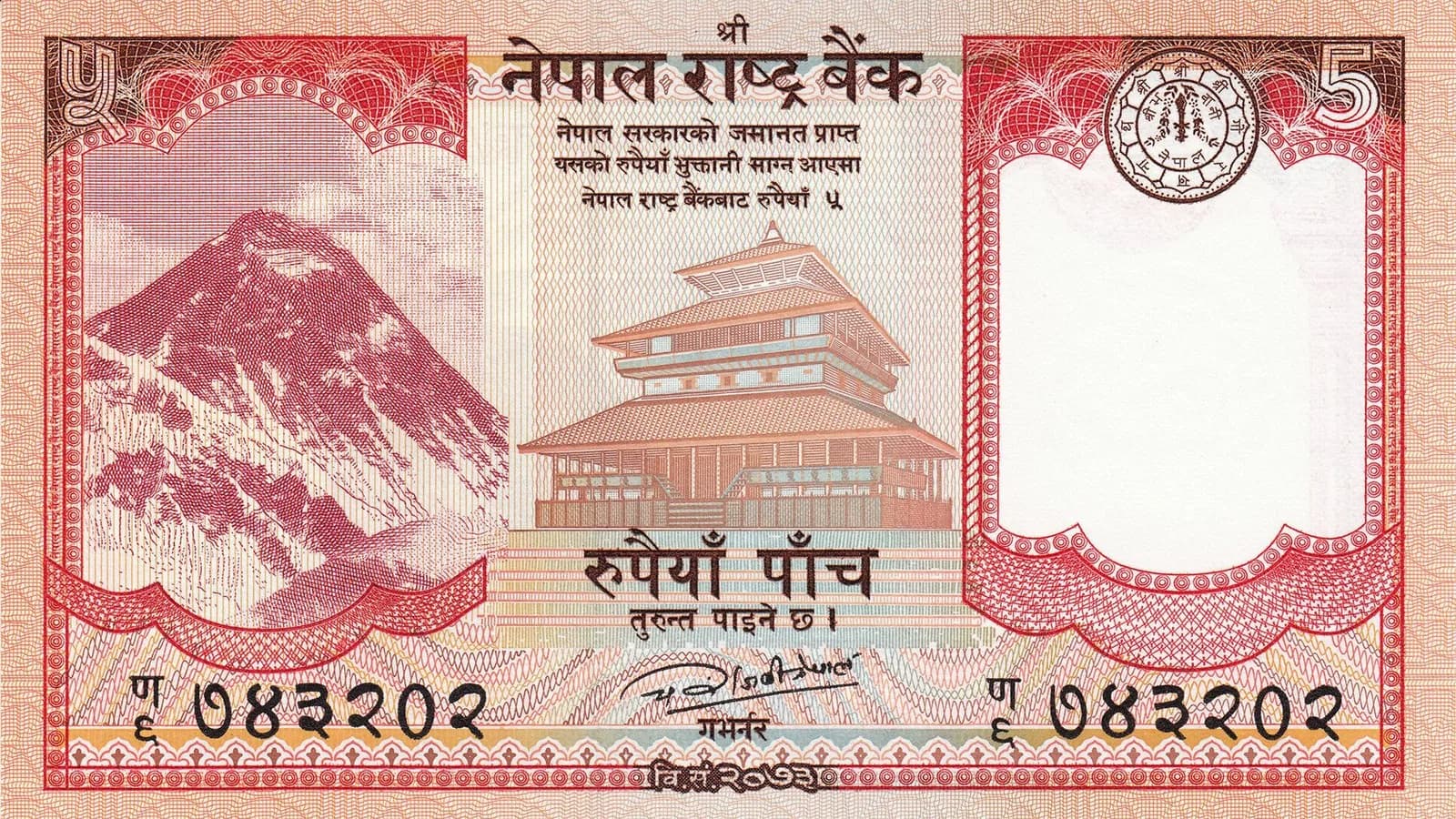
If you are pricing up a stop at Nepal's first ropeway, the Manakamana cable car ticket price depends almost entirely on one thing: your nationality. Like most attractions in the country, Manakamana runs a tiered rate card — one price for Nepali citizens, another for Indian nationals, a third for other SAARC and Chinese visitors, and a higher tourist rate for everyone else. This guide breaks down every published fare for 2026, explains the round-trip versus one-way split, and covers the quirks (yes, including the goat fare) so you arrive at the Kurintar counter knowing roughly what to expect.
For the full experience — what the ride is like, the temple at the top, and how to get there — see our companion guide to the Manakamana cable car. This page focuses squarely on the money.
Key takeaways
- Fares are tiered by nationality: Nepali, Indian, SAARC/Chinese, and other foreigners each pay different rates.
- A foreign-tourist adult pays roughly USD 20 round trip (about USD 12 one way) on the official rate card (as of June 2026).
- A normal Nepali adult pays about NPR 770 round trip (around NPR 450 one way), with discounts for students, children, elderly and differently abled travellers.
- Tickets cover the round trip by default but a cheaper one-way option exists; all tickets are valid for seven days.
- There is a 15 kg free baggage allowance and a separate published goat fare for pilgrims' offerings.
- Rates change without notice — always confirm the current price at the Kurintar ticket counter.
How the pricing works
Manakamana's operator sets prices in two currencies and four nationality bands. Nepali and Indian fares are quoted in Nepalese rupees (NPR); other SAARC nationals, Chinese visitors and other foreign tourists are quoted in US dollars (USD), though you typically settle the bill in rupees at the counter.
Two more things shape what you pay:
- One way vs two way. Almost every fare has both a single-direction price and a round-trip price. The round-trip ticket is the one most travellers buy and the figure usually quoted online.
- Discount categories. Reduced rates for students, the elderly and differently abled travellers are aimed at Nepali nationals and require valid ID. Do not assume a foreign student card will get you a discount.
Carry some cash. As with most counters on the Kathmandu–Pokhara highway, you should not assume card payment will work smoothly — our notes on whether Nepal is cash only explain why a rupee float is always worth having.
Manakamana cable car ticket price by category (2026)
The table below reflects the official operator rate card as of June 2026. Figures are rounded and quoted as one way / two way where both exist. Treat them as a planning guide, not a guarantee.
| Category | One way | Two way (round trip) | |---|---|---| | Nepali adult (normal) | NPR 450 | NPR 770 | | Nepali student (with ID) | NPR 335 | NPR 575 | | Nepali child (approx. 3–4 ft) | NPR 270 | NPR 460 | | Nepali elderly (with ID) | NPR 315 | NPR 540 | | Differently abled (with ID) | NPR 225 | NPR 385 | | Indian adult | NPR 640 | NPR 1,072 | | Indian child | NPR 384 | NPR 640 | | SAARC / Chinese adult | USD 6 | USD 10 | | SAARC / Chinese child | USD 4 | USD 7 | | Foreigner adult | USD 12 | USD 20 | | Foreigner child | USD 7 | USD 12 | | Goat (offering) | NPR 275 | — |
All prices as of June 2026; the operator notes that rates are subject to change without prior notice.
What counts as a "child"?
Manakamana classifies child tickets by height, not age. Very small children — under roughly three feet — generally ride without a ticket. Children between about three and four feet qualify for the discounted child fare. Taller than that and the standard adult rate for your nationality applies. It is an unusual system, so do not be surprised if the counter staff eyeball your kids.
Why there is a goat fare
Manakamana is an active Hindu pilgrimage site, and animal offerings — chiefly goats — are part of its traditions for some devotees. Because of that, the operator runs dedicated freight carriers and publishes a goat fare of around NPR 275 one way (as of June 2026). As a tourist you will not be asked to share a gondola with livestock, but seeing goats loaded for the trip up is part of the Manakamana scene. We cover this sensitively in the main Manakamana cable car guide if you would rather know what to expect before you go.
Proving your rate: ID and discounts
The gap between the Nepali, Indian and foreign fares is significant, so the counter will want to see photo ID to apply anything other than the full foreign-tourist rate.
- Indian nationals should carry a passport, voter ID or Aadhaar card to claim the Indian rupee fare. Without ID you risk being charged the higher foreigner (USD) rate.
- Nepali student, elderly and differently abled discounts require the relevant Nepali ID or card and are not extended to foreign visitors.
- Other SAARC nationals and Chinese visitors should likewise have a passport handy to claim the SAARC/China band rather than the general foreigner rate.
If you are mapping out costs across your wider trip, our overview of how much a trip to Nepal costs puts a cable-car ticket in context against transport, food and permits.
One way or round trip — which to buy?
For almost everyone, the two-way (round-trip) ticket is the right choice: you ride up to the temple, spend an hour or two, and ride back down to the highway. The round-trip fare is what the figures above default to in most travellers' minds.
The one-way ticket is genuinely cheaper and exists for a reason — some pilgrims walk one direction, and a few visitors arrange transport differently. But unless you specifically plan to hike the old pilgrim trail one way, the round trip is simpler and better value for the time saved. Either ticket is valid for seven days from purchase, so there is no pressure to rush your descent on the same clock.
Baggage, timings and other counter details
A few practical points affect what you actually pay and when you can ride:
- Baggage: Each ticket includes a 15 kg free allowance. Excess is charged at about NPR 20 per kilogram (as of June 2026), though most day visitors with a daypack never hit the limit.
- Validity: Tickets last seven days, and sold tickets are non-refundable — if the validity lapses, the fare is lost.
- Operating hours: The cable car generally runs daily from the morning into the late afternoon, with a published midday lunch break, so avoid arriving right on the pause if you are on a tight schedule. Confirm current hours at the counter, especially around festivals.
Because the lower station sits right on the Prithvi Highway at Kurintar, the ticket cost is only part of the budget — your bus or car fare to get there matters too. Our guides to Kathmandu to Pokhara transport and the Kathmandu to Pokhara tourist bus ticket price cover the realistic cost of reaching the cable car as a stop on that route.
Is the ticket worth the price?
Measured purely as a ropeway ride, the foreign-tourist fare of around USD 20 round trip is more than you would pay for a comparable lift elsewhere in South Asia. But Manakamana is not really a theme-park cable car — it is the easy, scenic gateway to one of Nepal's most revered pilgrimage temples, reached in ten swaying minutes above the Trishuli gorge. For travellers already driving the Kathmandu–Pokhara highway, that combination of a short spectacular ride and a living cultural site makes the ticket easy to justify.
If you are budgeting carefully, the maths is simple: a couple of hours, one cable-car fare, and the cost of getting to Kurintar. Set against the alternative of a multi-hour climb on foot, the ticket buys back most of a day — and a memory far better than another roadside dal-bhat stop.
A few Nepali phrases for the counter
Knowing a handful of words smooths the transaction and earns a smile:
- Tikat kati ho? — "How much is the ticket?"
- Ek jana / dui jana — "one person / two people."
- Dui-tarfa milcha? — "Is round trip available?"
- Dhanyabaad — "thank you."
For more everyday Nepali on the road, our roundup of Nepali phrases every trekker should know and the basics in basic Nepali phrases will see you through counters, buses and bazaars across the country.
Sources
- Manakamana Cable Car — official ticket rates (visitmanakamana.com)
- Cable Car — Manakamana (manakamanacablecar.com)
- Manakamana Cable Car Ticket Price 2025 — Nepali, Indian & Foreign Rates (Mountain Flight Nepal)
- Manakamana cable car ticket — booking, price and cost (Hike On Treks)
- Manakamana Cable Car — Wikipedia
Frequently asked questions
- How much is the Manakamana cable car ticket for foreigners?
- On the official operator rate card, a foreign-tourist adult pays around USD 20 for a two-way (round-trip) ticket and about USD 12 one way, with children roughly USD 12 round trip (as of June 2026). Rates can change without notice, so confirm at the Kurintar counter.
- What is the Manakamana cable car price for Nepali citizens?
- A normal Nepali adult fare is about NPR 770 round trip or NPR 450 one way, with discounted rates for students, children, the elderly and differently abled travellers (as of June 2026). Discounts need valid ID and apply to Nepali nationals only.
- What do Indian and other SAARC nationals pay for the cable car?
- Indian adults pay roughly NPR 1,072 round trip and Indian children about NPR 640, while other SAARC and Chinese visitors are charged around USD 10 round trip for adults and USD 7 for children (as of June 2026). Carry photo ID to claim these rates.
- Is the Manakamana cable car ticket one way or round trip?
- The operator sells both. The headline prices most travellers quote are the two-way (round-trip) fares, but a cheaper one-way ticket exists if you only need a single direction. Tickets are valid for seven days from purchase.
- Can I buy Manakamana cable car tickets online or only at the counter?
- Most foreign visitors simply buy at the lower-station ticket counter at Kurintar on the day. Some Nepali agents and payment apps advertise advance booking, but counter purchase is the simplest and most reliable option. Bring cash and do not rely on cards working.
- How much does it cost to carry a goat on the cable car?
- The operator publishes a separate goat fare of around NPR 275 one way (as of June 2026), since many pilgrims bring goats for temple offerings. Freight carriers handle livestock, so tourists are not expected to share a gondola with one.
- Is there a baggage charge on the Manakamana cable car?
- A 15 kg baggage allowance is included free with each ticket. Anything over that limit is charged at about NPR 20 per kilogram (as of June 2026), so most day visitors carrying a small bag pay nothing extra.
- Do children ride the Manakamana cable car for free?
- Very small children under about three feet in height generally travel without a ticket, while children between roughly three and four feet pay the discounted child fare. Above that height the standard adult rate for your nationality applies.
Related posts
Manakamana Cable Car: Tickets, Times & Guide (2026)
A traveller's guide to the Manakamana cable car in Nepal — fares, ride time, the wish-fulfilling temple at the top, how to get there, and what to expect.
Read postAnnapurna Cable Car Pokhara: A Visitor's Guide
The Annapurna Cable Car links Pokhara's Lakeside to Sarangkot in about 10 minutes. Fares, hours, what you see and how it compares.
Read postBackpacking Nepal Cost: What a Trip Adds Up To
Backpacking Nepal cost by trip length and route — daily spend, a budget circuit, two-week and one-month totals, plus visa and trek extras for 2026.
Read post