Expat Life in Nepal: Community, Housing & Healthcare
What expat life in Nepal is really like - the community, neighbourhoods and rents, healthcare options and the everyday rhythms of living in Kathmandu.
Life here moves to a different rhythm - slower mornings, power cuts, festival drums, and a community that adopts you faster than you expect.
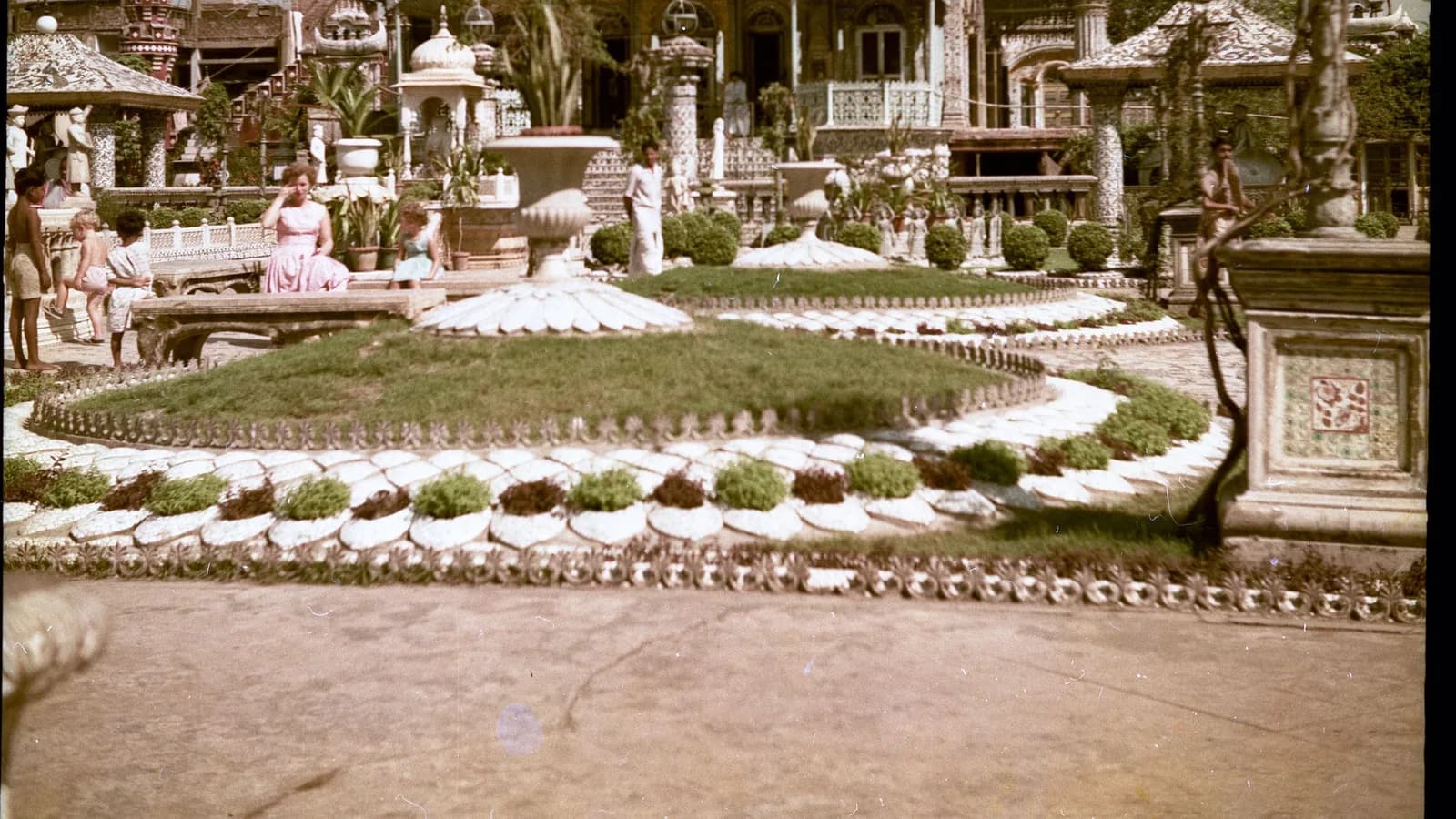
Expat life in Nepal is a study in contrasts: a relaxed, deeply social culture set against patchy infrastructure, Himalayan views from a rooftop where the power has just cut out, and a cost of living that lets many people work less and live more. Whether you arrive as an aid worker, a remote professional, a teacher, a retiree or the spouse of a Nepali citizen, the experience tends to win people over through its community and pace rather than its conveniences. This guide walks through what daily life actually looks like - the people, the neighbourhoods and rents, healthcare, and the small adjustments that make living in Nepal work.
Key takeaways
- Most expats cluster in Kathmandu's diplomatic and aid neighbourhoods or in laid-back Pokhara, and the community is small enough that you meet people quickly.
- A common budget is roughly 1,000 to 1,500 US dollars a month in Kathmandu, with one-bedroom flats often around 200 to 500 dollars depending on area and standard.
- Private hospitals in Kathmandu offer English-speaking doctors and reliable basic care, but serious cases usually mean evacuation abroad, so insurance matters.
- Power cuts, air pollution in winter and bureaucratic visa renewals are the recurring friction points to plan around.
- A little Nepali, patience and an open door go a long way toward feeling at home.
Who lives in Nepal as an expat?
Nepal's foreign community is small but varied. The largest groups have long been development professionals - the country hosts a dense network of international NGOs and UN agencies, with many offices concentrated south of the ring road around Patan and Bhaisepati. Alongside them are diplomats, teachers at international schools, long-term volunteers, researchers, spiritual seekers drawn to the country's Buddhist and Hindu traditions, and a growing number of remote workers and retirees attracted by the low costs and the mountains.
Because the community is compact, social life tends to be tight-knit. Newcomers often find that a single dinner invitation or a yoga class plugs them into a web of contacts within weeks. That intimacy cuts both ways - it is welcoming, but Kathmandu can feel like a small town where everyone knows everyone.
The pull factors
People stay in Nepal for reasons that rarely show up on a spreadsheet: the Himalayas on the doorstep, festivals that fill the streets, genuinely warm hospitality, and a slower rhythm that leaves room for a life outside work. If you are weighing the country up more broadly, our piece on whether Nepal is worth visiting captures much of what keeps people here long after a first trip.
Where expats live: neighbourhoods and housing
In Kathmandu, the expat map is fairly predictable. The northern belt - Lazimpat, Baluwatar, Maharajgunj and Budhanilkantha - has long hosted embassies, established restaurants and leafier streets. The southern side around Patan (Lalitpur), Sanepa, Jhamsikhel and Jawalakhel is the other hub, popular with aid workers and families thanks to its cafes, the famous "Jhamel" dining strip and proximity to international schools. Many prefer the Patan side for its calmer, more residential feel; our Patan and Lalitpur guide is a good orientation.
Pokhara is the other main option - lakeside, quieter, cheaper and stunningly scenic, it suits remote workers and retirees who do not need the capital's bustle.
What you will pay in rent
Rents are modest by Western standards but vary sharply by neighbourhood and finish. In Kathmandu, a one-bedroom apartment in a central area commonly runs around 200 to 500 US dollars a month, while a two-bedroom can sit somewhere between 400 and 800; move away from the prime areas and prices fall well below that. Pokhara is generally cheaper, with comfortable apartments - some with Annapurna views - available for noticeably less.
| Housing type | Typical monthly rent (Kathmandu) | |---|---| | One-bedroom, central | ~$200-$500 | | Two-bedroom, central | ~$400-$800 | | Outside prime areas | from ~$100-$150 |
Furnished places aimed at foreigners cost more, and landlords often expect a deposit plus a few months up front. For a fuller cost picture, see our Nepal travel budget breakdown, much of which scales to longer stays.
The cost of living day to day
Beyond rent, Nepal is inexpensive. A plate of dal bhat at a local eatery costs a couple of dollars, fresh produce from the bazaar is cheap, and domestic help is affordable enough that many households employ a part-time cook or cleaner. Imported goods - cheese, wine, electronics, Western toiletries - are the exception and can cost more than back home because of import duties.
A frequently cited range is roughly 1,000 to 1,500 US dollars a month for a comfortable expat lifestyle in Kathmandu, though frugal long-termers live on much less and families with international school fees spend far more. Eating and shopping locally is the single biggest lever on your budget.
Healthcare: what to expect
Healthcare is the area where expectations need managing most carefully. Public hospitals are overstretched, so foreigners rely almost entirely on private hospitals, which are concentrated in Kathmandu. Well-regarded options include CIWEC (long the go-to for travel medicine and foreigners), Norvic International Hospital, Grande International and HAMS, all staffed by English-speaking doctors and offering round-the-clock emergency care.
For routine illnesses, minor injuries and check-ups, these facilities are generally reliable and inexpensive by international standards. CIWEC, for instance, is used to handling insurance claims and accepts cards.
Insurance and evacuation
The crucial caveat is complex or serious care. For major surgery, intensive care or specialist treatment, the standard plan is medical evacuation to Bangkok, Singapore or New Delhi. That is why nearly every long-term resident carries international health insurance that explicitly includes evacuation cover and, ideally, direct billing at the main Kathmandu hospitals. If you trek or ride a motorbike, confirm those activities are covered. Our guide to travel and trekking insurance with helicopter evacuation explains the evacuation side in detail, and it is just as relevant to residents as to visitors.
Visas and the paperwork rhythm
Living in Nepal long term means staying on top of immigration rules. Most foreigners enter on a tourist visa and then shift to a category that fits their situation - a non-tourist or work visa tied to an employer, a business visa, a marriage visa for spouses of Nepali citizens, or in some cases a residential visa. None of it is especially onerous, but it does involve recurring trips to the Department of Immigration and a tolerance for queues and photocopies. Our companion guide to moving to Nepal covers the visa landscape and the practical setup steps in full, and visa extensions are worth understanding early.
The daily realities: power, pollution and pace
Three things shape everyday life more than newcomers expect.
- Power and water. Grid electricity has improved dramatically, but outages still happen, and many homes rely on inverters, solar or a tank-and-pump for water. Load shedding is far less severe than a decade ago, yet planning around it is still a habit.
- Air quality. Kathmandu's winter air can be genuinely poor; many residents run air purifiers and watch the Kathmandu AQI during the dry months.
- Pace and bureaucracy. Things take longer here. Deliveries, repairs and official processes move on their own timeline, and the residents who thrive are the ones who let go of the clock.
None of these are dealbreakers - they are simply the texture of the place, and most expats come to find a strange affection for them.
Getting around and staying safe
Day-to-day mobility in Kathmandu is easier than it first appears. Ride-hailing apps such as Pathao and InDrive have transformed getting around, letting you summon a taxi or motorbike at a fair, pre-agreed price without haggling; our guides to Pathao and InDrive cover how they work. Many long-term residents also buy a scooter or bicycle, though the traffic takes nerve and the driving rules are loosely observed. For trips beyond the valley, cheap domestic flights and tourist buses connect the major towns.
On safety, Nepal is reassuringly calm. Violent crime against foreigners is rare, and Kathmandu generally feels secure even after dark in the main areas - our overview of Kathmandu safety goes into detail. The realistic concerns are everyday ones: opportunistic theft, chaotic traffic, the winter air, and the ever-present, low background risk of earthquakes, which makes it worth knowing your building and keeping a basic emergency kit. None of this dampens the sense, shared by most residents, that this is one of the friendlier places in the world to be a foreigner.
Building a life and community
What ultimately makes expat life in Nepal stick is the social fabric. Festivals are communal and inclusive - being invited to a neighbour's Dashain or Tihar celebration is a genuine highlight of the calendar. Yoga and meditation circles, hiking groups, language classes and a busy cafe culture make it easy to meet both fellow foreigners and Nepalis.
The single best investment is the language. You can function in English, but even basic Nepali changes how you are received in the bazaar, with your landlord and among neighbours. Start free with our learn Nepali hub and phrasebook, and pick up the everyday essentials like how to say hello in Nepali and the meaning of namaste. A grasp of Nepali etiquette does the rest.
Sources
- Living in Nepal: Cost of Living, Healthcare and What to Know - Expat Exchange
- Cost of Living in Kathmandu - Numbeo
- Healthcare System Information for Expats Living in Nepal - Expat Financial
- Medical Assistance - U.S. Embassy in Nepal
- Best Place To Live in Kathmandu for Expats - Magical Nepal
- List of Schools For Expat's Children in Kathmandu - Magical Nepal
Frequently asked questions
- Is Nepal a good place to live as an expat?
- Many expats find Nepal rewarding for its low cost of living, warm community and stunning surroundings, though you trade some convenience and reliable infrastructure for that lifestyle.
- How much does it cost to live in Nepal each month?
- Estimates vary widely, but many expats budget roughly 1,000 to 1,500 US dollars a month in Kathmandu including rent, food and transport, and Pokhara tends to run cheaper still.
- Where do most expats live in Kathmandu?
- Popular areas include Lazimpat, Baluwatar and Maharajgunj in the north and Patan, Sanepa and Jhamsikhel in the south, the latter clustered near international schools and aid offices.
- What is healthcare like for foreigners in Nepal?
- Private hospitals in Kathmandu such as CIWEC, Norvic and Grande offer English-speaking doctors and decent care, but most expats carry insurance with medical evacuation to Bangkok, Singapore or Delhi for serious cases.
- Do I need to speak Nepali to live in Nepal?
- You can manage in Kathmandu with English, but learning a few Nepali phrases transforms daily life and earns genuine warmth from neighbours and shopkeepers.
- Is Kathmandu safe for expats?
- Kathmandu is generally safe with low violent crime, though petty theft, traffic and seasonal air pollution are the main day-to-day concerns to plan around.
Related posts
Accessible Travel Nepal: Wheelchair & Disability Guide
Accessible travel in Nepal for wheelchair users and travellers with disabilities: what works, what's hard, specialist operators and how to plan a trip.
Read postAsan Bazaar Kathmandu: Old Town Market Guide
A visitor guide to Asan bazaar, Kathmandu's oldest market — its six-road square, Annapurna Temple, what to buy, when to go, and how to get there.
Read postATMs in Nepal: What Changed in 2026 (Fees & Limits)
A 2026 update on ATMs in Nepal — new withdrawal limits, the fee-saving trick most travellers miss, and where machines actually work.
Read post