Is It Safe to Drive in Nepal? Self-Drive Truths 2026
Is it safe to drive in Nepal? An honest 2026 look at self-drive — road conditions, IDP rules, the real risks, and when to hire a driver instead.
You can rent a car and drive yourself in Nepal. Whether you should is a different question — and the honest answer, for most visitors, is no.
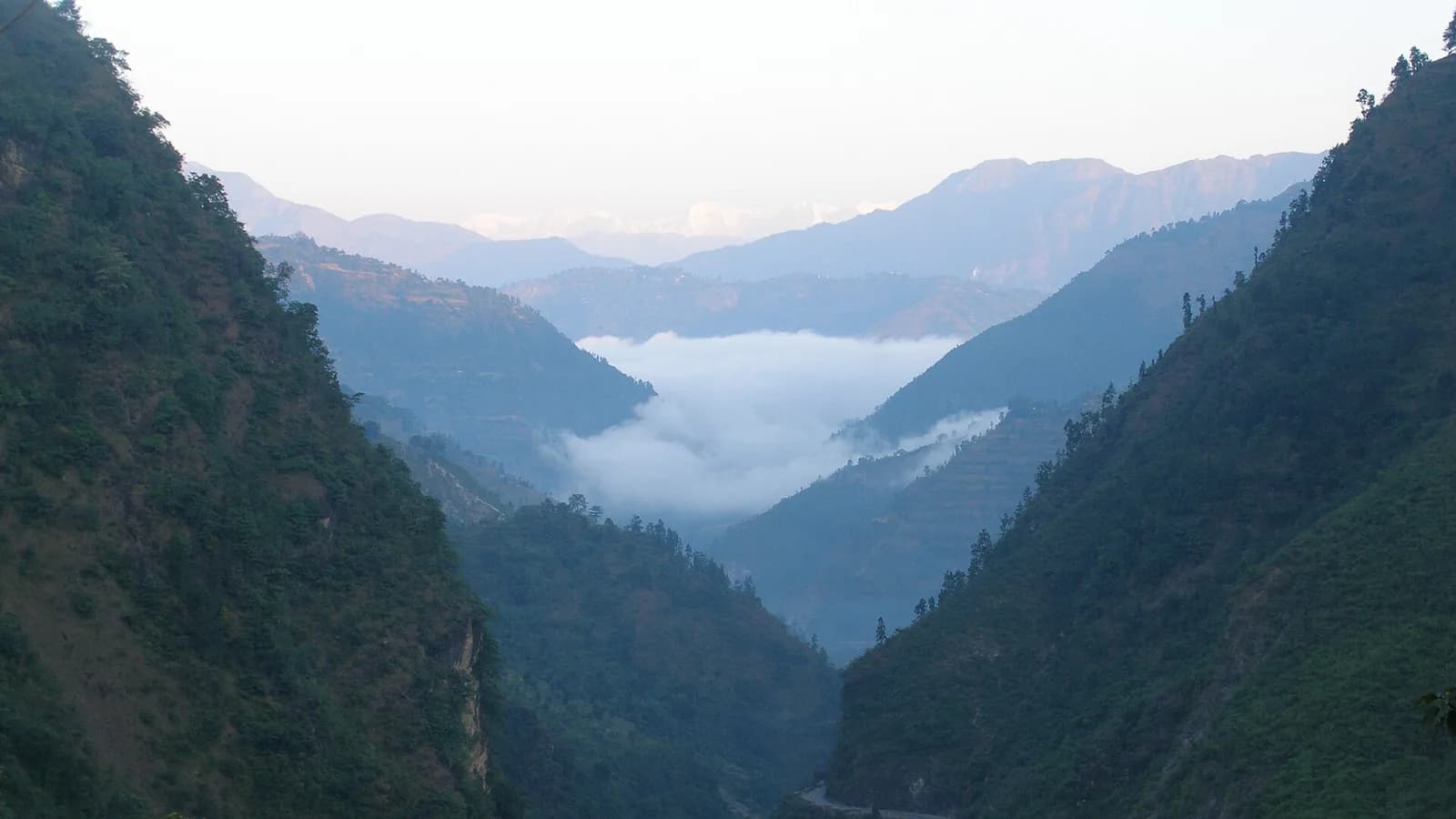
It is one of the most common questions travellers ask before a Nepal road trip: is it safe to drive in Nepal, and should you rent a car and do it yourself? The short, honest answer is that self-driving is legal with the right paperwork but is rarely the right choice for a first-time visitor. Nepal's roads combine narrow mountain highways, unpredictable traffic, monsoon landslides, and a complicated insurance system — and road accidents are a leading cause of death and injury in the country. This guide lays out the real risks, the legal requirements, and the cases where driving yourself can make sense, so you can decide with clear eyes rather than wishful thinking.
The assessments below draw on official travel advice and road-safety reporting (linked at the end). None of this is meant to scare you off Nepal — it is one of the most rewarding countries to travel overland. It is meant to help you choose the right way to do it.
Key takeaways
- Self-driving is legal but not recommended for most visitors; road accidents are a major cause of death and injury in Nepal.
- You need a 1968 International Driving Permit plus your home licence — a home licence alone is not enough, and the older 1949 IDP is no longer accepted.
- Nepal drives on the left, and roads range from paved-but-winding highways to rough, landslide-prone mountain tracks.
- The monsoon (June–September) is the most dangerous season, with flooding and landslides that block roads at short notice.
- For most travellers, hiring a car with a local driver is cheaper, safer, and far less stressful than self-driving.
- If you must self-drive, never drive at night, avoid the monsoon, and start with easy, paved routes.
How safe is driving in Nepal, really?
Let us be direct about the headline risk. Road accidents are one of Nepal's leading causes of death and serious injury, and official travel advisories single out road safety as a primary concern for visitors. Crash fatalities have been rising over recent years, and the main contributing factors are well documented: overloaded vehicles, speeding, mechanical failures, driver negligence, and poor road conditions.
Two things make this worse for a foreign self-driver specifically. First, driving habits differ sharply from what most Western visitors are used to — overtaking on blind curves is routine, lane discipline is loose, and right of way is negotiated by horn and nerve rather than by rule. Second, if you are involved in an accident, the insurance and liability process is complicated and can be intimidating to navigate as a foreigner, sometimes involving on-the-spot disputes. Neither point means the roads are impassable; locals and experienced drivers manage them daily. But they do mean the margin for a newcomer is thin.
The legal side: what you need to drive
If you do decide to drive, the paperwork is non-negotiable. You cannot legally drive in Nepal on your home licence alone. You need a valid International Driving Permit (IDP) carried together with your original home driving licence.
There is an important detail here that catches people out: the type of IDP matters. The UK government, for example, states that you need the 1968 version of the IDP and that the older 1949 permit is no longer accepted, and notes you must obtain it in your home country before you travel rather than buying one locally. The exact requirement can vary by your nationality, so check your own government's guidance, but the safe rule is: get the modern IDP before you leave home, and carry your vehicle registration documents in the car as well.
On the rules of the road themselves, the basics are straightforward even if the conditions are not. Nepal drives on the left (steering wheel on the right), helmets are legally required for motorcycle riders, and seat-belt enforcement is limited but you should always belt up regardless of what the law strictly requires.
What the roads are actually like
"Roads in Nepal" covers an enormous range, and your experience depends heavily on where you go.
Highways
The main highways — like the Prithvi Highway between Kathmandu and Pokhara — are paved, but that word flatters them. They are typically two-lane, winding, and busy, shared with overloaded buses and trucks, and frequently under repair. Long stretches climb and descend through hills with blind corners, and a 200-km journey can take eight hours or more. They are drivable, but demanding and slow.
Rural and mountain roads
Off the main arteries, many roads are unpaved, rough, and steep, with narrow shoulders and sheer drops. In the hills and mountains these can be genuinely challenging even in a sturdy 4WD, and they deteriorate fast in bad weather. This is terrain for experienced local drivers, not for a visitor learning the country from behind the wheel.
The monsoon factor
From roughly June to September, the monsoon transforms the risk profile. Heavy rain triggers landslides and flooding that can damage, block, or wash out roads with little warning, sometimes cutting off towns for days. Official advice during this season is blunt: check the road is open before you travel and be ready to change or cancel plans at short notice. For a fuller picture of the seasons, our Nepal weather by month guide shows exactly when the rains hit.
The safer alternative: hire a car with a driver
Here is the recommendation that applies to the overwhelming majority of visitors: hire a car with a local driver instead of self-driving. In Nepal this is normal, widely available, and more affordable than travellers expect — and it removes nearly every problem listed above.
A local driver knows the roads, reads the traffic, handles the parking and the police checkpoints, and copes with a breakdown or a closed pass without it ruining your day. You sit back, watch the river gorges go by, and arrive with your nerves intact. For city travel specifically, our getting around Kathmandu guide covers taxis and ride-hailing apps, while the Kathmandu taxi fare guide helps you judge what a fair price looks like so you are not overcharged.
How the road-travel options stack up for a typical visitor:
| Option | Relative risk | Stress for a visitor | Best for | |---|---|---|---| | Hired car with driver | Lower | Low | Most travellers, longer routes | | Tourist bus | Lower–moderate | Low | Budget travel between cities | | Local bus | Higher | Moderate | Tight budgets, short hops | | Self-drive car | Higher | High | Experienced drivers, easy routes | | Motorbike / scooter | Higher | High | Confident riders, daylight only |
For longer routes, a hired car and driver is the standard way tourists cross the country — and it is exactly the option compared against buses and flights in our Kathmandu to Pokhara transport breakdown.
What about buses and motorbikes?
If you are not driving yourself, the two other common road options each come with their own safety notes.
Buses
Buses are the backbone of overland travel in Nepal, but not all buses are equal. Tourist buses are meaningfully safer than local ones: reserved seating prevents dangerous overcrowding, they run in daylight, and the drivers know the highways. Local buses are cheap but often overcrowded, poorly maintained, and pushed hard. Bus accidents causing fatalities happen every year, and the consistent official advice is to avoid overloaded buses and night buses entirely. If you take the bus, choose a reputable tourist operator and keep your seat belt on; our Kathmandu to Pokhara tourist bus guide explains what a good service looks like.
Motorbikes and scooters
Renting a motorbike or scooter is popular, especially around Pokhara, and for many it is the freedom highlight of a trip. But the risk is, if anything, higher than in a car, because a rider is so exposed. The same legal requirements apply — correct licence, IDP, and a helmet is mandatory — and motorbike accidents are common. If you ride, stay well within your experience, avoid busy highways and night riding, and treat every blind corner as if a bus is coming the other way, because sometimes it is. Our Nepal motorcycle tour guide covers the guided-tour approach, which is far safer than going it alone.
When does self-driving actually make sense?
Self-driving is not never the answer. It can be reasonable if several of these are true:
- You have genuine experience driving in South Asia or on rough, mountainous, left-hand-traffic roads.
- You are sticking to easier, paved routes rather than remote mountain tracks.
- You are travelling outside the monsoon, in the clear, dry months.
- You have sorted proper paperwork and insurance and understand the liability situation.
- You never plan to drive at night, when the hazards multiply.
Even then, build in extra time, keep distances modest, and treat the first day as a cautious feeling-out of local conditions. For the wider picture of how safe the country is to travel in general — which is reassuring — see our is Nepal safe overview and the official-guidance summary in our Nepal travel advisory post.
A practical safety checklist for any road travel
Whether you drive, hire a driver, or take the bus, these habits cut your risk:
- Avoid night travel on highways — most serious incidents are far likelier after dark.
- Skip the monsoon for long road journeys where you can, or check routes are open first.
- Choose tourist buses over local buses, and never board an overcrowded one.
- Wear a seat belt (or helmet) every time, regardless of local enforcement.
- Leave buffer days before any fixed flight home, since landslides and weather cause delays.
- Carry the right documents — IDP plus home licence — if you are driving at all.
The verdict
So, is it safe to drive in Nepal? You can legally drive yourself with the right permit, and a confident, experienced driver on easy routes outside the monsoon can do it. But for the great majority of visitors, the honest call is that self-driving carries more risk and stress than it is worth, on roads that are unforgiving of a learning curve. Hire a car with a local driver, choose reputable tourist buses, and save your energy for the views — Nepal's overland journeys are spectacular, and they are best enjoyed when someone who knows the road is the one behind the wheel.
Sources
Frequently asked questions
- Is it safe to drive in Nepal as a foreigner?
- Self-driving in Nepal is legal with the right paperwork but is generally not recommended for first-time visitors. Road accidents are a leading cause of death and injury in the country, traffic habits are unpredictable, mountain roads are narrow and winding, and the accident and insurance process is complicated for foreigners. Most travellers are better off hiring a car with a local driver.
- Can tourists legally drive in Nepal?
- Yes, but you need the correct documents. Foreigners cannot legally drive on a home licence alone; you need a valid International Driving Permit carried together with your home driving licence. The UK government, for example, specifies the 1968 version of the IDP and notes the older 1949 permit is no longer accepted. Carry your vehicle registration documents too.
- Which side of the road does Nepal drive on?
- Nepal drives on the left, like the UK, India, and Japan, with the steering wheel on the right. Drivers used to right-hand traffic should factor in an adjustment period, particularly at junctions and roundabouts and when overtaking, where the instinct to look the wrong way first is a real hazard.
- What are the roads like in Nepal?
- They vary enormously. Main highways are paved but often narrow, winding, and busy with buses and trucks, while many rural and mountain roads are rough, unpaved, and prone to landslides. During the monsoon, roughly June to September, flooding and landslides can damage or block roads at short notice. Conditions worsen markedly after dark.
- Should I hire a driver instead of self-driving in Nepal?
- For most visitors, yes. Hiring a car with a local driver costs less than you might expect, removes the stress of unfamiliar roads and driving habits, and means someone else handles navigation, parking, and any roadside problems. It is the standard way tourists get around Nepal by road and is far less risky than self-driving.
- Is it safe to take buses in Nepal?
- Tourist buses are meaningfully safer than local buses, with reserved seats, daylight running, and experienced highway drivers. Local buses are often overcrowded and poorly maintained, and bus accidents causing fatalities happen every year. Official advice is to avoid overloaded buses and night buses entirely, whichever class you choose.
- Is it safe to drive in Nepal during the monsoon?
- The monsoon, roughly June to September, is the riskiest time on Nepali roads. Heavy rain triggers landslides and flooding that can block or wash out highways with little warning, and visibility and traction both drop. If you must travel by road in this season, check that the route is open, avoid night driving, and be ready to change plans at short notice.
- Can I ride a motorbike or scooter in Nepal instead?
- Many travellers do rent motorbikes and scooters, especially around Pokhara and for organised tours, but the same risks apply and arguably more so, since riders are far more exposed. You still need the correct licence and IDP, a helmet is legally required, and motorbike accidents are common. Ride well within your experience and never at night.
Related posts
Buddha Air: A Tourist's Guide to Nepal's Top Airline
A traveller's guide to Buddha Air — routes, ATR fleet, the Everest mountain flight, fares, baggage rules and booking tips for Nepal's largest airline.
Read postDomestic Flights in Nepal: Buddha Air, Yeti & More (2026)
A tourist's guide to domestic flights in Nepal — Buddha Air and Yeti Airlines routes, two-tier fares, baggage rules, Lukla and mountain flights, and booking tips.
Read postinDrive Nepal: A Tourist's Guide to the App (2026)
How inDrive Nepal works for travellers — naming your fare, cities served, payment, insurance, safety, and how it compares to Pathao and Yango.
Read post