Drone Rules Nepal 2026: Permits & Restricted Zones
Drone rules in Nepal explained: CAAN registration, permits, the 120m altitude limit, no-fly zones, fines and how tourists apply. Verify before you fly.
A drone can capture Nepal like nothing else - but only with the right paperwork stamped before you take off.
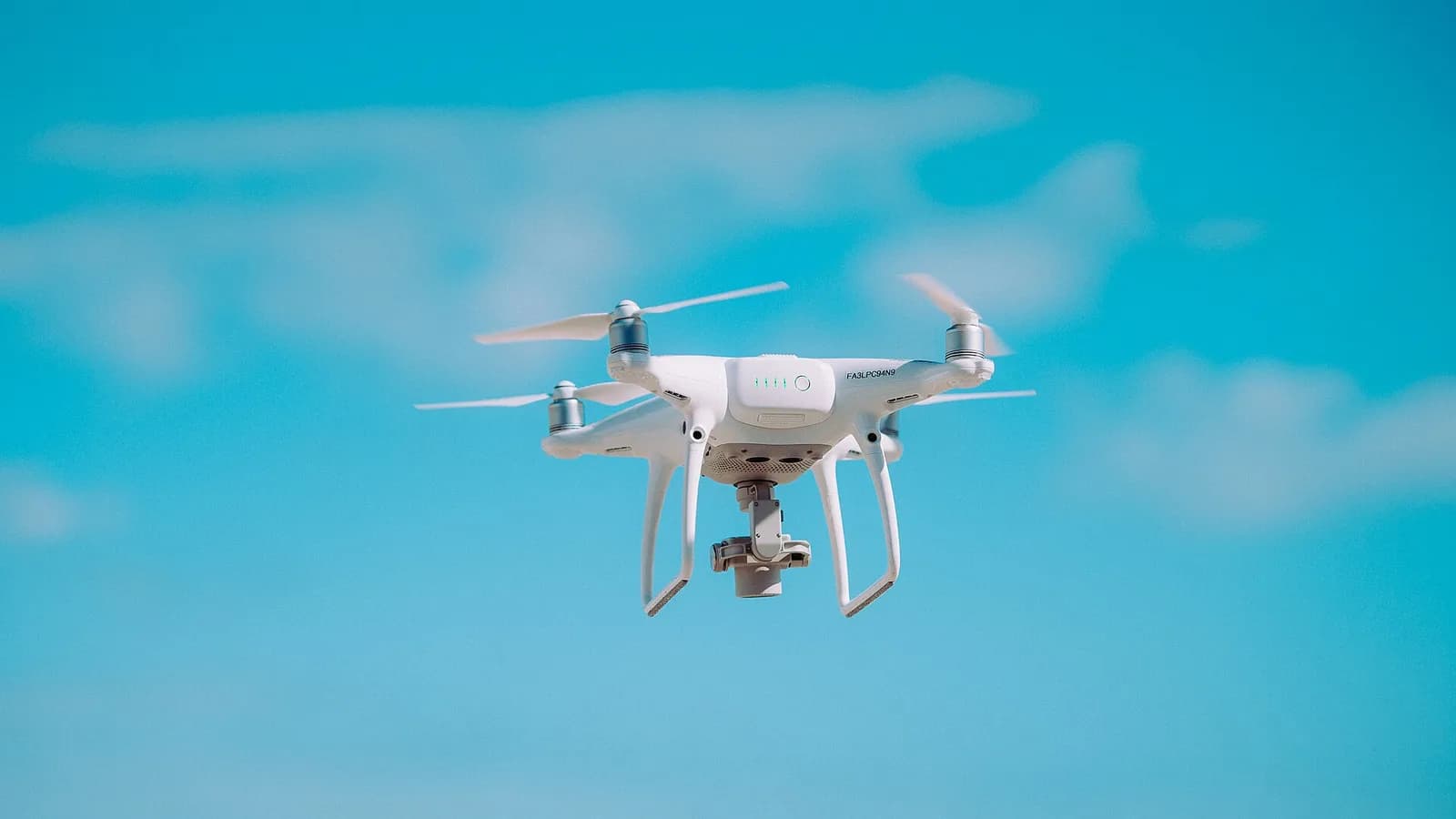
Nepal is one of the most photogenic countries on earth, and it is no surprise that travellers want to capture its valleys, ridgelines and temples from the air. But before you launch, understand this: drone rules in Nepal are strict, multi-layered, and taken seriously. Flying without the right paperwork can mean an instant confiscation, a fine, or worse for a foreign visitor. This guide walks through registration, permits, the all-important no-fly zones, and how tourists apply - with a clear warning that these rules change often and must be verified with the authorities before you travel.
Key takeaways
- Drones must be registered with the Civil Aviation Authority of Nepal (CAAN); heavier or sensitive flights also need Department of Tourism and Ministry of Home Affairs clearance.
- The legal ceiling is 120 metres (about 394 feet) above ground level.
- No-fly zones include airports, borders, military sites, VVIP residences and UNESCO heritage sites.
- Penalties range from confiscation and fines to arrest or deportation for unauthorised flights.
- Apply 2-3 weeks ahead, and always re-check the current rules - this is a fast-moving area of regulation.
A fast-changing rulebook: verify before you fly
The single most important point comes first. Nepal's drone regime has tightened considerably in recent years, and the detail - fees, forms, which ministry signs off on what - is revised periodically. Different tour operators and blogs quote slightly different figures because the rules genuinely shift.
So treat everything below as a working framework, not gospel. Before any trip involving a drone, confirm the latest requirements directly with CAAN (and, if relevant, the Department of Tourism and your national park authority). Build in plenty of lead time, because approvals can take weeks. Turning up at Kathmandu airport with an unregistered drone and hoping for the best is how people lose their equipment at customs.
Drone categories and registration
Nepal classifies drones by weight, and the category determines how much approval you need. The commonly cited bands are:
| Category | Weight | General expectation | | --- | --- | --- | | A | Up to 250g | Lightest rules, but still register and respect no-fly zones | | B | 250g to 2kg | Registration plus permit for most real use | | C | 2kg to 25kg | Full permits and multi-ministry clearance | | D | Over 25kg | Specialist approval; effectively commercial/industrial |
In practice, even sub-250g drones are not a loophole: you are still expected to register and to obey altitude and no-fly restrictions. For the popular travel drones most visitors carry (typically in the 250g-2kg range), plan on a CAAN registration plus a flight permit. Drones over 2kg, or flights above 400 feet, generally require prior approval from the Department of Tourism, the Ministry of Home Affairs and CAAN together.
How tourists apply for a permit
Foreign nationals follow the same core process as locals, routed through CAAN. The realistic workflow looks like this:
- Start early. Begin the process 2-3 weeks before your intended flights - longer if your route touches sensitive or border areas.
- Gather documents. You will typically need a completed application form, a passport copy, photos and full specifications of the drone (model, serial number, manufacturer, weight in grams, battery, camera, maximum altitude capability), and proof of ownership.
- Submit a flight plan. Provide GPS coordinates of each location you intend to fly, your planned heights (not exceeding 120m), and the dates and times of operation.
- Allow for security clearance. For commercial work, border zones or large projects, CAAN forwards your application to the Ministry of Home Affairs for security clearance, which can add 5-15 working days. You usually do not apply to that ministry separately.
- Carry your approvals. Keep the stamped permits with you whenever you fly, and be ready to show them.
Fees depend on weight and purpose and change over time, so ask CAAN for current rates rather than relying on an old blog figure.
No-fly zones you must respect
This is where casual flyers get into the most trouble. Several categories of airspace and ground are simply off-limits, regardless of any general permit:
- Airports: no flying within roughly 5km of an airport. That single rule rules out much of central Kathmandu, given Tribhuvan International Airport.
- Borders and military sites: keep well clear of international borders and any military installation.
- VVIP residences: typically within about 1km of the President's or Prime Minister's residences.
- Heritage and religious sites: UNESCO World Heritage sites such as Pashupatinath, Boudhanath, Swayambhunath and the Durbar Squares are off-limits without special permission.
- Crowds and private property: avoid flying over gatherings, festivals or people's homes without consent.
Because so much of the Kathmandu Valley falls under one restriction or another, do not assume you can casually launch over a temple or rooftop. If your dream shot is an iconic monument, you will likely need a dedicated, separately approved permit - and many such requests are simply declined.
Flying in national parks and trekking areas
Some of Nepal's most tempting drone scenery sits inside protected areas, and these carry an extra layer of control. National parks and conservation areas - including Sagarmatha National Park on the Everest trail and the Annapurna Conservation Area - require written approval from both CAAN and the Department of National Parks and Wildlife Conservation before any flight.
That means a drone on the Everest Base Camp trek or around Annapurna Base Camp is not a spur-of-the-moment decision; it needs the relevant park clearance secured in advance. The same caution applies in wildlife-rich lowland parks like Chitwan, where drones can disturb animals and are tightly restricted. For the broader picture of where you are travelling, see our overview of Nepal's national parks.
Some restricted trekking regions - for example Upper Mustang - sit near sensitive borders and carry their own permit systems on top of drone rules, making unauthorised flying especially risky.
Operating rules in the air
Even with permits in hand, day-to-day flying has its own conditions:
- Daylight only: flights are prohibited between midnight and sunrise; in practice, fly only in good daylight.
- Visibility: maintain clear visibility, commonly cited as more than 5km.
- Line of sight: keep the drone within visual line of sight and at a safe distance from people, vehicles and buildings.
- Altitude: never exceed 120 metres above ground level without specific higher-altitude approval.
These are the kinds of conditions that make a permitted flight legal; ignoring them can void your approval and expose you to penalties.
Penalties for getting it wrong
Nepal enforces its drone rules, and the consequences are not trivial. Reported penalties for flying without a permit include immediate confiscation of the drone and fines in the range of NPR 2,000 to 50,000 (roughly USD 40-400). More seriously, unauthorised flights in restricted or sensitive zones can lead to arrest, legal proceedings or deportation for foreign visitors.
The practical risk often shows up at the airport on arrival, where an undeclared drone can be held by customs. Declaring your equipment and carrying your CAAN paperwork is far smoother than trying to slip a drone through unnoticed.
A quick planning checklist
- Decide if you really need it. Many travellers find the hassle outweighs the footage, especially for a short trip.
- Register with CAAN early and secure any required Department of Tourism and Ministry of Home Affairs clearances.
- Map your no-fly zones - airports, borders, military, VVIP residences and heritage sites.
- Get park approval in writing for any protected area or trek.
- Verify current rules and fees with the authorities right before you travel.
- Stay alert to scams around fixers offering shortcuts; see our guide to Nepal tourist scams.
Flown legally, a drone can give you images of Nepal that nothing else can match - the kind that elevate a photography tour. The key is to treat the paperwork as part of the adventure, start it early, and confirm every detail with CAAN before your first take-off.
Sources
- Drone Laws in Nepal: Usage Rules, Permits & Penalties - Common Law Associates
- Nepal Drone Laws 2025 - Complete Guide for Tourists - Adventure Bound Nepal
- Flying Drones in Nepal: Complete Permit & Registration Guide - The Longest Way Home
- Nepal Drone Laws - Drone Laws (UAV Coach)
- Drone Permit in Nepal: CAAN Rules, Costs & Restricted Areas - Nepal Vision Treks
- Civil Aviation Authority of Nepal (CAAN)
Frequently asked questions
- Do I need a permit to fly a drone in Nepal?
- Yes, for almost all meaningful flying. Drones must be registered with CAAN, and heavier drones or flights in sensitive areas also need clearance from the Department of Tourism and the Ministry of Home Affairs. Always apply well in advance.
- What is the maximum legal altitude for a drone in Nepal?
- The maximum altitude is 120 metres (about 394 feet) above ground level. Flying higher requires special prior approval and is generally restricted to permitted commercial or surveying operations.
- Where are drones banned in Nepal?
- No-fly zones include within roughly 5km of airports, international borders and military sites, near the President's and Prime Minister's residences, and over UNESCO heritage sites like Pashupatinath, Boudhanath, Swayambhunath and the Durbar Squares.
- How much does a drone permit cost in Nepal?
- Fees vary by drone weight and purpose and change over time, so confirm current rates with CAAN. Beyond official fees, allow time and possible agency costs for multi-ministry clearances on heavier or commercial flights.
- What happens if I fly a drone illegally in Nepal?
- Penalties include on-the-spot confiscation of the drone and fines reported in the range of NPR 2,000 to 50,000, and unauthorised flights in restricted zones can lead to arrest, legal action or deportation for foreigners.
- Can I fly a drone on the Everest or Annapurna trek?
- Only with the correct permits, including written approval from CAAN and the national park or conservation area authority. Sagarmatha and Annapurna are protected areas, so flying there without that clearance is prohibited.
Related posts
Can I Fly a Drone in Nepal? The Short Answer
Can I fly a drone in Nepal? Yes, but only with a CAAN permit, under 120m, and away from airports and heritage sites. Here is the quick, honest answer.
Read postAnnapurna Trek Package: How to Choose One in 2026
A practical guide to picking an Annapurna trek package in 2026 — durations, what is included and excluded, permits, the guide rule, and how to compare quotes.
Read postCustomized Trekking Tours Annapurna: Plan It Right
How to plan customized trekking tours in the Annapurna region — routes, permits, the guide rule, seasons and what makes a private itinerary worth it.
Read post