Jungle Safari Chitwan: Jeep, Canoe & Walk Guide 2026
A practical jungle safari Chitwan guide — jeep vs canoe vs walking safaris, realistic wildlife odds, costs, and a sample 2-day plan for 2026.
The jeep covers ground, the canoe gets you eye-level with crocodiles, and the walk slows the jungle down — a good Chitwan trip uses all three.
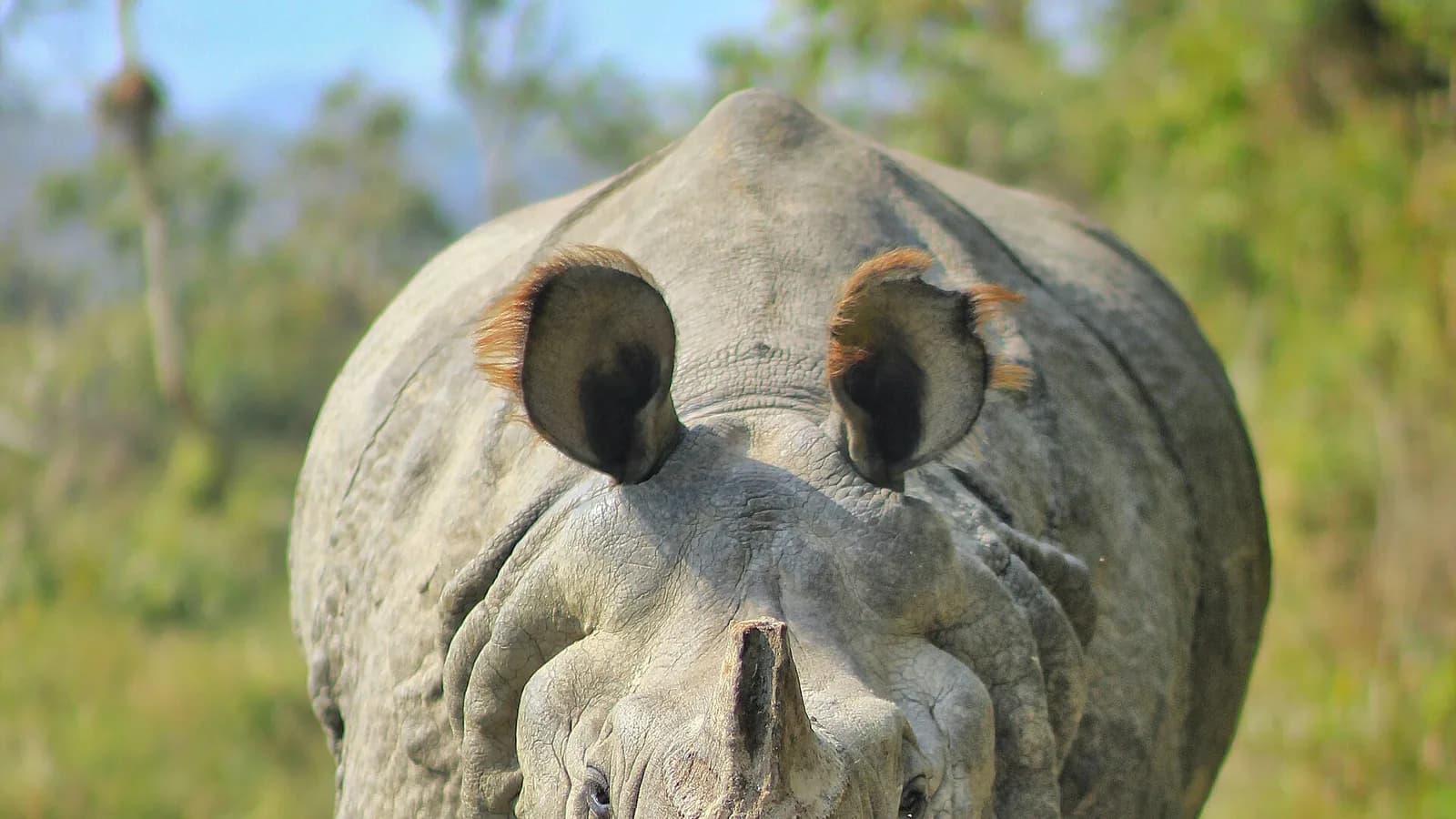
A jungle safari in Chitwan is the closest most travellers in Nepal get to swapping snow peaks for tall elephant grass, gharial crocodiles, and the chance of a wild rhino crossing the trail ahead. Chitwan National Park, in Nepal's southern Terai lowlands, is the country's first national park and a UNESCO World Heritage Site, and it is built for exactly this kind of wildlife trip. This guide is a hands-on companion to our fuller Chitwan National Park safari overview: instead of repeating the conservation backstory, it focuses on the safaris themselves — what each one is like, what you realistically see, and how to stitch them into a tight two-day plan.
Key takeaways
- A Chitwan jungle safari is a bundle of activities — jeep drive, dugout canoe, guided walk, and elephant breeding centre — not a single ride.
- The jeep safari is your best all-round bet for covering ground and seeing rhinos; the canoe gets you low and close to crocodiles and water birds; the walk is for detail and birdlife.
- Rhino sightings are common in the dry season; tigers are genuinely rare — go in hoping to be surprised, not expecting it.
- The park entry permit is NPR 2,000 per foreign visitor per day (NPR 1,000 SAARC, NPR 150 Nepali, under-10 free) as of June 2026, and it is single-day, so multi-day safaris need a permit per day.
- Most operators have moved away from elephant-back rides; choose jeep, canoe, and walking safaris and visit the breeding centre instead.
- Base yourself in Sauraha, give it two nights, and aim for October to March for the easiest conditions.
What "jungle safari" means in Chitwan
In Chitwan, "jungle safari" is shorthand for a package of separate activities rather than one event. A typical two-day program threads together an open-jeep drive into the core forest, a slow dugout-canoe float on the Rapti River, a guided walk, a stop at the elephant breeding centre, and often a Tharu cultural show in the evening. You buy a daily park permit to enter the protected area, and each activity is arranged and priced on top of that.
The park sits in the Terai, the flat, hot, fertile belt along Nepal's southern border — a completely different world from the trekking trails further north. It protects roughly 953 square kilometres of grassland, riverine forest, and sal woodland, and it is one of the best places in Asia to see the greater one-horned rhinoceros in the wild. For how to actually get down here from the capital, see our guides to Kathmandu to Chitwan and the final hop into Sauraha.
The four core safari activities
Jeep safari
The jeep safari is the headline activity and the single most efficient way to see wildlife. You ride in an open 4WD with a driver and a licensed naturalist, covering far more of the park than you could on foot. The elevated, open-sided seating gives you a wide field of view over the grassland, which is exactly where rhinos, spotted deer, and sambar tend to be. A half-day drive is the norm; some operators run longer full-day trips deeper into the core zone.
This is the safari to prioritise if you only have time for one. It maximises ground covered and gives you the best odds on the large, set-piece animals.
Canoe trip on the Rapti
The dugout-canoe float is short — commonly around 45 minutes — but it is a completely different vantage point. Sitting low on the Rapti River, you drift quietly past basking crocodiles, including the slender-snouted, critically endangered gharial and the bulkier marsh mugger, plus a steady parade of water birds along the banks. It is calm, photogenic, and a gentle counterpoint to the bumpier jeep ride. Many programs pair the canoe with a jungle walk on the far bank so the two flow together.
Guided jungle walk
A guided walk is the slow, immersive option: two to three hours on foot with a naturalist who reads tracks, points out birds, and shows you the small stuff a jeep blows straight past. It is the best activity for birdwatchers and anyone who wants the jungle to feel close rather than framed by a vehicle. Because you are on the ground in big-animal country, you go in a small group with trained guides and follow their safety briefing closely — keeping quiet, staying together, and doing exactly what they say if a rhino is nearby.
Elephant breeding centre
The government elephant breeding centre near Sauraha is the ethical alternative to an elephant ride. You can watch elephants of different ages — including young calves — and learn how the centre supports conservation of the species. It is a short, easy visit that fits neatly into a morning or afternoon alongside the other activities.
Activities at a glance
| Activity | Typical length | Best for | Pace | | --- | --- | --- | --- | | Jeep safari | Half to full day | Rhinos, deer, covering ground | Active, bumpy | | Canoe (Rapti) | ~45 minutes | Crocodiles, water birds | Calm, low to water | | Jungle walk | 2-3 hours | Birds, tracks, small wildlife | Slow, on foot | | Breeding centre | ~1 hour | Seeing elephants ethically | Easy stroll |
What you'll realistically see
Chitwan is one of the easier places in Asia to see a wild rhino, especially in the dry season when animals concentrate around shrinking water. Expect a good chance of rhinos, spotted and sambar deer, wild boar, monkeys, and — on the river — gharial and mugger crocodiles. The park is also a serious birding destination, with hundreds of recorded species, so even a quiet wildlife day is rarely a dull one. Our Nepal birdwatching guide covers where this fits into the wider country.
The flagship cat is a different story. Chitwan holds a nationally important Bengal tiger population, but tigers are secretive and rarely seen, and most visitors leave without a glimpse — that is normal, not bad luck. If a tiger is genuinely your goal, read our dedicated piece on the Bengal tiger in Chitwan and consider that Bardia National Park in the far west is quieter and often rated stronger for tiger odds. For the species you are most likely to actually photograph, our one-horned rhino guide is the place to start.
A realistic expectation:
| Wildlife | Likelihood on a 2-day safari | | --- | --- | | One-horned rhino | High in dry season | | Deer, boar, monkeys | High | | Crocodiles (gharial / mugger) | High on the canoe | | Birds | Very high, year-round | | Bengal tiger | Low — treat as a bonus | | Sloth bear, wild elephant | Occasional |
Costs and permits
The park entry permit is the one fixed, official cost, set by the national park authority and the Nepal Tourism Board.
| Visitor type | Park entry fee per day | | --- | --- | | Foreign visitor | NPR 2,000 | | SAARC national | NPR 1,000 | | Nepali citizen | NPR 150 | | Child under 10 | Free |
Fees are as of June 2026 and subject to VAT. The permit is single-day, so a two-day jungle safari needs two permits. On top of that you pay separately for each activity — jeep, canoe, walk, guide, and any cultural show — and these vary by operator, season, and group size, so ask for a clear, itemised quote and confirm whether the park fee is already bundled in. In practice most travellers let their Sauraha hotel or a licensed operator arrange both the permit and the activities as a package.
A sensible two-day plan
Two nights in Sauraha, with the full day in between, lets you do the lot without rushing.
- Day 1 (afternoon): Arrive in Sauraha, settle in, and walk down to the Rapti riverbank for sunset — rhinos sometimes graze across the water as the sun drops behind the Churia hills.
- Day 2 (morning): Buy the day's park permit and head out on the jeep safari into the core forest, your best shot at rhinos and deer.
- Day 2 (afternoon): Canoe float on the Rapti for crocodiles and birds, flowing into a guided jungle walk, then the elephant breeding centre.
- Day 2 (evening): A Tharu cultural show — stick and fire dances from the community that has lived alongside this forest for generations.
- Day 3 (morning): An optional dawn walk or birding session before you travel on.
If you only have one night, pick the jeep safari plus either the canoe or the walk, and skip the rest.
Practical tips for a good safari
- Go in the dry season. October to March brings comfortable temperatures and easier wildlife viewing; April and May are hotter but can improve tiger odds; June to September means mud, leeches, and thick cover.
- Book a licensed naturalist. Trained guides find more, keep you safe around big animals, and put your money into the regulated side of the industry.
- Wear neutral, muted clothing — greens and browns — for walks and canoe trips, and bring sun protection for the open jeep.
- Bring binoculars. They transform the canoe and the walk, where much of the interest is birds and distant crocodiles.
- Skip the elephant ride. Visit the breeding centre instead and spend your time on jeep, canoe, and foot.
- Carry some cash. Permits and small operators are easier to settle locally; see our note on getting cash in Nepal before you leave the cities.
How Chitwan fits a Nepal trip
Chitwan slots in beautifully between the two big tourist hubs — it is a common stop on the overland run between Kathmandu and Pokhara, and a couple of jungle days make a natural change of gear from temples and mountains. If you are sketching out a route, our 10-day Nepal itinerary shows where a Chitwan safari sits alongside the Kathmandu Valley and the Annapurna foothills, and our broader Chitwan National Park safari overview covers the conservation story and the buffer-zone model that the park ticket helps fund.
Sources
Frequently asked questions
- What does a jungle safari in Chitwan actually involve?
- It is a mix of activities rather than one event — typically an open jeep drive into the core forest, a dugout-canoe float on the Rapti River, a guided jungle walk, and a visit to the elephant breeding centre, usually spread over two days from a base in Sauraha.
- Which is better in Chitwan, a jeep safari or a walking safari?
- They do different jobs — a jeep covers far more ground and is the best single way to see rhinos and deer, while a guided walk is slower and quieter and lets a naturalist show you tracks, birds, and smaller life you would drive straight past.
- Will I actually see a rhino or a tiger on a Chitwan safari?
- Rhino sightings are common, especially in the dry season when animals gather near water, but tigers are rarely seen and most visitors never spot one, so treat any tiger sighting as a lucky bonus rather than the plan.
- How much does the Chitwan park entry permit cost?
- The national park entry fee is NPR 2,000 per day for foreign visitors, NPR 1,000 for SAARC nationals, and NPR 150 for Nepali citizens, with under-tens free (as of June 2026), and it is a single-day permit so a two-day safari needs two permits.
- Should I ride an elephant in Chitwan?
- Most responsible operators and welfare groups now steer travellers away from elephant-back rides over training and welfare concerns; a better option is to visit the elephant breeding centre and put your safari time into jeep, canoe, and walking trips instead.
- How many days do I need in Chitwan for a jungle safari?
- Two nights and the full day in between is the sweet spot — it lets you fit a jeep drive, a canoe float, a jungle walk, and the breeding centre without rushing, while a single night usually means choosing only one or two activities.
- When is the best time for a jungle safari in Chitwan?
- October to March gives the most comfortable weather and easier wildlife viewing as animals gather at shrinking water sources, while the hot pre-monsoon months of April and May raise tiger odds slightly but bring fierce heat.
- Do I need to book the safari in advance or can I arrange it in Sauraha?
- You can arrange everything on arrival in Sauraha through your hotel or a licensed operator, though booking a day or two ahead in the busy autumn and spring seasons makes it easier to lock in a licensed naturalist and a morning jeep slot.
Related posts
Chitwan National Park Safari: Fees, Ethics & Why It Matters
A Chitwan National Park safari is Nepal's great conservation story — official 2026 park fees, the buffer-zone model, and how to visit responsibly.
Read postRhino Safari in Nepal: Chitwan Jeep, Canoe & Walk Guide
A rhino safari in Nepal means Chitwan. How jeep, canoe, and walking safaris work, what they cost, the best season, and realistic sighting odds in 2026.
Read postBengal Tiger in Chitwan: Tiger Safari Nepal Guide 2026
Chitwan holds 128 of Nepal's 355 Bengal tigers. Honest odds, best season, and how to plan a tiger safari in Nepal — plus why Bardia rivals it.
Read post