Apa Sherpa: The Super Sherpa Who Climbed Everest 21 Times
Who is Apa Sherpa? The story of the Super Sherpa who summited Everest 21 times, then turned to education and climate work from his home village of Thame.
He stood on the roof of the world 21 times — then spent the rest of his life trying to make sure no Sherpa child has to.
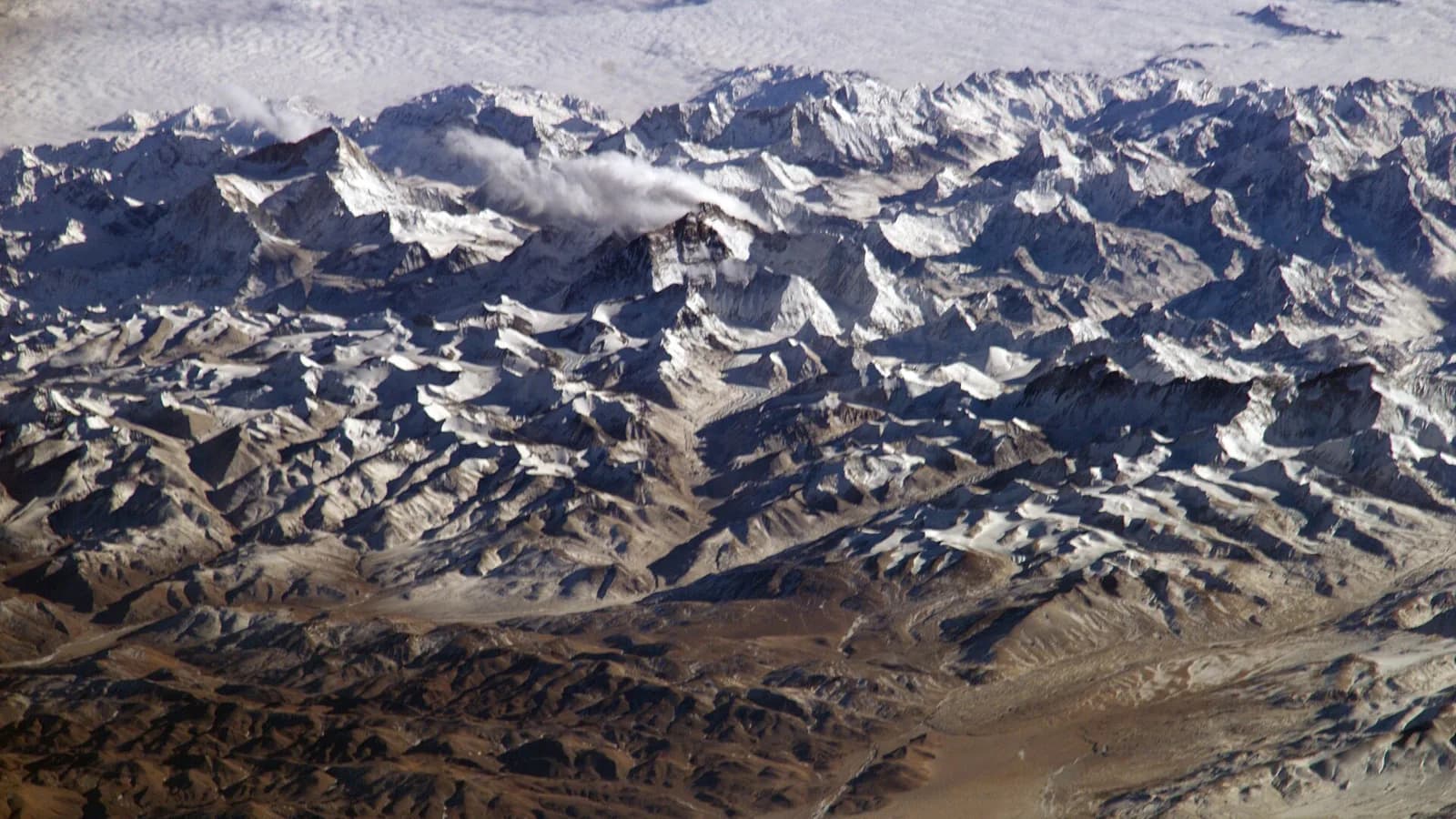
Few names in Himalayan climbing carry the weight of Apa Sherpa. Known around the world as the "Super Sherpa," he reached the summit of Mount Everest 21 times — for years the most of any human being — before quietly stepping away from the mountain to fight a different battle: getting Nepali children into school and warning the world about a warming Himalaya. This is the story of who Apa Sherpa is, how a poor herdsman's son from the village of Thame became a record-breaker, and why his most lasting legacy may have nothing to do with reaching the top.
Key takeaways
- Apa Sherpa summited Mount Everest 21 times, holding the world record for most ascents until it was tied in the 2010s and broken in 2018.
- He was born around 1960 in Thame (Thami), a small village in the Khumbu valley, into a very poor herding family.
- His first summit came on 10 May 1990; his record-setting 21st was in May 2011, and he retired from expedition climbing in 2012.
- He co-founded the Apa Sherpa Foundation to fund education in Nepal so children are not forced into dangerous portering work.
- He became a leading voice on climate change, joining Eco Everest clean-up expeditions and carrying a "Stop Climate Change" banner to the top.
Who is Apa Sherpa?
Apa Sherpa is a Nepali mountaineer and guide best known for setting the record for the most ascents of Mount Everest. The climbing world gave him several nicknames over the years — the Super Sherpa, the "Michael Jordan of Everest," and the "Tiger of the Himalayas" — but the numbers speak plainly enough on their own: 21 summits of the world's highest peak.
He belongs to the Sherpa people, the Tibetan-descended community of the high Himalaya whose name has become almost synonymous with high-altitude climbing. If you want the wider context on who they are and why they are so central to Himalayan mountaineering, see our guides to the Sherpa people and who the Sherpas are.
What sets Apa apart is not only the record but what he did afterward. Rather than chase ever-higher numbers, he turned his fame toward education and the environment — a choice that defines his story as much as any summit.
From Thame: a herdsman's son
Apa was born around 1960 in Thame (also spelled Thami), a small village in the Khumbu region of the Solukhumbu district, in far north-east Nepal and west of Everest itself. Thame is remarkable: this tiny settlement has produced a striking number of elite Sherpa climbers over the decades.
His family was extremely poor. His father, a herdsman, died when Apa was about 12, and as the eldest child Apa left school to help support the family. Like many young men in the Khumbu, he began carrying loads for trekking and climbing parties — work that is physically punishing and, on the high peaks, genuinely dangerous. He started in the mid-1980s as a porter and kitchen helper, and it would be several years before he was given the chance to climb to a summit himself.
That childhood — the lost father, the abandoned schooling, the early years hauling other people's gear — is the key to understanding everything Apa did later. He has spoken openly about not wanting Nepali children to face the same narrow set of choices he did.
The Khumbu, then and now
The Khumbu valley is the gateway to Everest and one of the most famous trekking regions on earth, threaded with Sherpa villages, monasteries and teahouses. Travellers pass through this same landscape on the classic Everest Base Camp trek and the high-altitude Gokyo Lakes trek. For Apa, it was simply home — and the launching point for a climbing career that would make headlines worldwide.
The road to 21 summits
Apa first reached the summit of Mount Everest on 10 May 1990, on what was reportedly his fourth attempt. He climbed with a New Zealand team that included guide Rob Hall and Peter Hillary, son of Sir Edmund Hillary, the New Zealander who with Tenzing Norgay made the first ascent in 1953.
From there, Apa embarked on an almost unbroken run of annual ascents that stretched across more than two decades — including two summits in a single year (1992). By 2000, his 11th trip to the top broke the existing record for the most Everest summits, and from then on he reset the record with nearly every climb. He completed his 21st and final summit in May 2011, and announced his retirement from high-altitude climbing in 2012.
| Milestone | When | Note | |---|---|---| | First Everest summit | 10 May 1990 | With a New Zealand team incl. Peter Hillary | | Broke the summit record | 2000 | His 11th ascent | | Final, record summit | May 2011 | His 21st ascent | | Retired from expeditions | 2012 | Shifted focus to charity and climate work |
Does he still hold the record?
No — and Apa has always seemed comfortable with that. His record of 21 was tied by Phurba Tashi Sherpa in 2013 and by Kami Rita Sherpa in 2017. Kami Rita then broke it in 2018 and has continued to extend it well beyond 21 in the years since, becoming the new standard-bearer for Everest summits. Records on Everest are made to be broken; what Apa built off the mountain has proved more durable. For broader context on these feats, see our look at the Everest summit success rate and the youngest and oldest people to climb Everest.
A second mission: education
In around 2009 to 2010, Apa helped found the Apa Sherpa Foundation, a charity dedicated to improving education and economic opportunity for children in Nepal. He set it up with the help of a friend, Jerry Mika, after he and his family had moved to the United States in the mid-2000s so his own children could attend school — the very opportunity Apa himself had been denied.
The foundation's logic flows directly from his own life. Apa has argued that without an education, many Nepali children have little choice but to become porters and risk their lives on the high mountains. The work begins in Thame, his home village, and aims to expand outward — supporting schools, meals and teacher salaries so that children in the Khumbu have a path that does not run through the Khumbu Icefall.
| Focus area | What it means | |---|---| | Education | Schools, teachers and learning resources in the Khumbu, starting in Thame | | Economic opportunity | Helping families so children are not pushed into hazardous portering | | Local empowerment | Investing where people live rather than relocating them |
If you are curious about the wider Sherpa world the foundation serves, our pieces on Sherpa people and the Sagarmatha (Everest) National Park give helpful background.
The climate witness
Apa is also one of the most recognisable Sherpa voices on climate change in the Himalaya — not as a scientist, but as someone who has watched the mountain change with his own eyes across 21 climbs.
He has described how the seasons have shifted: the deep cold still comes, "but only for a short time," while warm spells stretch longer. The consequence, he warns, is more exposed rock, more rockfall and more avalanche danger for those climbing high. To dramatise the threat, on one expedition his team unfurled a "Stop Climate Change" banner near the summit, and Apa later made a long trek along the Great Himalaya Trail to raise awareness.
He put his concern into action through the Eco Everest expeditions, which combined climbing with large-scale clean-ups of the rubbish left by decades of mountaineering — hauling down tonnes of old tents, cans, climbing gear and even debris from a crashed helicopter. Over the years these clean-up efforts removed a very large quantity of waste from the mountain.
When the danger came home
The risks Apa has long described are no longer abstract for his own community. In August 2024, glacial lakes burst above Thame, triggering a glacial lake outburst flood (GLOF) that swept through the village, destroying homes, a school and a clinic and displacing residents. It was a stark, local example of exactly the warming-driven hazard Apa had been warning about for years. Travellers planning a Himalayan trip can read more in our overviews of climate change in Nepal and Himalayan glacier melt.
Honours and recognition
Across his climbing and advocacy career, Apa has been widely recognised, including:
- National Geographic Adventurer of the Year recognition in the mid-2000s.
- The World Wildlife Fund's "Leaders for a Living Planet" award for his environmental work.
- An honorary doctorate from the University of Utah (2013) for his commitment to the cultural and ecological conservation of the Himalaya.
These honours reflect a rare double legacy: one of the great mountaineering records of the modern era, paired with a sustained second act devoted to education and the environment.
Why Apa Sherpa matters to travellers
If you are heading to Nepal — whether to trek, to learn the language, or simply to understand the country — Apa's story is a useful lens. It pulls back the curtain on the Sherpa guides and porters whose labour underpins nearly every Himalayan expedition, and on the real costs and risks they carry so that visitors can reach places like base camp safely. It is also a reminder that Everest is not just a trophy peak but a living landscape under pressure from a changing climate.
You do not need to climb Everest to appreciate any of this. A walk through the Khumbu on the Everest Base Camp trek, a visit to Sagarmatha National Park, or even just reading about the Sherpa people brings you closer to the world Apa came from — and chose to give back to.
Sources
Frequently asked questions
- Who is Apa Sherpa?
- Apa Sherpa is a Nepali mountaineer, often nicknamed the Super Sherpa, who reached the summit of Mount Everest 21 times. Born around 1960 in the Khumbu village of Thame, he later founded a charity focused on education and climate awareness in Nepal.
- How many times did Apa Sherpa climb Everest?
- Apa Sherpa reached the summit of Mount Everest 21 times. His first summit was on 10 May 1990 and his final, record-setting climb came in May 2011 before he retired from high-altitude expedition work in 2012.
- Does Apa Sherpa still hold the Everest record?
- No. Apa held the record for the most Everest summits for years, but it was tied by Phurba Tashi Sherpa in 2013 and by Kami Rita Sherpa in 2017, and Kami Rita then went on to break it in 2018.
- Why is Apa Sherpa called the Super Sherpa?
- The nickname Super Sherpa reflects his remarkable run of 21 Everest summits over more than two decades. He has also been called the Michael Jordan of Everest and the Tiger of the Himalayas in the climbing press.
- What is the Apa Sherpa Foundation?
- It is a charity Apa helped establish around 2009 to 2010 to improve education and economic opportunity for children in Nepal, starting in his home village of Thame so young people are not forced into dangerous portering work.
- Where is Apa Sherpa from?
- Apa Sherpa is from Thame, a small village in the Khumbu valley of the Solukhumbu district in north-east Nepal, west of Mount Everest. The village has produced several celebrated Sherpa climbers.
- What does Apa Sherpa say about climate change on Everest?
- Apa has warned that warmer, longer seasons are changing the mountain, with more exposed rock, rockfall and unstable ice. He took part in Eco Everest clean-up expeditions and carried a Stop Climate Change banner to the summit.
- Does Apa Sherpa live in Nepal or the United States?
- Apa moved with his family to the United States in the mid 2000s so his children could get an education he never had, but he remains closely tied to Nepal through his foundation and its work in the Thame region.
Related posts
Sanu Sherpa: First to Climb All 14 Peaks Twice
Who is Sanu Sherpa? The Nepali guide who became the first person to summit all 14 eight-thousanders twice — his story, records and what it means.
Read postKami Rita Sherpa: The Everest Man's Record Climbs
Who is Kami Rita Sherpa? Meet the Nepali guide with the most Mount Everest summits ever, his record, life in Thame and why it matters.
Read postWho Has the Most Everest Summits? Record Holders
A guide to the most Everest summits ever recorded, from Kami Rita Sherpa's all-time record to the women's and non-Nepali milestones.
Read post