Sanu Sherpa: First to Climb All 14 Peaks Twice
Who is Sanu Sherpa? The Nepali guide who became the first person to summit all 14 eight-thousanders twice — his story, records and what it means.
A former herdsman from Sankhuwasabha who climbed the planet's 14 highest mountains — and then climbed every one of them again.
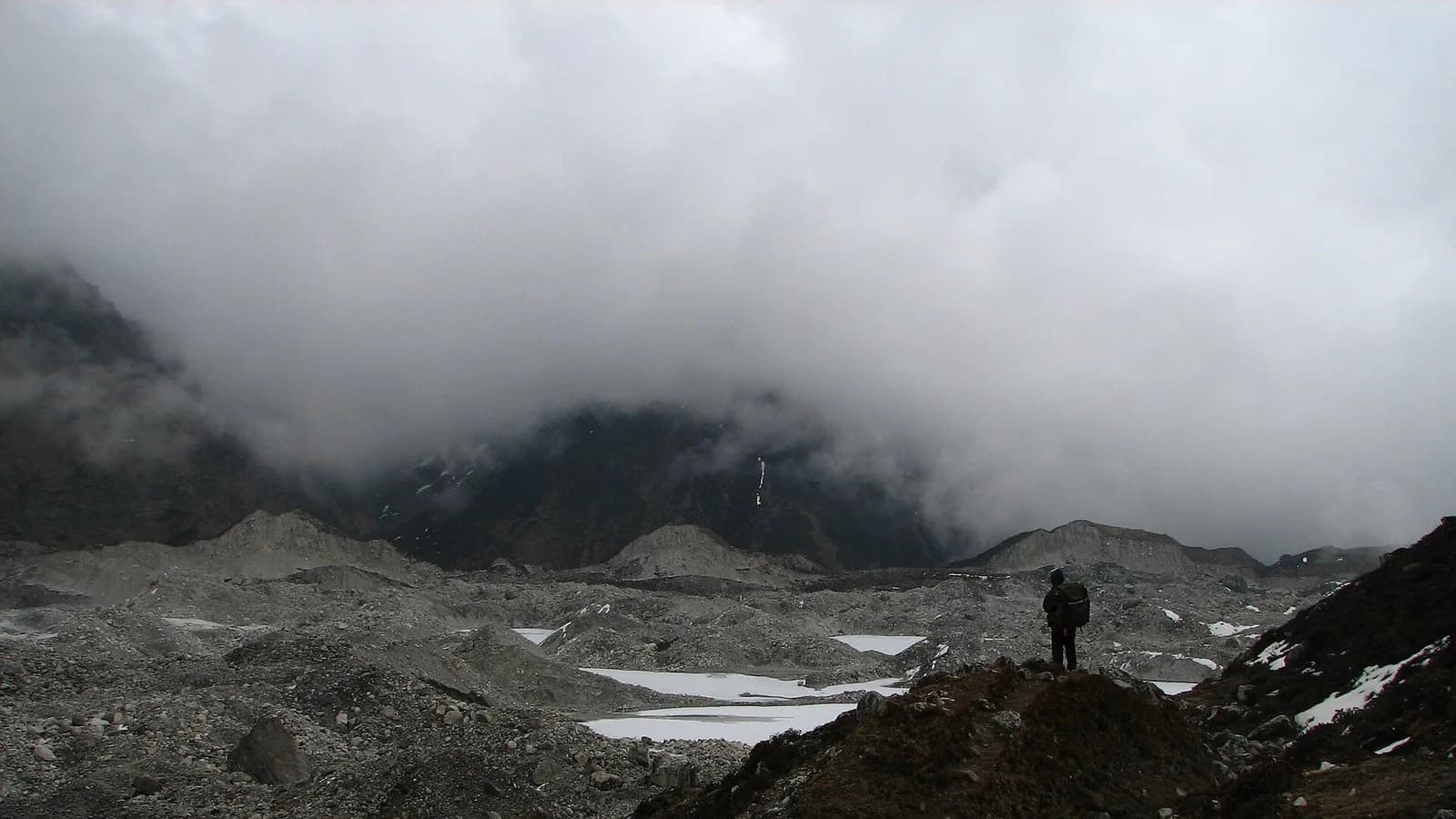
If you follow Himalayan news, you may have seen the name Sanu Sherpa alongside a record that sounds almost impossible: the first person on Earth to climb all 14 of the world's highest mountains not once, but twice. Behind that headline is a quietly remarkable life story — a former herdsman from a remote eastern Nepali district who turned portering work into one of the most extraordinary high-altitude careers ever recorded. This guide explains who Sanu Sherpa is, what he achieved, and how his story fits into the wider world of Nepali mountaineering.
Key takeaways
- Sanu Sherpa is a Nepali mountaineer and guide, born in 1975 in the Makalu area of Sankhuwasabha district.
- On 21 July 2022 he became the first person ever to summit all 14 eight-thousanders twice.
- He completed his first full round of all 14 peaks between 2006 and 2019, becoming roughly the 42nd person in history to do so.
- He has reached the summit of Mount Everest seven times, according to his published profile.
- He began as a porter with a herding background and built his record largely while working as a professional guide.
- His story sits within a broader tradition of elite Sherpa and other Nepali climbers reshaping Himalayan record books.
Who is Sanu Sherpa?
Sanu Sherpa was born in 1975 in the Makalu area of Sankhuwasabha, a mountainous district in eastern Nepal that lies in the shadow of Makalu, the world's fifth-highest peak. Reported accounts describe his early life as that of a herdsman, far from the world of commercial expeditions and international clients.
Like many young men from the high hills, he eventually moved toward mountain work, starting at the bottom as a porter carrying loads for trekking and climbing parties. That entry point is common across Nepal's trekking economy — you can read more about who does this work, and how to treat them fairly, in our guides to trekking guides and porters and the wider Sherpa people.
What set Sanu Sherpa apart was where that path led: from carrying loads to guiding clients to the summits of the planet's tallest mountains, again and again, over more than a decade and a half.
The record: all 14 eight-thousanders, twice
The achievement that made Sanu Sherpa internationally known happened on 21 July 2022, when he was reported to have become the first person in history to climb all 14 of the eight-thousanders twice. No climber had completed that exact double before him.
To understand the scale of it, two facts help:
- He completed his first full set of all 14 peaks between 2006 and 2019, becoming around the 42nd person ever to climb all the eight-thousanders at least once.
- He then dedicated himself to climbing the remaining peaks a second time, completing the unprecedented double in the summer of 2022.
In interviews after the feat, Sanu Sherpa was strikingly modest, describing the historic climbs in the spirit of simply doing his job as a guide rather than chasing personal glory. That framing matters: much of his climbing was done while leading or supporting paying expeditions, not as solo record attempts.
What are the 14 eight-thousanders?
The "eight-thousanders" are the only 14 mountains on Earth whose summits exceed 8,000 metres (26,247 feet). They straddle the Himalaya and the Karakoram across Nepal, China (Tibet), Pakistan and India. Eight of them lie wholly or partly in Nepal.
| Peak | Height (m) | Main location | | --- | --- | --- | | Everest | 8,849 | Nepal / China | | K2 | 8,611 | Pakistan / China | | Kanchenjunga | 8,586 | Nepal / India | | Lhotse | 8,516 | Nepal / China | | Makalu | 8,485 | Nepal / China | | Cho Oyu | 8,188 | Nepal / China | | Dhaulagiri I | 8,167 | Nepal | | Manaslu | 8,163 | Nepal | | Nanga Parbat | 8,126 | Pakistan | | Annapurna I | 8,091 | Nepal | | Gasherbrum I | 8,080 | Pakistan / China | | Broad Peak | 8,051 | Pakistan / China | | Gasherbrum II | 8,035 | Pakistan / China | | Shishapangma | 8,027 | China (Tibet) |
Heights are the widely cited standard figures. For a deeper look at the giants on the Nepali side, see our overviews of the highest mountain in Nepal and mountains in Nepal.
From Cho Oyu to the double summit
Sanu Sherpa's eight-thousander journey is generally traced back to Cho Oyu (8,188 m) in 2006, often regarded as the most accessible of the 14 and a frequent first step for high-altitude climbers. From there, his ascents accumulated across years and ranges.
His published climbing record shows repeat ascents of many peaks — far more than the single summits most climbers manage. The table below reflects the per-peak counts listed on his Wikipedia profile; figures reported by news outlets vary slightly, so treat individual numbers as approximate rather than exact.
| Peak | Ascents (per profile) | | --- | --- | | Everest | 7 | | Lhotse | 3 | | Makalu | 3 | | Manaslu | 3 | | Dhaulagiri | 3 | | Annapurna | 3 | | Gasherbrum I | 3 | | Nanga Parbat | 3 | | Cho Oyu | 2 | | Shishapangma | 2 | | Kanchenjunga | 2 | | K2 | 2 | | Broad Peak | 2 | | Gasherbrum II | 2 |
His seven Everest summits (reported across 2007, 2008, 2009, 2012, 2013, 2016 and 2017) alone would mark a serious mountaineering career; spread across all 14 peaks, the repeat ascents add up to an exceptional body of high-altitude work.
A note on numbers: because several of these climbs span both Nepal and neighbouring countries, and because counts are compiled from expedition records over many years, you will see small differences between sources. The core, well-documented fact is the double completion of all 14 peaks by mid-2022.
Why his story matters
A Nepali-led era of Himalayan records
For much of the twentieth century, Himalayan headlines centred on foreign expedition leaders, while the Nepali climbers who made those ascents possible — often Sherpas and members of other hill communities — received far less recognition. In recent years that balance has shifted, with Nepali mountaineers increasingly setting the records themselves.
Sanu Sherpa belongs to this wave. He completed his first round of the 14 peaks as one of only a handful of Nepali climbers to have done so at the time, and then pushed into territory no one had reached before. For context on the people and culture behind these feats, our articles on who the Sherpas are and the Gurkha and hill communities offer useful background.
The hidden work of guiding
Perhaps the most important part of Sanu Sherpa's story is how ordinary he has made it sound. Much of his climbing was professional guiding — fixing ropes, breaking trail, carrying loads and shepherding clients through the death zone above 8,000 metres, where the human body slowly deteriorates.
That work is physically punishing and genuinely dangerous. Travellers heading anywhere near these altitudes should understand the risks, which we cover in our guides to altitude sickness in Nepal and the Everest death zone. Sanu Sherpa's record is, in part, a reminder of how much skilled Nepali labour underpins the world's most famous mountain achievements.
How travellers can connect with this world
You do not need to be an elite climber to appreciate the landscape and culture that produced mountaineers like Sanu Sherpa. Most visitors experience it far more gently:
- Trek in the Khumbu, the Sherpa heartland below Everest, on routes like the classic Everest Base Camp trek or the shorter Everest View trek.
- Visit Sherpa villages and monasteries, staying in family-run teahouses and learning about Tibetan Buddhist traditions.
- See the giants from the air or afar, including the eastern peaks near Sanu Sherpa's home district of Sankhuwasabha.
Whatever you do, treat the guides and porters you meet as the skilled professionals they are — the same profession from which Sanu Sherpa rose to make history.
Sources
- Sanu Sherpa — Wikipedia
- Scripting history on high mountains: Sanu Sherpa climbs world's 14 tallest peaks — twice — The Kathmandu Post
- Sanu Sherpa Completes an Amazing Feat on the World's 14 Highest Mountains — Outside
- Record-setting Nepali climber says he was 'just doing my job' — South China Morning Post
- World record: Sanu Sherpa has climbed all 14 eight-thousanders twice — Lacrux
- Eight-thousander — Wikipedia
Frequently asked questions
- Who is Sanu Sherpa?
- Sanu Sherpa is a Nepali mountaineer and high-altitude guide, born in 1975 in the Makalu area of Sankhuwasabha district, who became the first person to climb all 14 of the world's eight-thousand-metre peaks twice.
- What record does Sanu Sherpa hold?
- On 21 July 2022 he became the first climber ever to summit all 14 of the 8,000m peaks twice — a feat no other mountaineer had completed at that time.
- How many times has Sanu Sherpa climbed Mount Everest?
- According to his Wikipedia profile he has reached the summit of Everest seven times, in 2007, 2008, 2009, 2012, 2013, 2016 and 2017.
- What are the 14 eight-thousanders?
- They are the only 14 mountains on Earth that rise above 8,000 metres, including Everest, K2, Kanchenjunga, Lhotse, Makalu, Cho Oyu, Dhaulagiri, Manaslu, Nanga Parbat, Annapurna I, Gasherbrum I, Broad Peak, Gasherbrum II and Shishapangma.
- Did Sanu Sherpa climb the peaks as a guide?
- Yes. He works as a professional high-altitude guide, and many of his ascents were made while leading or supporting client expeditions rather than as solo personal climbs.
- How did Sanu Sherpa start his mountaineering career?
- He came from a herding background and began working in the mountains as a porter before making his first 8,000m summit on Cho Oyu in 2006, after which he built a career as a climbing guide.
- Where can tourists learn more about Sherpa people in Nepal?
- The Khumbu region below Everest is the heartland of Sherpa culture, where family-run teahouses, monasteries and villages welcome trekkers who visit respectfully.
Related posts
Apa Sherpa: The Super Sherpa Who Climbed Everest 21 Times
Who is Apa Sherpa? The story of the Super Sherpa who summited Everest 21 times, then turned to education and climate work from his home village of Thame.
Read postKami Rita Sherpa: The Everest Man's Record Climbs
Who is Kami Rita Sherpa? Meet the Nepali guide with the most Mount Everest summits ever, his record, life in Thame and why it matters.
Read postWho Has the Most Everest Summits? Record Holders
A guide to the most Everest summits ever recorded, from Kami Rita Sherpa's all-time record to the women's and non-Nepali milestones.
Read post