Nepali Tea & Masala Chiya: A Traveler's Guide
A guide to Nepali tea — how to make masala chiya, the Ilam tea gardens, orthodox vs CTC, and where to drink and buy chiya as a traveler in Nepal.
In Nepal, chiya isn't a drink — it's a doorway. Every conversation, friendship and deal begins with a small glass of it.
Order a coffee in Nepal and you will get one, eventually. But the true national drink is chiya — small glasses of hot, sweet, spiced milk tea poured from morning to night in homes, offices, bus parks, and trekking lodges. Understanding Nepali tea, and especially the beloved masala chiya, is one of the quickest ways to feel at home in the country, because the offer of a glass is how Nepalis open almost every interaction.
This guide covers what chiya actually is, how to make it, where Nepal's tea comes from, the difference between the grades you will see in shops, and how to drink and buy it as a traveler. By the end you will know your kalo chiya from your masala chiya and why a humble glass of tea matters so much here.
Key takeaways
- Chiya is the national drink — most commonly sweet, milky, spiced tea served in small glasses many times a day.
- Masala chiya is black tea simmered with milk, sugar, and warming spices like ginger, cardamom, cinnamon, and clove.
- Nepal's tea grows mainly in the eastern hills and plains, with Ilam famous for orthodox tea and Jhapa for CTC.
- Orthodox vs CTC: orthodox is lighter and aromatic for specialty drinking; CTC is strong and dark, ideal for milky chiya, and dominates everyday consumption.
- Nepal's gardens sit beside Darjeeling and produce comparable, often more affordable, teas.
- Loose-leaf Ilam tea is a lightweight, excellent souvenir.
What is chiya?
In Nepali, chiya simply means tea, but in practice it almost always means a sweet, hot, milky brew. You will meet a few core styles:
| Name | What it is | |------|-----------| | Dudh chiya | Milk tea — black tea boiled with milk and sugar, no spices | | Masala chiya | Spiced milk tea with ginger, cardamom, and other warming spices | | Kalo chiya | Black tea without milk, sometimes with lemon, sugar, or ginger | | Nun chiya | Salt-butter tea, drunk in Himalayan and Tibetan-influenced regions |
The default cup handed to a guest is usually sweet milk tea, and in much of the country that means masala chiya. It is brewed strong, served scalding, and drunk in small glasses rather than mugs — which is partly why people can have so many in a day.
Masala chiya: the spiced cup explained
Masala chiya is Nepal's signature tea: robust black tea simmered with milk and sugar and lifted with a blend of spices. The spice mix is not fixed — every household and stall has its own balance — but the usual suspects are ginger, green cardamom, cinnamon, clove, and black pepper, sometimes with a leaf of tulsi (holy basil) or a stalk of lemongrass thrown in.
The method is forgiving and improvised rather than precise:
- Boil water in a pot and add loose black tea (a strong CTC tea works best).
- Add crushed or grated ginger and a pinch of ground spices — cardamom, cinnamon, and clove are the backbone.
- Pour in milk and sugar to taste and let it come back to a simmer.
- Simmer a few minutes; the longer it goes, the creamier and more strongly spiced it gets.
- Strain through a fine mesh into small glasses and serve hot.
Crucially, masala chiya is boiled all together, not steeped like Western tea — the milk, water, sugar, and spices cook into one rich, aromatic liquid. If you take a Nepali cooking class, chiya is often the first thing you learn; our cooking class in Kathmandu guide points you to good ones.
Where Nepali tea comes from
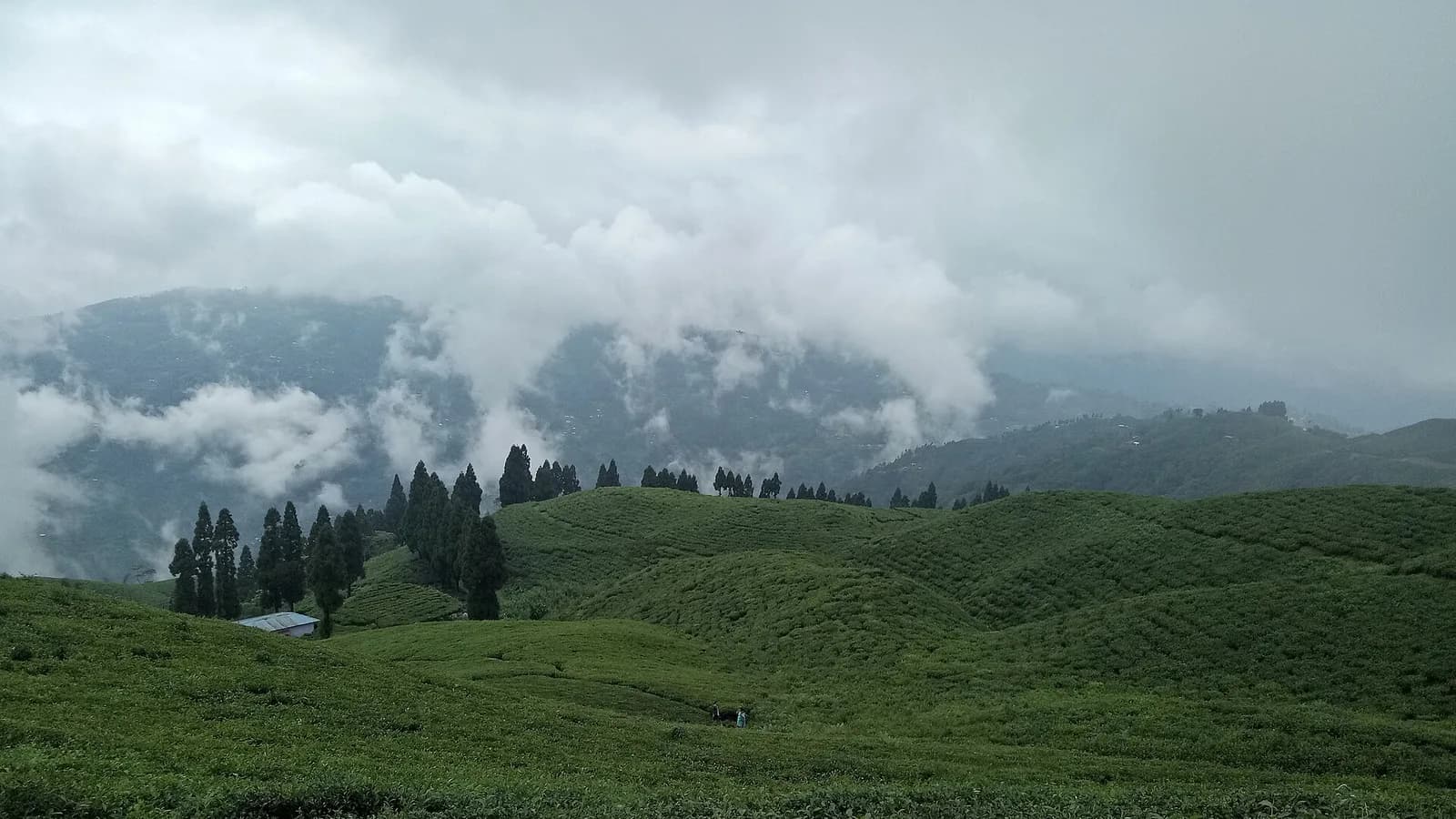
Nepal's tea story is young by world standards but deeply tied to its eastern hills. According to historical accounts, the country's first tea plantation — the Ilam Tea Estate — was established around 1863, within roughly a decade of the first gardens being planted across the border in Darjeeling (Wikipedia). For a long time the industry stayed small; it was reforms in the late twentieth century, including schemes that brought small farmers into orthodox tea cultivation, that opened the market and grew exports.
Today tea is concentrated in a handful of eastern districts:
- Ilam — the most famous name in Nepali tea, its terraced hill gardens producing high-quality orthodox black, green, white, and oolong teas.
- Jhapa — the warm, fertile plains that grow the bulk of the country's CTC tea, the strong everyday leaf that fills most chiya glasses.
- Panchthar, Dhankuta, Terhathum, and other eastern hill districts that round out orthodox production.
Per Wikipedia, Nepal's orthodox gardens grow at altitudes ranging from roughly 3,000 to 7,000 feet, and the country produces on the order of 16 million kilograms of tea a year, a tiny sliver — about 0.4 percent — of total world output. CTC tea accounts for the overwhelming majority of what Nepalis themselves drink, because it is cheaper to produce.
If a visit to the gardens appeals, the hill town of Ilam is a scenic, off-the-beaten-path destination; it pairs naturally with the wider eastern-Nepal routes covered across our travel guides, and you can plan timing using our best time to visit Nepal notes.
Orthodox vs CTC: which is which
The two words you will see most often on Nepali tea — orthodox and CTC — describe how the leaf is processed, and they produce very different cups.
| | Orthodox | CTC | |---|----------|-----| | Process | Leaves rolled (by hand or machine) to stay relatively intact | Leaves run through a "crush, tear, curl" machine into small pellets | | Cup | Lighter, more aromatic and nuanced | Stronger, darker, bolder | | Best for | Drinking on its own, specialty appreciation | Milky, sugary masala chiya | | Where grown in Nepal | Mainly hill districts like Ilam | Mainly the Jhapa plains |
Neither is "better" — they are made for different purposes. The delicate orthodox teas of Ilam are what give Nepal its growing specialty reputation, while the muscular CTC leaf is precisely what you want when you are boiling tea with milk and spices. For the milky masala chiya in this guide, CTC is the classic choice.
Tea, hospitality, and daily life
To understand why tea matters in Nepal, watch what happens when you enter a home or shop: within minutes, a glass of chiya appears. Offering tea is a basic gesture of respect and welcome, and refusing it outright can feel cold. In many households tea is brewed at least twice a day — early morning and again in the afternoon or evening — and shared with neighbors and visitors alike, often with biscuits or a simple snack.
On the road, the chiya pasal (tea shop) is a social institution: a place to rest, gossip, shelter from rain, and refuel. On the trekking trails, a glass of hot tea at a lodge is both a comfort and a ritual after a long day's walk. Learning to accept a glass graciously — and to say thank you — does more for your welcome than almost anything else. Our Nepali phrases every trekker should know guide will get you started, and the broader ordering food in Nepali phrasebook covers drinks too.
Drinking chiya as a traveler
You will never struggle to find tea in Nepal. A few practical notes make it more enjoyable:
- Where: roadside chiya pasal, bus parks, markets, teahouses on trekking routes, and of course every restaurant. The humblest stalls often pour the best, most authentic masala chiya.
- How it is served: very hot, very sweet, in small glasses. If you want it less sweet, say kam chini (less sugar); for less spice, kam masala.
- Cost: a glass of chiya is one of the cheapest things you can buy in Nepal, costing only a few Nepalese rupees at a local stall (as of June 2026), though tourist cafes charge more. Carry small change.
- Safety: because chiya is boiled, it is one of the safer drinks for a traveler's stomach — the rolling boil takes care of the water. That makes it a reassuring choice when you are unsure about cold drinks; see our is the water safe to drink in Nepal guide for the wider context.
Buying tea to take home
Loose-leaf orthodox tea from Ilam is one of the best souvenirs Nepal offers: light, compact, genuinely local, and a pleasure to give. When buying:
- Shop at reputable tea shops or cooperatives rather than random street tables if you want quality and honest grading.
- Look for single-estate, high-grown, or organic labels for the finer orthodox teas.
- Check that packaging is sealed and dated, and ask to smell the leaf if you can.
- Expect a wide price range by grade; premium single-estate orthodox tea costs far more than everyday CTC, so know which you are buying.
Tea slots neatly into a wider Nepali shopping haul — for more ideas see our guides to what to buy in Nepal and the markets of Thamel.
Final word
Chiya is the warm, sweet thread that runs through a day in Nepal. Whether it is a roadside glass of strong masala chiya, a quiet cup at a trekking lodge, or a bag of fragrant Ilam orthodox leaf tucked into your luggage, tea is one of the simplest and most rewarding ways to connect with the country. Accept every glass you are offered — it is rarely just about the tea.
Sources
Frequently asked questions
- What is masala chiya?
- Masala chiya is Nepali spiced milk tea, made by simmering strong black tea with milk, sugar, and warming spices like ginger, cardamom, cinnamon, clove, and black pepper. It is the everyday tea of Nepali homes and roadside stalls, served hot in small glasses many times a day.
- What is the difference between chiya and masala chiya?
- Chiya is the general Nepali word for tea. Plain dudh chiya is milk tea without spices, kalo chiya is black tea without milk, and masala chiya adds a blend of spices for a richer, aromatic cup. When people say chiya casually they usually mean sweet milk tea.
- Where is tea grown in Nepal?
- Most Nepali tea comes from the eastern hills, with Ilam district famous for high-quality orthodox tea and Jhapa district in the warm plains producing most of the country's CTC tea. Panchthar, Dhankuta, Terhathum, and other eastern districts also grow orthodox tea.
- What is the difference between orthodox and CTC tea?
- Orthodox tea is hand or machine rolled to keep the leaf more intact, producing a lighter, more aromatic cup prized by specialty drinkers. CTC stands for crush, tear, curl, which makes a stronger, darker tea ideal for milky masala chiya, and it dominates everyday Nepali consumption.
- Is Nepali tea the same as Darjeeling tea?
- They are close cousins. Nepal's eastern tea gardens sit just across the border from Darjeeling in India and share similar high-altitude growing conditions, so the orthodox teas taste comparable. Nepali tea is often more affordable and has grown its own specialty reputation in recent years.
- How do you make Nepali masala chiya at home?
- Boil water with black tea leaves and crushed spices such as cardamom, ginger, cinnamon, and clove, then add milk and sugar and simmer a few minutes until rich and aromatic. Strain into cups and serve hot. Longer simmering makes it creamier and more strongly spiced.
- Is Nepali tea a good souvenir to buy?
- Yes. Loose-leaf orthodox tea from Ilam is lightweight, packs easily, and makes an excellent gift. Buy from reputable tea shops or cooperatives, check that the packaging is sealed, and look for single-estate or organic labels if you want higher quality. Prices vary widely by grade.
- How many times a day do Nepalis drink tea?
- Tea is woven through the day. Many households brew chiya at least twice, in the early morning and again in the afternoon or evening, and offer it to any guest who visits. Roadside stalls keep pots going all day, so a Nepali may drink several small glasses between dawn and dusk.
Related posts
Dal Bhat — Nepal's National Meal Explained for Travelers
What dal bhat is, what's on the plate, why trekkers live on it, and how to order Nepal's national meal like a local. A practical traveler's guide.
Read postDhido — Nepal's Hill-Country Porridge, Explained
What dhido is, the millet and buckwheat it is made from, how to eat the dhido thali by hand, and why this gluten-free Nepali staple is back in style.
Read postGundruk and Dhido — Nepal's Fermented Greens and Porridge
What gundruk (fermented leafy greens) and dhido are, how they are made and eaten, their health benefits, and why this hill-country pair is a national dish.
Read post