Nepali Singer Guide: Notable Voices Across the Genres
A friendly guide to the Nepali singer scene: folk and adhunik legends, classic playback voices, modern pop and rock names, and where to listen.
From the village sarangi to a New York recording studio, the Nepali voice has travelled a long way in one lifetime.
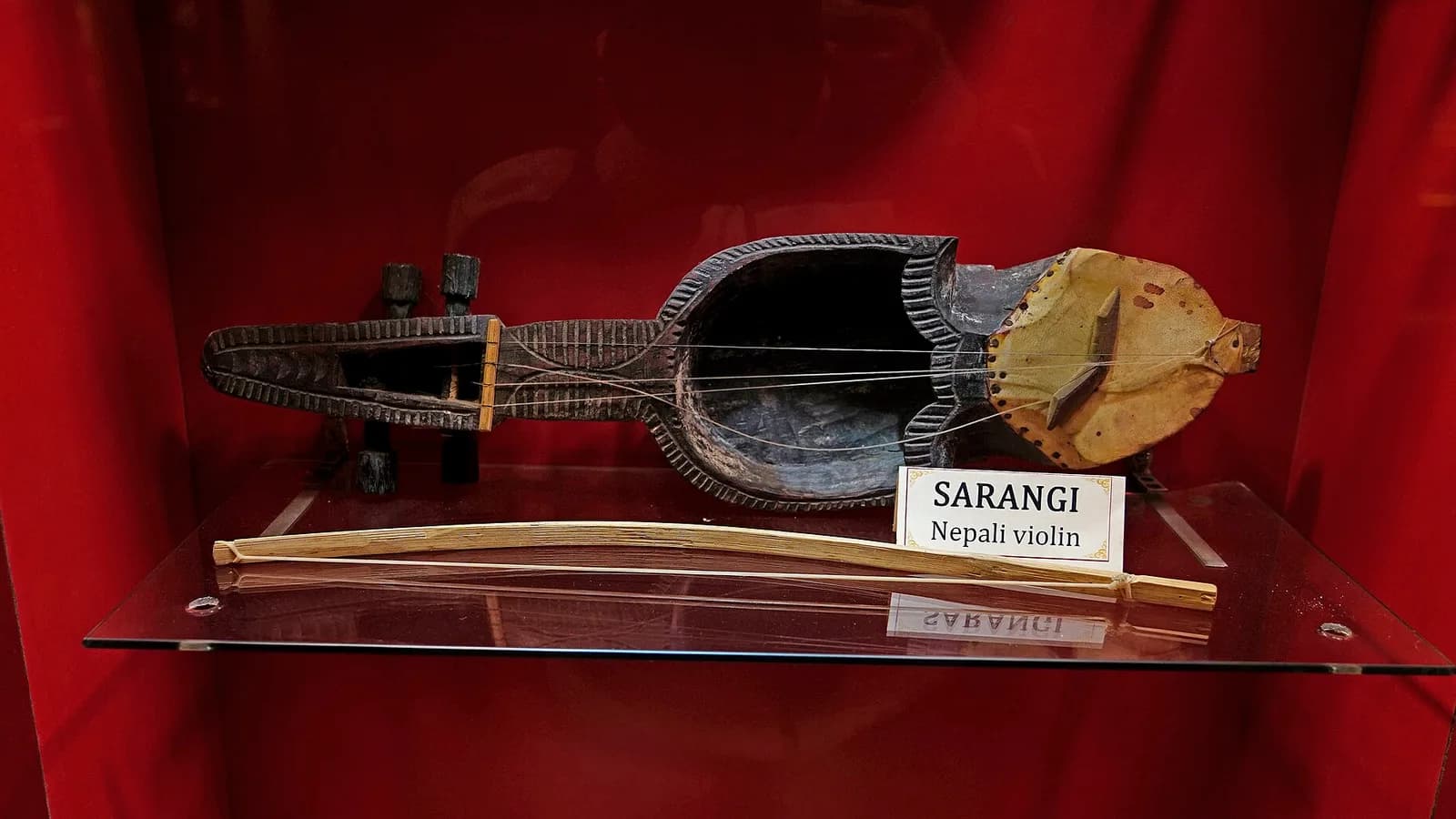
A Nepali singer might be a travelling sarangi player carrying news from village to village, a golden-voiced legend of the radio age, or a New York-based producer whose tracks go viral online. Nepal's vocal tradition is remarkably broad, spanning centuries-old folk song and devotional chant through to polished modern pop, and its singers are some of the country's best-loved public figures. For a fuller picture of the genres, instruments, and where to hear them live, see our companion guide to the music of Nepal. This article is a neutral, fact-checked overview focused on the singers themselves — a few celebrated, widely recognised names across the eras and styles.
Key takeaways
- A Nepali singer may work across folk, devotional, film, adhunik, and modern pop styles, and many move between them.
- Narayan Gopal (1939–1990), called Swar Samrat, is the most revered voice of the adhunik geet era.
- Tara Devi and Aruna Lama are the most celebrated classic female singers, each with vast catalogues.
- A wave of 1990s pop and rock, led by bands like Nepathya and 1974 AD, transformed urban music.
- Sajjan Raj Vaidya is among the most-streamed contemporary artists, part of a thriving online scene.
- Most artists publish on YouTube, Spotify, and Apple Music, so you can listen before you travel.
The genres a Nepali voice moves through
Nepal is a small country with extraordinary musical variety, home to many ethnic communities and well over a hundred mother tongues. A singer here might specialise in one tradition or move freely between several. The main families of song, covered in more depth in our Nepali music guide, include folk songs (lok geet), the witty call-and-response duet form dohori, devotional bhajan, songs written for films, the soft melodic adhunik geet, and a fast-growing modern scene of pop, rock, and rap.
What makes the great Nepali singers so admired is often their range. The most revered voices could carry a tender love song, a patriotic anthem, and a folk-rooted melody with equal command — which is exactly why their catalogues remain in heavy rotation decades later.
A few celebrated names at a glance
The table below introduces some widely recognised Nepali singers and the styles they are associated with. It is a starting point, not a ranking.
| Singer | Era | Associated style | | --- | --- | --- | | Narayan Gopal | 1960s–1980s | Adhunik geet, romantic ballads | | Tara Devi | mid-1900s onward | Patriotic and romantic songs | | Aruna Lama | mid-1900s onward | Melodic classic songs | | Nepathya | 1990s onward | Folk-rock band | | 1974 AD | 1990s onward | Rock blended with Nepali folk | | Sajjan Raj Vaidya | 2020s | Acoustic and indie pop |
The golden voices of adhunik geet
In the mid-twentieth century, Nepali musicians blended Indian light-classical music, Nepali folk, and Western harmonies into a new, often sentimental style known as adhunik geet ("modern song"), also called sugam sangeet. This era produced the singers many Nepalis regard as the greatest of all.
Towering over it is Narayan Gopal (Narayan Gopal Guruwacharya, 1939–1990), honoured as Swar Samrat, the emperor of voice. According to his Wikipedia profile, his vocal range let him sing across every Nepali genre, and he released more than 137 songs, many of them romantic and melancholy ballads still deeply loved today. He worked alongside a remarkable generation of contemporaries — including Tara Devi, Aruna Lama, Amber Gurung, Prem Dhoj Pradhan, Nati Kaji, and Arun Thapa — who together developed adhunik geet into a distinctly Nepali popular tradition.
Tara Devi and Aruna Lama
Two female voices stand out from this classic age. Tara Devi, known as the Nightingale of Nepal, recorded an enormous body of work over a decades-long career, with songs frequently centred on patriotism and love; she is remembered for both her versatility and emotional depth. Aruna Lama, popularly called the Nightingale of the Hills, sang hundreds of Nepali songs and is regarded as a pioneer among the country's finest female singers. Their recordings remain touchstones, the kind of music older generations grew up on and still return to.
The 1990s: pop, rock, and a new urban sound
From the 1980s and especially the 1990s, Western-influenced pop and rock took hold among younger, urban audiences, helped along by new television channels and FM radio giving regular airtime to local music. A cluster of bands and artists became household names in this transition.
Nepathya, formed in Pokhara in the early 1990s, grew into one of Nepal's most popular acts by fusing Nepali folk with rock. 1974 AD, formed in 1994, similarly blended rock and blues with traditional Nepali folk, creating accessible tracks that resonated with young listeners searching for a modern cultural identity. Solo pop singers and other groups of the era rounded out a scene that, for the first time, made contemporary Nepali music a genuine youth phenomenon. This is the moment when the modern Nepali singer — recording albums, playing concerts, appearing on TV — fully arrived.
The contemporary online scene
Today's Nepali music lives largely online, with artists releasing singles and EPs directly to global platforms and building followings across Nepal and its diaspora. A leading example is Sajjan Raj Vaidya (born 1993), a New York-based singer-songwriter and producer who rose to prominence in the 2020s through self-produced tracks fusing acoustic pop, indie, and electronic elements. His widely streamed songs helped define a new, intimate, bedroom-studio sound that travels easily to listeners worldwide.
He is far from alone. A broad field of contemporary singer-songwriters and bands now publishes steadily to streaming services, keeping the scene busy and varied. The throughline from Narayan Gopal to today is striking: a continuing appetite for emotionally reflective, melodic songs, now delivered through earbuds rather than radio sets.
How to listen as a visitor
Because so much Nepali music is online, the easiest way to prepare is to build a playlist before your trip, then let the country fill in the rest.
- Make a playlist first. Start with a couple of Narayan Gopal classics, add a Tara Devi or Aruna Lama song, mix in Nepathya or 1974 AD, and finish with a current name like Sajjan Raj Vaidya.
- Listen where music plays. You will hear songs in taxis, tea shops, and shops, especially around Thamel and Pokhara's Lakeside.
- Seek out live folk. Travelling sarangi players sometimes perform in tourist areas; a small tip is welcome if you enjoy a performance, and a sarangi makes a meaningful souvenir.
- Ask locals what they love. People are usually delighted to share a favourite singer, a lovely way to connect when you have learned a little Nepali.
A final word
The Nepali singer carries the country's emotional memory, from the village sarangi and the golden adhunik voices of Narayan Gopal, Tara Devi, and Aruna Lama to the folk-rock of the 1990s and the streaming-era pop of today. You do not need to know every name to be moved by it — one or two classic ballads and a current favourite are enough to open the door, and the rest is the simple pleasure of listening your way into Nepal.
Sources
Frequently asked questions
- Who is the most famous Nepali singer?
- Narayan Gopal is among the most revered, often called Swar Samrat, the emperor of voice. Tara Devi and Aruna Lama are the most celebrated classic female voices, while Sajjan Raj Vaidya is one of the most-streamed contemporary artists.
- Who was Narayan Gopal?
- Narayan Gopal Guruwacharya, who lived from 1939 to 1990, was one of the most influential Nepali singers and composers of the twentieth century. He helped shape the adhunik geet style and recorded a large catalogue of romantic and melancholy songs still loved today.
- Who was Tara Devi?
- Tara Devi was a hugely prolific Nepali singer known as the Nightingale of Nepal. She recorded thousands of songs over a long career, many on themes of patriotism and love, and is regarded as one of the country's finest classic voices.
- What are the main genres a Nepali singer might perform?
- Common genres include folk songs known as lok geet, the soft melodic style called adhunik geet or sugam sangeet, devotional bhajan, film songs, and modern pop, rock, and rap. Many singers move between several of these.
- Who are some popular modern Nepali singers?
- Contemporary names with large followings include Sajjan Raj Vaidya, who rose to prominence with viral self-produced tracks, alongside bands such as Nepathya and 1974 AD that blend Nepali folk with rock and pop.
- Where can I listen to Nepali singers?
- Most popular Nepali artists publish on YouTube, Spotify, and Apple Music, so you can build a playlist before you travel. In Nepal you will also hear music in taxis, tea shops, and live venues in Thamel and Pokhara's Lakeside.
Related posts
Nepali Music: Genres, Instruments and Artists Explained
A clear guide to Nepali music: folk and dohori, adhunik geet, filmi, pop, rock and rap, the instruments behind them, and the artists worth knowing.
Read postIconic Nepali Songs: Classics Every Visitor Should Know
A short guide to iconic Nepali songs, from the folk anthem Resham Firiri to Narayan Gopal classics and modern hits worth adding to your playlist.
Read postDal Bhat — Nepal's National Meal Explained for Travelers
What dal bhat is, what's on the plate, why trekkers live on it, and how to order Nepal's national meal like a local. A practical traveler's guide.
Read post