Nepali Names: Meanings, Surnames and Naming Customs
A guide to Nepali names: how first names are chosen, what common surnames like Sharma, Thapa and Gurung reveal, and the naming customs behind them.
A Nepali name carries a meaning, a community, and often a whole history.
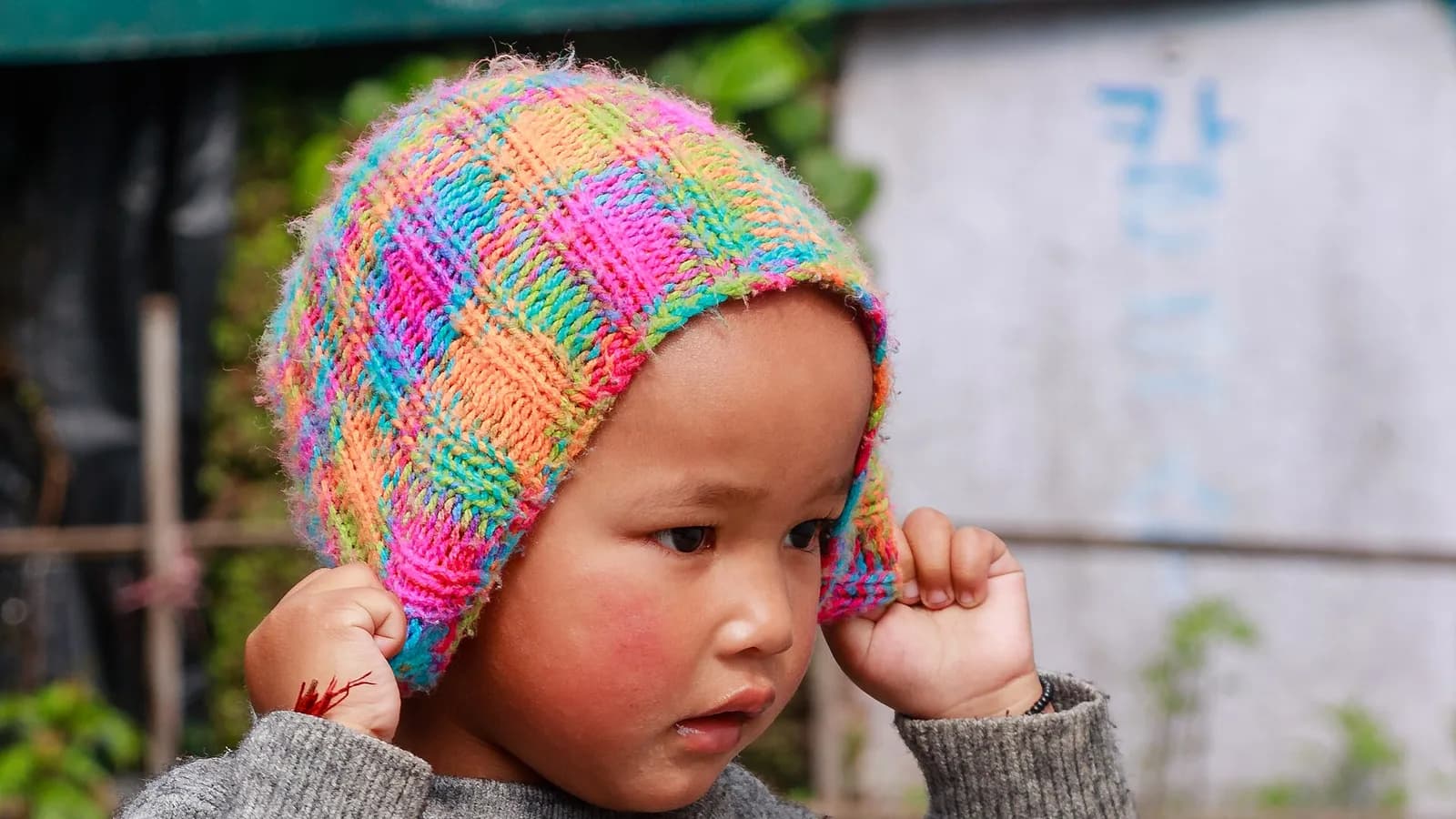
A Nepali name is rarely just a label. It usually carries a meaning drawn from Sanskrit or a local language, and a surname that quietly announces a person's caste, ethnic group or clan. Learn to read these names and you gain a small map of Nepal's astonishing diversity, with its 142 caste and ethnic groups and dozens of languages. This guide explains how Nepali names are chosen, what the most common surnames reveal, and the customs that surround naming a child.
Key takeaways
- Most Nepali names follow a given name plus surname structure, with a middle name common too.
- Hindu families traditionally name a baby on the eleventh day in a ceremony called nwaran, guided by a priest and the child's horoscope.
- Surnames usually signal caste or ethnicity: Sharma and Pandey (Bahun), Thapa and Basnet (Chhetri), Gurung and Tamang (Janajati), Shrestha (Newar), and many more.
- First names are typically meaningful, often invoking gods, virtues, nature or light.
- Because surnames denote community rather than a single ancestor, many unrelated people share the same one.
- Naming customs are shifting, with women keeping birth surnames and parents choosing modern names more freely than before.
How Nepali names are built
A typical Nepali full name has two or three parts: a given (first) name, sometimes a middle name, and a surname (called thar). The given name is personal and usually meaningful. The surname is shared across a family and, more broadly, across a caste or ethnic community.
Because the surname so often encodes caste, clan or ethnic identity, Nepalis can frequently guess a stranger's general background from their name alone, in the way the family might worship, the region they may hail from, or the language community they belong to. This is not a hard rule, and it is becoming less rigid, but it remains a strong cultural undercurrent.
Nepali is written in the Devanagari script, the same script used for Hindi and Sanskrit, and names are transliterated into the Roman alphabet in many different ways. The same name may appear as Poudel, Paudel or Poudyal depending on personal preference, which is why spellings vary so widely.
How babies are named
Among Hindu Nepalis, naming a child is a small ceremony in its own right. On the eleventh day after birth, a family holds nwaran, a naming rite. A priest consults the baby's birth details and horoscope and suggests an auspicious starting syllable (and sometimes a formal ritual name). The family then chooses the everyday name, often beginning with that lucky syllable.
In practice many children end up with two names: a formal or astrological name used for rituals, and a common name used at home and school. Among Buddhist and various ethnic communities, naming may instead involve a lama or community elder, and the customs differ accordingly.
What first names mean
Nepali given names are chosen for their meaning, and the wells they draw from are deep:
- Deities and the divine: names invoking gods and goddesses, such as those built on Shiva, Krishna, Lakshmi or Saraswati.
- Virtues and qualities: names meaning courage, peace, wisdom, devotion or joy.
- Light, sky and nature: names referring to the sun, moon, stars, flowers and rivers.
Many names are unisex or have paired forms, and a single child may carry layers of meaning chosen by parents and grandparents.
A few widely loved given names show the pattern:
| Name | Common meaning | |------|----------------| | Aastha | Faith, devotion | | Bibek | Conscience, discernment | | Prakash | Light, brightness | | Sita | After the goddess of the Ramayana | | Suman | Good-minded, a flower | | Anish | Supreme, without a master |
Because these meanings are public knowledge, Nepalis often greet a new name with a nod of recognition, and a thoughtfully chosen name is considered a small gift to the child.
What surnames reveal
This is where Nepali names get especially interesting. Surnames are organized largely around the country's social and ethnic structure. Broadly, scholars group Nepali surnames into those of Indo-Aryan, Tibeto-Burman and indigenous origin, mirroring the country's linguistic makeup.
Bahun (Brahmin) surnames
The Bahun, Nepal's hill Brahmin community, carry priestly and scholarly surnames. Common examples include Sharma, Acharya, Pandey, Poudel, Bhattarai, Adhikari, Koirala, Regmi, Dhakal, Joshi and Upadhyay. Many of Nepal's political and literary figures have borne these names.
Chhetri surnames
Chhetri is the Nepali form of Kshatriya, traditionally the warrior and ruling group. Familiar Chhetri surnames include Thapa, Basnet, Karki, Khadka, Bista, Bogati, Budhathoki and Rana, the last linked to the family that ruled Nepal as hereditary prime ministers for a century.
Janajati (ethnic) surnames
Nepal's Janajati, or indigenous nationalities, carry surnames tied to specific ethnic groups, many of Tibeto-Burman origin:
| Surname | Community | |---------|-----------| | Gurung | Gurung, from the hills around the Annapurnas | | Magar | Magar, one of Nepal's largest ethnic groups | | Tamang | Tamang, of the hills around Kathmandu | | Rai, Limbu | Kirat peoples of the eastern hills | | Sherpa | Sherpa, of the high Himalaya near Everest | | Tharu | Tharu, of the southern Terai plains |
Newar surnames
The Newars of the Kathmandu Valley have their own rich set of surnames, often tied to traditional occupation or status, such as Shrestha, Maharjan, Pradhan, Joshi, Bajracharya and Shakya. To learn more about this community, see our Newari food guide, which touches on Newar culture and caste.
Madhesi and Terai surnames
In the Terai, communities with close cultural ties to the neighboring Indian plains carry surnames drawn from Maithili, Bhojpuri and other traditions, adding yet another layer to Nepal's onomastic map.
Clans, gotra and kinship
Within Bahun and Chhetri society, the surname (thar) is only the outer layer of identity. Families also belong to a gotra, a lineage traced to an ancient sage, and these finer divisions govern who may marry whom: marriage within the same gotra is traditionally forbidden, so that even people sharing a surname must check deeper clan lines before a match. Descent and inheritance have traditionally followed the male line.
This is why two people named, say, Sharma may be complete strangers: the name marks a broad community, not a single family tree.
Names you are not given
In everyday life, Nepalis frequently address one another not by name at all but by kinship terms, even with strangers. An older man might be called dai (elder brother) or baa (father), an older woman didi (elder sister) or aama (mother), and a shopkeeper or elder hajur as a mark of respect. This warm, relational way of speaking means a first name is often reserved for friends and equals, while titles carry the weight of courtesy. Our guide to Nepali honorifics explains how the pronouns tapai, timi and ta layer further respect, distance or intimacy onto these terms.
Naming customs in transition
Like much of Nepali culture, naming is changing:
- Women and surnames. The older custom was for a woman to use her father's surname before marriage and her husband's after. Today many women keep their birth surname, hyphenate, or move fluidly between the two, especially in professional life.
- Modern given names. Urban parents increasingly choose shorter, modern or pan-Asian names, sometimes setting aside strict astrological rules while keeping the nwaran ceremony as a cultural touchstone.
- Identity and pride. As Nepal's ethnic communities assert their heritage, some people foreground ethnic surnames they might once have downplayed, reclaiming them as markers of identity.
A note for visitors
If you are traveling in Nepal, a little name literacy is genuinely useful:
- Use a person's given name with a respectful title rather than guessing at familiarity; our guide to Nepali honorifics explains tapai, timi and ta.
- Expect shared surnames to be common and not a sign of relation.
- Notice that a surname often hints at language and region, which can help you connect, for example recognizing a Sherpa or Gurung name in the mountains.
- A warm namaste and an attempt at someone's name are always appreciated; see our Nepali phrases guide for more.
Read a Nepali name closely and you get a miniature of the country itself: layered, diverse, rooted in old traditions and quietly modernizing. The next time you meet a Sharma, a Thapa or a Gurung, you will know a little of the story their name already tells.
Sources
Frequently asked questions
- How are Nepali names structured?
- Most Nepali names follow a given name plus surname pattern, and many people also carry a middle name. The surname usually signals caste, ethnic group or clan, so a full name often tells you something about a person's community and background.
- How do Nepali babies get their names?
- Among Hindu families a baby is traditionally named on the eleventh day after birth in a ceremony called nwaran, where a priest suggests a name and a starting syllable based on the child's birth details and horoscope. Families then choose a name, often beginning with that syllable.
- What do Nepali surnames mean?
- Nepali surnames commonly indicate caste or ethnicity. Names like Sharma, Acharya and Pandey are associated with Bahun (Brahmin) families, Thapa and Basnet with Chhetri, and Gurung, Tamang, Rai and Limbu with specific Janajati ethnic groups.
- What are the most common Nepali surnames?
- Widely seen surnames include Sharma, Adhikari, Poudel, Bhattarai and Acharya among Bahuns, Thapa, Karki, Basnet and Khadka among Chhetris, and ethnic names like Gurung, Magar, Tamang, Rai, Limbu and Shrestha. The exact mix varies by region.
- Do Nepali women change their surname after marriage?
- Traditionally a woman uses her father's surname before marriage and takes her husband's surname afterward, though many women now keep their birth surname or combine the two, especially in urban and professional settings.
- Are Nepali and Indian names the same?
- They overlap because both draw on Hindu and Sanskrit roots, so many first names are shared. But Nepal also has a large set of distinctly Nepali and Tibeto-Burman ethnic surnames, such as Gurung, Tamang, Rai and Sherpa, that are characteristic of Nepal.
- What does the surname Shrestha tell you?
- Shrestha is a common Newar surname from the Kathmandu Valley, historically associated with high-status Newar families. Like many Nepali surnames, it points to a specific community and cultural background rather than just a family line.
- Why do some Nepalis share the same surname but are not related?
- Because surnames often denote caste, clan or ethnicity rather than a single ancestor, large numbers of unrelated people share names like Sharma or Thapa. Within Bahun and Chhetri communities, finer clan and gotra lines are used to trace actual kinship.
Related posts
Devanagari Script: A Traveler's Guide to Nepal's Letters
What the Devanagari script is, where it came from, and how Nepal uses it — the writing system behind every sign, menu, and newspaper you will see.
Read postNepali Culture: A Visitor's Guide to Customs and Traditions
An overview of Nepali culture for visitors: religion, languages, festivals, food, dress and etiquette, with links to deeper guides on each tradition.
Read postNepali Music: Genres, Instruments and Artists Explained
A clear guide to Nepali music: folk and dohori, adhunik geet, filmi, pop, rock and rap, the instruments behind them, and the artists worth knowing.
Read post