Nepali Momo Recipe: Steamed Dumplings From Scratch
A step-by-step Nepali momo recipe — dough, filling, pleating, steaming times, plus jhol and tomato-sesame achar. Make Kathmandu's top dumpling at home.
The dumpling is only half the dish — the achar is where Nepal puts its flavor.
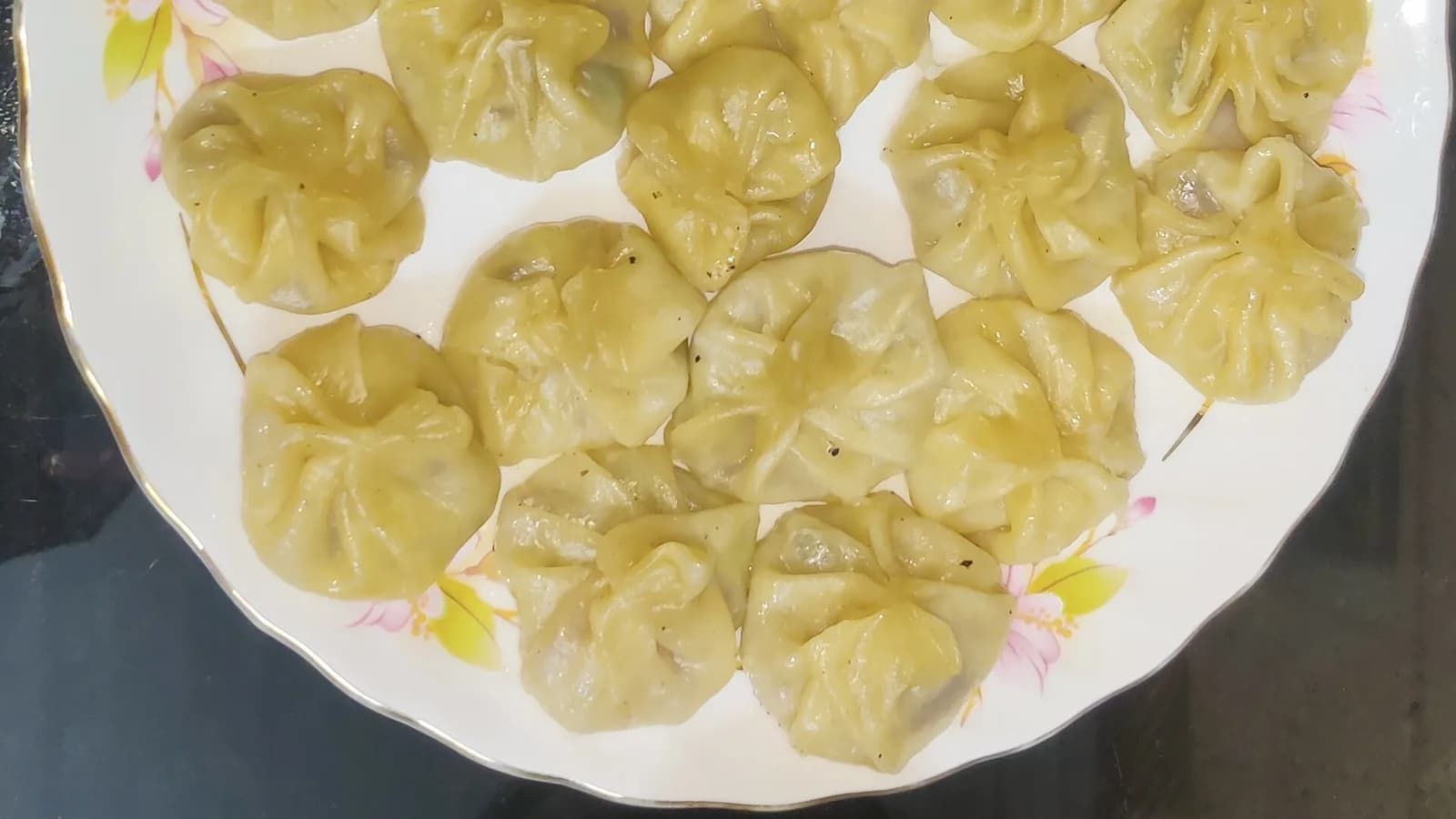
Few dishes say Nepal faster than a steaming plate of momos. This Nepali momo recipe walks through the whole thing from scratch — the wheat-flour dough, the juicy filling, the pleating that takes a few tries to get right, the steaming times, and the two sauces that turn a plain dumpling into a Kathmandu street-food classic. None of it needs special equipment beyond a steamer.
If you want the bigger picture — what momos are, where they came from, the styles to look for, and where to eat them in Kathmandu — start with our full traveler's guide to momos, which is the home base for this topic. This post is the hands-on companion: it goes deeper on technique, troubleshooting, and the achar, so your home momos come out closer to the ones you remember from Thamel.
Key takeaways
- A momo is a thin wheat-flour wrapper folded around a spiced filling and, most traditionally, steamed until glossy.
- The dough is just flour, salt, and water, kneaded firm and rested so it rolls thin without tearing.
- The classic Kathmandu Valley filling is buff (minced water buffalo); chicken, pork, vegetable, and paneer all work.
- Fresh momos steam in about 10 to 15 minutes; the wrapper turns translucent when they are done.
- The sauce matters as much as the dumpling — a tomato-sesame achar for dipping, or thinned into a soupy jhol for jhol momo.
- Your first batch will look rustic. Pleating is a learned skill, and even lopsided momos taste great.
What you need before you start
Momos reward a little setup. Have everything chopped and mixed before you start folding, because filled wrappers dry out if they sit too long.
Equipment
- A steamer — a stacked momo steamer (mucktoo) is ideal, but any steamer basket, bamboo steamer, or a colander over a covered pot works.
- A rolling pin and a clean, lightly floured surface.
- A bowl for the dough and a bowl for the filling.
The two halves of the dish
A momo is really two recipes: the dumpling (dough plus filling) and the achar (the dip or the jhol sauce). Make the achar first or while the dough rests, since it keeps happily while you fold.
The dough
The wrapper is plain and unfussy on purpose — its job is to be thin, strong, and a little chewy, not to add flavor.
Ingredients and ratio
Use plain all-purpose (white wheat) flour, a pinch of salt, and water added gradually. A widely used ratio is roughly 240 ml of water to 500 g of flour, but flours vary, so add the last of the water by feel. You want a dough that is firm — not sticky, not crumbly. A teaspoon of oil is optional and gives a slightly softer skin.
Method
- Mix the flour and salt, then add water a little at a time, bringing it together with your hands.
- Knead for several minutes until smooth and elastic.
- Cover and rest for 20 to 30 minutes (30 to 45 is even better). This relaxes the gluten so the dough rolls thin and stops springing back.
The one wrapper trick that matters
When you roll each wrapper, keep the center slightly thicker than the edges. The thin rim pleats neatly and cooks fast, while the sturdier middle holds the juicy filling without tearing. Aim for rounds roughly 8 to 10 cm across and only about 1 to 1.5 mm thick. Thin wrappers are the difference between a delicate momo and a doughy one.
The filling
This is where a momo becomes Nepali. The flavor base is a trio you will see in almost every recipe: ginger, garlic, and fresh coriander (cilantro), finely minced.
Choosing your filling
| Filling | Notes | |---------|-------| | Buff (water buffalo) | The traditional Kathmandu Valley choice — lean and rich | | Chicken | Popular and mild; use thigh meat, not breast, so it stays juicy | | Pork | Common in Tibetan-influenced kitchens; naturally moist | | Vegetable | Cabbage, carrot, onion, spinach — drain well | | Paneer or cheese | A softer, richer vegetarian option |
Building the mix
Combine your minced meat or chopped vegetables with grated onion, garlic, ginger, and chopped coriander, a little oil, and warm spices — typically cumin, coriander, salt, and pepper, sometimes a hint of garam masala or a pinch of timur (Nepali Sichuan pepper) for citrusy heat.
Two practical notes from cooks who make momos often:
- Keep it moist, not wet. A little fat keeps the filling juicy; chicken breast or over-drained veg turns dry and grainy. For vegetable momos, salt the cabbage, let it weep, then squeeze out the water so the filling does not flood the wrapper.
- Taste before you fold. Cook a small test spoonful in a pan and adjust the salt, spice, and chili. You cannot re-season once everything is pleated shut.
Folding the momos
There is no single correct shape — the two most common are the half-moon (a flat pleated crescent) and the round purse (gathered and twisted at the top).
- Place a generous spoonful of filling in the center of a wrapper.
- For a half-moon, fold the wrapper over and pleat one edge toward the other, pinching as you go. For a purse, gather the edges up around the filling and pinch them together at the top.
- Seal firmly. Any gap lets juice escape and the momo can burst.
Your first several will look rough, and that is completely normal — pleating is muscle memory. Keep finished momos under a cloth so they do not dry out, and do not overfill, which is the most common beginner mistake.
Steaming (and the kothey alternative)
Steamed momos
Bring water to a boil under your steamer. Oil the rack well or line it with cabbage leaves, parchment, or a clean cloth so the dumplings do not stick. Arrange the momos with space between them — they should not touch — and steam.
- Time: about 10 to 15 minutes for fresh momos; a few minutes more from frozen.
- Doneness: the wrappers turn glossy and slightly translucent, and meat fillings are fully cooked.
For food safety with meat fillings, follow standard guidance: chicken should reach 165 degrees F (74 C) and ground beef or pork should reach 160 degrees F (71 C). Because the filling is sealed inside, give meat momos the full time and cut one open to confirm it is no longer pink.
Kothey (pan-fried) momos
Want a crisp bottom? Make kothey momo instead. Heat a little oil in a pan, place the momos flat-side down, and fry until the bases turn golden. Then add a splash of water, cover with a lid, and let them steam through until the tops are cooked. You get a crunchy base and a soft, juicy top — the same dumpling, a different texture. Kothey momos are often a touch more gingery and pair beautifully with a spicy tomato chutney.
The sauce: achar and jhol
A momo without good achar is, as Nepalis say, only half a momo. The good news is that one base paste gives you both the thick dipping sauce and the soupy jhol.
Tomato-sesame achar (the dip)
This is the classic momo dipping sauce — tangy, nutty, and as spicy as you like.
- Char or roast tomatoes until the skins blacken and the flesh softens. The char is where the depth comes from; an open flame or a hot dry pan both work.
- Toast sesame seeds (and peanuts, if you like a nuttier dip) until fragrant, then grind to a coarse paste.
- Blend the tomatoes and sesame with garlic, ginger, dried red chili, a little oil, salt, and fresh coriander until smooth. A squeeze of lime and a pinch of timur lift it further.
There is no single fixed recipe — every household tunes it smokier, nuttier, or hotter. Treat the version above as a reliable starting point and adjust to taste.
Jhol momo (the soupy version)
To make jhol momo, simply loosen the achar with warm water until it is pourable — a fragrant, nutty, tangy broth rather than a thick dip. Sit your freshly steamed momos in a bowl of the jhol and eat with a spoon so you can scoop up the sauce. It is a distinctly Nepali way to serve momos and one of Kathmandu's signature dishes. Expect a happy mess.
Common problems and fixes
| Problem | Likely cause | Fix | |---------|--------------|-----| | Momos stick to the steamer | Dry or unlined rack | Oil the rack or line with cabbage, cloth, or parchment | | Wrappers tear when filled | Rolled too thin in the middle | Keep the center thicker; do not overfill | | Momos burst while steaming | Loose pleats or wet filling | Seal firmly; drain watery vegetables | | Doughy, thick skins | Wrappers rolled too thick | Roll thinner, about 1 to 1.5 mm, with a thin rim | | Dry, grainy filling | Too lean (e.g. chicken breast) | Use thigh meat or add a little fat; do not over-drain veg | | Bland filling | Under-seasoned | Taste a cooked test piece and adjust before folding |
Make it your own
Once you have the basic method, momos are endlessly adaptable. Try a paneer filling, fold a batch as kothey for crunch, or serve them swimming in jhol on a cold evening. Make extra and freeze the raw, pleated momos on a tray, then steam straight from frozen with a few extra minutes.
If you would rather learn the pleating hands-on from a local cook, several cooking classes in Kathmandu teach momos as the centerpiece. And when you are ready to taste the originals, our guides to the best restaurants in Kathmandu and the wider Newari food of the valley point you to where momos are done best. To compliment the cook in their own language, here is how to say delicious in Nepali, and our notes on ordering food in Nepali cover asking for it piro (spicy) or kam piro (less spicy).
Sources
- Momo (food) — Wikipedia
- Jhol momo — Wikipedia
- A History of Momo, the Dumpling That Defines Nepali Cuisine — Smithsonian Magazine
- A Guide to Nepali Momo — Spoonbun
- Momo Achar (Tomato Sesame Chutney for Momos) — Nepali Taste
- Jhol Momo Recipe (Nepali Dumpling Soup) — Spoonbun
- Kothey Momo (Pan-Fried Dumplings) — Manu's Menu
- Safe Minimum Internal Temperature Chart — USDA FSIS
Frequently asked questions
- What flour is used for momo wrappers?
- Plain all-purpose (white wheat) flour is the standard for Nepali momo wrappers. It is mixed with a little salt and just enough water to form a firm dough, then rested so it rolls out thin without springing back. Some cooks add a teaspoon of oil for a softer, more pliable skin.
- How long do you steam momos?
- Fresh, unfrozen momos usually take about 10 to 15 minutes in a steamer over boiling water. They are done when the wrappers turn glossy and slightly translucent and the filling is fully cooked. Momos steamed straight from frozen need a few extra minutes.
- How do I keep momos from sticking to the steamer?
- Lightly oil the steamer rack or line it with cabbage leaves, parchment, or a clean cloth before adding the dumplings. Leave space between each momo so they do not touch, and let them firm up before you try to lift them, or the wrappers can tear.
- Why do my momos burst or leak while steaming?
- Bursting usually means the wrapper was too thin in the middle, the filling was too wet, or the pleats were not sealed tightly. Keep the center of the wrapper slightly thicker than the edges, drain very watery vegetables, and pinch each fold firmly shut so no juice escapes.
- What is the difference between steamed and kothey momo?
- Steamed momo is cooked purely with steam and stays soft all over. Kothey momo is pan-fried until the base turns golden and crisp, then finished with a splash of water and a lid so the top steams through. Same dumpling, different texture — kothey gives you a crunchy bottom.
- Can I make momos vegetarian?
- Yes. Swap the meat for finely chopped cabbage, carrot, onion, and spinach, or use crumbled paneer or grated cheese. Squeeze or drain watery vegetables well so the filling does not turn soggy, and season it just as boldly as a meat filling with ginger, garlic, and coriander.
- What internal temperature should momo filling reach?
- Follow standard meat-cooking guidance: poultry fillings such as chicken should reach 165 degrees F (74 C), and ground beef or pork should reach 160 degrees F (71 C). Because the filling is sealed inside the wrapper, give meat momos the full steaming time and cut one open to check it is no longer pink.
- How do I make momo achar at home?
- Char or roast tomatoes until soft, then blend them with toasted sesame seeds, garlic, ginger, dried red chili, a little oil, salt, and fresh coriander into a smooth, tangy dip. For jhol momo, loosen the same paste with warm water into a pourable, soupy sauce.
Related posts
Dal Bhat — Nepal's National Meal Explained for Travelers
What dal bhat is, what's on the plate, why trekkers live on it, and how to order Nepal's national meal like a local. A practical traveler's guide.
Read postDhido — Nepal's Hill-Country Porridge, Explained
What dhido is, the millet and buckwheat it is made from, how to eat the dhido thali by hand, and why this gluten-free Nepali staple is back in style.
Read postGundruk and Dhido — Nepal's Fermented Greens and Porridge
What gundruk (fermented leafy greens) and dhido are, how they are made and eaten, their health benefits, and why this hill-country pair is a national dish.
Read post